

Last Updated on July 28, 2026 by Daniel Globe
Traveling with protein powder is usually straightforward once you separate the powder rule from the liquids rule. TSA allows protein or energy powder in both carry-on and checked baggage, but larger quantities in a carry-on can require separate screening at the security checkpoint.
Quick Answer
Yes. TSA allows protein powder in both carry-on and checked bags. Powder-like substances greater than 12 oz. (350 mL) in a carry-on must be placed in a separate bin for X-ray screening and may need additional inspection. TSA recommends putting larger nonessential powders in checked baggage.
Key Takeaways
- Dry protein powder is treated as a powder, not a liquid, so the normal 3.4 oz. liquid limit does not apply while it remains dry.
- TSA says powder-like substances greater than 12 oz. (350 mL) in carry-on baggage must be placed in a separate bin for X-ray screening.
- Large powders may receive additional screening, and officers may need to open the container before allowing it through.
- Original retail packaging is helpful but is not stated as a requirement in TSA’s published protein-powder guidance.
- Once protein powder is mixed with water or another drink, normal carry-on liquid rules apply.
- TSA rules apply to U.S. security screening. Foreign airports and customs authorities can use different rules.
Disclosure: As an Amazon Associate I earn from qualifying purchases. Some links on this page are affiliate links, at no extra cost to you.
The Real TSA Rule for Protein Powder
According to TSA guidance for protein or energy powders, protein powder is permitted in both carry-on and checked baggage. TSA’s published rule says that powder-like substances greater than 12 oz. (350 mL) must be placed in a separate bin for X-ray screening.
This is a screening trigger, not a blanket ban. The powder may require additional screening, and the container may need to be opened. If officers cannot resolve a security concern, an otherwise permitted item can still be refused at the checkpoint. TSA recommends placing nonessential powders greater than 12 oz. in checked baggage when practical.
TSA began applying enhanced powder-screening procedures in 2018. The important point for current travelers, however, is the rule TSA publishes today rather than the history behind it.
Note: TSA’s current wording refers to powder-like substances greater than 12 oz. (350 mL). It does not publish a rule saying that a half-empty 16 oz. tub is automatically treated as 16 oz. of powder. Do not rely on a partially filled oversized container as a way to avoid screening; keep the powder accessible and follow the officer’s instructions.
There is no published TSA-wide overall quantity cap for ordinary protein powder comparable to the 3-1-1 liquid limit. Large quantities can still take longer to screen, and airline baggage limits, customs rules, and the final security decision remain separate considerations.
Choosing the Right Container for Protein Powder
Products Worth Considering
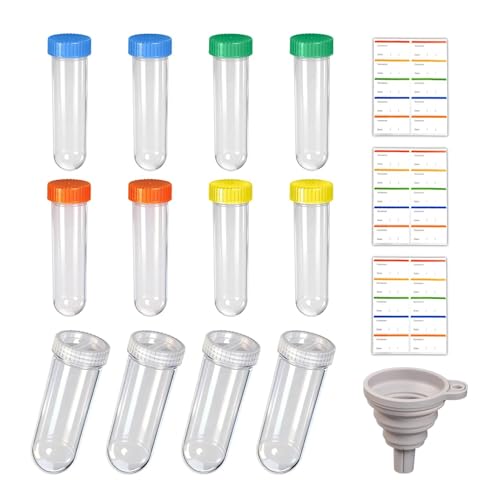
Pre-Measured Portions for Daily Fitness Routine – This protein powder travel container set includes 8×50ml single-serve bottles and 4×100ml large containers, ideal for protein powder, supplement powder, creatine or pre-workout. Perfect portion control helps support daily prep, avoids waste, and keeps your fitness routine consistent on busy days

【CARRY AND FUNNEL IN ONE】Protein powder container is the perfect solution to your protein powder carrying and dumping worries! With a unique 2-in-1 functionality, this protein powder travel container doubles up as a container that can store up to 50ml or 100ml of protein powder.
Sealing Capabilities Matter
A well-sealed container helps keep moisture out and prevents powder from spreading through your luggage. Choose a sturdy container with a lid that closes securely. A built-in scoop or separate measuring compartment can also make portions easier to manage while traveling.
Before packing, wipe powder away from the lid threads or sealing surface. Even a good lid can leak if powder prevents it from closing completely.
Size Considerations
For a short trip, taking only the amount you expect to use saves space and makes the container easier to handle at security. For a longer trip, a larger supply may be more practical, but TSA encourages travelers to put nonessential powders greater than 12 oz. in checked baggage.
Do not assume that transferring a large amount into several small unmarked bags will guarantee faster screening. TSA officers can inspect powders of any size when necessary. A clearly labeled travel container or the original package can make the contents easier to explain if your bag is inspected.
Travel-Sized Options
Single-serving protein packets are convenient because they are compact, pre-measured, and less likely to create a mess. They also make it easy to carry only what you need for the flight or a short trip. However, small packets are not exempt from security screening; any item can receive additional inspection if necessary.
Pro Tip: Screening equipment varies by airport, and many checkpoints now use computed-tomography scanners that create detailed 3D images of baggage. That does not cancel TSA’s published powder instructions. If your powder exceeds the stated threshold, keep it accessible and follow the directions given at your checkpoint.
Packing Protein Powder in Checked Luggage

Checked luggage is usually the simplest place for a large tub of protein powder because you do not have to remove it into a passenger-screening bin at the checkpoint. Checked bags are still security-screened after check-in, so pack the powder so inspectors can identify and access it if necessary.
Use a sturdy container that can tolerate normal baggage handling. Tighten the lid, then place the container inside a resealable plastic bag as a second layer of protection. Wrapping the container in clothing can add cushioning and reduce movement inside the suitcase.
Tape or plastic wrap around the lid can add another spill barrier, but do not make the package impossible to open if security personnel need to inspect it. Airline size and weight limits are separate from TSA rules, so check your carrier’s baggage allowance before traveling with a large quantity.
Packing Protein Powder in Carry-On Luggage
Carry-On Screening At a Glance
| Powder Screening Trigger | Powder-like substances greater than 12 oz. (350 mL) |
| Published TSA Quantity Cap | No overall quantity cap is stated for ordinary protein powder, but larger powders receive special screening instructions |
| Special Instructions | Place powder greater than 12 oz. (350 mL) in a separate bin; additional screening or opening may be required |
| Original Packaging | Helpful for identification, but TSA’s published protein-powder rule does not state that retail packaging is required |
| Formula / Medical Items | Special TSA procedures apply; declare medically necessary or infant-feeding items as directed rather than assuming they skip screening |
For carry-on travel, keep protein powder near the top of your bag so you can remove it quickly if instructed. Avoid burying a large tub underneath electronics, clothing, and cables because dense or cluttered bags can be harder to screen.
If you only need a few servings, a clearly labeled smaller container or commercially packaged individual servings can be convenient. The goal should be sensible packing, not deliberately dividing powder to bypass screening. TSA officers may inspect any powder when necessary.
Does Protein Powder Need to Be in Its Original Container?
TSA’s published protein-powder instructions do not say that the powder must remain in its original retail tub. You can therefore use a practical travel container, but labeling it clearly is sensible.
Original packaging has one advantage: the product name, ingredients, and manufacturer are immediately visible if an officer asks what the substance is. When repacking powder, use a clean food-safe container that seals securely rather than an unmarked loose bag whenever practical.
Note: A label can make identification easier, but it does not guarantee that a powder will avoid additional screening. Security officers can inspect an item regardless of how professionally it is packaged.
What Happens If You Mix Protein Powder With Water?
Keep the protein powder dry until after you pass through security if you want it treated as a powder. Once it is mixed into water, milk, or another beverage, the mixture is a liquid rather than dry powder.
Under TSA’s 3-1-1 liquids rule, ordinary carry-on liquids, gels, aerosols, creams, and pastes generally must be in containers of 3.4 oz. (100 mL) or less and fit within the passenger’s permitted quart-sized liquids bag.
An easy option is to take an empty shaker bottle through the checkpoint, then add water and protein powder afterward.
Tips for Avoiding Spills and Messes
Use a container with a secure screw-top, locking lid, or other dependable closure. Do not pack powder all the way into the lid area; leave enough space to close the container cleanly and wipe the sealing surfaces before tightening it.
Place the closed container inside a resealable plastic bag as secondary containment. This is especially useful in checked luggage, where bags can shift during loading and unloading.
If powder does spill during transit, keeping a few wipes or a small cloth accessible makes cleanup easier before the powder spreads to electronics, clothing, or other belongings.
Products Worth Considering
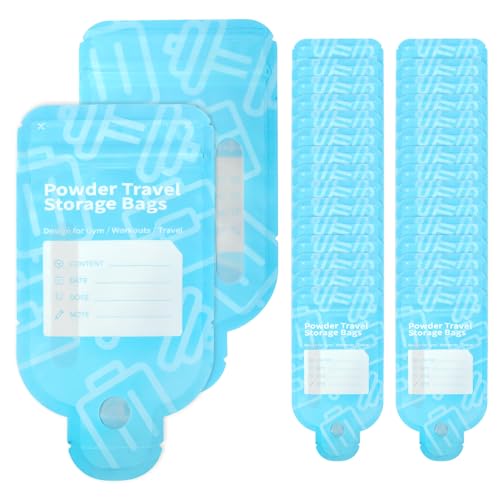
Effortless On-the-Go Use:Enjoy the ultimate convenience of single-use design, No more tedious washing, drying, or guessing games. Just use, seal, and dispose for a organized and clean routine

No Clean up, No Hassle:Say goodbye to messy silicone bag washing and funnel clogs!Designed for busy, on-the-go lifestyles, these disposable protein powder bags let you pre-portion supplements once and use them anywhere without cleaning containers, dealing with sticky residue, or wasting time after workouts or travel days

Comprehensive Package for Needs: this protein powder travel container set includes 6 large storage bags, 42 color-coded single-dose supplement packets, 6 wide-mouth funnels, 1 measuring spoon, 6 hooks, and 6 marking stickers; This comprehensive package meets all your supplement storage and organization needs, eliminating the need for additional purchases
Staying Organized with Multiple Protein Powder Containers

If you carry several supplements or protein flavors, label each container clearly with the product name. Color-coded lids or labels can help you tell whey, plant-based protein, creatine, electrolytes, and other powders apart without repeatedly opening containers.
A compact supplement organizer can also keep multiple containers together. In a carry-on, store the organizer somewhere accessible so it can be removed easily if security staff want a closer look.
Storing Protein Powder in Hotel Rooms
Once you arrive, keep your protein powder closed and store it in a cool, dry place away from direct sunlight, steam, and humidity. A desk, shelf, or dry cupboard is usually better than leaving an open container near a bathroom sink.
In smaller hotel rooms, stackable containers or single-serving packets can save space. Keep the scoop dry and close the package immediately after use to reduce moisture exposure.
Replenishing Protein Powder on the Go
For long trips, buying more protein powder at your destination can be easier than carrying a large tub through several airports. Grocery stores, supplement retailers, and some gyms sell tubs or single-serving options.
Online delivery to a hotel can also work, but contact the property before ordering. Hotels differ in whether they accept guest packages, how packages must be addressed, whether storage fees apply, and how long they will hold a delivery.
Products Worth Considering
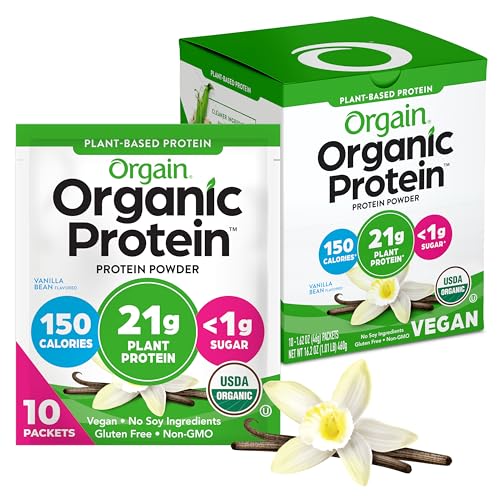
CLEANER INGREDIENTS: 21g of Organic plant based protein and 1g sugar. Our protein blend contains Organic peas, brown rice & chia seeds with all 9 essential amino acids. Each serving has low net carbs and features 5g of prebiotic + fiber* for gut support.

DELICIOUSLY CREAMY, FLAVOR-PACKED VARIETY: The Clean Simple Eats Variety Pack includes 10 single-serve packets featuring our most crave-worthy flavors—Simply Vanilla, Chocolate Brownie Batter, Chocolate Peanut Butter, Coconut Cream, and Mint Chocolate Cookie. Each one delivers a rich, smooth, and satisfying experience you’ll actually look forward to. It’s the indulgent sampler everyone is raving about.
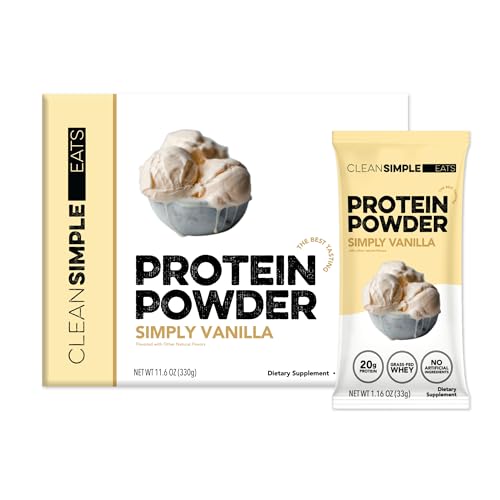
DELICIOUSLY CREAMY SIMPLY VANILLA: There’s nothing vanilla about our Simply Vanilla Protein Powder–that’s why everyone is raving about it! A classic staple packed with 20g of protein in each serving, Simply Vanilla is the most popular for good reason.
International Flights: TSA Is Only One Set of Rules
TSA controls security screening at U.S. checkpoints. When you depart from, connect through, or arrive in another country, that country’s aviation-security and customs rules can also apply.
Those rules are not identical. For example, Canada’s Canadian Air Transport Security Authority guidance for protein powder states that protein powder is allowed in carry-on and checked baggage while also describing a total 350 mL/g limit for certain powders and granular materials in carry-on baggage.
Australia uses a different system. Its official aviation-security guidance separates organic and inorganic powders and specifically lists protein powder as an organic powder that is not subject to its inorganic-powder quantity limit.
Warning: Never assume the U.S. TSA rule automatically applies at a foreign airport. Check the official security and customs rules for every country where you depart, connect, or enter. Import rules are separate from airport security rules.
If you are returning to the United States from another country, U.S. Customs and Border Protection instructs travelers to declare food items. Dietary supplements can also fall within U.S. food regulation, so when a declaration question applies, declare the product rather than guessing that airport-security permission automatically makes it exempt from customs requirements.
If you’re looking for more travel tips before a trip, it also helps to review passport and international travel requirements separately from baggage-security rules. For travelers carrying phones and other electronics, this article covers power-bank considerations for international trips.
Frequently Asked Questions
What is protein powder?
Protein powder is a concentrated source of protein made from ingredients such as whey, casein, egg, soy, pea, rice, or other protein sources. Depending on the product and how it is marketed, it may be sold as a dietary supplement or food product.
Can I bring protein powder on an airplane?
Yes. TSA permits protein powder in carry-on and checked baggage. Powder-like substances greater than 12 oz. (350 mL) in a carry-on must be placed in a separate bin for X-ray screening and may require additional inspection.
How should I pack protein powder for air travel?
Use a sturdy, tightly sealed container and place it inside a resealable bag for spill protection. In a carry-on, keep the powder easy to reach in case security asks you to remove or inspect it. Original packaging is convenient but is not stated as a TSA requirement.
Are there restrictions on the amount of protein powder I can bring on a plane?
TSA does not publish an overall quantity cap for ordinary protein powder, but powder-like substances greater than 12 oz. (350 mL) in carry-on baggage have special screening instructions. Airlines can also impose baggage size and weight limits, and foreign countries may use different powder rules.
Do I need to declare protein powder at airport security?
Ordinary protein powder does not normally need to be proactively declared to TSA simply because it is protein powder. Keep it accessible and follow the officer’s instructions. Medically necessary items, infant formula, and customs declarations follow separate procedures.
Can I bring flavored protein powder on an airplane?
Yes. Flavored and unflavored dry protein powders follow the same general TSA powder-screening guidance. The flavor does not change the basic rule, although any item may receive additional screening when necessary.
Does protein powder have to stay in its original container?
TSA’s published protein-powder guidance does not state that original retail packaging is required. A labeled container is still a smart choice because it makes the contents easier to identify if security staff inspect your bag.
Can I take a prepared protein shake through TSA?
A prepared protein shake is treated as a liquid rather than a dry powder. Normal TSA carry-on liquid limits therefore apply unless a specific medical exemption applies. An easy alternative is to carry an empty shaker bottle and mix the drink after security.
Are international protein powder rules the same as TSA rules?
No. Security and customs requirements vary by country and sometimes by the type of powder. Check official rules for your departure airport, connecting countries, and destination instead of assuming the U.S. TSA threshold applies everywhere.
Sources
- TSA — Protein or Energy Powders — official carry-on and checked-bag guidance and the 12 oz./350 mL screening threshold
- TSA — Policy on Powders FAQ — background on U.S. powder-screening procedures
- Delta Air Lines — TSA Powder Restrictions — historical explanation of the June 2018 powder-security changes
- Canadian Air Transport Security Authority — Protein Powder — Canadian carry-on and checked-baggage guidance
- Australian Government TravelSECURE — Powders, Liquids, Aerosols and Gels — Australian powder classifications and international-flight rules
- U.S. Customs and Border Protection — Items Travelers Must Declare — current U.S. customs declaration guidance for food and other goods
