
Last Updated on July 30, 2026 by Daniel Globe
A boutique hotel is a small or midsize hotel built around individuality rather than strict brand standardization. It usually combines distinctive design, attentive service, and a strong connection to its neighborhood, building, or destination. However, the word “boutique” is not a regulated quality rating, so the experience can vary widely from one property to another.
Quick Answer
A boutique hotel is an individual, design-focused property known for personalized service and a memorable sense of place. Most are smaller than large convention or resort hotels, but there is no universal room-count limit. Amenities, prices, accessibility, and service levels depend on the individual property.
Key Takeaways
- Boutique hotels are defined more by individuality, design, service, and local character than by a fixed number of rooms.
- They may be independent or connected to a larger hotel group through a collection or “soft brand.”
- Amenities vary. A stylish bar, local breakfast, concierge service, or rooftop terrace should not be assumed unless the hotel lists it.
- Rates can be lower or higher than chain-hotel rates depending on location, season, room size, services, and included benefits.
- Travelers should check recent reviews, room dimensions, noise, accessibility features, parking, cancellation terms, and resort or destination fees before booking.
What Defines a Boutique Hotel?
There is no single legal or industry-wide definition of a boutique hotel. Hospitality research describes these properties as personalized, individual, culturally authentic, and known for distinctive services or social spaces. The experience matters more than one rigid size limit.
A study involving more than 40 hospitality professionals found broad agreement around individuality, cultural or historic character, high service levels, and unique features. It found much less agreement about the maximum number of rooms a boutique hotel can have. You can review the findings in Boutique and Lifestyle Hotels: Emerging Definitions.
Common Boutique Hotel Characteristics
- Distinctive design: Rooms and public areas may feature custom furniture, local art, restored architecture, or a clear design theme.
- Personalized service: A smaller operation may allow staff to remember preferences and offer tailored recommendations.
- A sense of place: The hotel may reflect the neighborhood through its food, materials, artwork, history, or partnerships with local businesses.
- Individual identity: The property usually feels different from a standardized hotel, even when it belongs to a larger collection.
- Social spaces: Lounges, libraries, courtyards, cafés, rooftop bars, or communal tables may encourage guests and local residents to gather.
- Curated details: Toiletries, minibars, music, books, menus, and guest activities may be selected to support the hotel’s overall concept.
Note: “Boutique” does not automatically mean luxurious, independent, expensive, historic, or adults-only. It describes a style of hospitality, not a guaranteed star rating or fixed set of amenities.
Amenities and Services
Boutique hotels often use carefully selected amenities to strengthen the guest experience. These may include locally roasted coffee, regional breakfast dishes, custom toiletries, original artwork, loaner bicycles, welcome drinks, or neighborhood guides. Some properties also provide restaurants, bars, gyms, spas, pools, meeting rooms, guided tours, yoga sessions, or cooking workshops.
None of these features is universal. A 20-room historic hotel may have an acclaimed restaurant but no elevator or fitness center. A modern urban property may offer mobile check-in and a rooftop bar but no room service. A rural boutique inn may focus on gardens, hiking access, and quiet surroundings rather than nightlife or business facilities.
Services to Verify Before Booking
- Front-desk and concierge hours
- Daily housekeeping or housekeeping by request
- Breakfast availability and whether it is included
- On-site restaurant and bar opening days
- Room service or food-delivery options
- Parking, valet service, or nearby public transportation
- Elevator access and step-free routes
- Air conditioning, heating, and in-room refrigerators
- Cribs, rollaway beds, connecting rooms, and family occupancy limits
- Workspace, Wi-Fi, printing, and meeting facilities
- Pet policies and additional charges
- Pool, spa, gym, or wellness-facility hours
Personalized service can be one of the strongest reasons to choose a boutique property, but the quality depends on staffing, training, and management. Recent reviews can reveal whether the hotel consistently delivers the attentive experience described on its website.
Size and Location

Boutique hotels are usually smaller than large convention hotels and destination resorts. However, fewer than 100 rooms should be treated as a common rule of thumb, not an official cutoff. The hospitality study cited above found that experts disagreed considerably about maximum size and emphasized that the market and guest experience also matter.
A boutique property can be located in a city center, historic district, residential neighborhood, beach destination, rural landscape, wine region, or mountain town. The best locations often support the hotel’s identity. A converted warehouse may reflect an arts district, while a restored estate may focus on local history, gardens, or regional cuisine.
Smaller properties can feel calm and personal, but size can also create tradeoffs. Rooms in historic buildings may have unusual layouts, limited storage, narrow corridors, or less sound insulation. Some hotels have only one restaurant, limited late-night staffing, or no pool, spa, or business center.
A boutique hotel is defined less by a precise room count than by the experience it creates and how clearly it expresses an individual sense of place.
Price and Accessibility
Boutique-hotel prices range from budget-friendly to ultra-luxury. A small independent hotel is not automatically more expensive than a chain property, and a boutique label does not guarantee that breakfast, parking, spa access, or other services are included.
Rates are usually affected by the destination, travel dates, room category, view, building history, service level, on-site dining, local events, and cancellation policy. Taxes, parking charges, resort or destination fees, and breakfast costs can make the final total much higher than the displayed nightly rate.
| Booking Factor | What Can Affect the Stay | What to Verify |
| Total Price | Taxes, parking, breakfast, resort fees, pet fees, and cancellation terms | The complete price for the entire stay, not only the base nightly rate |
| Room Comfort | Room dimensions, bed size, climate control, storage, view, and street noise | The exact room category and floor rather than relying on general property photos |
| Location | Walking distance, transit access, parking availability, nightlife, and neighborhood noise | Travel time to the places you plan to visit at the hours you will travel |
| Accessibility | Step-free entrance, elevator, doorway clearance, bathroom layout, alarms, and accessible parking | Written confirmation that the reserved room has every feature you require |
In the United States, covered places of lodging must follow applicable accessibility requirements. The U.S. Access Board’s ADA Standards include rules for mobility-accessible rooms, communication features, accessible routes, and the distribution of accessible room choices. Requirements and enforcement differ in other countries.
Warning: Do not rely only on an “accessible room” filter. Contact the hotel and confirm the exact entrance, route, bed clearance, bathroom, shower, alarm, elevator, and parking features you need. Ask the property to attach those requirements to your reservation.
Pro Tip: Compare the total stay value. A higher nightly rate may be competitive when it includes breakfast, parking, welcome amenities, late checkout, or activities that would cost extra elsewhere.
Products Worth Considering

🚻 PERFECT SIGNAGE FOR: All commercial or residential buildings , hotel to guide employees, visitors, customers, or guests to apartment or unit number .

Certified ADA Compliant & Grade 2 Braille: Features raised tactile "WOMEN" text and Braille dots to ensure accessibility. Essential for passing building inspections and keeping your business code-compliant.

ADA-compliant, tactile + Braille fitting room sign has English text, pictogram symbol and Grade 2 Braille on a black background
How Boutique Hotels Compare With Other Lodging
Products Worth Considering
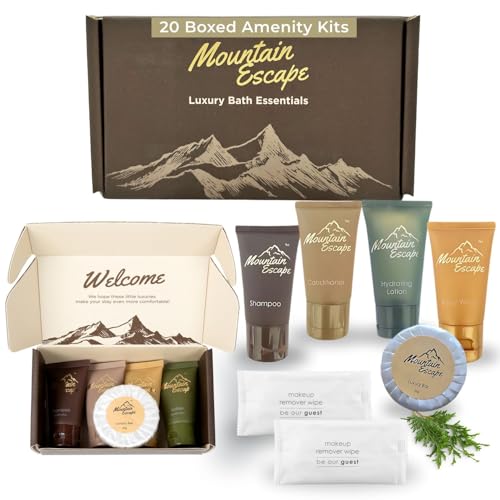
Premium Pre-Bundled Bathroom Kits for Effortless Presentation – Each eco-conscious box arrives pre-packed and labeled Bathroom for quick identification, making setup seamless for housekeepers. Simply open the box to reveal beautifully displayed toiletries, no sorting or unpacking required. Perfect for boutique hotels, vacation rentals, or Airbnbs aiming to elevate the guest experience with style, convenience, and care.

Premium Pre-Bundled Bathroom Kits for Effortless Presentation – Each eco-conscious box arrives pre-packed and labeled Bathroom for quick identification, making setup seamless for housekeepers. Simply open the box to reveal beautifully displayed toiletries, no sorting or unpacking required. Perfect for boutique hotels, vacation rentals, or Airbnbs aiming to elevate the guest experience with style, convenience, and care.

Bulk Oxygen Hotel Toiletries: Indulge guests with our 150-pack of O2 Oxygen amenities, featuring 22ml shampoo, conditioner, body wash, body lotion, 25g soap, and a shower cap – perfect for hotels and vacation rentals seeking a zen-inspired guest experience.
Boutique Hotel vs. Chain Hotel
A traditional chain hotel usually prioritizes predictable standards, broad loyalty benefits, and consistent facilities across locations. A boutique hotel prioritizes an individual identity and a property-specific experience. The distinction is not absolute because major hotel companies now operate collections of independently styled hotels.
Boutique Hotel vs. Lifestyle Hotel
The terms overlap. Boutique hotels are often associated with individuality, local character, intimate scale, and personalized service. Lifestyle hotels may be larger, more contemporary, technology-focused, and built around a particular social or wellness-oriented identity. In everyday marketing, properties may use both labels.
Boutique Hotel vs. Luxury Hotel
“Boutique” describes character and style; “luxury” describes service level, facilities, materials, exclusivity, and price. A boutique hotel can be luxurious, midrange, or relatively simple. A large luxury resort can offer exceptional service without being boutique.
Boutique Hotel vs. Bed-and-Breakfast
A bed-and-breakfast is usually a small lodging business that includes breakfast and may be owner-operated. A boutique hotel more often has hotel-style staffing, private guest services, reception, and additional public facilities. Some properties fit both descriptions.
Boutique Hotel vs. Motel
A motel is traditionally designed for motorists and often provides direct exterior access to rooms with parking nearby. A boutique hotel is defined by its individual design and service concept rather than its parking layout. A renovated motel can become a boutique property when it adds a distinctive identity and upgraded guest experience.
Target Audience
Boutique hotels appeal to travelers who care about atmosphere, design, personal service, and a connection to the destination. Age alone does not determine who will enjoy them.
- Couples: Intimate spaces, restaurants, bars, spas, and distinctive rooms can suit romantic trips.
- Solo travelers: Helpful staff and social lounges may make it easier to learn about the area or meet other guests.
- Business travelers: A quiet room, reliable Wi-Fi, a central location, and personal service can be valuable, but workspace and late-night staffing should be checked.
- Families: Some properties offer suites, connecting rooms, cribs, kitchens, or children’s activities. Others have strict occupancy limits or an adults-focused atmosphere.
- Design and culture travelers: Restored buildings, local art, architecture, and neighborhood programming can make the hotel part of the trip itself.
- Special-event guests: Smaller hotels may offer private dining, buyouts, weddings, retreats, or group experiences.
A boutique hotel may be less suitable for a traveler who wants guaranteed brand standards, a large pool complex, extensive conference facilities, around-the-clock dining, multiple room categories, or loyalty benefits that work across many destinations.
How to Choose a Boutique Hotel
- Decide what “boutique” means for your trip. Prioritize the features you actually value, such as local design, quiet rooms, nightlife, personal service, a restaurant, or historic architecture.
- Check the exact location. Look at walking routes, nighttime noise, hills, public transportation, parking, and travel time to your planned activities.
- Study individual room categories. Do not assume every room matches the photographs on the home page. Compare dimensions, bed type, windows, bathroom layout, view, and floor.
- Read recent reviews selectively. Look for repeated comments about cleanliness, soundproofing, staff responsiveness, climate control, Wi-Fi, and maintenance.
- Confirm important amenities. Ask about breakfast, restaurant schedules, housekeeping, elevators, parking, pools, spas, cribs, pets, and accessibility.
- Calculate the complete price. Include taxes, mandatory fees, parking, breakfast, transportation, and the cost of a flexible cancellation policy.
- Review the cancellation rules. Independent hotels may have stricter deadlines or larger deposits than major chains.
- Book the correct room directly or through a trusted platform. Save the room description, rate terms, and written confirmation of any special requirement.
Products Worth Considering

WESTIN HOTELS EXCLUSIVE - Bring the Westin Hotels bath and body experience into your home with the signature leaf design and Westin White Tea scent.

ENLIVEN YOUR GUESTS STAY: Perfect for Hotels, Airbnb, VRBO, Day Spas, Motels, and Guest rooms... Providing small added details (like this delicious Grapefruit-Bergamot Soothing Hand & Body Lotion) will help increase guest satisfaction

THE RITZ-CARLTON EXCLUSIVE - The Mirage Room Spray is created by Antica Farmacista exclusively for The Ritz-Carlton, Rancho Mirage.
Advantages
- Distinctive atmosphere and design
- More property-specific service
- Stronger connection to the destination
- Curated food, art, and neighborhood recommendations
- Memorable public spaces and guest experiences
Possible Disadvantages
- Less consistency between properties
- Smaller or unusually shaped rooms
- Fewer facilities than a large resort or full-service chain hotel
- Limited late-night staffing or dining
- Historic-building barriers such as stairs or small elevators
- Fewer loyalty-program benefits
- Stricter deposits or cancellation policies
History and Evolution

The modern boutique-hotel movement took shape during the late 1970s and 1980s as an alternative to increasingly standardized hotel brands. Hospitality research identifies Blakes Hotel, which opened in London in 1978, as one early influence.
In New York, Ian Schrager and Steve Rubell opened Morgans Hotel in 1984. Schrager’s official biography describes Morgans as introducing the boutique-hotel concept to the world. The property used bold design, atmosphere, and social energy to challenge conventional hotel expectations. More information is available from the Ian Schrager Company.
The model spread through independent hotels in major cities and later expanded to beach destinations, rural areas, converted industrial buildings, historic estates, and small towns. Larger hotel companies eventually developed lifestyle brands and curated collections that let individual properties keep more of their local identity while using centralized reservations and loyalty programs.
This evolution has made the label harder to define. A boutique property may now be independently owned, managed by a specialist company, franchised, or affiliated with a global hotel group. Travelers therefore need to judge the individual property rather than rely on the label alone.
Popularity and Demand
Boutique hotels have become popular because many travelers want accommodations to feel like part of the destination rather than a standardized place to sleep. Design, food, neighborhood partnerships, and personal recommendations can turn the hotel into an experience of its own.
Photo-driven travel platforms have also increased interest in visually distinctive properties. However, an attractive lobby or dramatic room photograph does not prove that a hotel offers good soundproofing, cleanliness, maintenance, accessibility, or service. Travelers should balance visual appeal with recent guest feedback and detailed room information.
The growth of home-sharing and short-term rentals has also encouraged hotels to offer more residential design, kitchens, communal spaces, and neighborhood-focused experiences. Boutique hotels can combine some of that individuality with staffed lodging services, professional housekeeping, and hotel safety procedures.
Future Trends and Outlook
Sustainability
Boutique hotels are likely to continue investing in energy efficiency, water conservation, waste reduction, durable materials, local purchasing, and lower-impact food service. These practices are part of the wider sustainable-tourism movement described by UN Tourism.
Travelers should look beyond vague claims such as “eco-friendly.” Useful evidence may include published energy or water goals, third-party certification, refillable amenities, waste reporting, responsible sourcing, public-transport guidance, and clear explanations of how the property supports local workers or businesses.
Technology With Human Service
Mobile check-in, digital keys, messaging, smart-room controls, and automated recommendations can make a stay more convenient. Tourism has been an early adopter of digital booking and business systems, according to UN Tourism’s digital-transformation overview.
The strongest boutique properties will use technology to remove friction without allowing it to replace hospitality. Guests may appreciate fast digital service while still expecting a knowledgeable person to resolve unusual requests, accessibility needs, billing problems, or local-planning questions.
More Local and Flexible Experiences
Properties are likely to deepen partnerships with artists, chefs, guides, farms, wellness providers, and neighborhood businesses. Flexible public spaces may serve as cafés, coworking areas, event venues, galleries, or community gathering places at different times of day.
Greater Attention to Inclusive Design
Accessible routes, clearer room information, sensory considerations, communication features, and inclusive digital booking will become increasingly important. Boutique design should not come at the cost of usable entrances, bathrooms, navigation, lighting, or guest communication.
Note: The most reliable boutique hotels combine character with operational basics. Distinctive design adds value only when the property also delivers cleanliness, comfort, safety, accurate information, and responsive service.
Sources
- Boutique and Lifestyle Hotels: Emerging Definitions — definitions, common characteristics, room-count uncertainty, and early history.
- Ian Schrager Company — the 1984 opening of Morgans Hotel and its role in developing the modern boutique-hotel concept.
- U.S. Access Board ADA Accessibility Standards — accessibility requirements for covered places of lodging in the United States.
- UN Tourism: Sustainable Development — principles of sustainable tourism development.
- UN Tourism: Digital Transformation — technology and digitalization in tourism and hotel booking.
Frequently Asked Questions
What is a boutique hotel?
A boutique hotel is an individual, design-focused property known for personalized service and a clear sense of place. It is generally smaller than a large convention hotel, but there is no universal room-count limit.
How many rooms does a boutique hotel have?
Many boutique hotels have fewer than 100 rooms, but that is only a rule of thumb. Hospitality research has found no agreed maximum. Individuality, service, design, and the guest experience are more useful measures.
Are boutique hotels always expensive?
No. Boutique hotels range from modest independent properties to high-end luxury hotels. The rate depends on location, season, room type, service level, demand, and included amenities.
Can a boutique hotel be part of a chain?
Yes. Some are completely independent, while others belong to a collection, management company, franchise, or global hotel group. A larger affiliation does not prevent a property from maintaining an individual identity.
Is a boutique hotel the same as a luxury hotel?
Not necessarily. Boutique describes individuality, design, and experience. Luxury refers to a high level of comfort, materials, facilities, and service. A hotel can be boutique without being luxurious or luxurious without being boutique.
Are boutique hotels good for families?
Some are excellent for families, especially when they offer suites, connecting rooms, cribs, kitchens, or children’s activities. Others have small rooms, strict occupancy limits, or an adults-focused atmosphere, so family facilities should be confirmed before booking.
What should I check before booking a boutique hotel?
Check the exact room size, bed type, noise, climate control, elevator access, parking, breakfast, housekeeping, accessibility, mandatory fees, cancellation rules, and recent reviews for the room category you plan to reserve.
How can I confirm that a boutique hotel is accessible?
Contact the hotel directly and describe the features you need. Ask for written confirmation about the entrance, elevator, route to the room, doorway clearance, bed space, bathroom, shower, alarms, parking, and access to public facilities.
