
Last Updated on July 27, 2026 by Daniel Globe
The Hard Rock brand is deeply intertwined with both rock music and the hospitality industry. Founded in 1971 in London, England, by Isaac Tigrett and Peter Morton, the Hard Rock Café concept quickly gained global traction by combining casual dining with authentic rock ‘n’ roll memorabilia. While it spent decades as a prominent restaurant chain, the brand ultimately evolved into the tribally-owned hospitality and gaming powerhouse it is today.
Quick Answer
Hard Rock Hotels are owned entirely by the Seminole Tribe of Florida. The tribe acquired Hard Rock International from the British company Rank Group PLC in March 2007 for $965 million, marking the largest purchase of an international corporation by an indigenous nation.
The 2007 acquisition ushered the brand into a new era. The Seminole Tribe of Florida purchased Hard Rock International in an all-cash deal that included 124 Hard Rock Cafés, four hotels, two casino hotels, two concert venues, stakes in three unbranded hotels, and an archive of roughly 70,000 pieces of rock memorabilia. This strategic move allowed the tribe to leverage massive global recognition while infusing the brand with their own cultural heritage and economic autonomy.
While the very first Hard Rock Hotel opened in 1995 in Las Vegas, Nevada (under different licensing), it was the tribe’s acquisition that catalyzed the brand’s transformation from a café-first business into a fully integrated global hospitality and casino brand.
Key Takeaways
- Sole Ownership: Hard Rock International is 100% privately owned by the Seminole Tribe of Florida; it has no external shareholders.
- Historic Deal: The $965 million purchase in 2007 remains the largest corporate acquisition by a North American Indian tribe.
- Massive Scale: Under tribal ownership, the brand has grown to over 300 locations in nearly 80 countries, generating over $7.2 billion in revenue (as of 2025).
- Community Impact: Revenues directly fund universal healthcare, full college tuition, and housing for the tribe’s enrolled members.
Disclosure: As an Amazon Associate I earn from qualifying purchases. Some links on this page are affiliate links, at no extra cost to you.
Partnership with the Seminole Tribe
Empowering the Cultural Narrative
Operating as a privately held tribal enterprise gives the Seminole Tribe complete control over their cultural narrative and business strategy. Guided by Jim Allen, CEO of Seminole Gaming and Chairman of Hard Rock International, the brand has managed to successfully integrate modern gaming and hospitality with tribal heritage. Because the company does not answer to Wall Street shareholders, profits can be directly reinvested into tribal infrastructure and long-term expansion projects.
Pride and Cultural Exchange
This ownership has instilled deep pride among the approximately 4,000 enrolled tribe members, providing a platform to showcase their history to a worldwide audience. Modern Hard Rock properties frequently serve as a venue for cultural exchange, integrating Seminole traditions, art, and architectural motifs into the luxury guest experience.
Sustainable Development and Community Benefits
The acquisition fundamentally secured the economic survival of the tribe. It demonstrated how indigenous communities can thrive in modern global economies while fiercely preserving their identity. The financial yields from Hard Rock’s massive casino and hotel operations fund essential community development, ensuring high-quality education and healthcare for current and future generations.
Unique Features of Hard Rock Hotels

Hard Rock Hotels distinguish themselves by embedding music into the operational DNA of the property. Guests are immediately surrounded by curated memorabilia from legendary musicians—a collection that has grown to over 88,000 authenticated pieces globally.
Room amenities heavily support the theme. Properties offer the “Sound of Your Stay” program, allowing guests to rent Fender guitars or Crosley record players directly to their rooms. Alongside high-fidelity sound systems, properties feature signature restaurants, the Rock Spa (which uses music-centric treatments), and regular live concert events.
Pro Tip: If music memorabilia is the primary draw for your stay, ask the front desk about a self-guided “Rock Walk.” Many properties provide a digital or physical map highlighting the most notable artifacts hidden throughout the hotel.
Products Worth Considering

【Adjustable Storage Space】The rock collection display case has 24 compartments and detachable horizontal partitions, which can meet your needs to display different sizes rocks and crystals. Rock box Outside size: 15.5''L x11.6"H x3.1"W, (Note: Rocks are not included)

30 Pcs Set with Stands - You will get 20 pieces plastic floating frame display holders with diamond shaped presentation stands. It is made of plastic frame, durable TPU membranes. Lightweight and easy to arrange.

Comprehensive Natural Mineral Collection – This beautifully arranged display features a wide variety of real natural mineral specimens, each labeled and mounted in a sleek wooden shadow box. A few authentic fossil pieces are also included to add scientific value and expand educational interest.
Impact on the Seminole Tribe Community
The financial success of Hard Rock International extends far beyond corporate growth—it is the economic engine that funds the Seminole Tribe’s social and cultural revitalization.
| Metric | Impact Data & Community Benefits |
|---|---|
| Employment | Employs more than 60,000 global team members across HRI; Florida casino operations alone provide thousands of local jobs and specialized training programs for tribal members. |
| Education | Corporate revenues fully fund educational scholarships, resources, and 100% college tuition coverage for enrolled Seminole Tribe members. |
| Healthcare | Provides comprehensive, high-quality healthcare access and specialized medical services for the tribal community. |
| Infrastructure | Billions invested in reservation infrastructure, housing, and flagship commercial projects like the $1.5 billion Guitar Hotel expansion in Hollywood, FL. |
The presence of Hard Rock Hotels provides valuable hospitality career tracks alongside financial stability. By tying aggressive economic development directly to cultural preservation, the tribe has established one of the most successful indigenous economic models in the world.
Expansion and Growth of Hard Rock Hotels
Since the 2007 acquisition, Hard Rock has expanded aggressively. As of 2025, the company operates over 300 locations across nearly 80 countries, with system-wide revenues hitting $7.2 billion.
New flagship properties have opened in global hotspots like Cancun, Bali, Ibiza, and the Maldives. Growth is achieved through a mix of ground-up new builds and strategic rebranding of existing properties. This dual strategy allows Hard Rock to modernize aging real estate with state-of-the-art gaming amenities while capturing both high-end leisure travelers and massive corporate business conferences.
Products Worth Considering

AUTHENTIC - Genuine craps table-played dice with custom logo / print specific to selected casino(s). MATCHING SERIAL NUMBERS. Subtle cancel mark(s) which do not affect play.
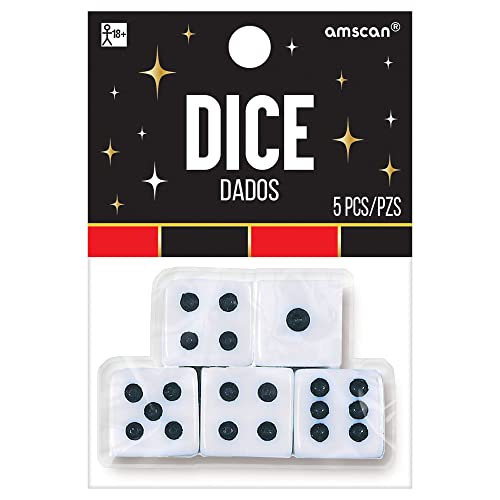
WHITE CUBE PLAYING DICE: Experience premium quality and timeless design with our White Cube Playing Dice (4.12" x 2.87") that brings a touch of elegance to all your gaming adventures!

4 Classic Casino Games in 1 Set: Play Blackjack, Texas Hold’em, Craps, and Roulette right at home! Two double-sided green felt mini tabletop mats (18" x 36") bring authentic casino layouts to any tabletop
Cultural Influence of the Seminole Tribe on Hard Rock Hotels

The influence of the Seminole Tribe is physically embedded within the architecture and identity of newer Hard Rock properties. Instead of generic corporate art, many properties feature custom installations by Seminole artists, giving indigenous creators a massive global platform to share tribal history, patchwork designs, and folklore.
Culinary programs at flagship locations frequently incorporate elements of traditional Seminole cuisine. Through these integrated details, Hard Rock Hotels educate millions of international guests about the tribe’s “Unconquered” legacy without compromising the rock ‘n’ roll energy the brand is known for.
Corporate Social Responsibility of Hard Rock Hotels
Corporate social responsibility (CSR) remains a core pillar of Hard Rock’s operational philosophy. The brand executes initiatives promoting sustainability, including energy-efficient infrastructure, aggressive waste reduction programs, and water conservation efforts at resort locations.
Philanthropically, Hard Rock partners with international organizations on causes such as disaster relief, human trafficking prevention, and healthcare access. These efforts are often amplified through charity concerts, limited-edition merchandise sales, and fundraising campaigns tied directly to hotel stays.
Future Plans and Developments for Hard Rock Hotels
Looking ahead, Hard Rock is targeting emerging markets in Asia and South America. Domestically, the company continues to leverage high-visibility sponsorships. Hard Rock holds the naming rights to Hard Rock Stadium in Miami Gardens, perfectly positioning the brand for massive global exposure during the 2026 FIFA World Cup.
Future property developments aim to push boundaries in hospitality tech—incorporating frictionless mobile check-ins and AI-driven personalized room environments—while expanding the Hard Rock Digital and sports betting arms across the United States.
As Hard Rock Hotels continue to evolve under the stewardship of the Seminole Tribe, they prove that a globally dominant hospitality brand can successfully operate while directly funding and preserving indigenous culture.
Frequently Asked Questions
Who owns Hard Rock Hotels?
Hard Rock Hotels are owned entirely by the Seminole Tribe of Florida. The tribe acquired the Hard Rock International parent brand from the UK-based Rank Group PLC in March 2007 for $965 million.
What is the Seminole Tribe of Florida?
The Seminole Tribe of Florida is a federally recognized Native American tribe with roughly 4,000 enrolled members living across several reservations in southern Florida. They are the sole owners of Hard Rock International.
How many Hard Rock Hotels are there?
As of 2025, Hard Rock International operates over 300 total venues across nearly 80 countries. This footprint includes roughly 40 dedicated hotel and casino-hotel properties worldwide.
Are all Hard Rock Hotels owned by the Seminole Tribe of Florida?
Yes. The Seminole Tribe holds 100% private ownership of the Hard Rock International parent company, holding the brand rights and equity for all corporate hotels, casinos, and cafés globally.
What other businesses does the Seminole Tribe of Florida own?
Through Seminole Gaming, the tribe operates numerous highly profitable independent casinos in Florida, including the flagship Seminole Hard Rock Hotel & Casino in Hollywood (the Guitar Hotel), Seminole Casino Coconut Creek, and the Hard Rock Bet digital sports wagering platform.
Sources
- NBC News — Historic details of the 2007 $965 million acquisition from Rank Group PLC.
- Companies History — Current corporate structure, $7.2 billion revenue, and sole ownership verification.
- Hard Rock Corporate — Official statistics confirming 60,000+ employees and over 300 global locations.
- Current Anthropology — Academic analysis of indigenous economic models and the Hard Rock acquisition.
- U.S. Securities and Exchange Commission — Corporate transaction history and filings related to Hard Rock Hotel Holdings.
