Last Updated on July 27, 2026 by Daniel Globe
Hiking around 50°F can feel perfect one minute and surprisingly cold the next. A sunny climb may have you sweating, while a shaded rest stop, exposed ridge, rain shower, or strong breeze can cool you quickly. The best approach is not one heavy jacket but a flexible clothing system you can adjust as the trail and weather change.
Quick Answer
For hiking in 50-degree weather, wear a moisture-wicking shirt with quick-drying pants or shorts, and carry a lightweight fleece plus a wind or rain shell. Add light gloves or a hat if you run cold. Avoid relying on cotton in cool, wet conditions, and adjust your layers before you become sweaty or chilled.
Key Takeaways
- Dress in layers so you can respond to changes in wind, rain, sun, elevation, and activity level.
- Choose merino wool, polyester, or nylon for clothing next to your skin instead of moisture-holding cotton when cool or wet conditions are possible.
- A lightweight fleece is often enough insulation while moving; carry extra warmth if you expect long stops or colder conditions.
- Use a wind shell in dry, breezy weather and pack waterproof rain protection when precipitation is possible.
- Choose hiking footwear for the actual trail: breathable shoes for many dry hikes and waterproof footwear when mud, wet vegetation, or sustained rain make it useful.
- Do not underestimate rain at 50°F. Wet clothing, sweat, and wind can create a hypothermia risk even when the air temperature is well above freezing.
Disclosure: As an Amazon Associate I earn from qualifying purchases. Some links on this page are affiliate links, at no extra cost to you.
What to Wear Hiking at 50°F at a Glance
At a Glance
| Base Layer | Lightweight merino wool, polyester, or nylon shirt |
| Mid Layer | Light fleece, grid fleece, or packable insulation as conditions require |
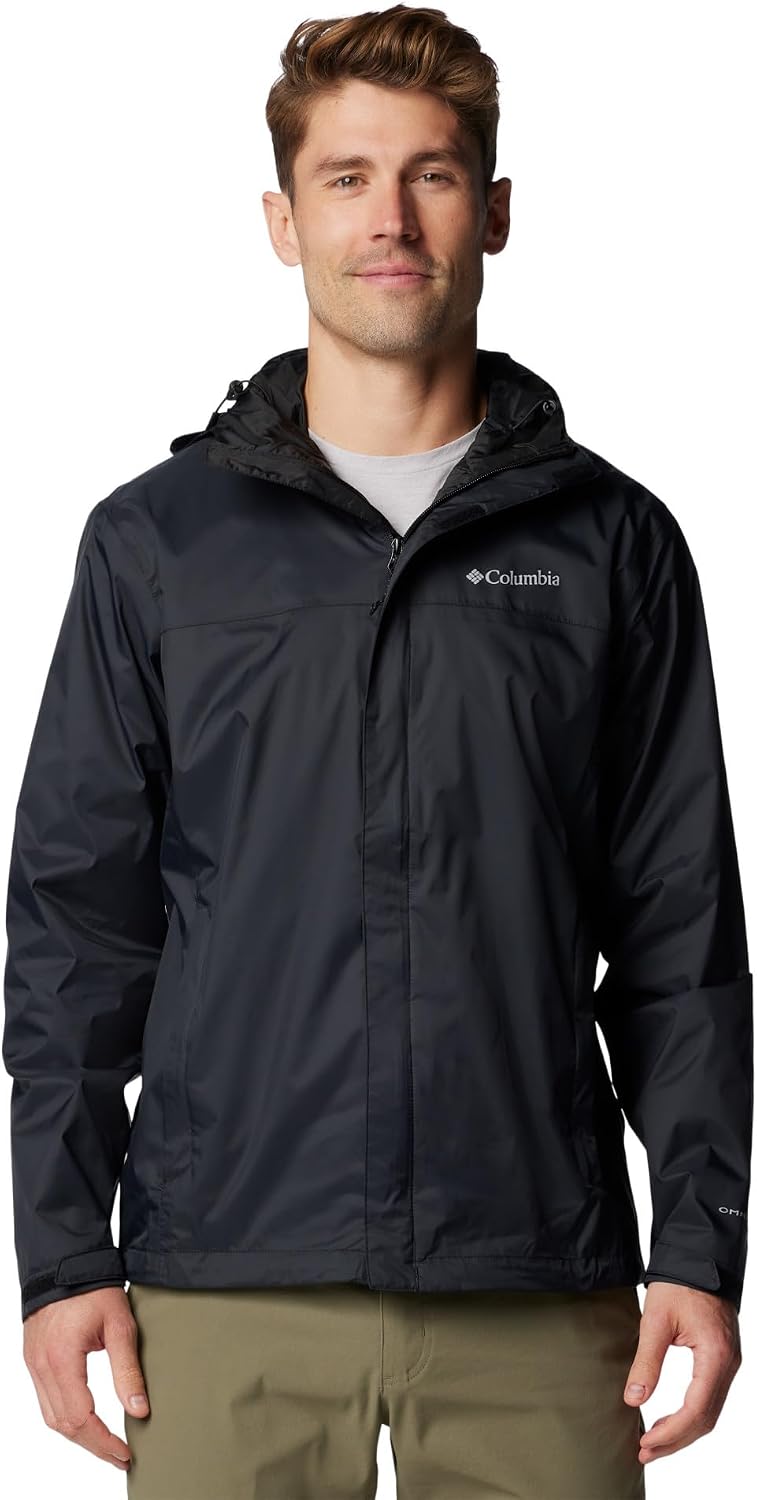
| Outer Layer | Wind shell for dry breezes; waterproof/breathable rain shell when rain is possible |
| Bottoms | Quick-drying hiking pants, leggings, convertible pants, or shorts when conditions allow |
| Footwear | Well-fitting hiking shoes, trail shoes, or boots with traction suited to the terrain |
| Accessories | Hat, sunglasses, light gloves, neck gaiter, and moisture-wicking socks as needed |
Why Layering Matters in 50-Degree Weather
Layering is especially useful around 50°F because the number on the thermometer does not tell the whole story. Wind, rain, humidity, sunlight, elevation, hiking speed, pack weight, and your own metabolism can all change how warm or cold you feel.
A standard outdoor clothing system uses three functions: a base layer to move sweat away from the skin, a middle layer to retain body heat, and an outer shell to protect against wind and precipitation. You may not need to wear all three while moving, but carrying the layers gives you options when conditions change. This matches REI’s layering guidance.
Pro Tip: Do not wait until you are soaked with sweat to remove a layer. Open a zipper, take off your fleece, or switch to a lighter layer early on a climb. Put warmth back on before a long rest stop so sweat does not cool against your skin.
Base Layer Options for 50-Degree Hiking
Your base layer is the clothing next to your skin. Its main job is moisture management, not simply adding as much warmth as possible.
Merino Wool
Merino wool is popular for hiking because it is breathable, manages moisture well, and tends to retain less odor than many synthetic fabrics. A lightweight merino short- or long-sleeve shirt can work well around 50°F depending on your activity level and how cold you normally feel.
Merino can remain comfortable when somewhat damp, but no fabric makes being soaked harmless. Wet clothing combined with cool air and wind can still chill you quickly.
Synthetic Options
Polyester and nylon base layers are also strong choices. They generally wick moisture and dry quickly, which can be especially useful during steep or high-output hiking.
Rather than choosing a base layer by brand, focus on fabric, weight, breathability, seam placement, and comfort under your backpack straps.
Fit and Comfort
A base layer should sit close enough to your body to manage moisture without restricting movement. Flat or low-profile seams can reduce rubbing during a long hike.
Avoid making a thick base layer your only temperature-control strategy. Several thinner adjustable layers are often easier to manage than one garment that becomes too hot once you start climbing.
Insulation Layer Choices for 50-Degree Hiking
The insulation layer retains some of the heat your body produces. At 50°F, many hikers need only light insulation while actively walking, although a warmer piece can be valuable during lunch stops, windy viewpoints, slow sections, or unexpected delays.
Lightweight fleece is a versatile choice because it breathes well, dries relatively quickly, and continues to provide useful warmth when damp. A light or midweight fleece can also fit comfortably underneath a shell.
Down offers excellent warmth for its weight and packs down very small, but conventional down loses substantial insulating efficiency when it becomes wet. Synthetic insulation generally handles damp conditions better and dries faster. REI’s insulated outerwear guidance recommends considering both moisture exposure and activity level when choosing between them.

When Do You Actually Need the Mid Layer?
You may hike comfortably in only your base layer during a steep climb on a dry 50°F afternoon. The same person may want fleece during an early start, exposed ridge, shaded descent, or long break.
Carry the layer even when you do not need to wear it from the trailhead. The ability to add insulation later is what makes the system work.
Outer Layer Considerations for 50-Degree Hiking
Your outer layer protects the clothing underneath from wind and precipitation. The right shell depends on the forecast rather than temperature alone.
| Condition | Recommended Outer-Layer Approach |
| Dry and calm | You may not need to wear a shell, but carry appropriate weather protection. |
| Dry and windy | A lightweight wind-resistant shell can reduce heat loss without adding much insulation. |
| Rain possible | Carry a waterproof/breathable rain jacket. Rain pants can be worthwhile during sustained rain. |
| Cold-sensitive hiker or long stops | Carry light insulation that fits comfortably beneath the shell. |
| Bottoms | Quick-drying hiking pants or convertible pants offer flexibility and protection; shorts can work in suitable dry conditions. |
| Gloves | Lightweight gloves are optional but useful for windy ridges, cold hands, early starts, and long stops. |
Useful jacket features include adjustable cuffs, a hem that can limit drafts, pockets that remain accessible with a pack, and ventilation such as pit zips. Ventilation is particularly helpful during strenuous climbing because even waterproof/breathable shells can feel clammy when humidity and exertion are high.
Pants or Shorts for a 50-Degree Hike?
Quick-drying hiking pants are the safest all-around recommendation for many 50°F hikes because they provide protection from cool wind, brush, sun, insects, and minor scrapes. Convertible pants are useful when temperatures are expected to rise.
Shorts are not automatically wrong at 50°F. A warm-running hiker moving quickly on a dry, sheltered trail may be perfectly comfortable in shorts. Consider pants instead when you expect wind, rain, brush, ticks, exposed terrain, long rest stops, or declining temperatures.
Note: The thermometer is only one input. A windy and rainy 50°F hike can require substantially more protection than a sunny, calm hike at the same temperature.
Accessories to Enhance a 50-Degree Hiking Outfit
A few small accessories can make your clothing system much more flexible.
A brimmed cap offers sun protection, while a lightweight beanie can be useful for an exposed or chilly route. If steady rain is expected, a hood or water-resistant brim can help keep rain off your face.
Lightweight synthetic or merino gloves are useful for hikers whose hands become cold easily and for windy routes. Touchscreen-compatible gloves can make navigation or photography easier without exposing your hands.
A neck gaiter or buff adds little pack weight and can protect the neck or lower face from cool wind. Sunglasses and sun protection still matter in cool temperatures.
Footwear Recommendations for 50-Degree Hiking
Choose footwear for the trail surface and expected moisture rather than for the air temperature alone. Your shoes should fit well, provide dependable traction, and protect your feet from the terrain you plan to cross.
Breathability and Traction
For a dry maintained trail, breathable hiking shoes or trail footwear may be more comfortable than waterproof boots. Waterproof footwear becomes more useful when you expect mud, wet vegetation, puddles, cold rain, or prolonged exposure to moisture.
Waterproof membranes also reduce breathability, so they are not automatically the best choice for every 50°F hike.
Comfort and Durability
Sturdy footwear should provide traction on the surfaces you expect to encounter, whether that means dirt, roots, rocks, or mud. Heavy boots are not mandatory for an ordinary day hike; many hikers are comfortable in lighter hiking shoes when the terrain allows.
Fitting, Socks, and Blister Prevention
Your heel should feel secure, and your toes should have enough room to move without your foot sliding inside the shoe. Avoid taking brand-new footwear on a long hike before you know it fits comfortably.
Merino wool or synthetic hiking socks help manage moisture better than ordinary cotton socks. On a wet route or long outing, carrying a spare dry pair can be worthwhile.
What Not to Wear in Cool, Damp Conditions
Cotton clothing, including ordinary denim, absorbs moisture and dries slowly. That can become uncomfortable and potentially unsafe when sweat or rain leaves the fabric wet against your skin.
REI recommends moisture-wicking fabrics such as merino wool, polyester, and nylon for hiking and notes that cotton can contribute to chilling when conditions turn cold and wet. See its hiking clothing guidance.
This does not mean a cotton T-shirt automatically creates an emergency on every short, dry outing. It means cotton gives you less margin for error if the forecast changes, the hike takes longer than planned, or your clothing becomes wet.
How to Adjust Your Layers During the Hike
The best clothing system changes during the day rather than staying exactly the same from trailhead to finish.
- At the trailhead: It is fine to feel slightly cool before moving if you know a climb will warm you quickly.
- During a steep climb: Remove a fleece or open vents before you become heavily sweaty.
- On an exposed ridge: Add your wind or rain shell if moving air is stripping away warmth.
- At a long break: Put your insulating layer back on before you become chilled.
- During rain: Protect your insulating and base layers from becoming soaked and monitor yourself and your group for persistent shivering or other signs of cold stress.
- On the descent: Expect to generate less heat than during a hard climb and add clothing as needed.
At 50°F, the goal is not to wear every layer all day. The goal is to have enough layers available to stay dry and comfortable as your heat output and the weather change.
Sample Outfits for Common 50°F Hiking Conditions
Dry, Calm, Moderate-Effort Hike
- Lightweight synthetic or merino shirt
- Quick-drying hiking pants, leggings, or shorts
- Hiking socks
- Breathable hiking shoes or trail footwear
- Light fleece in the pack
- Weather shell in the pack
- Sun hat and sunglasses
Windy or Exposed Hike
- Moisture-wicking base layer
- Light fleece or similar mid layer
- Wind-resistant shell
- Quick-drying pants
- Hiking shoes or boots suited to terrain
- Light gloves and a beanie or neck gaiter if needed
Rainy 50°F Hike
- Non-cotton moisture-wicking base layer
- Light fleece or synthetic insulation
- Waterproof/breathable rain jacket
- Quick-drying hiking pants and rain pants when sustained rain warrants them
- Footwear appropriate for wet trail conditions
- Dry spare socks and a protected dry layer in the pack
Warning: Do not dismiss persistent shivering or confusion simply because it is 50°F outside. The CDC states that hypothermia can occur above 40°F when a person becomes chilled by rain, sweat, or cold-water exposure. Get the person out of wet clothing and into shelter, begin warming them, and seek medical help for signs of hypothermia.
Tips for Staying Comfortable During a 50-Degree Hike
Plan Water for the Actual Hike
You can still lose significant fluid while hiking in cool weather, especially during steep or sustained exercise. Instead of assuming every day hike requires exactly two liters, plan your water around duration, exertion, weather, altitude, route conditions, and access to reliable water.
As one planning reference, Great Smoky Mountains National Park currently lists at least 1 liter of water per two hours of hiking among its Ten Essentials guidance. Your own route may require more, and backcountry water should be treated appropriately when treatment is necessary.
Carry Food You Will Actually Eat
Pack easy-to-eat food such as trail mix, bars, sandwiches, fruit, or other calorie-dense snacks that suit your dietary needs. For longer hikes, bring extra food in case the trip takes longer than planned.
Keep Important Clothing Dry
If rain is possible, protect spare insulation and dry clothing inside your pack with a waterproof liner or dry bag. Having a genuinely dry layer available is more useful than carrying extra clothing that becomes soaked inside the backpack.
Safety Precautions for 50-Degree Hiking
Check the weather forecast and trail alerts before leaving, and consider what conditions could develop later in the day. The National Park Service Hike Smart guidance recommends checking the weather, preparing for severe conditions, and carrying the Ten Essentials.
Carry the Ten Essentials
For a typical hike, your preparation should extend beyond clothing. The National Park Service’s current hiking guidance includes:
- Navigation
- Sun protection
- Insulation and rain protection
- Headlamp or other illumination
- First-aid supplies
- Fire-starting equipment where appropriate and legal
- Repair tools
- Food
- Water and, where needed, water-treatment supplies
- Emergency shelter
Tell someone where you are going and when you expect to return. Carry navigation that works without assuming your phone will always have service or sufficient battery.
Know the Signs of Hypothermia
The CDC lists warning signs in adults that include shivering, exhaustion, confusion, fumbling hands, memory loss, slurred speech, and drowsiness.
Hypothermia is a medical emergency. If these symptoms appear, get the person into shelter, remove wet clothing, begin warming the center of the body, and obtain medical assistance as soon as possible.
Take Storms Seriously
If thunder develops, do not remain on an exposed summit or ridge simply because the temperature is comfortable. The National Weather Service advises moving to a substantial building or hard-topped vehicle when thunder is heard and safe shelter is available.
Conditions can change rapidly in mountainous and exposed terrain. Turning around is often the right decision when weather deteriorates, daylight is running short, or your group is becoming cold or fatigued.
Additional Trip-Planning Resources
If your hike is part of a broader trip, you may also be organizing other travel gear. Existing site resources include ideas for travel gifts for women, softside carry-on luggage with wheels, and travel trailer batteries. Those are broader travel-planning topics; for trail clothing, base your decisions on the weather, route, terrain, and activity level described above.
Frequently Asked Questions
What should I wear for hiking in 50-degree weather?
Start with a lightweight moisture-wicking shirt and quick-drying bottoms. Carry a light fleece for insulation and a wind or rain shell for changing conditions. Add a hat, light gloves, or neck gaiter if you run cold or expect wind.
What type of fabric is best for hiking in 50-degree weather?
Merino wool, polyester, and nylon are practical choices because they manage moisture and generally dry more effectively than ordinary cotton. Cotton and denim are less suitable when cool rain or heavy sweating could leave them wet.
Should I wear shorts or pants for hiking in 50-degree weather?
Quick-drying pants are the most versatile choice because they add protection from wind, brush, insects, and changing weather. Shorts can still work for warm-running hikers on dry, sheltered trails. Convertible pants provide both options.
What type of footwear is suitable for hiking in 50-degree weather?
Wear well-fitting hiking or trail footwear with traction appropriate to the terrain. Breathable shoes are often comfortable on dry trails, while waterproof shoes or boots can be useful for mud, wet vegetation, cold rain, and persistently wet conditions.
Do I need to wear a hat and gloves for hiking in 50-degree weather?
Not always, but lightweight gloves and a warm hat are useful if you run cold, expect strong wind, start early, spend time on exposed terrain, or plan long rest stops. A brimmed cap is useful for sun protection in milder conditions.
Is 50°F too cold for hiking?
For many people, 50°F is comfortable hiking weather when they have suitable clothing and the route is within their ability. Rain, wind, elevation, darkness, and wet clothing can make the same temperature much more serious, so plan for conditions rather than the thermometer alone.
What should I change if it will be raining and 50°F?
Prioritize staying dry. Wear non-cotton layers, carry a waterproof/breathable rain shell, consider rain pants for sustained precipitation, and keep a dry insulating layer and spare socks protected inside your pack. Wet 50°F conditions can produce hypothermia risk.
Sources
- Centers for Disease Control and Prevention — Preventing Hypothermia — supports the wet-weather hypothermia risk, warning signs, and response guidance.
- National Park Service — Great Smoky Mountains Hiking Guidance — supports the Ten Essentials, route preparation, and water-planning guidance.
- National Park Service — Hike Smart — supports checking weather, trail conditions, and carrying essential equipment.
- REI Expert Advice — Layering Basics — supports the base, insulation, and shell layering system and moisture-management guidance.
- National Weather Service — Lightning Safety — supports severe-weather and thunderstorm safety guidance.