
Last Updated on September 10, 2026 by Daniel Globe
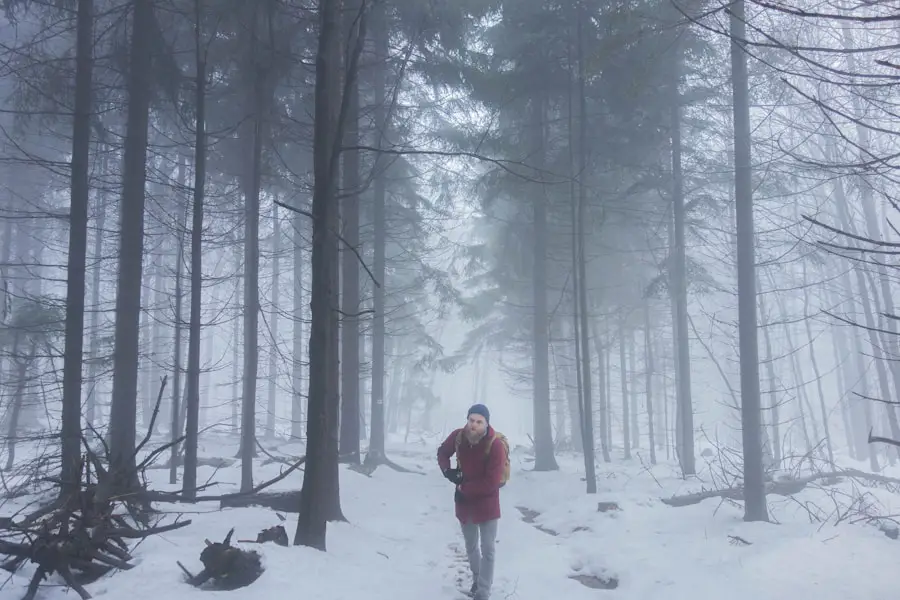
Hiking around 30°F means spending time just below the freezing point, where wind, sweat, wet snow, ice, and sudden weather changes can make a comfortable hike turn cold quickly. The best approach is not one oversized coat. It is a flexible clothing system that keeps moisture away from your skin, traps warmth, blocks wind and precipitation, and lets you remove layers before you overheat.
Quick Answer
For hiking in 30°F weather, wear a wool or synthetic base layer, an adjustable fleece or insulated midlayer, and a windproof, weather-resistant shell. Add hiking pants or thermal bottoms as needed, wool socks, suitable boots, gloves or mittens, and a warm hat. Carry extra insulation, traction, water, food, navigation, and emergency gear.
Note: This guide uses 30 degrees to mean 30°F, which is slightly below freezing. Hiking at 30°C is a hot-weather situation and requires completely different clothing.
Key Takeaways
- Use several adjustable layers instead of relying on one bulky winter coat.
- Choose wool or synthetic next-to-skin clothing and avoid becoming soaked with sweat.
- Waterproof or water-resistant footwear, wool or synthetic socks, gloves, and a warm hat protect exposed areas.
- On ice or packed snow, use appropriate traction devices; trekking poles provide additional balance but do not replace traction.
- Check the forecast and trail conditions, carry extra warm and dry clothing, and know the warning signs of hypothermia and frostbite.
30°F Hiking Outfit at a Glance
| Base Layer | Merino wool or moisture-wicking synthetic top; add base-layer bottoms if needed. |
| Insulating Layer | Fleece or another breathable insulating layer; carry extra insulation for breaks. |
| Outer Layer | Wind-resistant shell; use a waterproof shell when rain, wet snow, or sustained moisture is possible. |
| Feet | Wool or synthetic hiking socks plus footwear suited to the wetness, snow depth, temperature, and trail surface. |
| Hands & Head | Insulated gloves or mittens, warm hat, and optional neck gaiter or face covering. |
| Icy or Snowy Trails | Appropriate traction devices plus trekking poles when conditions call for them. |
Disclosure: As an Amazon Associate I earn from qualifying purchases. Some links on this page are affiliate links, at no extra cost to you.
How to Layer for Hiking in 30-Degree Weather
The basic cold-weather clothing system uses three jobs: move moisture away from your skin, retain useful body heat, and protect you from wind and precipitation. The OSHA Cold Stress Guide similarly recommends loose-fitting layers, including a wool or synthetic inner layer, an insulating middle layer, and an outer layer that protects from wind and rain while allowing ventilation.
Base Layer: Keep Moisture Away From Your Skin
Your first layer should sit next to the skin and manage perspiration. Merino wool and moisture-wicking synthetic fabrics are common choices. A fitted long-sleeve shirt or thermal top can provide light insulation without preventing sweat from moving away from the body.
Avoid relying on cotton as your primary cold-weather base layer. OSHA notes that cotton loses insulation value when wet, while wool and many synthetic materials retain more useful insulation in damp conditions.
Middle Layer: Add Adjustable Insulation
The middle layer supplies most of the adjustable warmth while you are moving. A fleece jacket is a practical choice because it is breathable and easy to vent. An insulated vest or jacket can add more warmth, although the amount of insulation you need depends on wind, precipitation, pace, elevation, and how warm or cold you naturally run.
Keep this layer easy to remove or unzip. If you begin sweating on a climb, vent or remove insulation before your clothing becomes soaked. Put the layer back on before a long stop or exposed descent.
Pro Tip: Start a cold hike feeling slightly cool rather than fully bundled and hot. Your body will produce substantially more heat after you begin climbing. Venting early helps keep your base layer drier.
Outer Layer: Block Wind, Rain, and Wet Snow
The shell is your weather barrier. In dry conditions, a wind-resistant shell may be enough. If rain, wet snow, or prolonged moisture is possible, use a waterproof and breathable shell. Membrane technologies such as GORE-TEX are engineered to provide waterproof, windproof, and breathable performance, but they are not the only suitable option.
Adjustable cuffs, a hem drawcord, and a well-fitting hood help reduce drafts. Ventilation zippers can be useful on steep climbs because even a breathable shell may trap more heat and moisture than you want during heavy exertion.
What Pants to Wear at 30°F
Your legs also need a system that matches the conditions. For an active hike in dry, calm weather, durable synthetic hiking pants may be enough for someone who runs warm. In colder wind or if you tend to get chilled easily, add wool or synthetic long underwear underneath.
For wet snow or rain, water-resistant or waterproof over-pants can protect the insulating layers below. Look for enough room to bend, climb, and step over obstacles without compressing your base layer.
Avoid automatically choosing the thickest insulated pants available. Too much insulation can make you sweat, and damp clothing can become a liability when you slow down.
Insulated Waterproof Boots for Cold and Wet Conditions
Waterproofing: A Key Feature
For snowy, slushy, or muddy trails, footwear that keeps external moisture out can make a major difference. Waterproof membranes such as GORE-TEX are one option. The goal is to keep snow and water away from your socks while still choosing footwear that is comfortable enough for the distance and terrain.
Wet footwear can accelerate heat loss and contribute to cold-related foot problems. Frostbite itself is a freezing injury, while other cold injuries can occur during prolonged exposure to wet and cold environments. CDC and NIOSH provide detailed guidance on cold stress and cold-related illness.
Insulation: Match It to the Hike
Insulated boots can add useful warmth, particularly during slower hikes, extended stops, or colder conditions. Synthetic insulation is common because it traps air while keeping bulk manageable.
However, more insulation is not automatically better. A high-output hiker may be more comfortable in moderately insulated or non-insulated waterproof footwear at 30°F, while someone moving slowly may need additional warmth.
Traction and Fit: Protect Warmth and Stability
A winter hiking boot should provide stable footing on the expected terrain. Brands such as Sorel and Columbia sell winter footwear, but compare individual models by fit, insulation, outsole design, waterproofing, and intended use rather than choosing by brand alone.
Leave enough room for your toes to move comfortably with your hiking socks. Do not compensate for cold weather by cramming very thick socks into a tight boot. Tight clothing or footwear can restrict circulation to the extremities, which is exactly what you want to avoid in the cold.
If snow is deep or slushy, gaiters can help keep snow from entering around the top of the boot. The National Park Service winter hiking checklist specifically includes waterproof boots and gaiters for snow and mud.
Thermal Gloves and Mittens to Protect Hands from the Cold
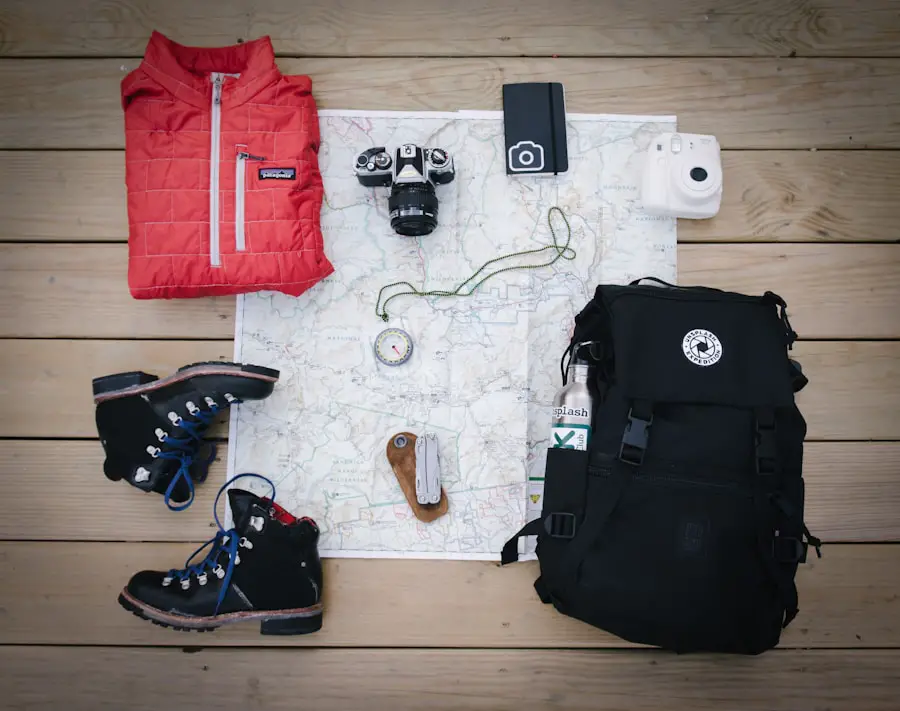
Hands can become uncomfortable quickly in cold wind, especially when you stop moving. Choose gloves or mittens that match both the temperature and the amount of dexterity you need.
Wool and synthetic materials can provide useful insulation, while weather-resistant outer fabrics help in snow or wet conditions. Gloves make it easier to adjust backpack straps, zippers, trekking poles, and electronics.
Mittens usually provide more warmth because the fingers share heat inside one compartment. The National Weather Service also notes that mittens are generally warmer than gloves. Removable liners can make drying and washing easier.
Features such as adjustable wrist straps or elastic cuffs can help keep snow out. Brands including The North Face and Outdoor Research offer options for different winter activities, and some gloves provide touchscreen-compatible fingertips.
Carry a spare dry pair on longer hikes. Gloves are small enough that losing or soaking a pair should not have to become an emergency.
Wool Socks for Warmth and Moisture Management
| Sock Choice | Best Use |
| Lightweight merino or wool-blend hiking sock | High-output hiking when your footwear already provides enough warmth. |
| Medium-cushion wool hiking sock | A versatile choice for many near-freezing day hikes. |
| Heavier winter sock | Colder, slower outings when the boot has enough internal room to avoid compressing the foot. |
Wool socks are a cold-weather staple because wool can provide insulation while managing moisture better than cotton. Merino wool is especially popular because its fine fibers are softer against the skin than many traditional wool fabrics.
Choose thickness according to your footwear and activity rather than assuming thicker is always warmer. A bulky sock squeezed into a tight boot can reduce comfort and circulation.
Smartwool, Darn Tough, and Icebreaker are examples of brands that make merino-wool or wool-blend hiking socks in multiple weights. Check the actual material blend, cushioning, fit, and intended temperature range of the specific sock.
Pro Tip: Put a spare pair of socks in a waterproof bag. Changing into dry socks can make a major comfort difference if your feet become wet from sweat, snow, or a stream crossing.
Insulated Water Bottle to Slow Freezing
Cold weather does not remove the need to drink water. An insulated bottle can slow heat transfer and help keep water from becoming icy as quickly, but no bottle can guarantee that water will remain liquid indefinitely in freezing conditions.
Double-wall vacuum-insulated bottles are useful because they slow temperature change. They can also carry warm drinks when the manufacturer says the container is suitable for hot liquids.
Choose a bottle with a lid you can operate while wearing gloves and an opening that is easy to clean. Stainless-steel bottles are popular because they are durable. Hydro Flask and Klean Kanteen are examples of companies that sell insulated containers in a range of sizes.
On colder trips, keep the bottle inside your pack rather than strapped to the outside where it is more exposed. Check it regularly instead of waiting until you are thirsty. Hydration-reservoir hoses and bite valves can freeze sooner because they hold small amounts of exposed water.
Windproof and Waterproof Jacket for Protection from the Elements
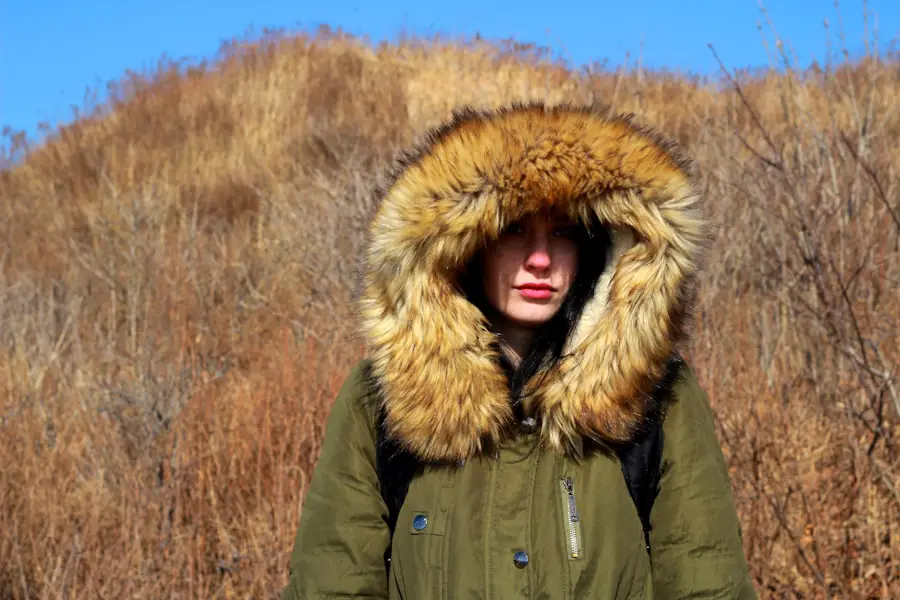
A protective shell can be one of the most important pieces of clothing in 30°F weather because wind and precipitation can increase heat loss and make damp layers much harder to manage.
For rain or wet snow, choose a jacket designed to keep external moisture out while allowing some moisture vapor to escape. Adjustable hoods, cuffs, and hems improve protection by limiting drafts.
Ventilation matters too. Pit zips or other vents make it easier to dump heat during steep climbs before your base and insulating layers become soaked with sweat.
Brands such as Patagonia and Arc’teryx make technical shells, but the brand name is less important than fit, weather protection, ventilation, durability, and suitability for the forecast.
Thermal Hat, Beanie, and Neck Protection
A hat is an easy way to reduce heat loss from exposed skin and protect your ears from cold wind. There is no universal percentage of body heat that everyone loses through the head; actual heat loss depends on what is exposed, what the rest of your body is wearing, the wind, and other environmental factors.
Fleece and wool are common hat materials because they provide insulation without much bulk. Merino-wool beanies also manage moisture well during active use.
Choose a design that fully covers your ears. A neck gaiter or buff can add protection around the neck and lower face when the wind increases. Columbia and The North Face are examples of brands that sell cold-weather hats in many weights and styles.
Traction for Icy or Snowy Trails
Winter hiking requires more than warm clothing. A short patch of hard ice can create a serious fall hazard even when the rest of the trail looks clear.
The National Park Service recommends over-the-shoe traction devices for walking on ice and snow. Select a traction system that matches the surface and the manufacturer’s intended use. Deep snow may require snowshoes rather than simple ice traction.
Warning: Trekking poles do not replace traction on an icy trail. Poles may improve balance, but your footwear still needs appropriate grip for the surface. Turn around if conditions exceed your equipment or experience.
Trekking Poles for Stability and Support on Icy or Snowy Terrain
Trekking poles can improve balance on uneven, icy, or snowy terrain and provide extra points of contact when climbing or descending. The National Park Service includes hiking poles among its winter hiking essentials for helping with footing on icy trails.
Adjustable poles let you modify the length for different terrain. Wider snow baskets can help prevent the poles from sinking deeply into soft snow.
Black Diamond and Leki are examples of companies that make trekking poles for hiking and winter travel. Choose poles according to strength, adjustment design, grip comfort, basket compatibility, and the terrain you expect to encounter.
Use poles together with suitable winter footwear and traction rather than treating them as an alternative to either one.
Check Wind Chill, Weather, and Trail Conditions Before You Go
Thirty degrees on a calm, dry afternoon can feel very different from the same air temperature during strong wind or wet snow. The National Weather Service wind-chill guidance explains that wind increases the rate at which exposed skin loses heat.
Check the hourly forecast as well as the daily high. Look at wind speed, precipitation, expected temperature changes, daylight, and trail-access conditions. On mountain routes, conditions at elevation may be substantially different from conditions at the trailhead.
The National Park Service also recommends checking current park safety information and avalanche forecasts where avalanche terrain is involved. Do not rely on a cell phone as your only navigation tool because service may be unavailable.
A successful winter-hiking plan includes enough clothing and equipment not only for the hike you expect, but also for an unexpected delay, weather change, or injury.
What Else to Carry on a 30°F Hike
Warm clothing is only part of winter preparedness. For a typical cold-weather day hike, consider carrying:
- Extra insulating layer for stops or emergencies
- Spare dry gloves and socks
- Water and calorie-dense snacks
- Map and compass or another reliable navigation system
- First-aid supplies
- Headlamp, especially when daylight is limited
- Whistle or another emergency signaling method
- Sun protection, including sunglasses and sunscreen
- Traction devices when snow or ice may be present
- Emergency shelter appropriate to the trip
The National Park Service’s winter hiking guidance specifically emphasizes water, food, first aid, navigation, appropriate footwear, traction, poles, signaling equipment, waterproof and warm clothing, and an extra set of dry clothes.
Know the Signs of Hypothermia and Frostbite
Cold-related illness is possible even on a trip that does not feel extreme, especially when a person becomes wet, exhausted, injured, or exposed longer than expected. CDC/NIOSH notes that even near-freezing conditions can contribute to cold stress in environments where people are not accustomed to the cold.
Possible Hypothermia Warning Signs
According to the CDC, warning signs in adults include shivering, exhaustion, confusion, fumbling hands, memory loss, slurred speech, and drowsiness.
Do not simply tell a confused or badly chilled hiker to push onward. Hypothermia is a medical emergency. Get the person out of the cold and seek appropriate medical help.
Possible Frostbite Warning Signs
CDC frostbite guidance lists white or grayish-yellow skin, unusually firm or waxy skin, and numbness among warning signs. Fingers, toes, ears, cheeks, chin, and the nose are common areas of concern.
Warning: If someone becomes confused, unusually clumsy, extremely tired, or develops other signs of hypothermia, treat the situation seriously and seek medical help. For suspected frostbite, protect the affected area and follow current medical guidance rather than rubbing or repeatedly exposing it to cold.
Adjust Your Clothing While You Hike
No single outfit is perfect for every hiker at 30°F. Your pace, wind exposure, body size, fitness, pack weight, elevation, sunshine, and personal cold tolerance all affect what feels comfortable.
Pay attention during the first part of the hike. If your back or chest is becoming sweaty, open vents or remove a layer. If your fingers, toes, or core stay cold after you have been moving, add protection before the problem becomes worse.
When you stop for lunch, photography, navigation, or a long break, put on your extra insulating layer before you become chilled. Remove it again when sustained climbing starts if necessary.
Always be willing to turn around. Weather, snow, ice, daylight, or a wet clothing system can change the risk of a hike faster than the air-temperature number suggests.
If you’re planning a hiking trip in 30-degree weather, you may also want to consider reading an article about traveling to Niagara Falls with passport-free access. This article discusses the convenience of visiting this iconic destination without the need for a passport, making it easier for travelers to explore the natural beauty of the falls. Check out the article here for more information on this travel option.
Frequently Asked Questions
What should I wear for hiking in 30-degree weather?
Wear an adjustable system: a wool or synthetic base layer, a fleece or other insulating layer, and a wind-resistant shell. Add thermal bottoms when necessary, hiking pants, wool or synthetic socks, weather-appropriate footwear, gloves or mittens, and a hat that covers your ears.
What type of base layer is best for hiking in 30-degree weather?
Merino wool and moisture-wicking synthetic fabrics are good choices. The base layer should manage sweat and fit comfortably beneath the other layers without restricting movement.
What kind of insulating layer should I wear for hiking in 30-degree weather?
A fleece jacket is a versatile active layer. A lightweight insulated jacket or vest can provide additional warmth, especially during rest stops. Choose the amount of insulation based on wind, precipitation, pace, and your personal cold tolerance.
What type of outer layer is suitable for hiking in 30-degree weather?
Use an outer layer that blocks the expected weather. A wind-resistant shell can work in dry conditions, while a waterproof, breathable shell is more suitable when rain, wet snow, or prolonged moisture is likely. Ventilation features help control overheating.
What kind of pants are recommended for hiking in 30-degree weather?
Synthetic hiking pants work for many active hikers around 30°F. Add wool or synthetic base-layer bottoms if you run cold or expect wind, and carry waterproof over-pants when wet snow or rain is possible.
What type of footwear is best for hiking in 30-degree weather?
Choose hiking footwear that matches the snow, moisture, temperature, and terrain. Waterproof boots are useful for slush and wet snow, while insulation needs vary. Pair the footwear with wool or synthetic hiking socks and make sure the fit does not restrict your toes.
What accessories should I bring for hiking in 30-degree weather?
Bring a warm hat, gloves or mittens, and optionally a neck gaiter. Sunglasses and sunscreen remain useful in winter, especially around reflective snow. Also carry extra dry layers, food, water, navigation, a headlamp, first aid, and appropriate emergency gear.
Do I need traction devices at 30°F?
The temperature alone does not determine the answer. If the trail has ice or packed snow, an appropriate over-the-shoe traction device can greatly improve footing. Check trail conditions before leaving and use equipment designed for the surface you expect.
Does wind chill matter when hiking around 30°F?
Yes. Wind increases heat loss from exposed skin and can make conditions feel much colder. Check wind speed and the National Weather Service wind-chill information rather than planning from the air temperature alone.
Sources
- U.S. National Park Service — Winter Hiking Tips — winter hiking equipment, traction, navigation, clothing, water, food, and preparedness.
- Occupational Safety and Health Administration — Cold Stress Guide — layering, fabric choice, waterproof footwear, gloves, and cold-weather clothing.
- CDC/NIOSH — Cold and Work: Types, Causes, Preparation — cold stress and cold-related illness.
- CDC — Preventing Frostbite — frostbite warning signs and response.
- National Weather Service — Understanding Wind Chill — wind chill and exposure risk.
- GORE-TEX — Membrane Technology — manufacturer information on waterproof, windproof, and breathable membrane performance.

