

Last Updated on September 10, 2026 by Daniel Globe
The best hiking outfit is not one specific set of clothes. It is a system you can adjust to the trail, temperature, weather, and length of your hike. Comfortable footwear, quick-drying clothing, a few useful layers, and protection from sun, wind, rain, and cold will keep most hikers more comfortable and better prepared when conditions change.
Quick Answer
Wear comfortable hiking shoes or boots with good traction, moisture-managing socks, quick-drying pants or shorts, and a synthetic or wool shirt. Carry an insulating layer and rain shell when conditions may change. Add a sun hat, sunglasses, sunscreen, and extra clothing appropriate for the coldest weather you could reasonably encounter.
Key Takeaways
- Choose footwear for the terrain, pack weight, and your feet rather than assuming every hike requires a heavy boot.
- Use a simple layering system: a moisture-managing base layer, insulation when needed, and a weather-resistant outer shell.
- Synthetic fabrics and wool generally manage moisture better than cotton, especially when cool or wet conditions are possible.
- Carry the Ten Essentials, including navigation, illumination, first aid, extra food, water, weather protection, and emergency shelter.
- Protect exposed skin and eyes from UV radiation, and prepare for insects, changing weather, and unexpected delays.
Disclosure: As an Amazon Associate I earn from qualifying purchases. Some links on this page are affiliate links, at no extra cost to you.
Choosing the Right Hiking Footwear
Selecting hiking footwear starts with the terrain rather than the label on the shoe. A rocky, muddy, steep, or off-trail route may justify a more protective hiking shoe or boot with a durable outsole and deeper tread. A maintained trail may be comfortable in a lighter hiking shoe or trail runner.
Supportive boots can be especially useful when the ground is uneven, you are carrying a heavier backpack, or you want more protection around the ankle. The National Park Service recommends rugged, supportive footwear for some off-trail terrain, while lighter footwear can work well on less demanding trails.
The most important feature is fit. Your heel should feel secure without excessive slipping, while your toes need enough room to move without striking the front of the shoe on descents. Try hiking footwear with the socks you intend to use. Walk on an incline if the store has one, and pay attention to heel movement, pressure points, and toe contact.
Pro Tip: Test new footwear on several shorter walks before committing to a long hike. Breaking in a shoe can soften materials, but it will not correct a fundamentally poor fit.
Hiking Boots vs. Hiking Shoes vs. Trail Runners
- Hiking boots: A useful choice for rugged terrain, colder conditions, rough vegetation, or heavier backpacking loads.
- Low hiking shoes: A middle-ground option that offers trail-specific traction and protection without the weight of a traditional boot.
- Trail runners: Light, flexible, and popular for maintained trails and hikers who value agility and fast drying.
Waterproof footwear can be helpful in cold rain, snow, mud, or shallow wet conditions, but waterproof membranes can also feel warmer and may dry slowly if water enters from the top. In warm conditions, some hikers prefer breathable non-waterproof shoes that drain and dry faster.
What Clothing Should You Wear Hiking?
A basic hiking outfit should allow you to move freely, handle sweat, and adapt to changing conditions. You do not need an expensive technical wardrobe for an easy local hike, but choosing the right fabrics and bringing an extra layer can make a noticeable difference.
- Shirt: A synthetic or wool short-sleeve shirt, long-sleeve shirt, or sun hoodie depending on the weather.
- Pants or shorts: Lightweight, flexible, quick-drying bottoms that do not restrict climbing or stepping over obstacles.
- Underwear: Comfortable synthetic or wool underwear that manages moisture and reduces friction.
- Socks: Hiking socks made from wool or synthetic blends rather than thick moisture-holding cotton.
- Mid layer: A fleece, synthetic insulated jacket, or other warm layer when temperatures may fall.
- Outer layer: A rain shell or wind-resistant shell appropriate for the forecast.
- Accessories: A sun hat, sunglasses, gloves, warm hat, or neck gaiter as conditions require.
Layering for Comfort and Protection
Layering allows you to change your clothing as your effort level and the weather change. Instead of wearing one bulky garment, combine several layers that perform different jobs.
Base Layer
The base layer sits against your skin and should manage perspiration. Lightweight polyester, nylon blends, and merino wool are common choices. A base layer does not need to feel heavily insulated in mild weather; its main purpose is helping moisture move away from the skin and dry efficiently.
Insulating Layer
The insulating layer helps retain body heat. Fleece is versatile because it remains useful during active hiking and tolerates damp conditions well. Synthetic insulated jackets and down jackets provide more warmth for their weight, although down needs more protection from prolonged moisture.
Outer Layer
The outer layer protects you from wind, rain, or snow. A waterproof rain jacket is useful when steady precipitation is possible. Waterproof/breathable shells can reduce rain penetration while allowing some moisture vapor to escape, but no shell eliminates sweating during strenuous exercise.
The National Park Service uses this same general approach in variable climates: a moisture-managing base layer, an insulating middle layer, and a waterproof shell for changing conditions.
The Best Fabrics for Hiking Clothing
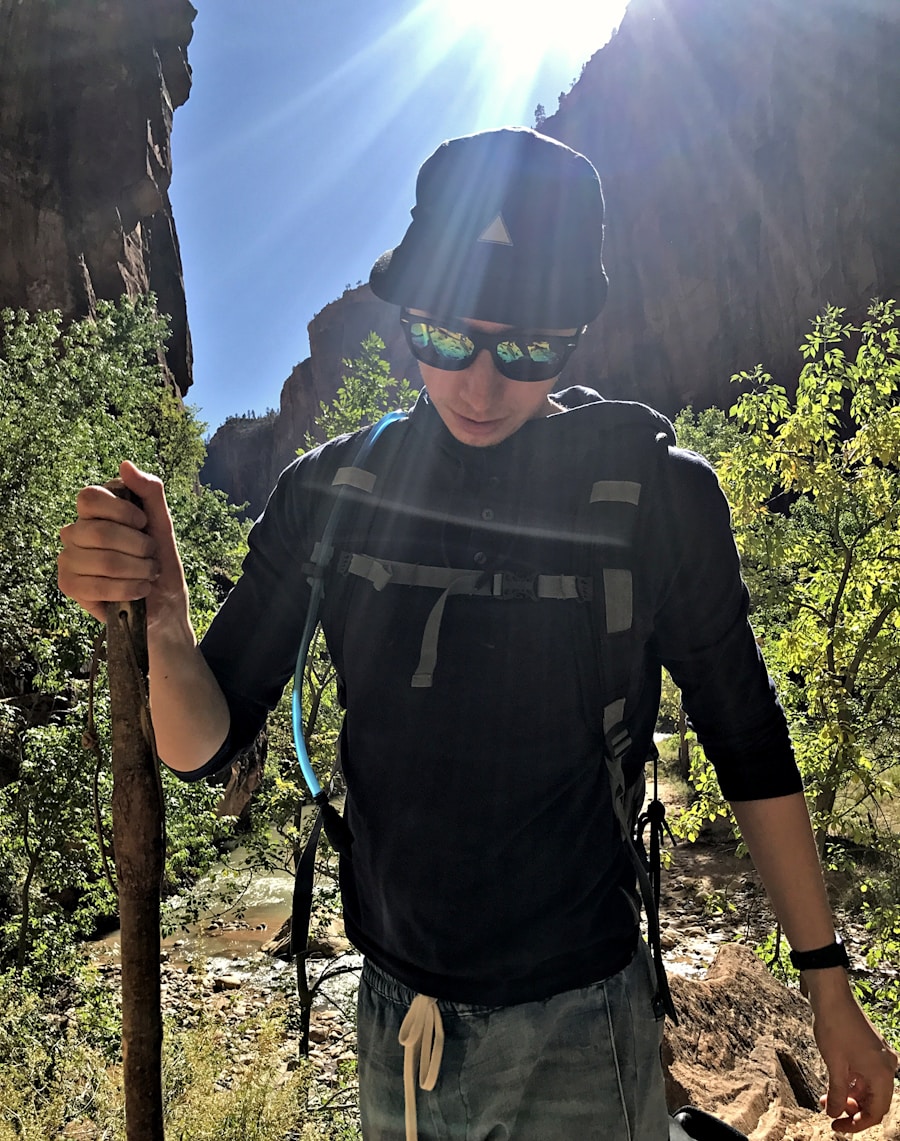
Fabric affects how quickly clothing dries, how it feels when you sweat, and how well it continues to insulate when conditions turn cool.
Synthetic Fabrics
Polyester and nylon are widely used in hiking clothing because they can be lightweight, durable, and quick drying. They work especially well for shirts, underwear, hiking pants, shorts, fleece, and many outer layers.
Merino Wool
Merino wool is popular in hiking socks and base layers because it manages moisture well, provides insulation, and tends to retain less odor than many untreated synthetic fabrics. It can be comfortable across a broad temperature range, though it is often more expensive than polyester.
What About Cotton?
Cotton is comfortable for ordinary daily wear, but it absorbs moisture and dries slowly. That becomes a bigger problem when temperatures fall because wet cotton provides poor insulation. The U.S. Occupational Safety and Health Administration specifically recommends wool, silk, or synthetic inner layers for cold environments and notes that cotton loses insulating value when wet.
Note: Cotton is not automatically dangerous on every short, hot-weather walk. The main concern is relying on moisture-soaked cotton when cool, windy, wet, or rapidly changing conditions could leave you chilled.
What to Wear in Different Hiking Conditions
Hot and Sunny Weather
Choose lightweight, breathable clothing that covers as much skin as practical without causing overheating. A lightweight long-sleeve sun shirt or sun hoodie can reduce direct UV exposure. Pair it with a breathable hat, sunglasses, and sunscreen on uncovered skin.
Lightweight hiking pants can also protect against sun, brush, and insects. Shorts may feel cooler, but they expose more skin to sun, vegetation, scratches, and biting insects.
Rainy or Windy Weather
Carry a waterproof shell when steady rain is possible. In prolonged wet conditions, rain pants can help keep your lower body dry. A brimmed cap underneath the hood can help keep rain off your face.
Avoid overdressing under the shell. If you become soaked with sweat from the inside, the benefit of keeping rain out decreases. Open ventilation zippers or remove an insulating layer when you begin overheating.
Cold and Winter Hiking
Cold-weather hiking requires more insulation and a larger safety margin. Start with a moisture-managing layer, add fleece or another insulating layer, and carry a windproof or waterproof shell. Bring warm gloves, a hat, and extra dry socks. In snow or icy conditions, insulated or waterproof footwear and appropriate traction devices may also be necessary.
The National Park Service recommends layers, warm outer clothing, sun protection, adequate water and food, and traction appropriate for snow and ice on winter hikes.
Warning: Clothing cannot make severe weather safe. Check the forecast before leaving. If you hear thunder, leave exposed ridges, summits, and open terrain and seek a substantial enclosed building or hard-topped vehicle when one is accessible. A tent, picnic shelter, or isolated tree is not safe lightning shelter.
Tick and Mosquito Country
In grassy, brushy, or wooded areas where ticks or mosquitoes are common, long sleeves and long pants can reduce exposed skin. The CDC also recommends EPA-registered insect repellents and, when appropriate, clothing or gear treated with 0.5% permethrin. Permethrin is for clothing and gear, not direct application to skin.
Packing Essentials: What to Bring on Your Hike
Clothing is only one part of hiking preparation. The National Park Service recommends the Ten Essentials as a basic system for dealing with minor injuries, weather changes, navigation problems, or an unexpected delay.
| Essential | What to Carry |
| Navigation | Route map, compass, GPS or downloaded map, plus a physical backup when appropriate |
| Sun protection | Sunscreen, sunglasses, hat, and protective clothing |
| Insulation | Extra layer, rain shell, hat, gloves, or other clothing suitable for expected extremes |
| Illumination | Headlamp or flashlight with sufficient battery power |
| First aid | Bandages, blister care, wound-cleaning supplies, needed medications, and other trip-appropriate items |
| Fire | Emergency fire-starting supplies where permitted and appropriate |
| Repair kit and tools | Knife or multi-tool, tape, and small repair supplies appropriate for your equipment |
| Food | Trail food plus extra food for an unexpected delay |
| Hydration | Enough water for the route and conditions, plus treatment capability when relying on natural sources |
| Emergency shelter | Emergency bivy, space blanket, tarp, or another route-appropriate shelter |
How Much Water Should You Bring?
There is no single water quantity that fits every hike. As one practical baseline, Great Smoky Mountains National Park currently advises at least 1 liter for every two hours of hiking. Hot weather, direct sun, high exertion, altitude, long exposed routes, and a lack of reliable water sources can increase your needs.
Drink regularly rather than waiting until you are extremely thirsty. Research your route before leaving so you know whether water is available and whether it must be treated.
For food, pack portable items such as trail mix, energy bars, dried fruit, nut butter, jerky, sandwiches, or wraps. Longer hikes require more energy, and carrying some extra food gives you a buffer if the outing lasts longer than planned.
Sun Protection and Hiking Accessories
UV exposure matters even when the weather feels cool. The CDC notes that ultraviolet radiation can reach you on cloudy days and can reflect from surfaces such as water, sand, and snow.
For hiking, choose a broad-spectrum sunscreen with SPF 30 or higher, apply it to exposed skin before prolonged sun exposure, and reapply at least every two hours. Reapply sooner after heavy sweating, swimming, or toweling off.
A wide-brimmed hat provides more coverage than a small cap, while lightweight long sleeves and pants reduce exposed skin. Choose sunglasses that block both UVA and UVB radiation; wraparound styles can reduce UV entering from the sides.
Sun protection works best as a combination of clothing, shade, sunglasses, and sunscreen rather than relying on sunscreen alone.
Considerations for Different Types of Hiking
Day Hiking
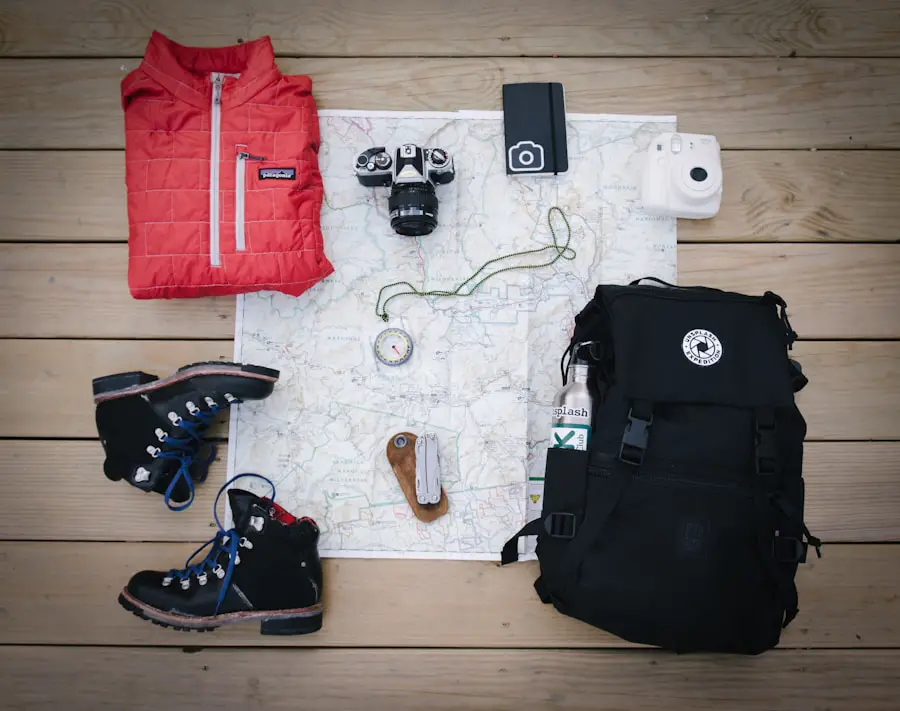
A short day hike usually requires less clothing and equipment than an overnight trip, but weather and emergencies do not follow your schedule. Carry the core Ten Essentials, including navigation, water, food, a headlamp, first aid, weather protection, and emergency supplies appropriate for the area.
Backpacking and Multi-Day Hiking
Backpacking places more importance on weight, drying time, and clothing that can serve more than one purpose. A typical system may include one hiking outfit, spare socks and underwear, a warm layer, rain protection, and a dry layer reserved for camp or sleeping. Exact needs depend on the climate and trip length.
Navigating Remote Areas
Backcountry and off-trail hiking require stronger navigation skills and greater self-sufficiency. Carry a map and compass or dedicated GPS and know how to use them. A phone can be useful, but battery failure, damage, and lack of service can make it unreliable as your only navigation system.
Research local wildlife, water availability, trail conditions, seasonal hazards, and any required equipment before departure. Tell someone your planned route and expected return time.
Urban Hiking: Comfort and Accessibility
Urban hikes generally require less rugged gear. Comfortable walking shoes, breathable clothing, water, sun protection, and a weather layer may be enough. Even in a city, consider visibility, traffic, heat, and how far you will be from transportation or shelter.
Dressing for Variable Weather Conditions
Check the forecast before leaving, but pack for reasonable changes rather than only the conditions at the trailhead. Elevation, wind, shade, storms, and sunset can change how warm or cold you feel surprisingly quickly.
A versatile mild-weather setup might include a quick-drying shirt, hiking pants or shorts, an insulating layer, and a lightweight waterproof shell in your pack. In colder weather, add warmer insulation, gloves, a hat, and dry backup layers.
If thunderstorms are possible, pay attention to timing as well as clothing. The National Weather Service advises reducing outdoor exposure when thunderstorms are forecast and leaving high or exposed terrain when thunder is heard.
Tips for Maintaining Comfort and Mobility on the Trail
Use Hiking Socks That Manage Moisture
Socks help cushion the foot and manage friction inside the shoe. Wool and synthetic hiking socks generally dry faster and perform better when damp than thick cotton socks. Match sock thickness to the amount of space inside your footwear; a sock that makes the shoe too tight can create new pressure points.
Address Hot Spots Before They Become Blisters
Do not ignore rubbing, burning, or a tender spot on your foot. Stop early, adjust the sock or lacing, remove debris from the shoe, and use appropriate blister protection before the skin becomes badly damaged.
Adjust Layers Before You Overheat
Remove a layer or open ventilation before sweat saturates your clothing. Add insulation again during breaks, on windy ridges, or when temperatures fall. This simple habit can improve comfort and reduce the amount of moisture trapped in your clothing.
Keep Water Accessible
Carry bottles or a hydration reservoir where you can reach them easily. Drinking small amounts regularly is often more practical than waiting for long stops.
Take Useful Breaks
Short rests allow you to eat, drink, adjust clothing, inspect your feet, review your location, and reassess the weather. A break is especially useful before a long climb, descent, or exposed section.
If you’re planning a hiking trip this spring, socks are one of the easiest pieces of clothing to upgrade. Merino wool blends can provide comfortable cushioning, moisture management, and good odor control during longer outings. For a closer look, see this guide to merino wool travel socks.
Love travel? Join Our Facebook Community For More Tips.
Frequently Asked Questions
What should I wear for hiking?
Wear comfortable trail footwear, moisture-managing socks, flexible quick-drying pants or shorts, and a synthetic or wool shirt. Carry an insulating layer and rain shell when weather may change, plus sun protection appropriate for the conditions.
What materials are best for hiking clothing?
Polyester, nylon, wool, and blends of these materials are common choices because they can manage moisture and dry relatively quickly. Fleece works well as an insulating layer, while a weather-resistant shell helps protect against wind and rain.
What should I avoid wearing when hiking?
Avoid poorly fitting footwear, restrictive clothing, and garments that become dangerously cold when soaked. Heavy cotton and denim are poor choices when cool, wet, or rapidly changing weather is possible because they absorb water and dry slowly.
Do I need sunscreen and a hat when hiking?
Sun protection is recommended when UV exposure is significant. Use broad-spectrum SPF 30 or higher on exposed skin, reapply regularly, and combine sunscreen with protective clothing, a brimmed hat, shade when available, and sunglasses that block UVA and UVB radiation.
Should I bring extra clothing when hiking?
Yes. The National Park Service recommends extra insulation as part of the Ten Essentials. What you carry should reflect the most severe reasonable conditions for the route, which may mean a rain shell, warm layer, hat, gloves, or spare dry socks.
Are hiking boots better than trail runners?
Neither is best for every hiker. Boots provide more protection and can be useful on rough terrain or with heavier loads. Trail runners are lighter and often dry faster. Choose according to terrain, traction, weather, pack weight, and which option fits your feet comfortably.
What should I wear hiking in the rain?
Wear quick-drying base clothing and carry a waterproof rain shell. Rain pants may help during prolonged precipitation or cold conditions. Avoid adding so much insulation underneath that you become soaked with sweat, and keep a dry layer protected inside your pack.
Sources
- U.S. National Park Service — Ten Essentials — navigation, extra clothing, emergency equipment, food, hydration, and shelter guidance.
- Great Smoky Mountains National Park — Hiking — current hiking preparation and water-planning guidance.
- CDC — Reducing Risk for Skin Cancer — sun-protective clothing, sunglasses, sunscreen, and UV guidance.
- CDC — Preventing Tick Bites — clothing and permethrin-treated gear guidance.
- National Weather Service — Lightning Safety — thunderstorm and outdoor lightning precautions.
- OSHA — Cold Stress Guide — layering and wet-cotton guidance for cold conditions.
