
Last Updated on August 26, 2026 by Daniel Globe
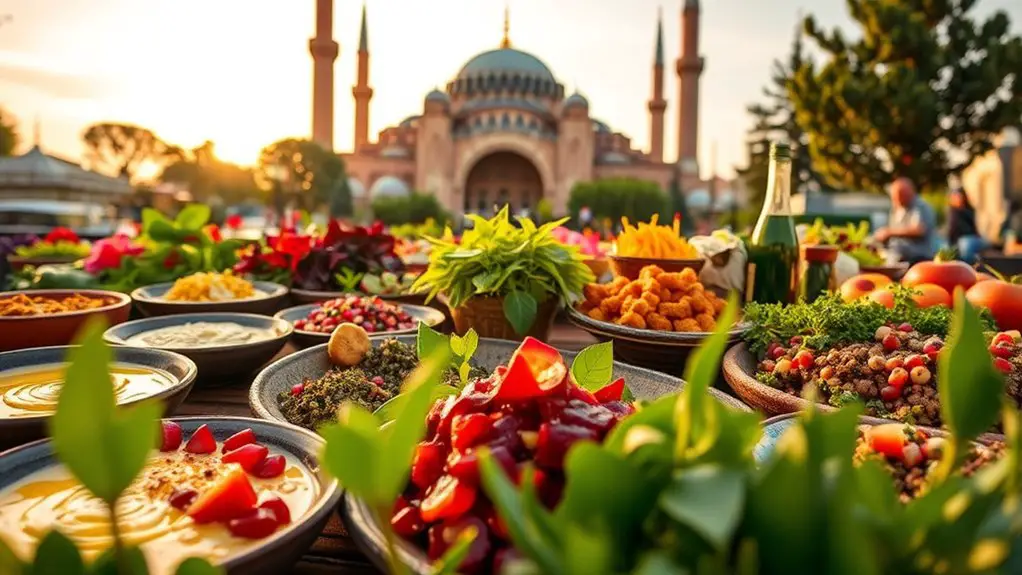
Istanbul is one of the most exciting culinary destinations in the world for plant-based travelers, effortlessly combining centuries-old Mediterranean traditions with a modern vegan dining movement. While Turkey is renowned for its grilled meats, authentic Turkish cuisine includes an entire category of naturally vegan, cold-pressed olive oil dishes called zeytinyağlılar. From vibrant street food stalls serving walnut-and-bulgur çiğ köfte to innovative plant-based bistros across Kadıköy and Cihangir, dining vegan in Istanbul is both accessible and deeply rewarding.
Quick Answer
Istanbul is exceptionally vegan-friendly. Travelers can rely on centuries-old traditional zeytinyağlılar (cold olive oil vegetable dishes), 100% plant-based street-side çiğ köfte, fresh simit, and a dense concentration of fully vegan restaurants located in neighborhood hubs like Kadıköy (Moda) on the Asian side and Cihangir (Beyoğlu) on the European side.
Key Takeaways
- Naturally Vegan Heritage: Traditional Turkish zeytinyağlılar (olive oil dishes) like braised artichokes, stuffed vine leaves, and lentil patties require no recipe modification.
- Prime Vegan Neighborhoods: Kadıköy (Moda and Yeldeğirmeni) on the Asian shore and Beyoğlu (Cihangir and Galata) on the European shore are Istanbul’s primary plant-based epicenters.
- Certified Street Food: Commercial çiğ köfte is legally mandated to be 100% meatless in Turkey, offering a fast, high-protein, plant-based meal on every street corner.
- Hidden Non-Vegan Ingredients: Always ask whether rice pilaf contains butter (tereyağı) or meat stock (et suyu), and ensure traditional sweets are not prepared with clarified butter (sade yağ).
- Specialized Retail & Dining: Specialty grocers like VeganDükkan in Cihangir provide plant-based pantry staples, vegan cheeses, and cruelty-free hygiene goods.
Disclosure: As an Amazon Associate I earn from qualifying purchases. Some links on this page are affiliate links, at no extra cost to you.
Exploring Traditional Turkish Vegan Dishes
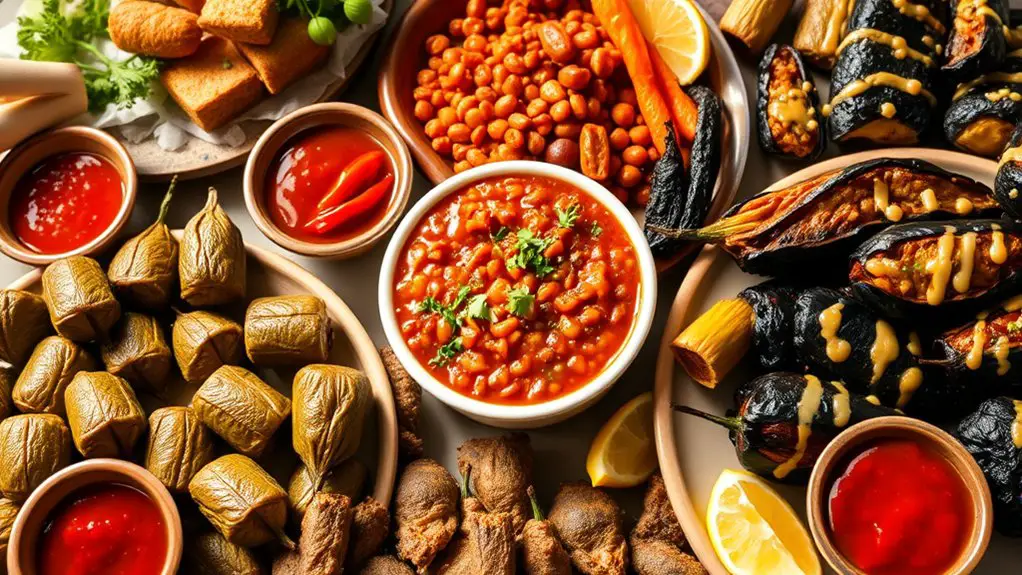
Traditional Turkish gastronomy offers a profound advantage for plant-based travelers: an entire historic culinary tradition rooted in seasonal vegetables, legumes, herbs, and Aegean extra-virgin olive oil. Rather than needing specialized plant-based substitutions, you can order directly from traditional menus at local esnaf lokantası (tradesmen canteens) across the city, as recognized by the GoTürkiye Official Tourism Portal.
The centerpiece of Turkish plant-based cuisine is the category known as Zeytinyağlılar (olive oil dishes). Historically prepared during Ottoman times to preserve harvest produce, these dishes are simmered slowly in olive oil, garlic, lemon, and fresh herbs, then served cold or at room temperature:
- Zeytinyağlı Yaprak Sarma (Dolma): Grape leaves delicately rolled around a fragrant filling of short-grain rice, toasted pine nuts, sweet currants, fresh mint, dill, and allspice.
- İmam Bayıldı: Tender eggplants stuffed with caramelized onions, garlic, and ripe tomatoes, braised gently in generous amounts of olive oil.
- Zeytinyağlı Enginar: Whole artichoke hearts braised in citrus broth and topped with a garden medley of green peas, diced carrots, and fresh dill.
- Barbunya Pilaki: Plump cranberry beans stewed with sweet onions, carrots, garlic, and tomato sauce, finished with cold-pressed olive oil and lemon juice.
- Mercimek Köftesi: Wholesome patties crafted from red lentils, fine bulgur, tomato paste, scallions, parsley, and sumac, wrapped in crisp lettuce leaves.
Pro Tip: When visiting a traditional esnaf lokantası (buffet-style canteen), head straight to the cold glass display counter. Point to any of the vegetable dishes labeled zeytinyağlı; they are almost universally 100% plant-based and made without animal fats.
“Turkish olive-oil cooking (Zeytinyağlılar) represents one of the world’s oldest naturally plant-based culinary traditions, pairing regional vegetables with Aegean extra-virgin olive oil and fragrant wild herbs.”
Complementing these mains are regional cold mezes, including roasted eggplant dip (şakşuka and patlıcan ezmesi), spicy walnut-pepper paste (muhammara or acuka), and fresh herb salads (gavurdağı salatası).
Must-Try Vegan Restaurants in Istanbul
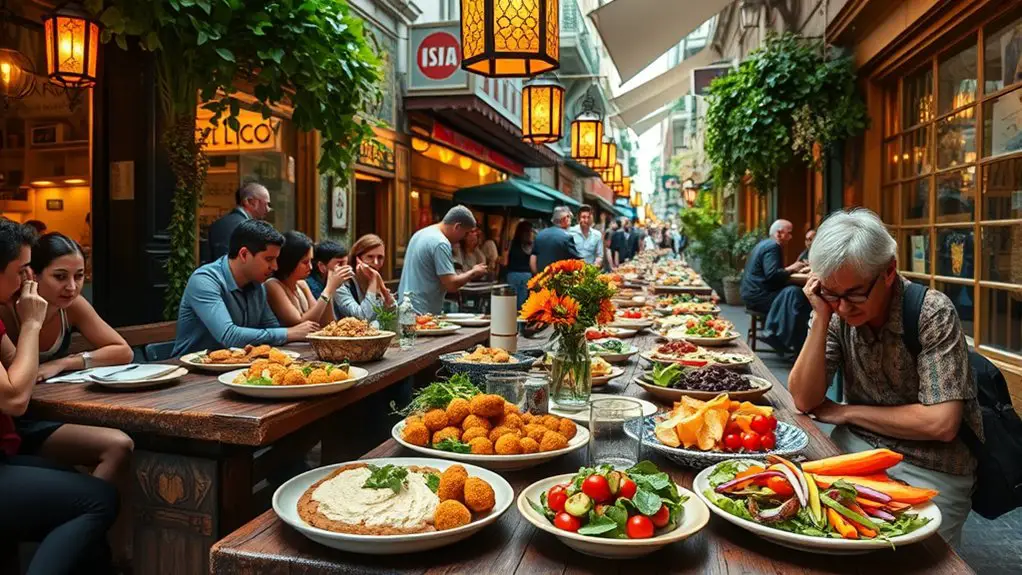
Beyond traditional culinary canteens, Istanbul is home to a rapidly growing wave of creative, 100% plant-based restaurants cataloged extensively on international databases like HappyCow’s Istanbul Vegan Guide. The scene is largely centered in two distinct creative quarters: Kadıköy on the Asian shore and Beyoğlu / Beşiktaş on the European shore.
Here are several essential, verified fully vegan restaurants across the city:
- Vegan Istanbul (Cihangir, European Side): A cozy, community-driven restaurant featuring an ever-changing hot buffet of home-style Turkish classics made entirely plant-based. Expect veganized karnıyarık (stuffed eggplant with soy mince), vegan lahmacun, rich lentil stews, and traditional dairy-free puddings.
- Bi Nevi Deli (Etiler, European Side): A pioneer in Istanbul’s plant-based fine-casual space. Bi Nevi Deli specializes in wholesome, organic bowls, house-made cashew cheeses, raw desserts, artisan sourdough toasts, and globally inspired comfort bowls.
- YUZU Moda (Kadıköy, Asian Side): Situated in the heart of trendy Moda, YUZU is Istanbul’s premier 100% vegan Asian fusion restaurant, serving plant-based sushi rolls, crispy bao buns, noodle bowls, and rich ramen broths.
- Mahatma Cafe (Yeldeğirmeni, Kadıköy): A colorful, bohemian eatery serving hearty, vibrant Mediterranean and Middle Eastern dishes made without artificial additives or processed ingredients, renowned for its daily vegan soups, olive oil platters, and wholesome breakfast plates.
- Community Kitchen (Beyoğlu, European Side): Famous for veganizing Turkey’s most iconic meat dishes. This is the spot to sample vegan iskender kebap crafted from seasoned seitan, served over toasted pita and drenched in rich tomato sauce and house-made cashew yogurt.
Note: Istanbul’s public ferries connect the European hubs (Karaköy, Eminönü, Beşiktaş) to the Asian vegan hub of Kadıköy in roughly 20 minutes, making cross-continental culinary trips easy and scenic.
Trendy Cafes and Juice Bars
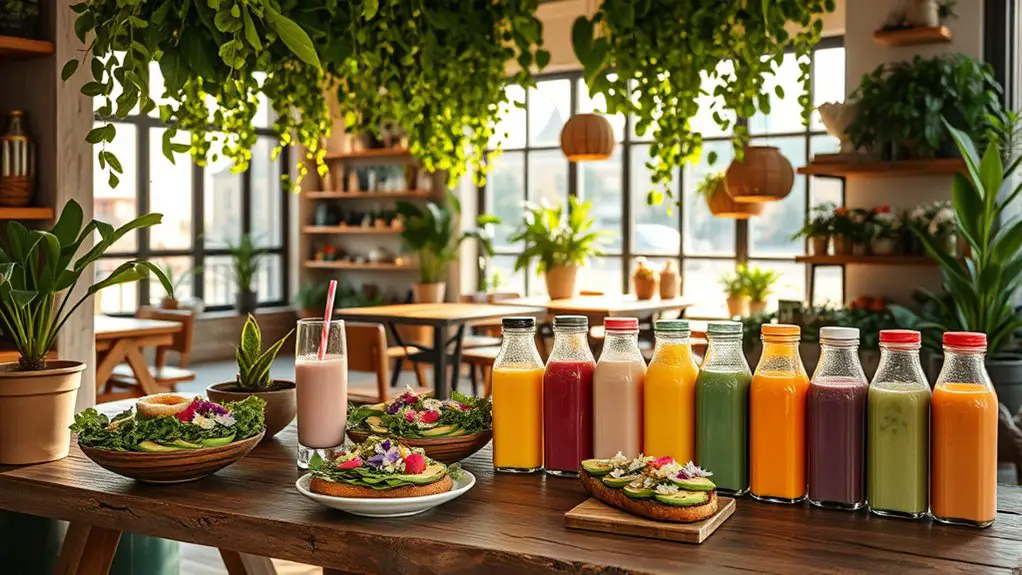
Istanbul’s third-wave coffee revolution is deeply integrated with plant-based living. Whether you are strolling the cobblestone lanes of Karaköy, exploring the vintage boutiques of Moda, or relaxing in Nişantaşı, high-grade specialty coffee shops readily provide plant-based milk alternatives including oat milk (yulaf sütü), soy milk (soya sütü), and almond milk (badem sütü).
Many independent coffee shops and dedicated juice bars also provide plant-based pastries, gluten-free vegan cookies, and nutrient-dense smoothie bowls:
- Moda & Yeldeğirmeni Specialty Cafes: Coffee roasteries in Kadıköy routinely stock oat milk and display clearly labeled vegan banana breads, raw date truffles, and chia puddings.
- Cold-Pressed Juice Bars: Outlets such as Juitox and local organic juice stands in Şişli and Beyoğlu offer cold-pressed green juices packed with ginger, wheatgrass, kale, and local pomegranate.
- Specialty Tea Salons: Traditional Turkish black tea (çay) and Turkish herbal infusions (such as adaçayı / sage tea and ıhlamur / linden tea) are naturally vegan and served in tulip-shaped glasses across every cafe.
Street Food Delights for Plant-Based Eaters
Contrary to common misconceptions, Istanbul’s street food landscape is one of the most vegan-friendly in Europe. You can easily assemble a satisfying, plant-based street feast for just a few dollars while navigating the city’s landmarks.
- Çiğ Köfte Dürüm (Essential Street Food): Under Turkish food safety regulations established in 2008, commercial street-side çiğ köfte is strictly prohibited from containing raw meat. Instead, it is made from fine bulgur, ground walnuts, tomato paste, pomegranate molasses (nar ekşisi), and smoky isot peppers. Order it wrapped in thin lavash bread with crisp lettuce, fresh mint, and lemon juice at ubiquitous chains like Oses or Komagene.
- Simit: Istanbul’s iconic circular bread encrusted in toasted sesame seeds. Authentic simit is dipped in diluted grape molasses (pekmez) before baking, giving it a characteristic dark, crunchy crust and soft interior without dairy or egg washes.
- Kestane & Mısır: Street carts across Sultanahmet, Eminönü, and Taksim Square roast fresh chestnuts (kestane) over open charcoal grills alongside boiled or grilled sweet corn on the cob (mısır), seasoned simply with salt.
- Stuffed Artichokes and Vine Leaves on the Go: Street vendors in traditional markets often sell freshly packed boxes of cold stuffed grape leaves (yaprak sarma) with fresh lemon wedges for a quick walking lunch.
Warning: While street-cart simit is vegan, avoid stuffed versions sold in bakeries that include processed cheese (kaşar) or nutella spreads. Always request plain simit (sade simit).
Vegan-Friendly Markets and Grocery Stores
For long-term travelers, self-catering tourists, or those staying in rental apartments with kitchen facilities, Istanbul provides excellent access to both local organic bazaars and dedicated vegan retail shops.
Local Organic Markets
Weekly open-air organic markets (Ekolojik Pazar) operate throughout Istanbul under strict regional organic certification systems. These markets showcase fresh seasonal produce, cold-pressed olive oils, local nuts, dried fruits, and heirloom legumes directly from regional farmers.
- Feriköy Organic Market (Şişli): Held every Saturday, this is Istanbul’s most famous organic bazaar. In addition to organic fruits and vegetables, you will find vendors making fresh vegan gözleme (flatbreads stuffed with spinach and potatoes) cooked directly on traditional convex iron griddles (sac).
- Kadıköy Tuesday Market (Salı Pazarı): A sprawling market featuring hundreds of stalls loaded with olives, sun-dried tomatoes, fresh herbs, raw nuts, and regional legumes at local prices.
Specialty Vegan Stores
If you require fortified plant milks, tofu, tempeh, nutritional yeast, vegan cheeses, or cruelty-free cosmetics, Istanbul houses specialized brick-and-mortar vegan stores along with progressive organic supermarket chains.
| Specialty Store | Neighborhood / Location | Specialty Items & Highlights |
|---|---|---|
| VeganDükkan | Cihangir, Beyoğlu | Turkey’s original 100% vegan shop; stocks artisan plant cheeses, tofu, seitan, supplements, and cruelty-free cosmetics. |
| Bi Nevi Atölye | Etiler / Beşiktaş | Packaged house-made fermented cashew cheeses, gluten-free crackers, granola, and artisanal raw desserts. |
| Macrocenter & Carrefour Gourmet | Multiple Branches Citywide | Upscale supermarket chains with dedicated international vegan sections offering imported plant milks, tofu, and meat alternatives. |
Tips for Finding Hidden Vegan Gems
Navigating Istanbul’s food culture like a local requires a basic understanding of culinary terminology and dining conventions. Follow these practical strategies to unlock the best plant-based meals in any neighborhood:
- Learn Essential Turkish Dining Phrases: Communicating your dietary requirements clearly ensures a stress-free meal at non-vegan establishments:
- “Ben veganım.” — I am vegan.
- “Et, tavuk, veya balık yemiyorum.” — I do not eat meat, chicken, or fish.
- “Süt, peynir, tereyağı veya yumurta içermez mi?” — Does this contain no milk, cheese, butter, or eggs?
- “Tereyağsız pişirebilir misiniz?” — Can you prepare it without butter?
- “Et suyu var mı?” — Is there meat stock/broth in this?
- Seek Out Esnaf Lokantaları: These traditional tradesmen restaurants display fresh, home-cooked vegetable dishes in heated buffet displays. You can visually inspect the dishes and request a mixed plate (karışık tabak) of braised vegetables, beans, and grains.
- Leverage Turkish Vegan Communities: Check online community forums, local Facebook groups (like Vegan Türkiye), and HappyCow to stay informed on newly opened plant-based spots and seasonal pop-ups.
Popular Vegan Snacks and Desserts
While many Turkish desserts rely heavily on dairy and eggs (such as milk puddings like sütlaç), the country boasts classic confections that are naturally plant-based.
- Lokum (Turkish Delight): Authentic Turkish delight is made from a gel of starch and sugar, flavored with rosewater, bergamot, or lemon, and filled with pistachios, hazelnuts, or walnuts. It is traditionally 100% vegan.
- Tahin Helvası: A dense, melt-in-your-mouth confection made from crushed sesame tahini paste and cooked sugar syrup, often studded with cocoa or roasted pistachios.
- Karaköy Güllüoğlu Certified Vegan Baklava: While traditional baklava is drenched in clarified animal butter (sade yağ), the historic Karaköy Güllüoğlu bakery produces specialized certified vegan baklava made with extra-virgin olive oil and premium Gaziantep pistachios.
- Kabak Tatlısı: Fresh winter squash candied with sugar and simmered until translucent, served sprinkled with crushed walnuts and rich tahini paste.
- Kestane Şekeri: Candied whole chestnuts simmered in fragrant sugar syrup, an artisanal regional delicacy hailing from nearby Bursa.
- Meyve Kurusu (Dried Fruits & Nuts): Turkish markets offer world-class sun-dried Malatya apricots, Turkish black figs, and raw Antep pistachios for sustained travel energy.
Warning: Standard baklava at typical street bakeries is made with clarified butter (sade yağ or tereyağı) and is not vegan. Only purchase baklava from shops explicitly offering a certified vegan product line.
Community and Events for Vegan Enthusiasts
Istanbul is the hub of the Turkish animal rights and vegan movement, offering opportunities to connect with locals, attend culinary workshops, and support ethical activism.
Vegan Meetups and Gatherings
The local plant-based community gathers through community spaces, animal rescue events, and environmental forums:
- Vegan & Animal Rights Demonstrations: Groups like the Vegan Association of Turkey (TVD) organize regular informational symposiums, social gatherings, and annual VegFest events celebrating sustainable living.
- Cultural & Social Hubs: Community cafes in Kadıköy and Beyoğlu frequently host open board game nights, documentary screenings, and language exchanges catering to international travelers and locals alike.
Cooking Classes and Workshops
To recreate authentic Turkish flavors at home, several culinary academies and private chefs offer specialized plant-based cooking sessions:
- Zeytinyağlı Masterclasses: Local cooking schools in Sultanahmet and Beyoğlu offer hands-on workshops focused on mastering grape leaf rolling, artichoke trimming, and cold-oil braising techniques.
- Plant-Based Fermentation Workshops: Culinary centers in Kadıköy periodically host workshops on crafting homemade cashew cheeses, sourdough baking, and traditional Turkish vegetable pickling (turşu).
Frequently Asked Questions
Is it easy to find vegan options in Istanbul?
Yes, finding vegan food in Istanbul is straightforward. In addition to numerous 100% vegan restaurants in Kadıköy and Cihangir, traditional Turkish restaurants (esnaf lokantası) offer an extensive variety of naturally plant-based olive oil vegetable dishes (zeytinyağlılar), lentil salads, and bean stews.
Are vegan meals affordable in Istanbul?
Yes, plant-based dining in Istanbul can be very budget-friendly. Traditional street food like çiğ köfte dürüm, simit, and roasted chestnuts costs between $1.00 and $3.00 USD. Hearty vegetable plates at local tradesmen canteens generally range from $3.00 to $7.00 USD, while upscale vegan specialty bistros average $8.00 to $16.00 USD per entree.
Can I find vegan-friendly accommodation in Istanbul?
Yes. Many boutique hotels in Beyoğlu, Sultanahmet, and Kadıköy cater to plant-based travelers with custom vegan breakfast spreads including fresh olives, tomatoes, cucumbers, jams, halva, and plant milk upon request. Additionally, apartment rentals with private kitchens allow easy self-catering using produce from local organic bazaars.
What are some common non-vegan ingredients to watch out for in Turkish cuisine?
The most common hidden animal ingredients in Turkish cooking are clarified butter (sade yağ) in baklava, butter (tereyağı) in rice pilaf, and meat or chicken broth (et suyu / tavuk suyu) in red lentil soups (mercimek çorbası). Always ask the server: “Tereyağı veya et suyu var mı?” (Is there butter or meat broth in this?).
Is tipping customary in Istanbul restaurants and cafes?
Yes, tipping is customary in Istanbul. In sit-down casual eateries and upscale restaurants, leaving a 10% to 15% cash tip on the table is standard practice. Check your bill first to see if a service charge (servis ücreti) is already included. For street food stands and fast-casual counters, rounding up the bill or dropping small change into tip jars is appreciated.
Conclusion
Istanbul stands out as an exceptional destination for plant-based travelers, bridging ancient culinary traditions with modern vegan dining. By embracing traditional zeytinyağlılar at historic canteens, exploring the plant-based bistros of Kadıköy and Cihangir, and enjoying vegan street staples like çiğ köfte, you will experience the best of Turkish culinary culture without compromising your values. Armed with a few essential Turkish dining phrases and an appetite for exploration, your plant-based journey through Istanbul will be both seamless and delicious.
Sources
- GoTürkiye Official Tourism Portal — Documentation of traditional Turkish culinary heritage and regional olive oil cuisine (Zeytinyağlılar).
- HappyCow Istanbul Guide — Verified directory and community reviews of 100% vegan and vegetarian restaurants in Istanbul.
- The Vegan Society — International plant-based standards, dietary definitions, and global travel guidance.

