
Last Updated on July 31, 2026 by Daniel Globe
LEVEL is a Spanish low-cost, long-haul airline based at Barcelona-El Prat Airport. It began flying in 2017 as an IAG brand whose Barcelona services were operated by Iberia, but it has since become a certified airline in its own right. Travelers considering LEVEL should judge it by its current operator certificate, regulatory oversight, aircraft maintenance requirements, crew training, and verified occurrence record—not simply by its fares or online reviews.
Quick Answer
Yes. Current evidence indicates that LEVEL is a properly certified Spanish airline operating under European safety rules. It holds an AESA-issued Air Operator Certificate and has IOSA registration. No fatal crash or hull loss was found in the records reviewed through July 31, 2026, although nonfatal technical incidents have occurred and no airline is risk-free.
Key Takeaways
- Fly Level Barcelona LH, S.L. holds Spanish Air Operator Certificate ES.AOC.166 for Airbus A330 operations.
- LEVEL began operating under its own IATA code, LL, on December 1, 2025, after previously relying on Iberia to operate its Barcelona flights.
- LEVEL operates Airbus A330-200 wide-body aircraft, but aircraft type and age alone do not determine whether an airline is safe.
- LEVEL entered the IATA Operational Safety Audit registry in 2025, providing an additional independent review of its operational-management systems.
- No fatal LEVEL crash or hull loss was found in the public records reviewed, but documented nonfatal technical events mean the airline should not be described as incident-free.
Disclosure: As an Amazon Associate I earn from qualifying purchases. Some links on this page are affiliate links, at no extra cost to you.
What Is LEVEL and Who Operates Its Flights?
LEVEL is the long-haul airline of International Airlines Group, or IAG. The group also includes Aer Lingus, British Airways, Iberia, Iberia Express, and Vueling. LEVEL focuses on customizable, lower-cost flights between Barcelona and destinations in North and South America.
When LEVEL launched in 2017, it was primarily a commercial brand, and Iberia operated its Barcelona flights using Iberia’s certificates, crews, and airline code. That arrangement has changed. Fly Level Barcelona LH, S.L. obtained its own Air Operator Certificate in December 2024 and began operating flights with its own IATA code, LL, on December 1, 2025.
Spain’s aviation authority lists the company as Fly Level Barcelona LH, S.L., doing business as LEVEL, with Air Operator Certificate ES.AOC.166 for Airbus A330 aircraft. An AOC confirms that the regulator has approved the operator’s organization, aircraft, procedures, training systems, and ability to conduct commercial flights under the applicable rules.
Pro Tip: Check the “operated by” line on your booking confirmation and boarding pass. A flight may display a partner or codeshare number, but that line identifies the airline responsible for operating the aircraft and crew.
Safety Regulations and Standards
LEVEL is certified and overseen by Spain’s Agencia Estatal de Seguridad Aérea, commonly called AESA. AESA is responsible for issuing, maintaining, limiting, suspending, or revoking Spanish airline certificates and for checking whether operators remain compliant.
LEVEL must also comply with the European aviation framework. Commission Regulation (EU) No. 965/2012 sets technical and administrative rules for commercial air operations. These rules cover areas such as operator management, flight preparation, crew training, fatigue management, emergency procedures, equipment, records, and regulatory oversight.
The International Civil Aviation Organization, or ICAO, develops global standards and recommended practices for its member states. ICAO does not directly inspect LEVEL in the way AESA does. Instead, Spain and the European Union implement aviation requirements through their own laws, regulations, certification systems, and oversight programs.
LEVEL also reported joining the IATA Operational Safety Audit program in 2025. IOSA assesses an airline’s operational management and control systems across areas such as flight operations, maintenance coordination, cabin operations, ground handling, cargo, security, and organizational management.
Note: IOSA registration is a useful additional indicator, but it does not replace government oversight or guarantee that an airline will never experience an accident or technical problem.
Fleet and Maintenance

LEVEL’s official fleet page identifies the Airbus A330-200 as its long-haul aircraft. LEVEL publishes a 314-seat configuration and lists GE CF6 engines, Premium and Economy cabins, in-flight entertainment, and Wi-Fi.
The A330-200 is a twin-engine, wide-body aircraft designed for long-distance operations. However, a model’s popularity or historical record does not by itself prove that a particular flight is safe. The condition of an individual aircraft depends on its maintenance program, airworthiness directives, component life limits, inspections, repairs, records, and the operator’s continuing-airworthiness controls.
Under EU continuing-airworthiness rules, commercial aircraft must be maintained through approved programs and organizations. Required work can include scheduled checks, defect correction, component replacement, inspections ordered by regulators or manufacturers, and documentation showing that the aircraft is fit to return to service.
An aircraft does not automatically become unsafe because it is older. Airlines may safely operate mature aircraft when inspections, maintenance, modifications, corrosion control, and life-limited parts are managed correctly. Conversely, a newer aircraft still requires proper maintenance and oversight.
Pilot Training and Experience
The original article listed 1,000 flight hours and 50 simulator hours as LEVEL pilot requirements, but no reliable LEVEL source supports those exact figures. Pilot qualifications vary by licence, previous experience, aircraft type, role, and operator program.
LEVEL pilots must instead meet the licensing and competency framework established by EU aircrew rules and the operator-training requirements contained in EU commercial-operations regulations.
| Training or Qualification | What It Covers |
|---|---|
| Professional licence and medical | The appropriate commercial or airline-transport pilot privileges, valid ratings, and continuing medical fitness. |
| A330 type rating | Aircraft-specific systems, normal procedures, abnormal situations, emergencies, and simulator assessments. |
| Operator conversion training | LEVEL procedures, manuals, equipment, route operations, security, emergency duties, and supervised line flying where required. |
| Recurrent checks | Periodic simulator training, proficiency checks, emergency practice, technical updates, and continuing competency. |
| Crew resource management | Communication, workload management, leadership, decision-making, situational awareness, and teamwork. |
Simulator sessions allow crews to practice engine problems, rejected takeoffs, system failures, difficult weather, pressurization events, and other situations that would be unsafe or impractical to reproduce in an aircraft. Recurrent checks help confirm that pilots continue to meet the required standard rather than relying only on their past experience.
Safety Record and Incidents
No fatal crash or hull loss involving LEVEL-branded passenger operations was found in the public records reviewed through July 31, 2026. That is a positive historical indicator, but the airline should not be described as having had no incidents at all.
On June 8, 2026, a LEVEL Airbus A330-200 operating from Barcelona toward Los Angeles returned to Barcelona after an undercarriage or tire-related issue was identified. Published occurrence summaries report that the aircraft landed safely. The event did not result in a fatal crash, but it is still relevant when describing the airline’s operational history.
The most accurate summary is not that LEVEL has been “incident-free,” but that no fatal accident or hull loss was found in the records reviewed and its documented technical occurrences have not established a pattern of catastrophic accidents.
Technical returns, precautionary landings, diversions, and delays can happen at any airline. Their existence does not automatically show that an operator is unsafe. Pilots may return or divert because conservative procedures require them to avoid continuing a flight when a system indication, maintenance issue, weather condition, medical problem, or other risk needs attention.
Warning: A past record cannot guarantee the outcome of a future flight. Safety conclusions should combine accident history with current certification, oversight, maintenance controls, crew competency, and the operator’s response to identified hazards.
Emergency Procedures and Preparedness
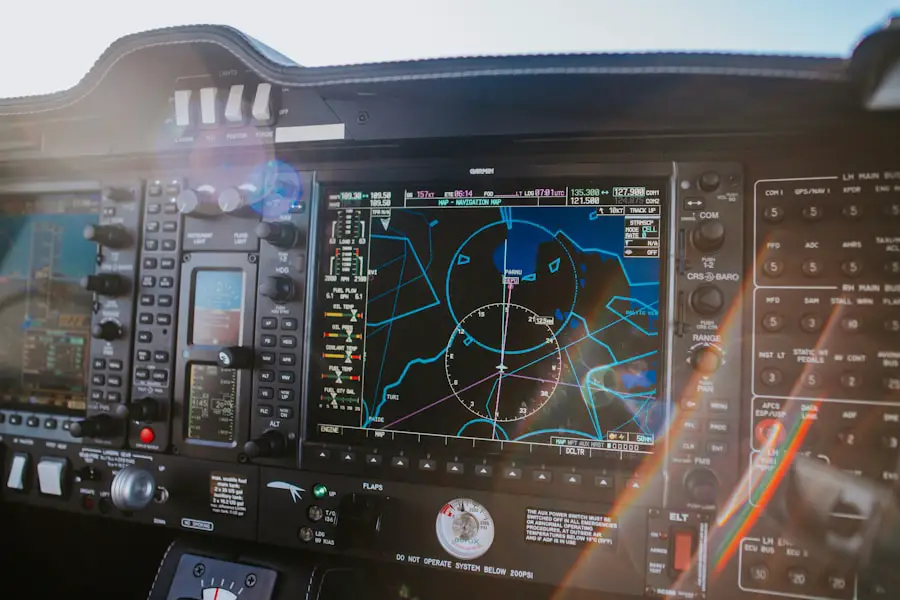
Commercial airlines must establish procedures for foreseeable emergencies and train crew members to carry them out. Cabin-crew training includes evacuation commands, emergency exits, firefighting, smoke and fumes, decompression, first aid, dangerous goods, turbulence, incapacitated passengers, and coordination with the flight deck.
Flight crews train for aircraft-system failures, rejected takeoffs, abnormal landings, weather threats, navigation problems, medical diversions, and other events. Ground teams also need procedures for dispatch, maintenance control, emergency response, passenger assistance, and communication with airports and authorities.
Passengers contribute by watching the safety demonstration, locating the nearest usable exit, keeping seat belts fastened when seated, following crew instructions, and storing baggage correctly. Emergency directions can differ by aircraft and situation, so instructions given by the operating crew take priority over general travel advice.
Customer Feedback and Reviews
LEVEL receives mixed customer reviews, as is common among low-cost airlines. Positive comments often focus on nonstop routes, competitive fares, Premium cabin value, and the ability to purchase only the services a traveler needs. Complaints may involve delays, schedule changes, customer-service response times, seat comfort, baggage charges, food, or fare restrictions.
These reviews can help a traveler judge comfort, value, communication, and disruption handling. They are not reliable evidence of aircraft airworthiness or pilot competence. A passenger may have a poor service experience on a safely operated flight, while a pleasant cabin experience does not prove that an operator’s safety systems are flawless.
When reading reviews, look for repeated service themes and confirm whether the review concerns a flight actually operated by LEVEL. Separate complaints about booking agents, airports, codeshare partners, or government entry rules from issues within LEVEL’s control.
Comparison With Other Airlines
Comparing LEVEL with Norwegian, Ryanair, or another low-cost carrier based only on ticket price can be misleading. LEVEL specializes in long-haul Airbus A330 operations from Barcelona. Ryanair mainly operates short-haul narrow-body flights, while Norwegian’s current network and business model differ from the long-haul operation it maintained when LEVEL launched.
Airlines certified in the European Union must meet the applicable European safety baseline regardless of whether they sell low-cost or full-service tickets. A lower fare may mean that checked baggage, meals, seat selection, flexibility, or other services cost extra. It does not permit the airline to ignore airworthiness, crew licensing, operational, or emergency requirements.
A useful airline comparison should consider:
- The legal operator and the authority that issued its AOC
- Whether the AOC is active and covers the aircraft type being flown
- Regulatory restrictions, suspensions, or enforcement actions
- Verified fatal-accident and hull-loss history
- Independent operational-audit status, such as IOSA
- The difference between safety events and ordinary service complaints
- Who will operate the specific flight, especially on a codeshare booking
No single public score can capture every part of an airline’s risk management. Certification, audits, and historical records are useful indicators, but each has limits.
Safety Measures in Response to COVID-19
The original article described mandatory masks, social distancing during boarding, and pandemic-era aircraft procedures. Those measures were introduced during the height of the COVID-19 pandemic and should not be presented as LEVEL’s universal current policy.
Aircraft are still cleaned between services according to operator procedures, and crews can respond to passengers who become ill in flight. However, mask, testing, vaccination, quarantine, and health-document rules now depend on the destination, transit country, government requirements, and a traveler’s circumstances.
Passengers with health concerns should review current government entry rules, carry necessary medication in cabin baggage, and contact LEVEL before travel when medical clearance, assistance, oxygen, or mobility support may be required. Flexible-booking and refund conditions should also be checked for the specific fare rather than assumed from temporary pandemic policies.
Future Plans and Commitment to Safety
LEVEL completed a major operational transition in 2025 by moving aircraft and crews to its own certificate and beginning flights under its LL code. IAG’s 2025 reporting also described plans to develop LEVEL’s long-haul position in Barcelona and expand its network.
Airline plans can change because of aircraft availability, maintenance needs, market demand, airport capacity, fuel prices, competition, or regulatory approvals. A proposed route or future aircraft order should not be treated as proof that an airline is safer. The more relevant question is whether LEVEL continues to meet the conditions of its AOC and responds properly to maintenance findings, operating risks, audit results, and regulatory requirements.
For a spring adventure—or any international trip—separate airline safety research from packing advice. Ski travel bags, packing cubes, and double travel strollers may make a trip easier, but they do not indicate whether an airline is operationally safe. Judge LEVEL by its certification, oversight, maintenance system, crew training, and verified occurrence history.
How to Check Your LEVEL Flight Before Traveling
- Confirm the operating carrier. Look for “operated by LEVEL” or the legal operator information on the booking.
- Check the flight status. Review the official LEVEL site and airport departure information close to travel.
- Review the aircraft and seat information. LEVEL normally uses the A330-200, but operational substitutions can occur.
- Read current travel-document rules. Passport, visa, transit, and health requirements are separate from airline safety certification.
- Follow baggage rules. Keep spare lithium batteries and power banks in cabin baggage as instructed, and disclose restricted items.
- Pay attention to the safety briefing. Exit locations and equipment can vary by seat and aircraft configuration.
- Follow crew instructions during disruption. A delay, return, or diversion may be necessary to resolve a technical, weather, medical, or operational issue safely.
Products Worth Considering

[FLEXIBLE AUDIO COMPANION] The Sky Eon set comes with a wireless transmitter and noise-canceling headphones, allowing you to stream in-flight entertainment audio without...
Is LEVEL Airline Safe?
Based on the evidence available through July 31, 2026, LEVEL can reasonably be considered a legitimate and appropriately regulated airline. Fly Level Barcelona holds a Spanish AOC for Airbus A330 operations, operates within the EU aviation-safety framework, and entered the IOSA registry in 2025.
No fatal LEVEL crash or hull loss was found in the public records reviewed. However, the airline has experienced nonfatal technical occurrences, including the June 2026 return to Barcelona. For that reason, it is more accurate to describe LEVEL as having no identified fatal-accident history rather than claiming it has never had a significant incident.
Its low-cost model primarily affects which services are included in the fare. It does not exempt LEVEL from aircraft-maintenance, crew-training, airworthiness, or emergency requirements. Travelers should still review the operating carrier, current schedule, fare conditions, and travel requirements before booking.
Frequently Asked Questions
Is LEVEL airline safe to fly with?
Current evidence supports considering LEVEL a properly certified and regulated airline. It holds Spanish AOC ES.AOC.166, operates under EU aviation rules, and has IOSA registration. No fatal crash or hull loss was found in the reviewed public records, although no airline can guarantee a risk-free flight.
Is LEVEL the same airline as Iberia?
No. Both are part of IAG, but they are separate airlines. Iberia originally operated LEVEL’s Barcelona flights. LEVEL obtained its own Air Operator Certificate in December 2024 and began operating under its own LL airline code on December 1, 2025.
What aircraft does LEVEL use?
LEVEL identifies the Airbus A330-200 as its long-haul aircraft. Its published configuration has 314 seats across Premium and Economy cabins. Aircraft type alone does not determine safety; maintenance, inspections, crew competency, and operational oversight are also essential.
Has LEVEL had a plane crash?
No fatal LEVEL crash or hull loss was found in the public records reviewed through July 31, 2026. The airline has had nonfatal technical occurrences, including an A330 return to Barcelona in June 2026 following an undercarriage or tire-related issue.
Does LEVEL’s low-cost model mean lower safety standards?
No. Low-cost pricing generally changes which services are bundled into the fare. LEVEL must still comply with the applicable European rules for airworthiness, maintenance, crew licensing, training, operations, and emergency preparedness.
How can I help make my LEVEL flight safer?
Confirm the operating carrier, follow baggage and battery rules, watch the safety demonstration, keep your seat belt fastened when seated, locate the nearest exit, disclose any assistance needs before travel, and follow crew instructions during normal operations or disruptions.
Sources
- AESA Air Operator Certificate list — identifies Fly Level Barcelona LH, S.L., LEVEL, AOC ES.AOC.166, and Airbus A330 operations.
- LEVEL announcement on independent LL-code operations — confirms the AOC transition, own airline code, operating history, and IOSA registration.
- LEVEL official fleet page — confirms the Airbus A330-200 and published aircraft configuration.
- Commission Regulation (EU) No. 965/2012 — establishes European requirements for commercial air operations and operator oversight.
- Commission Regulation (EU) No. 1178/2011 — establishes European civil-aviation aircrew licensing and qualification requirements.
- Aviation Safety Network occurrence record — documents the June 8, 2026 LEVEL A330 return to Barcelona.
