
Last Updated on July 28, 2026 by Daniel Globe
Flair Airlines is a Canadian ultra-low-cost carrier whose roots extend to earlier charter operations, while its current ultra-low-cost scheduled-airline model launched in 2017. The airline operates Boeing 737 aircraft on routes within Canada and to international destinations. For travelers asking whether Flair is safe, the useful evidence is its regulatory oversight, documented occurrence history, maintenance and training requirements, and how the airline responded when problems occurred.
Quick Answer
Yes. Based on the public safety record reviewed, Flair Airlines operates within Canada’s commercial-aviation safety system and has no recorded fatal accident in that record. Its history is not incident-free: a 2022 runway overrun prompted a major TSB investigation, and a 2024 bird strike seriously damaged a cockpit windshield. Neither event caused passenger fatalities.
Flair’s low-fare business model attracts travelers who are willing to trade extras for a lower base price. That business model affects things such as baggage allowances, seat selection and onboard service, but it does not exempt the airline from the Canadian rules governing aircraft maintenance, crew training, fatigue management and commercial flight operations.
This article looks at the Canadian regulations governing Flair, what investigators found after its 2022 runway overrun, other documented occurrences, the airline’s maintenance and training obligations, and what those facts mean when deciding whether to book a Flair flight.
Disclosure: As an Amazon Associate I earn from qualifying purchases. Some links on this page are affiliate links, at no extra cost to you.
Key Takeaways
Key Takeaways
- Flair Airlines operates under the same applicable Canadian commercial-aviation safety regulations as other Canadian airlines.
- The public record reviewed for this article does not show a fatal Flair Airlines accident.
- Flair’s best-documented major occurrence was a November 2022 runway overrun at Kitchener/Waterloo. All 134 passengers and 6 crew members escaped injury.
- The TSB found several contributing factors in the 2022 event, including pilot fatigue, an inadvertent flight-mode change and a thrust-reverser defect that had been reported 23 times during the previous six months.
- Flair subsequently changed standard cockpit callouts to reinforce its existing procedure requiring the autopilot and autothrottle to be disengaged together.
- A separate October 2024 bird strike damaged the windshield of a Flair Boeing 737 MAX 8 after departure from Toronto; the aircraft returned safely.
- Customer-service complaints, delays and passenger-rights violations can matter when choosing an airline, but they are not the same thing as evidence that an aircraft is unsafe to fly.
Safety Regulations and Standards for Canadian Airlines
In Canada, commercial airline safety is overseen primarily by Transport Canada under the Canadian Aviation Regulations (CARs). These regulations cover areas such as aircraft operation, crew qualifications and training, maintenance control, flight and duty time, and safety-management requirements.
For large commercial air operators, CAR 705.124 requires an approved training program designed to ensure employees are competent to perform their assigned duties. Flight-crew programs include initial and annual training, aircraft-type training, emergency procedures and fatigue-management training.
Aircraft maintenance is governed separately under CAR Subpart 706. Commercial operators must use a maintenance-control system, procedures for recording and correcting aircraft defects, technical-dispatch procedures and a quality-assurance program.
Transport Canada also regulates flight-crew fatigue. Its fatigue-management guidance explains that Part VII of the CARs limits flight and duty periods and requires minimum rest because fatigue can affect reaction time, judgment, coordination and other safety-critical abilities.
Note: The Canadian Transportation Agency and Transport Canada have different roles. Transport Canada oversees operational aviation safety, while the Canadian Transportation Agency handles matters such as air-service licensing, economic regulation and passenger-protection requirements.
A lower airfare does not give an airline a lower Canadian maintenance, crew-training or operational safety standard.
Flair Airlines’ Safety Record and Incidents
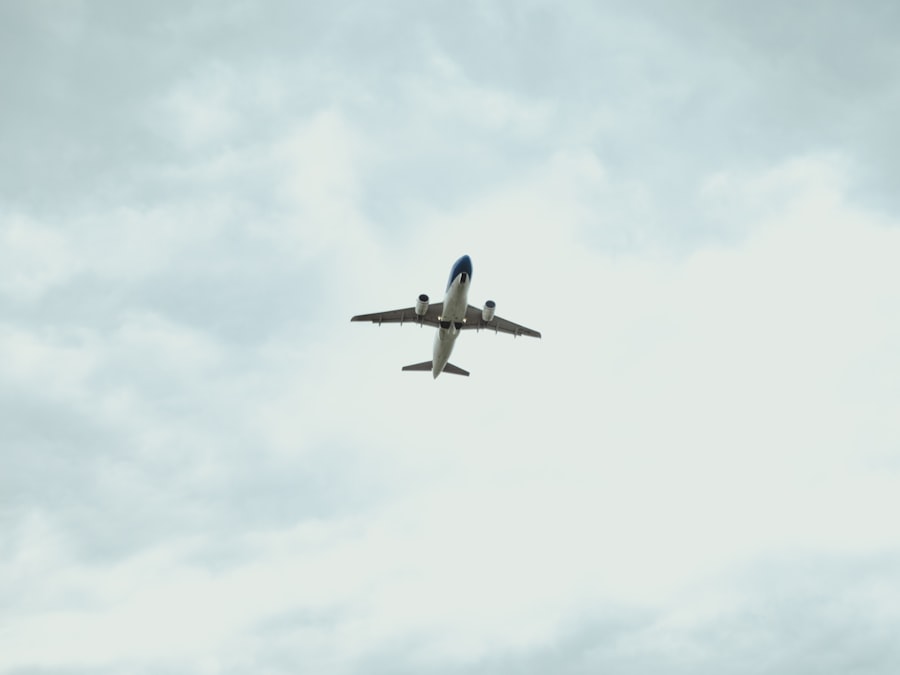
The public occurrence record reviewed for this article does not show a fatal Flair Airlines accident. That does not mean Flair has an incident-free history, however. Its most thoroughly investigated major event was the November 25, 2022 runway overrun at Kitchener/Waterloo Airport in Ontario.
A Flair Boeing 737-800 was operating from Vancouver to Kitchener/Waterloo with 134 passengers and 6 crew members. After landing, the aircraft did not decelerate as expected and overran the end of Runway 26, eventually stopping in soft ground roughly 500 feet beyond the runway end. No passengers or crew members were injured.
The final Transportation Safety Board of Canada investigation report A22O0161, released on February 13, 2025, found that the event resulted from several interacting factors rather than one simple equipment failure or one isolated pilot mistake.
What the TSB Found in the 2022 Runway Overrun
The aircraft had been dispatched with its left-engine thrust reverser inoperative. That dispatch was permitted under the applicable minimum equipment list, and the reverse-thrust lever had been locked in the stowed position as required.
During the approach, the captain disengaged the autopilot but left the autothrottle engaged, contrary to Flair’s procedure requiring both systems to be disengaged together. Shortly before landing, the captain intended to disengage the autothrottle but inadvertently pressed the takeoff/go-around switch. That caused the autothrottle to command increased forward thrust.
After touchdown, the left engine’s forward thrust increased while the right engine was using reverse thrust. The speed brakes retracted, the automatic braking system disengaged, and the aircraft’s ability to slow was significantly reduced. By the time maximum braking was applied, there was not enough runway remaining to stop before the pavement ended.
The TSB also examined fatigue. Investigators concluded that the captain was likely fatigued during the approach and landing after insufficient restorative sleep and an occurrence that took place during a circadian low late in the duty period.
Maintenance history was another important part of the investigation. The left thrust-reverser defect had been reported 23 times during the six months leading up to the event. Flair’s maintenance tracking system could identify defects meeting the regulatory definition of a recurring defect, but this particular pattern fell outside that definition and was therefore not automatically identified as recurring by the system.
Warning: Describing Flair’s record as completely “spotless” would be inaccurate. The 2022 runway overrun was a genuine and significant occurrence involving fatigue, automation, maintenance history and flight-crew procedures, even though nobody was injured.
What Flair Changed After the Investigation
The TSB documented a specific procedural change by Flair. The airline adjusted the Standard Callouts section of its B737-800 Flight Crew Operating Manual. Separate “AUTOPILOT DISENGAGED” and “AUTOTHROTTLE DISENGAGED” callouts were replaced with a “MANUAL FLIGHT” callout to reinforce the existing procedure requiring the autopilot and autothrottle to be disengaged together.
Other Documented Flair Safety Occurrences
The 2022 overrun is not the only safety-related occurrence associated with Flair. On October 24, 2024, Flair flight F8641, a Boeing 737 MAX 8 flying from Toronto to Winnipeg, encountered a flock of geese shortly after takeoff. At least one bird struck the captain’s windshield, seriously damaging the window and limiting forward visibility.
The crew declared an urgency and returned to Toronto Pearson, where the aircraft landed safely. The occurrence is documented by the Bird Strike Association of Canada, Canada’s national bird-strike committee recognized by Transport Canada.
This incident is important to include because it disproves the claim that Flair has had only one notable safety occurrence. At the same time, a wildlife strike is different from evidence of a systemic airline maintenance or pilot-training problem. Bird strikes are an external aviation hazard that airports, pilots and regulators actively monitor and manage.
Note: Not every aviation occurrence becomes a full TSB investigation. Canada’s Civil Aviation Daily Occurrence Reporting System also collects preliminary reports on events ranging from mechanical problems and wildlife strikes to operational irregularities. An occurrence report by itself does not establish that an airline is unsafe.
Maintenance and Training Standards at Flair Airlines
| Safety Area | Applicable Requirement or Control |
| Maintenance Control | Commercial aircraft must be maintained under a maintenance-control system that complies with CAR Subpart 706. |
| Technical Dispatch | Dispatch procedures must ensure aircraft are airworthy, properly equipped and maintained for their intended operation. |
| Quality Assurance | Air operators must maintain a quality-assurance program to check that maintenance systems and schedules remain effective and compliant. |
| Flight-Crew Training | CAR 705.124 requires approved training, including initial and annual training, aircraft-type training and emergency procedures. |
| Fatigue Management | Flight crews are subject to training, duty-time and rest requirements intended to reduce fatigue-related risk. |
Flair, like other Canadian commercial airlines in its operating category, must maintain its aircraft within the Canadian regulatory framework. That includes procedures for recording defects, controlling deferred maintenance, ensuring technical dispatch requirements are met and maintaining quality assurance.
Pilot training is also a regulatory requirement rather than an optional airline perk. Canadian rules require approved training programs covering aircraft operation, emergency procedures and recurrent training. Current regulations also specifically require fatigue-management training for flight crews.
The 2022 Kitchener/Waterloo event is particularly relevant because it shows how these systems are tested in practice. The investigation examined not only pilot actions, but also fatigue, automation design, operating procedures and the way a persistent maintenance defect was tracked.
Pro Tip: When judging an airline’s safety, give more weight to regulator oversight, formal investigation reports, corrective action and accident history than to social-media posts about delays, baggage fees or uncomfortable seats.
Comparison of Flair Airlines’ Safety with Other Low-Cost Carriers
Flair is often compared with other lower-cost or leisure-focused Canadian options such as WestJet and Air Canada Rouge. Those comparisons can be useful for fares, schedules, baggage policies and service, but safety comparisons require more care.
A low-cost airline does not receive permission to operate with weaker airworthiness or crew-training rules simply because its fares are cheaper. Applicable Canadian commercial-aviation regulations still govern areas such as maintenance control, technical dispatch, training and crew fatigue.
Raw incident counts are also a poor way to rank airlines. A carrier operating far more flights, aircraft or flight hours has more exposure to events than a much smaller airline. The seriousness of an occurrence, its cause, the operator’s response and exposure-adjusted data matter more than simply counting headlines.
For that reason, it is more accurate to say that Flair operates within Canada’s regulated airline-safety system than to claim, without exposure-adjusted data, that its record is either better or worse than every competing low-cost carrier.
Passenger Reviews and Feedback on Safety at Flair Airlines
Passenger reviews can be useful when evaluating check-in, baggage enforcement, fees, schedule reliability, communication and customer service. They are much less reliable as a measure of technical flight safety because most passengers cannot directly evaluate maintenance-control systems, pilot training, dispatch decisions or regulatory compliance.
Flair has received criticism over delays, cancellations, baggage rules and customer-service practices. The Canadian Transportation Agency has also taken enforcement action against Flair for passenger-protection issues. For example, CTA enforcement records published in 2026 include Flair violations involving passenger communications and compensation requirements under the Air Passenger Protection Regulations.
Those issues matter when deciding whether the overall travel experience is worth the fare. However, an APPR communication or compensation violation is not the same as a finding that an aircraft was unairworthy or that a flight crew was unqualified.
Safety Measures and Protocols in Place at Flair Airlines
Flair operates within the standard safety framework required of Canadian commercial airlines. That framework includes aircraft inspections and maintenance control, technical-dispatch procedures, approved flight-crew training, recurrent training, emergency procedures, operational control, air-traffic-control coordination and safety-management processes.
The 2022 TSB report also confirms that Flair was required to maintain a safety management system. An SMS is intended to help an operator identify hazards, assess risk and take corrective action before hazards result in more serious events.
Fatigue management is another important safeguard. Canadian regulations control flight and duty periods and require rest, while approved training must teach flight crews about fatigue, sleep, circadian rhythms and the effect fatigue can have on aviation performance.
Following the COVID-19 pandemic, Flair, like many airlines, also used enhanced aircraft cleaning and sanitization practices. Those measures relate mainly to passenger health and cabin hygiene and should not be confused with the technical measures used to judge aircraft or operational flight safety.
Is Flair Airlines Safe for Travel?
Based on the current public record reviewed here, Flair Airlines is a reasonable airline to consider from a flight-safety perspective. It operates within Canada’s commercial-aviation regulatory system, and the reviewed record does not show a fatal Flair accident.
Its record is not incident-free. The November 2022 Kitchener/Waterloo runway overrun was serious enough to receive a full TSB investigation, which identified fatigue, automation, procedural and maintenance-tracking issues. Flair subsequently changed cockpit callouts to reinforce an existing flight procedure. A separate 2024 bird strike badly damaged a 737 MAX windshield, but the crew returned the aircraft safely to Toronto.
Those facts provide a more useful answer than either extreme. It would be misleading to describe Flair as having a completely spotless history, but the available record also does not support the idea that a cheap ticket automatically means passengers are flying outside normal Canadian airline-safety standards.
When comparing Flair with another airline, consider safety separately from schedule reliability, baggage rules, customer support and total trip cost. Those service factors may still determine whether Flair is the right choice for you even when the underlying safety question is answered separately.
If you are considering flying with Flair Airlines and want to make the flight itself more comfortable, you may want to check out this article on 5 Wired Noise Cancelling Earbuds Perfect for Your Next Flight.
Frequently Asked Questions
Is Flair Airlines a safe airline to fly with?
Based on the public record reviewed, yes. Flair operates within Canada’s commercial-aviation regulatory system, and the reviewed record does not show a fatal Flair accident. Its history is not incident-free, however, and includes a 2022 runway overrun and a 2024 bird strike involving a damaged cockpit windshield.
What happened in Flair Airlines’ 2022 runway overrun?
A Flair Boeing 737-800 overran the runway at Kitchener/Waterloo Airport on November 25, 2022. All 134 passengers and 6 crew were uninjured. The TSB identified several contributing factors, including pilot fatigue, an inadvertent autothrottle go-around command and a persistent thrust-reverser defect. Flair later changed cockpit callouts to reinforce its existing autopilot and autothrottle procedure.
Has Flair Airlines had any other notable safety occurrences?
Yes. In October 2024, a Flair Boeing 737 MAX 8 encountered a flock of geese shortly after departing Toronto. A bird seriously damaged the cockpit windshield, and the crew returned safely to Toronto. Other lower-severity occurrences have also been reported through Canadian aviation occurrence-reporting systems.
Does Flair Airlines use the Boeing 737 MAX?
Yes. Flair operates Boeing 737 aircraft including the 737 MAX 8. Aircraft type alone is not enough to determine whether an individual airline is safe. Canadian-registered aircraft must meet applicable airworthiness, maintenance and operational requirements before they can be used for commercial service.
Do low-cost airlines have lower safety standards?
No. A low-cost business model can reduce included services and add fees, but it does not create a separate lower Canadian standard for aircraft maintenance, crew training or commercial flight operations. Flair remains subject to the applicable Canadian Aviation Regulations.
Sources
- Transportation Safety Board of Canada — Investigation Report A22O0161 — final findings on the November 2022 Flair Airlines runway overrun, fatigue, maintenance history and safety action.
- Government of Canada — Canadian Aviation Regulations, Section 705.124 — commercial air-operator training and flight-crew fatigue-management training requirements.
- Government of Canada — Canadian Aviation Regulations, Subpart 706 — maintenance-control, defect-control, technical-dispatch and quality-assurance requirements.
- Transport Canada — Fatigue Management in Aviation — current Canadian guidance on pilot fatigue and Part VII fatigue controls.
- Canadian Transportation Agency — Licences and Charter Permits — explains the CTA’s airline-licensing role and the requirement for Canadian aviation documentation.
- Bird Strike Association of Canada — reconstruction of the October 24, 2024 Flair Airlines Boeing 737 MAX bird-strike occurrence.
