

Last Updated on July 26, 2026 by Daniel Globe
Alaska Airlines is generally a reasonable choice for travelers who are concerned about safety. It operates under Federal Aviation Administration rules, uses a formal Safety Management System, and has gone more than two decades since its last fatal passenger accident. Still, no airline is risk-free, and Alaska’s record includes both the fatal Flight 261 crash in 2000 and the serious Flight 1282 door-plug accident in 2024.
Quick Answer
Yes, Alaska Airlines is generally considered safe to fly based on its FAA-regulated operations, formal safety-management program, pilot and maintenance requirements, and long period without a fatal passenger accident since 2000. However, its history also includes Flight 261 and the nonfatal Flight 1282 door-plug accident, so the fairest answer is safe, but not flawless.
Key Takeaways
- Alaska Airlines is a U.S. Part 121 carrier subject to FAA operating, training, maintenance, and Safety Management System requirements.
- Its last fatal passenger accident was Alaska Airlines Flight 261 on January 31, 2000, which killed all 88 people aboard.
- Flight 1282 suffered a door-plug separation and rapid depressurization on January 5, 2024. The aircraft landed safely, but eight people received minor injuries.
- The NTSB found that Boeing’s manufacturing failures caused the Flight 1282 accident, with ineffective FAA oversight contributing.
- Fleet age, customer reviews, and awards can add context, but they should not replace official accident reports, regulatory records, and current operating information.
Disclosure: As an Amazon Associate I earn from qualifying purchases. Some links on this page are affiliate links, at no extra cost to you.
Alaska Airlines Safety Record
A useful safety review should separate fatal accidents, serious nonfatal events, routine diversions, and customer-service complaints. A delay, return to the airport, or precautionary landing does not automatically show that an airline is unsafe. In many cases, a safe return shows that the crew and operating procedures worked as intended.
There is also no single official FAA score that ranks every U.S. airline from safest to least safe. The FAA certifies and oversees airlines, while the National Transportation Safety Board investigates qualifying accidents and serious incidents. Independent rating websites may publish scores, but their methods differ and should not be treated as government findings.
Alaska Airlines Flight 261
On January 31, 2000, Alaska Airlines Flight 261, an MD-83, crashed into the Pacific Ocean near Anacapa Island, California. All 88 people aboard were killed. The NTSB investigation found that the probable cause was a loss of pitch control after failure of the horizontal-stabilizer trim-system jackscrew assembly. The failure resulted from excessive wear caused by insufficient lubrication. Extended maintenance intervals approved by the FAA also contributed.
Important context: Flight 261 is central to any honest review of Alaska Airlines’ safety history. Describing the airline as having an unblemished or accident-free record would be inaccurate.
Alaska Airlines Flight 1282
On January 5, 2024, a left mid-exit door plug separated from Alaska Airlines Flight 1282, a Boeing 737-9, during the climb from Portland. The cabin rapidly depressurized. One flight attendant and seven passengers received minor injuries, and the crew returned the aircraft safely to Portland.
The completed NTSB investigation of Flight 1282 found that the probable cause was Boeing’s failure to provide adequate training, guidance, and oversight so manufacturing workers consistently followed the parts-removal process and reinstalled required securing hardware. The NTSB also cited ineffective FAA compliance-surveillance and audit planning as a contributing factor.
After the event, affected Boeing 737-9 aircraft were temporarily grounded. The FAA required enhanced inspections and corrective action before return to service. Alaska also increased its oversight at Boeing’s production facilities, including additional maintenance, engineering, and aircraft-acquisition personnel involved in inspections and delivery checks.
A strong recent record does not erase a serious event. A fair safety review looks at what happened, who caused it, how the crew responded, and what regulators and the airline changed afterward.
Maintenance and Inspection Procedures
Alaska Airlines must maintain its aircraft under FAA-approved air-carrier maintenance programs. These programs cover inspections, scheduled maintenance, repairs, recordkeeping, reliability monitoring, required airworthiness directives, and the training of maintenance personnel. The FAA’s Continuous Airworthiness Maintenance Program guidance explains the training framework used by Part 121 operators.
Maintenance is not limited to a quick visual check before departure. Airlines use several layers of work, including transit or overnight checks, scheduled inspections, component replacement limits, troubleshooting, and manufacturer or FAA-mandated actions. Pilots and flight attendants also report defects or unusual conditions so maintenance control can decide whether the aircraft may continue in service, needs a repair, or must be removed from operation.
Modern operators also use aircraft-health data and reliability analysis to spot trends, plan maintenance, and reduce unexpected downtime. These tools support technicians and engineers; they do not replace required inspections, approved procedures, or human sign-off.
Alaska has also reported expanded quality oversight following Flight 1282. That response matters because an airline can meet its legal duties while still demanding additional checks from an aircraft manufacturer before accepting newly built airplanes.
Pro Tip: Do not judge maintenance quality by cabin wear alone. A scratched tray table or older seat may affect comfort, but it does not reveal the condition of engines, flight controls, structural inspections, or required maintenance records.
Pilot Training and Experience
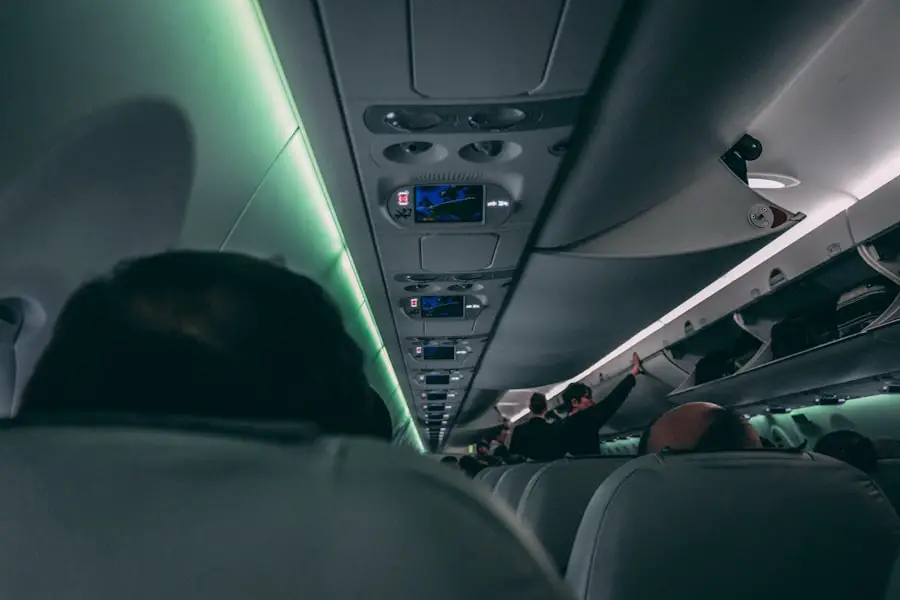
Alaska Airlines pilots operate under federal certification, qualification, checking, rest, and recurrent-training rules for Part 121 air carriers. The FAA’s current air-carrier training framework includes enhanced instruction for stalls, upset prevention and recovery, adverse weather, and simulator-based emergency scenarios.
Simulator training allows crews to practice events that would be unsafe to recreate in an aircraft, such as engine failures, unreliable instruments, rejected takeoffs, rapid depressurization, severe weather, and difficult approaches. Recurrent checks help verify that pilots can apply procedures, work as a crew, manage workload, and make sound decisions under pressure.
Flight 1282 provides a practical example of why this training matters. The flight and cabin crews followed emergency procedures after explosive decompression and returned the aircraft safely. That outcome does not reduce the seriousness of the manufacturing failure, but it does show the value of trained crews and clear procedures.
Fleet Age and Upkeep
Alaska-branded mainline flights use Boeing 737 aircraft, while regional flights may be operated with Embraer E175 aircraft by Horizon Air or SkyWest. The official Alaska Airlines aircraft page lists the 737-700, 737-800, 737-900, 737-900ER, 737-8, 737-9, and E175.
| Aircraft group | Typical role | What matters for safety |
| Boeing 737 family | Alaska mainline domestic and longer routes | Approved maintenance program, airworthiness directives, inspections, crew training, and manufacturer quality controls |
| Embraer E175 | Regional service operated by Horizon Air or SkyWest | The operating carrier’s certificate, maintenance system, crew qualifications, and dispatch procedures |
Aircraft age alone is a poor safety shortcut. A newer airplane may include updated avionics, lighter materials, and improved fuel efficiency, but it can still be affected by design or manufacturing defects. An older airplane can remain airworthy for decades when it is maintained, inspected, repaired, and operated according to approved requirements. Older aircraft can also receive updated avionics, cabin systems, and other approved modifications. The better questions are whether required work is completed, defects are tracked, directives are followed, and the operator responds properly to safety findings.
Note: Alaska Airlines and Hawaiian Airlines now operate under a single FAA operating certificate while keeping separate customer-facing brands. Fleet totals published by Alaska Air Group may therefore include Alaska, Hawaiian, Horizon, cargo, and contract-operated aircraft rather than only the aircraft shown on an Alaska-branded booking.
Emergency Preparedness
Airline emergency planning covers more than crashes. Crews train for fire or smoke, rapid depressurization, severe turbulence, medical emergencies, evacuation, security threats, rejected takeoffs, and abnormal landings. Dispatchers, maintenance control, airport teams, and operations centers also have roles in coordinating a response. Airlines use announcements, mobile alerts, airport displays, and direct rebooking messages to share instructions and operational updates when systems are available.
Passengers support that system by listening to the safety briefing, keeping aisles clear, following seat-belt instructions, and leaving bags behind during an evacuation. A carry-on can block an aisle, damage an escape slide, or slow people behind you.
Warning: During an evacuation, follow crew commands and leave all baggage behind. Your phone, laptop, or suitcase is never worth delaying an exit.
Customer Reviews and Satisfaction
Customer reviews can help you judge service, seat comfort, baggage handling, communication, and how an airline manages delays. They are much less reliable for judging technical safety. Most passengers cannot observe maintenance records, crew qualification files, dispatch decisions, or internal risk controls.
Use reviews to identify repeated service patterns, but separate those complaints from safety evidence. For example, a late departure may result from weather, air traffic control, maintenance, crew availability, or a cautious operational decision. The reason matters.
Post-flight surveys and complaint data can help an airline improve communication and service. Loyalty benefits such as priority boarding or upgrades may improve satisfaction, but they do not measure technical safety.
Better Sources for a Safety Check
- FAA airworthiness directives and official enforcement notices
- NTSB accident and serious-incident reports
- The airline’s current aircraft and operational notices
- Manufacturer service information and regulator-required corrective actions
- Current audit-registry records, with the registration date and scope checked
Industry Certifications and Awards
Alaska Airlines has a formal Safety Management System that the FAA accepted in 2016. An SMS is an organization-wide system for safety policy, risk management, safety assurance, and safety promotion. Part 121 airlines are required to maintain an SMS under federal rules, so the existence of one is important but should not be presented as a unique guarantee that incidents cannot happen.
Alaska has also participated in the IATA Operational Safety Audit program. IOSA examines operational management and control systems, including flight operations, maintenance, cabin operations, dispatch, ground handling, cargo, and security. Because registrations expire and are renewed, a safety article should link readers to the current IOSA Registry rather than relying on an old press release.
Maintenance-training awards can provide another positive signal. Alaska reported that its maintenance teams earned the FAA Diamond Award of Excellence again in 2026. The award recognizes broad participation in technician training; it is not a complete rating of accident risk or every part of the airline’s operation. Likewise, “Best Airline” or “Best Customer Service” awards may reflect surveys or judging criteria, but they should not be treated as government safety certifications.
Current Health and Cabin Safety Measures
During the early COVID-19 period, Alaska publicized mandatory masking, extra cleaning, electrostatic spraying, distancing steps, and contactless check-in tools. Those measures must be dated rather than presented as current policy. Alaska made masks optional on its aircraft and in U.S. airports on April 18, 2022, although destination-specific public-health rules can still change. Travelers should check current airline advisories and destination requirements before departure.
Passengers who want added protection from respiratory illness can use a well-fitting mask or respirator, practice hand hygiene, and avoid traveling while acutely ill when possible. The CDC says masking can add protection, especially in crowded settings, during periods of increased illness, after exposure, or for people at higher risk.
Cabin cleanliness, air filtration, and contactless tools may improve comfort and reduce some health risks, but health measures should not be mixed with the airline’s accident record. They are separate parts of a broader passenger-safety review.
How to Decide Whether to Book Alaska Airlines
For most travelers, the available evidence supports treating Alaska Airlines as a generally safe U.S. carrier, not as a risk-free airline. Its FAA-regulated systems, long period without a fatal passenger crash, trained crews, and maintenance programs are meaningful positives. Flight 261 and Flight 1282 remain important counterpoints and should be discussed plainly.
Before booking, consider the route, operating carrier, aircraft type, weather, connection time, and your own medical or accessibility needs. Regional flights sold by Alaska may be operated by Horizon Air or SkyWest, so check the “operated by” line on the itinerary.
If you are carrying winter equipment, safe travel also includes protecting and packing your gear correctly. This guide to best ski travel bags can help reduce baggage damage, although luggage protection is separate from the airline’s operational safety record.
Frequently Asked Questions
Is Alaska Airlines safe to fly?
Alaska Airlines is generally a safe choice. It operates under FAA Part 121 rules, maintains a formal Safety Management System, and has not had a fatal passenger accident since Flight 261 in 2000. Its record is not flawless, however, and includes the serious but nonfatal Flight 1282 accident in 2024.
When was Alaska Airlines’ last fatal crash?
Alaska Airlines’ last fatal passenger accident was Flight 261 on January 31, 2000. The MD-83 crashed near Anacapa Island, California, killing all 88 people aboard.
What happened on Alaska Airlines Flight 1282?
A mid-exit door plug separated from a Boeing 737-9 on January 5, 2024, causing rapid depressurization. The crew returned safely to Portland. One flight attendant and seven passengers had minor injuries. The NTSB blamed inadequate Boeing manufacturing training, guidance, and oversight, with ineffective FAA oversight contributing.
Did the NTSB blame Alaska Airlines for Flight 1282?
The NTSB’s probable-cause finding focused on Boeing’s manufacturing process and cited FAA oversight as a contributing factor. It did not identify Alaska Airlines as the probable cause. Alaska was still responsible for responding to the event, inspecting affected aircraft, and strengthening its delivery oversight.
How does Alaska Airlines maintain its aircraft?
It uses FAA-approved air-carrier maintenance programs that include inspections, scheduled work, defect reporting, repairs, reliability monitoring, recordkeeping, technician training, and compliance with airworthiness directives and manufacturer instructions.
Does Alaska Airlines fly the Boeing 737 MAX?
Yes. Alaska operates Boeing 737-8 and 737-9 aircraft. Following Flight 1282, affected 737-9 aircraft were grounded, inspected, corrected as required, and returned to service under FAA-approved procedures.
Do customer reviews show whether an airline is safe?
Not reliably. Reviews are useful for service, comfort, delays, and communication, but passengers usually cannot evaluate maintenance systems, pilot records, dispatch decisions, or regulatory compliance. Official FAA and NTSB records are better sources for safety questions.
Sources
- National Transportation Safety Board: Alaska Airlines Flight 1282 – event details, probable cause, contributing factors, and safety recommendations.
- National Transportation Safety Board: Alaska Airlines Flight 261 – fatal-accident history, probable cause, and maintenance findings.
- Federal Aviation Administration: Safety Management System – current SMS framework and Part 121 implementation requirements.
- Federal Aviation Administration: Air Carrier Training – enhanced pilot qualification and simulator-training requirements.
- Federal Aviation Administration: Continuous Airworthiness Maintenance Program Training – maintenance and preventive-maintenance training guidance.
- Alaska Airlines: Our Aircraft – current Alaska-branded Boeing 737 and regional Embraer E175 aircraft types.

