
Last Updated on July 25, 2026 by Daniel Globe
Alaska Airlines and Hawaiian Airlines are no longer waiting to merge. Alaska Air Group completed its acquisition of Hawaiian Airlines on September 18, 2024, and the two carriers have since moved through several major integration steps. Travelers still see two distinct airline brands, but booking systems, flight operations, loyalty benefits, and alliance access are now much more closely connected.
Quick Answer
Alaska Air Group completed its acquisition of Hawaiian Airlines on September 18, 2024. The airlines later received a single operating certificate on October 29, 2025, combined their loyalty programs under Atmos Rewards, and moved to one passenger service system in April 2026. Alaska and Hawaiian continue to operate as separate customer-facing brands.
Key Takeaways
- The acquisition closed on September 18, 2024, so the merger is no longer proposed or pending.
- Alaska Airlines and Hawaiian Airlines still keep their own names, aircraft liveries, onboard styles, and customer-facing brand identities.
- Mileage Plan and HawaiianMiles were combined into Atmos Rewards, with one former mile converting to one Atmos point.
- Both airlines now use a shared reservation platform and the combined Alaska Hawaiian mobile app.
- Hawaiian Airlines joined the oneworld alliance on April 23, 2026, expanding reciprocal points and elite benefits.
Disclosure: As an Amazon Associate I earn from qualifying purchases. Some links on this page are affiliate links, at no extra cost to you.
Alaska-Hawaiian Merger Status and Timeline
Alaska Air Group announced the agreement to acquire Hawaiian Holdings in December 2023. The transaction had an enterprise value of about $1.9 billion, including Hawaiian’s net debt. After regulatory review and required approvals, the acquisition closed on September 18, 2024. Hawaiian Airlines then became part of Alaska Air Group.
The word merger can describe several different milestones. The ownership transaction closed in 2024, but operational integration continued afterward. That is why travelers saw additional changes in 2025 and 2026.
| Date | Milestone | What It Meant |
| December 3, 2023 | Acquisition announced | Alaska Air Group agreed to acquire Hawaiian Airlines, subject to approval and closing conditions. |
| September 18, 2024 | Acquisition completed | Hawaiian Airlines officially joined Alaska Air Group. |
| August 20, 2025 | Atmos Rewards launched | Mileage Plan began operating under the new combined loyalty-program name. |
| October 1, 2025 | HawaiianMiles transitioned | HawaiianMiles accounts and balances moved into Atmos Rewards. |
| October 29, 2025 | Single operating certificate | The FAA approved one operating certificate while the two brands remained visible to travelers. |
| April 22, 2026 | Shared passenger service system | Reservations, trip management, check-in, and several airport systems moved onto one platform. |
| April 23, 2026 | Hawaiian joined oneworld | Alliance earning, redemption, status recognition, and other reciprocal benefits expanded to Hawaiian flights. |
Note: A completed acquisition, a single operating certificate, and a shared reservation system are separate milestones. The ownership change happened first; technical and customer-facing integration followed over time.
Benefits for Customers
The combined airline group gives travelers access to a broader network across Alaska, Hawaiʻi, the continental United States, Asia, the Pacific, and partner destinations. The biggest practical benefit is not that every route suddenly changed. It is that travelers can connect across the two brands with one loyalty program, more coordinated schedules, and a shared reservation platform.
Customers can now manage Alaska and Hawaiian trips through the combined Alaska Hawaiian mobile app. The shared system supports a single record locator for travel on either brand and provides self-service features such as changing or canceling eligible flights, sharing boarding passes, and booking with cash or points across participating airline partners.
The merger is complete, but the customer experience is designed around two recognizable airline brands supported by one increasingly integrated network and technology platform.
Products Worth Considering

Book flights from your mobile device

Book a flight

The Airline Ticket Booking app helps you search, compare and book flights, hotels and car rentals from hundreds of airlines and travel agents around the world. We are a team of passionate and experienced researchers who will help you find the cheapest flights, hotels and car rentals to your next destination.
Impact on Routes and Destinations
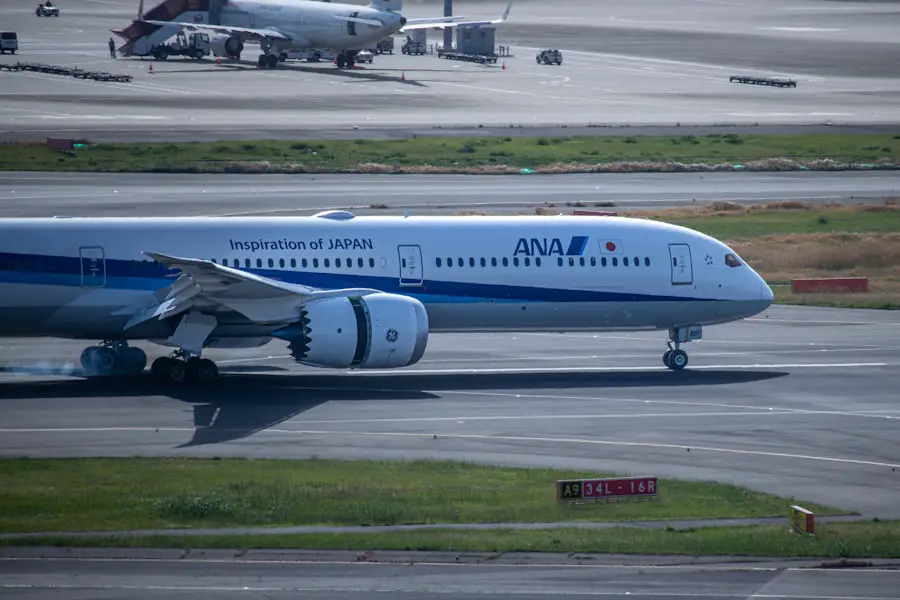
The combined company serves more than 140 destinations directly and provides access to a much larger global network through oneworld and other airline partners. Honolulu remains a major hub, while Alaska’s established West Coast network creates more connection options for passengers traveling to and from Hawaiʻi.
Hawaiian Airlines officially joined the oneworld alliance on April 23, 2026. Atmos Rewards members can earn and redeem points on eligible oneworld flights, while qualifying elite members can receive reciprocal benefits such as priority services and lounge access when the alliance’s rules are met.
Route schedules can still change because of demand, aircraft availability, seasonality, airport constraints, and business decisions. A merger does not guarantee lower fares, more flights on every route, or permanent service to every destination. Travelers should check current schedules before relying on an older route announcement.
Pro Tip: When comparing itineraries, check the operating carrier as well as the marketing brand. A Hawaiian-branded experience may appear with an AS flight code and wording such as “Operated by Alaska as Hawaiian Airlines.”
Changes to Loyalty Programs and Frequent Flyer Miles
Alaska Mileage Plan and HawaiianMiles have been combined under Atmos Rewards. Former Mileage Plan miles are now called points, and HawaiianMiles balances transitioned into the combined program. One Mileage Plan mile or HawaiianMiles mile converted to one Atmos Rewards point, and points do not expire under the current program rules.
Members can earn and redeem points on Alaska Airlines, Hawaiian Airlines, oneworld carriers, and other eligible partners. Atmos Rewards also allows members to choose among different earning methods for qualifying Alaska- and Hawaiian-marketed flights, subject to the program’s current terms.
Elite members should review their Atmos Rewards account rather than relying on old Mileage Plan or HawaiianMiles charts. Benefits, qualification rules, upgrade access, partner recognition, and credit-card products have changed as the programs were combined.
Warning: Do not use old HawaiianMiles or Mileage Plan screenshots to value an award or confirm an elite benefit. Award pricing and partner availability can change, so verify the current terms before transferring points or booking travel.
Products Worth Considering

Digital Wallet Store all card details Save usernames and passwords Enrol for new memberships Points Tracker
Booking, Check-In, Flight Numbers, and Airport Experience
In April 2026, Hawaiian Airlines moved to the same Sabre passenger service system used by Alaska Airlines. Travelers can still book through either airline’s website, but the shared platform connects reservation records, loyalty accounts, airport kiosks, and trip-management tools.
All flights now use the AS code in the reservation system. Hawaiian-branded flights remain clearly identified and continue to offer the Hawaiian Airlines onboard experience. Some regular Hawaiian flight numbers changed during integration, so travelers should confirm the current flight number, terminal, and gate before departure.
At several major airports, Alaska and Hawaiian use shared lobby or check-in areas. Hawaiian also adopted Alaska’s alphabetical boarding-group system. Airport signage and third-party booking sites may display the brands differently, especially during ongoing technology updates.
Products Worth Considering

Complete Gift Set: This all-inclusive package contains a beautifully designed boarding pass card, an elegant gray heart-shaped scratch-off sticker, and a coordinating gift envelope - everything you need to create a memorable travel surprise.

Why Hawaiian Airlines Still Looks Like Hawaiian Airlines
Alaska Air Group has said it will maintain both the Alaska Airlines and Hawaiian Airlines brands. Hawaiian’s Pualani tail design, Hawaiʻi-focused hospitality, local food and product elements, and distinct onboard presentation remain central to the brand.
The airlines are integrated behind the scenes, but that does not mean Hawaiian aircraft are being immediately repainted as Alaska aircraft or that the Hawaiian customer experience has disappeared. Travelers should expect a shared corporate and technology structure with separate brand experiences.
Regulatory Approval and Consumer Protections

The regulatory approval stage is no longer pending. Before the deal closed, the U.S. Department of Transportation required binding public-interest protections as a condition of allowing the transaction to move forward.
Rewards Protections
The airlines agreed to preserve the value of existing rewards during conversion, provide a one-to-one transfer and conversion ratio, protect status, and avoid adding change or cancellation fees to rewards tickets for carrier-operated flights. These requirements helped shape the transition into Atmos Rewards.
Service Protections
The agreement requires the combined company to maintain important inter-island service and key routes between Hawaiʻi and the continental United States for the applicable protection period. It also preserves support for Essential Air Service in rural communities in Alaska and Hawaiʻi.
Passenger Commitments
The protections include fee-free adjacent family seating for a child age 13 or younger with an accompanying adult, subject to the airlines’ stated conditions. They also include certain assistance for controllable delays and cancellations and specified fee waivers for eligible service members and their families.
For the exact legal conditions and duration, review the U.S. Department of Transportation merger protections.
Potential Challenges and Concerns
Large airline integrations can create short-term problems even after the ownership transaction closes. Reservation migrations, flight-number changes, airport signage updates, labor agreements, maintenance procedures, and customer-service training must all work across a large operation.
Travelers may encounter unfamiliar flight codes, changed check-in locations, or inconsistent brand labels on third-party booking sites. Employees also face changes as work groups, policies, and systems are combined. These issues do not mean the merger is incomplete, but they show why operational integration takes longer than the legal closing.
Competition remains another concern. A larger network can improve connectivity, but consolidation can also reduce competition on routes where the two airlines previously overlapped. The DOT’s service and consumer protections were intended to limit specific harms, but fares and schedules will still depend on market conditions.
Future Plans for the Combined Airline Group
The combined group is continuing to invest in technology, network growth, fleet planning, airport facilities, and loyalty benefits. The shared reservation system and mobile app were major steps toward a more consistent journey across both brands.
Alaska Air Group has also positioned Honolulu as a major hub for travel between North America and the Asia-Pacific region. Hawaiian’s membership in oneworld strengthens that strategy by connecting its network to alliance partners and nearly 1,000 destinations worldwide.
Sustainability plans include newer aircraft, operational efficiency, and efforts to reduce emissions, but future environmental claims should be measured against published results rather than broad promises. Aircraft orders, route launches, and product upgrades can change, so travelers should rely on current airline announcements.
How This Merger Compares With Other Airline Mergers
Like the American Airlines-US Airways and Delta-Northwest combinations, the Alaska-Hawaiian deal joined route networks, loyalty systems, employees, fleets, and technology under one corporate group. However, Alaska Air Group chose to retain two customer-facing airline brands, which is unusual among major U.S. airline combinations.
The deal also included detailed, enforceable DOT protections covering rewards, critical Hawaiʻi service, family seating, disruption assistance, airport access, and military-family fees. Those conditions are an important difference from treating the transaction as a simple business combination.
The original acquisition was announced at roughly $1.9 billion in enterprise value, including approximately $900 million of Hawaiian net debt. Alaska reported about $1.0 billion in aggregate consideration paid to Hawaiian stockholders and other equity holders when the transaction closed.
Travelers preparing for an Alaska or Hawaiian itinerary may also find this guide to choosing the best travel camera backpack useful when organizing camera gear for a trip.
Frequently Asked Questions
When did Alaska Airlines and Hawaiian Airlines merge?
Alaska Air Group completed its acquisition of Hawaiian Airlines on September 18, 2024. Operational integration continued afterward, including a single operating certificate in October 2025 and a shared passenger service system in April 2026.
Are Alaska Airlines and Hawaiian Airlines now one airline?
They are part of the same corporate group and operate under one FAA operating certificate, but Alaska Airlines and Hawaiian Airlines remain separate customer-facing brands.
Did Hawaiian Airlines keep its name and brand?
Yes. Hawaiian Airlines continues to use its name, Pualani branding, aircraft appearance, airport presentation, and Hawaiʻi-focused onboard service.
What happened to HawaiianMiles and Alaska Mileage Plan?
Both programs were combined into Atmos Rewards. One former HawaiianMiles or Mileage Plan mile became one Atmos Rewards point, and existing account balances transitioned into the combined program.
Why does a Hawaiian Airlines flight have an AS code?
After the airlines moved to a shared passenger service system, flights began using the AS code. Hawaiian-branded flights are still identified as Hawaiian experiences, often with wording that says the flight is operated by Alaska as Hawaiian Airlines.
Is Hawaiian Airlines part of oneworld?
Yes. Hawaiian Airlines officially joined the oneworld alliance on April 23, 2026. Eligible travelers can receive alliance earning, redemption, status recognition, priority-service, and lounge benefits under current program rules.
Will the merger lower ticket prices?
Not necessarily. A larger network may create more itinerary choices, but fares depend on demand, competition, fuel costs, capacity, seasonality, and other market factors. The merger does not guarantee lower prices.
Sources
- Alaska Air Group: Acquisition completion — confirms the September 18, 2024 closing and combined-network facts.
- U.S. Department of Transportation merger protections — explains rewards, service, family-seating, disruption, and military-family conditions.
- Alaska Air Group: Single operating certificate — confirms the October 29, 2025 FAA milestone and continued use of two brands.
- Alaska Air Group: Atmos Rewards — explains the combined loyalty program, points conversion, and earning options.
- Alaska Air Group: Shared passenger service system — confirms the April 22, 2026 reservation-system and mobile-app changes.
- oneworld: Hawaiian Airlines membership — confirms Hawaiian joined the alliance on April 23, 2026.
