
Last Updated on August 2, 2026 by Daniel Globe
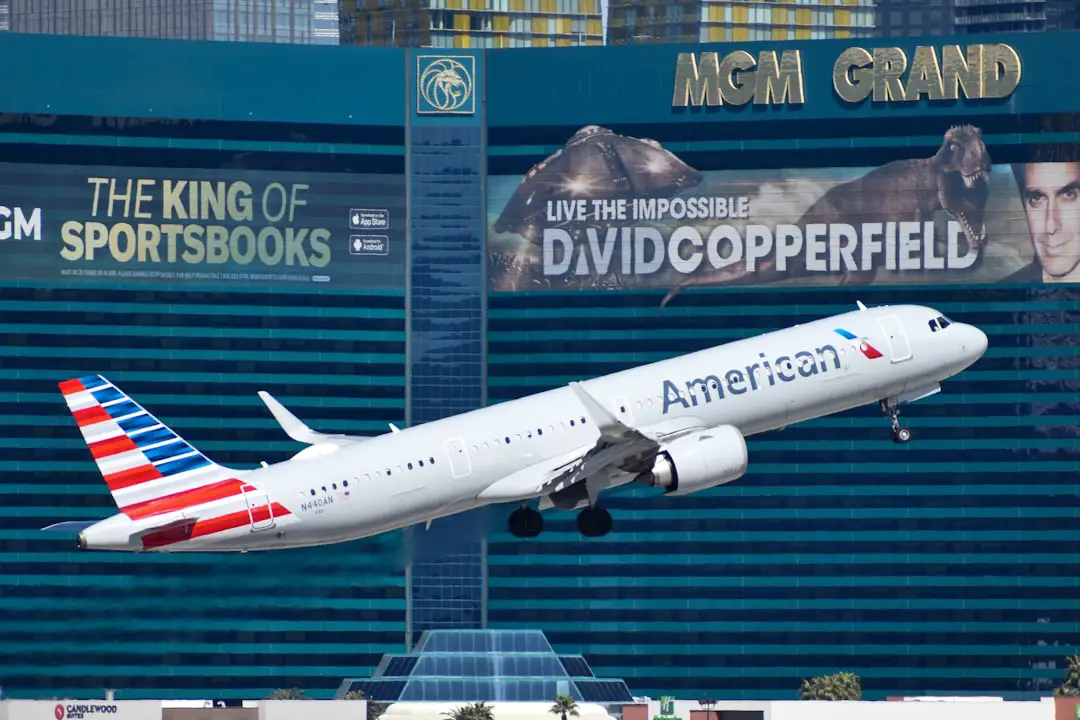
American Airlines can look expensive on one search and competitive on another because airline fares are not set by distance alone. The price depends on demand for that exact flight, the number of seats left in each fare level, route competition, travel dates, connection options, cabin and fare restrictions, taxes, and the airline’s operating costs.
American’s roots trace to 1926, the American Airlines name dates to 1934, and the modern company took shape after the 2013 merger with US Airways. Today it operates a large domestic and international network, so its prices reflect both the cost of running that network and what travelers are willing to pay for each itinerary.
Quick Answer
American Airlines tickets may be expensive when demand is high, few competitors offer a similar nonstop flight, cheaper fare inventory has sold out, or the itinerary includes costly airport, labor, fuel, maintenance, and tax components. The best comparison is the full trip price, including bags, seats, flexibility, and connections.
Key Takeaways
- American does not use one fixed price for every seat; the available fare changes with demand, timing, inventory, and route competition.
- Labor and fuel are major expenses. In 2025, American reported about $17.6 billion in salaries, wages, and benefits and about $10.7 billion in aircraft fuel and related taxes.
- American reported that it had no fuel-hedging contracts outstanding at the end of 2025, so it remained exposed to fuel-price swings.
- A low base fare is not always the lowest total cost after checked bags, seat selection, change restrictions, and other optional services.
- Flexible dates, nearby airports, one-stop options, fare alerts, and side-by-side total-cost comparisons can produce meaningful savings.
Disclosure: As an Amazon Associate I earn from qualifying purchases. Some links on this page are affiliate links, at no extra cost to you.
Why American Airlines Tickets Can Be Expensive
There is no single reason that an American Airlines fare is high. Airlines use revenue-management systems to sell the same cabin through several fare levels. A traveler who books early may find a lower fare, but an early fare is not guaranteed to be the cheapest. If bookings are weaker than expected, lower-priced inventory may appear later. If a flight fills quickly, the remaining seats may move into higher fare levels.
| Price driver | Why it changes the fare |
|---|---|
| Demand | Holiday periods, school breaks, major events, business-travel peaks, and popular departure times can sell quickly. |
| Remaining fare inventory | When lower-priced fare levels sell out, the next available seat may cost much more even though it is in the same cabin. |
| Route competition | Fares are often more competitive when several airlines offer comparable schedules. A unique nonstop or limited-service market may command a premium. |
| Schedule convenience | A nonstop flight at a desirable time may be priced above an inconvenient connection or an early-morning or late-night departure. |
| Fare product | Basic Economy, Main Cabin, flexible fares, Premium Economy, Business, and First include different rules and benefits. |
| Operating costs and taxes | Fuel, wages, maintenance, aircraft ownership, airport charges, security, and government taxes form the cost base that ticket and ancillary revenue must support. |
Operating Costs and Fuel Prices
Fuel is one of American’s largest and most volatile expenses, but it is not the only cost behind a ticket. According to American Airlines Group’s 2025 Form 10-K, aircraft fuel and related taxes totaled about $10.7 billion, or roughly 20% of total operating expenses. Salaries, wages, and benefits were even larger at about $17.6 billion, representing 38% of total operating expenses for the year.
American stated that it had no fuel-hedging contracts outstanding as of December 31, 2025, and that its policy was not to hedge fuel consumption, although the company reviews that policy from time to time.
American’s fuel exposure can affect fares quickly: in the second quarter of 2026, the company said fuel expense rose by more than $2.2 billion, or 83% year over year, and higher fares offset nearly half of that increase.
Higher fuel costs do not automatically create an immediate dollar-for-dollar fare increase. Airlines can respond by changing fares on future bookings, reducing less-profitable capacity, adjusting schedules, improving aircraft utilization, or seeking more revenue from premium cabins and optional services. The outcome depends on whether customer demand and competition allow those increases to hold.
What American’s 2025 Expenses Show
| Operating expense | 2025 amount | Why it matters |
|---|---|---|
| Salaries, wages, and benefits | $17.6 billion | Pilots, flight attendants, mechanics, airport teams, dispatchers, and support staff are required to operate the network. |
| Aircraft fuel and related taxes | $10.7 billion | Fuel prices can change rapidly and American was unhedged at year-end 2025. |
| Regional expenses | $5.4 billion | American Eagle flying supports smaller cities and feeds major hubs. |
| Maintenance, materials, and repairs | $3.8 billion | Scheduled checks, engines, components, parts, and repairs cannot be skipped. |
| Other rent and landing fees | $3.5 billion | Airports charge for facilities, gates, landings, and related operations. |
Labor and Union Costs
Airline operations are labor-intensive. American needs trained pilots, flight attendants, mechanics, dispatchers, customer-service agents, baggage handlers, planners, technology teams, and other employees to run thousands of daily flights. American reported approximately 139,100 active full-time equivalent employees as of December 31, 2025, with about 86% represented by various labor unions. Their collective bargaining agreements govern wages, benefits, schedules, work rules, and other conditions.
Labor is not merely a cost line. It is an essential safety and service expense. American’s 2025 salaries, wages, and benefits expense increased about 9.6% from 2024, primarily because of contractual wage-rate increases and benefit costs associated with ratified or extended labor agreements. These costs can pressure margins, but sufficient staffing and competitive pay also support reliability, retention, and customer service.
Maintenance and Safety Regulations
Maintenance and safety spending is mandatory, not optional. Large U.S. airlines operating under Part 121 must follow FAA requirements for approved air-carrier maintenance programs, training, recordkeeping, inspections, and continued airworthiness. The FAA’s active Air Carrier Maintenance Programs guidance describes the required elements of such programs.
| Required area | What it includes | Effect on airline economics |
|---|---|---|
| Scheduled maintenance | Inspections, heavy checks, component work, and required task intervals | Requires parts, facilities, skilled labor, and aircraft downtime |
| Unscheduled repairs | Troubleshooting and correcting defects before an aircraft returns to service | Can create replacement-aircraft, delay, parts, and labor costs |
| Training and oversight | Initial and recurrent training, manuals, records, quality control, and FAA oversight | Adds recurring cost but is fundamental to safe operations |
Warning: Do not treat a high or low fare as a measure of an airline’s safety. U.S. carriers must meet applicable regulatory requirements regardless of the price paid for a ticket.
Government Regulations and Taxes
Taxes and government-approved charges are part of the displayed ticket total, although they are not unique to American Airlines. The U.S. Department of Transportation states that advertised airfare must include applicable government taxes, fees, and mandatory carrier-imposed surcharges in the total price.
For 2026, the federal tax on taxable domestic passenger air transportation includes a 7.5% percentage tax and a $5.30 domestic-segment tax. International trips that begin or end in the United States generally include a $23.40 international air-facilities tax per person. Airports may also collect an FAA-approved passenger facility charge of up to $4.50 per eligible segment, subject to trip caps. Security fees and foreign-country taxes may apply as well.
These charges can make short, multi-segment, or international itineraries look disproportionately expensive. However, the largest difference between two airlines on the same route often comes from fare inventory, schedule, competition, and included services rather than tax alone.
Note: Under DOT rules, passengers are entitled to a refund — not just a travel credit — when the airline cancels a flight or makes a significant schedule change and the passenger chooses not to travel, regardless of the fare type purchased.
Competition and Market Dynamics
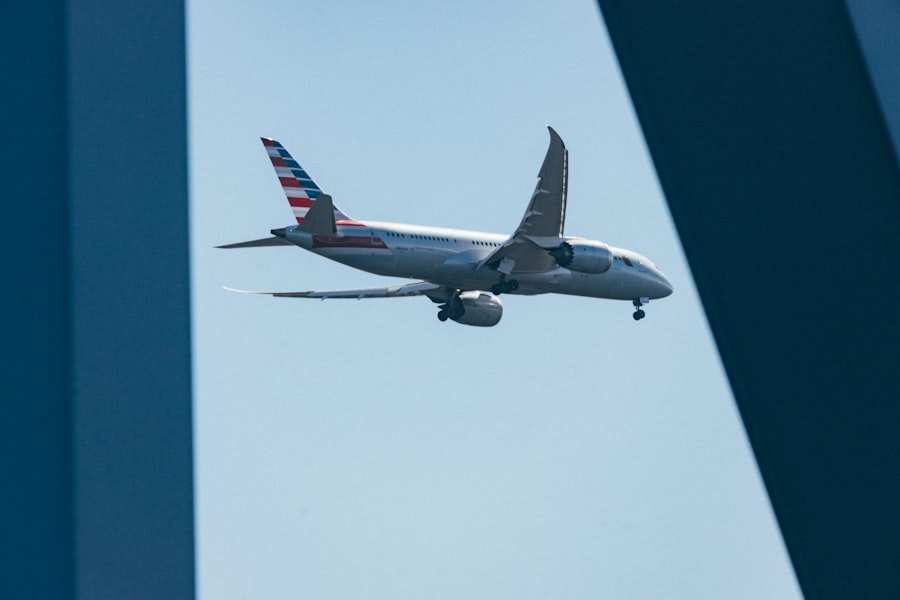
Airline competition is route-specific. American competes with Delta, United, Southwest, Alaska, JetBlue, Frontier, and other carriers, but not every airline serves every city pair with a similar schedule. A 2026 U.S. Government Accountability Office report on airline competition found that lower-cost airlines tend to place stronger downward pressure on fares and that the number and type of competitors vary widely by route.
Nonstop Flights Can Carry a Convenience Premium
If American is the only carrier, or one of very few carriers, offering a well-timed nonstop flight, customers may be willing to pay more to avoid a connection. This is common for business trips, short getaways, and any itinerary where a missed connection would be costly. A one-stop competitor may be cheaper simply because it is selling a less convenient product.
Capacity Matters as Much as the Number of Airlines
Two airlines can serve the same route while offering only a small number of seats. If flights are already heavily booked, remaining fares may stay high. When airlines add capacity or a lower-cost competitor enters the market, fares often become more competitive. When service is reduced, the opposite can happen.
Customer Demand and Pricing Strategies
American adjusts the fares available for a flight as booking patterns develop. The airline is trying to sell a limited, perishable inventory: once a flight departs, an empty seat can no longer be sold. Revenue management therefore balances two risks: selling too many seats too cheaply or holding prices too high and departing with empty seats.
Why the Price Can Jump Suddenly
A price jump does not necessarily mean the entire flight became more expensive. It may mean the last seat in a lower fare level was purchased, the itinerary was repriced, or a comparison site displayed a cached fare that was no longer available. The number of travelers in the search can also matter. If only one seat remains in a lower fare level and the search is for two people, both travelers may be quoted at the next available fare level.
Peak Dates and Popular Times Cost More
Friday evenings, Sunday returns, holiday weekends, school breaks, and flights timed for business travelers often attract stronger demand. Midweek travel, less-popular departure times, longer connections, and shoulder-season dates may be cheaper, though there is no universal cheapest day that works for every route.
Note: Booking far in advance can improve your choices, but it does not guarantee the lowest fare. Track the exact route and compare several nearby dates rather than relying on a fixed “best day to buy” rule.
Fare Type, Bags, Seats, and the Real Trip Cost
The fare shown first in search results may not include every service a traveler needs. The Department of Transportation advises passengers to compare ticket restrictions and optional-service costs, not only the advertised base price. American offers different fare products with different rules, and the details can vary by market and ticket date.
| Cost or restriction | What to check before booking |
|---|---|
| Checked bags | Route, fare, status, credit-card benefits, ticket date, and whether prepayment is cheaper than paying at the airport |
| Seat selection | Whether a standard seat is included or a fee applies, especially on Basic Economy |
| Changes and cancellations | Refundability, travel-credit rules, fare differences, and Basic Economy restrictions |
| AAdvantage earning | Current American fare pages state that Basic Economy does not earn AAdvantage miles or Loyalty Points |
| Connection risk and time | A cheaper itinerary may add hours, an airport change, an overnight stay, or a higher disruption risk |
As of the 2026 fee schedule, American lists different checked-bag charges by route, fare, and purchase date, with lower prices in some cases when bags are prepaid online. Because these amounts can change, verify the current American Airlines optional-service fees for the exact itinerary before comparing totals.
International Routes and Global Economics
International fares are affected by more than flight distance. Currency movements, foreign taxes, airport charges, seasonal demand, geopolitical events, visa or entry restrictions, partner-airline inventory, and the availability of competing nonstop service can all change the price.
American also sells some itineraries with oneworld partners and other carriers. A flight may be marketed by American but operated by another airline, or the same physical flight may be available under different flight numbers and fare rules. Compare the operating carrier, baggage allowance, seat-selection rules, change terms, and loyalty earning before deciding that two offers are equivalent.
Loyalty Programs and Rewards
AAdvantage can reduce the out-of-pocket cost for some travelers through award tickets, elite benefits, and eligible credit-card benefits. However, award prices and availability vary, and using miles is not automatically the best value. Compare the cash fare with the miles required plus taxes and fees.
Status or an eligible co-branded credit card may provide benefits such as checked bags or preferred boarding on qualifying trips. Those benefits can make a higher American base fare cheaper in total for a loyal customer, while a traveler without those benefits may find another airline’s bundle more economical.
Corporate Structure and Financial Performance
American Airlines Group must fund aircraft purchases and leases, debt service, technology, airport facilities, distribution, customer service, lounges, irregular-operation recovery, and a large workforce in addition to fuel and maintenance. Its ticket prices are not calculated by simply adding a fixed profit margin to the cost of one passenger’s seat.
The airline may accept a lower fare on one flight to support a connection, compete in a strategic market, fill off-peak capacity, or attract loyalty-program customers. It may charge more on another flight where demand is stronger. This network approach is one reason a longer connecting trip can sometimes cost less than a shorter nonstop trip.
Future Outlook and Potential Solutions
American’s July 23, 2026 financial update showed how quickly the pricing environment can change. The company reported record quarterly revenue of $16.7 billion, up 16.3% year over year, but fuel expense increased sharply — up more than $2.2 billion, or 83%, from a year earlier. American said higher fares recovered nearly half of that fuel headwind during the quarter. That does not mean every future ticket will rise, but it shows why fuel, demand, and capacity remain important fare drivers.
For travelers, lower prices are most likely when capacity grows, competition increases, demand softens, or the airline releases lower fare inventory. Higher prices are more likely when fuel remains elevated, flights fill quickly, service is reduced, or a route has limited convenient alternatives.
How to Find Cheaper American Airlines Tickets
- Compare flexible dates. Check at least a few days before and after your preferred travel dates.
- Compare nearby airports. Include alternate departure and arrival airports, then add ground-transport costs.
- Check nonstop and one-stop options. A connection can be cheaper, but weigh the extra time and disruption risk.
- Compare the complete trip cost. Add checked bags, seat fees, change flexibility, parking, meals, and any overnight stay.
- Use fare alerts. Track the exact route instead of repeatedly guessing when the price will fall.
- Search one traveler first, then the full party. This can reveal whether only one lower-priced seat remains, but book carefully so the group is not split across separate reservations without understanding the consequences.
- Compare round-trip and two one-way tickets. Pricing can differ, especially when mixing airlines.
- Review miles and cash side by side. Award travel can help, but a low cash fare may be a better use of funds than redeeming many miles.
- Book through a channel you trust. A third-party fare may have different service and change procedures. Read the rules before paying.
- Use the 24-hour rule when eligible. For a ticket purchased at least seven days before departure, a U.S. airline must offer either a 24-hour free-cancellation option or a 24-hour hold; American’s applicable policy should be checked at booking.
Pro Tip: Compare value, not just the first number on the screen. A slightly higher fare with the right schedule, included bag, acceptable seat, and better change terms can cost less than a bare fare after add-ons.
Frequently Asked Questions
Why are American Airlines tickets so expensive?
A fare may be high because demand is strong, cheaper fare inventory has sold out, American offers the most convenient nonstop, competition is limited, or the travel date is near a peak period. Fuel, labor, maintenance, airport charges, and taxes also shape the airline’s overall cost base.
Does American Airlines charge more than other airlines?
Not on every route or date. American may be higher when it has a more convenient schedule or fewer comparable competitors, but it can also be the lowest option when capacity is available or competition is strong. Compare the same cabin, restrictions, bags, seats, and operating carrier.
What factors contribute most to American Airlines’ costs?
Major costs include salaries and benefits, aircraft fuel, regional operations, maintenance and repairs, aircraft ownership or rent, airport and landing charges, distribution, technology, and customer-service operations.
Does American Airlines hedge fuel prices?
American reported that it had no fuel-hedging contracts outstanding as of December 31, 2025, and that its current policy was not to hedge fuel consumption, although it reviews the policy periodically.
How can I find cheaper American Airlines tickets?
Use flexible dates, compare nearby airports, check one-stop itineraries, set fare alerts, compare round-trip pricing with two one-way tickets, and calculate the full cost after bags and seats. Booking earlier usually improves selection, but no fixed day guarantees the lowest price.
Is Basic Economy always the cheapest option?
It can have the lowest base fare, but it may not be the lowest total cost or best value. Check bag charges, seat-selection fees, change and cancellation restrictions, upgrade eligibility, boarding benefits, and whether the fare earns AAdvantage miles or Loyalty Points.
Can I negotiate an American Airlines ticket price?
Individual published fares are generally not negotiable. Group travel, corporate agreements, government fares, or special programs may have separate terms, but ordinary travelers normally choose among the fares currently available.
Are taxes the main reason the fare is high?
Taxes and airport charges contribute to the total, especially on international or multi-segment trips, but they usually do not explain the full difference between two airlines on the same itinerary. Demand, fare inventory, schedule, competition, and included services are often more important.
Sources
- American Airlines Group 2025 Form 10-K — operating expenses, fuel policy, labor costs, and company disclosures.
- American Airlines second-quarter 2026 financial results — current revenue, fuel-expense increase, and fare recovery.
- American Airlines fares and trip options — current fare features and Basic Economy information.
- American Airlines optional-service fees — current baggage and other fee details.
- U.S. Department of Transportation: Buying a Ticket — total-price advertising, fare restrictions, optional services, refund rights, and the 24-hour rule.
- IRS Instructions for Form 720 — 2026 domestic and international passenger air-transportation taxes.
- GAO report on airline competition (2026) — route-level competition and fare-pressure findings.
