

Last Updated on July 25, 2026 by Caleb Warren
Using a travel pillow effectively is one of the simplest ways to prevent neck stiffness and achieve restful sleep while traveling by plane, train, or automobile. While most travelers intuitively drape a U-shaped pillow around the back of their neck, reversing the pillow or adjusting its placement based on your seat type can dramatically improve cervical spine alignment and eliminate head bobbing.
Quick Answer
To use a traditional U-shaped travel pillow effectively, position the bulkiest section under your chin with the opening facing backward to prevent forward head drops. Alternatively, secure the pillow snugly around your neck using built-in straps to maintain neutral spine alignment throughout your trip.
Key Takeaways
- Reverse for Chin Support: Turning a standard U-pillow around places support under the chin, preventing painful forward head bobbing.
- Match Pillow to Travel Style: Choose high-density memory foam for long flights, or inflatable options for light packing.
- Tighten Straps Correctly: Utilize toggles and straps to ensure a snug fit that supports your head as muscles relax during sleep.
- Protect Foam Cores: Wash removable covers regularly, but only spot-clean memory foam to prevent material degradation.
At a Glance
| Time Required | 1–2 minutes to fit and adjust |
| Difficulty | Beginner |
| Tools Needed | Ergonomic Travel Pillow, Adjustment Straps |
| Cost | $15 – $60 |
Disclosure: As an Amazon Associate I earn from qualifying purchases. Some links on this page are affiliate links, at no extra cost to you.
How a Travel Pillow Can Prevent Neck Pain During Travel
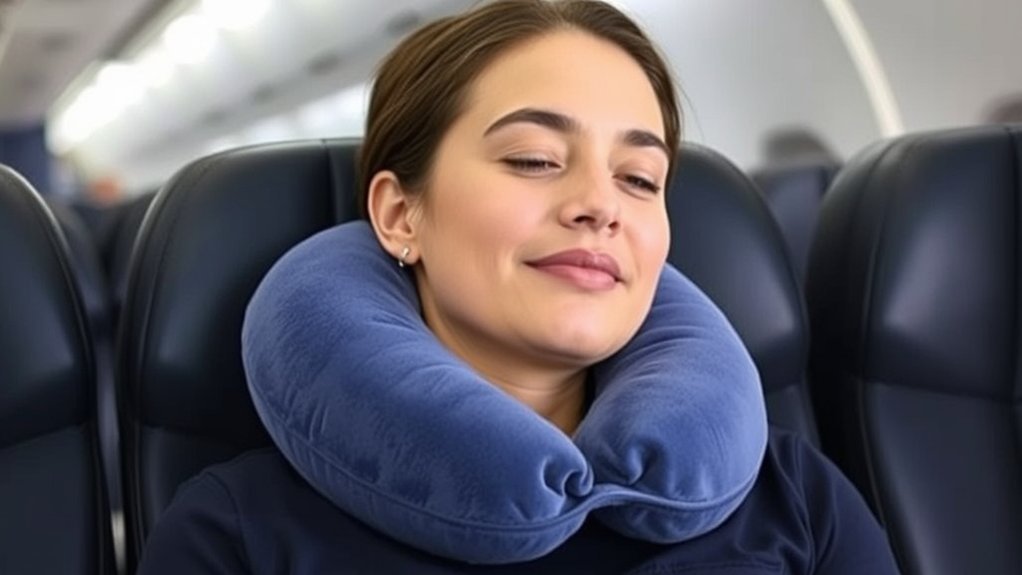
When traveling in an upright transit seat, your neck muscles continually work to hold your head balance—weighing roughly 10 to 12 pounds—in a vertical posture. As you fall asleep, muscle tone decreases, causing the head to snap forward or side-to-side. According to ergonomic spinal studies published via PubMed, providing adequate external support to the cervical spine reduces head tilt angle and significantly lowers strain on surrounding ligaments.
“Maintaining neutral cervical alignment while sleeping upright minimizes strain on neck muscles and prevents sudden head movements during deep sleep cycles.”
High-density memory foam travel pillows conform to your unique anatomical contours, delivering pressure relief superior to traditional air pillows. By integrating targeted cervical support into your flight or road trip routine, you enhance sleep quality and arrive at your destination refreshed and pain-free.
Selecting the Best Travel Pillow Based on Your Travel Style
Choosing the ideal travel pillow depends largely on your luggage capacity, destination duration, and preferred sleep posture. Evaluating materials according to guidance from sleep authorities like the Sleep Foundation ensures optimal rest during journey times:
- Memory Foam Pillows: Best suited for long-haul flights and overseas trips. High-density viscoelastic foam molds to your neck, absorbing micro-vibrations from plane engines or vehicle motion.
- Inflatable Pillows: Ideal for backpackers, carry-on minimalists, and quick weekend journeys. They deflate flat into pocket-sized pouches, allowing customized firmness adjustments through inflation levels.
- Microbead Pillows: Lightweight and squishy, these provide flexible support but offer lower structural stiffness over long periods.
- Wrap-Around & Internal Support Wraps: Innovative designs (such as fleece scarf wraps with internal plastic ribs) hold the neck upright without requiring a bulky rear cushion.
Pro Tip: If you tend to tilt sideways toward airplane windows, choose a pillow with raised side bolsters or asymmetrical contouring for targeted lateral support.
How to Properly Position Your Travel Pillow for Comfort
The most widespread travel pillow mistake is placing the bulk of a U-shaped cushion behind the neck while sitting upright. Airplane seats are already inclined slightly forward at the headrest; placing a thick cushion behind your head pushes your neck forward into an unnatural posture, aggravating spinal strain.
- The Chin-Support Hack (Reversed Placement): Place the wide, bulky curve of the pillow directly under your chin with the opening facing backward toward your spine. Secure the front straps snugly. This supports your jaw and stops forward head drops entirely.
- Standard Side-Support Placement: If resting sideways, angle the thickest section toward your leaning shoulder to fill the gap between your neck and seat backrest.
- Window Seat Tilt: Rotate the pillow 45 degrees so the thickest bolster cradles the angle between your jawline and the aircraft interior wall.
Adjusting Your Travel Pillow for Maximum Support
Proper adjustment ensures your pillow stays securely in place as your muscles relax into deeper sleep stages.
Finding The Right Fit
Place the pillow snug around your neck, tightening toggle straps until the pillow makes contact with your jawline and trapezius muscles without compressing your airway. A proper fit prevents horizontal sliding when plane motion shifts.
Adjusting For Comfort
When using wrap-around or strap-based pillows, adjust the front closure so it feels firm yet non-restrictive. You should be able to comfortably slide two fingers between the pillow collar and your neck.
Experimenting With Positions
Don’t hesitate to alter your pillow positioning mid-flight. As you adjust your seat back recline, shift the pillow angles to match your modified posture.
Avoid These Common Travel Pillow Mistakes
Recognizing misuse patterns helps guarantee optimal spinal relief throughout your travels.
Wearing Pillow Backward
Wearing a U-shaped pillow with the open gap facing forward offers zero chin support. As you fall asleep, your jaw drops forward into empty space, triggering rapid awakenings and neck strain.
Incorrect Placement Techniques
- Placing Cushion Behind Upper Head: Pushing the head forward breaks neutral spine alignment. Ensure the support sits low against the neck collarbone.
- Sitting Completely Vertical: Sleeping at a exact 90-degree angle increases gravity pull on the head. Recline your seat slightly (where allowed and courteous) to reduce neck load.
- Loose Strap Adjustments: Leaving toggles unfastened allows the pillow to drift away from your head during movement.
Ignoring Adjustability Options
Modern travel pillows incorporate drawstrings, clips, and seat-tethering straps designed by physical therapy experts to stabilize the head. Ignoring these features negates much of the pillow’s ergonomic benefit.
Travel Accessories That Boost Pillow Comfort
Combine your travel pillow with complementary accessories for optimal in-transit rest:
- Contoured Eye Masks: Block out cabin ambient lighting without pressing against eyelids.
- Active Noise-Cancelling Headphones: Eliminate low-frequency engine hum to promote rapid sleep onset.
- Compact Travel Blankets: Maintain body warmth in air-conditioned cabins.
- Graduated Compression Socks: Encourage venous blood circulation during long seated stretches, as recommended by healthcare professionals.
How to Maintain Your Travel Pillow for Longevity
Proper cleaning and storage protect travel pillow hygiene and prolong foam lifespan.
Warning: Never submerge memory foam cores in water or place them in automated washing machines. Moisture breaks down viscoelastic cell structures, causing loss of support and mold growth.
- Removable Covers: Unzip and wash fabric covers in cold water on a gentle cycle using mild detergent. Air dry to prevent shrinkage.
- Memory Foam Cores: Spot-clean light stains using a damp cloth moistened with mild soapy water. Allow to air dry completely away from direct sunlight.
- Inflatable Pillows: Wipe vinyl surfaces with antibacterial wipes and ensure the cushion is completely dry before deflating and storing in compact travel pouches.
What Travelers Say About Their Travel Pillow Experiences
Frequent flyer feedback highlights consistent themes regarding neck support during long trips:
- Enhanced Sleep Durability: Travelers who adopt the “chin-forward” reversed pillow technique report significantly fewer middle-of-the-flight awakenings.
- Portability Preference: Users emphasize purchasing pillows featuring outer clip carabiners to fasten gear easily to carry-on handles.
- Ergonomic Satisfaction: Viscoelastic memory foam consistently receives higher comfort ratings compared to traditional inflatable air cushions.
Frequently Asked Questions
Can I Use a Travel Pillow on a Bus or Train?
Yes. Travel pillows work exceptionally well on buses, trains, and long car rides by absorbing vehicle motion and vibrations that disturb head alignment during sleep.
Are Travel Pillows Machine Washable or Hand Wash Only?
Most outer plush covers are machine washable. However, memory foam inner cores must only be spot-cleaned by hand, while inflatable travel pillows should be wiped down with damp cloths.
Do Travel Pillows Come in Different Sizes for Adults and Children?
Yes. Children’s travel pillows feature narrower neck openings and smaller bolster heights to fit child anatomy comfortably without pushing their heads forward unnatural distances.
How Do I Store My Travel Pillow When Not in Use?
Store memory foam travel pillows uncompressed in cool, dry closets. Use breathable storage sacks rather than airtight plastic bags to prevent moisture entrapment.
Can I Inflate or Deflate My Travel Pillow for Better Portability?
Yes, inflatable travel pillows feature quick-release valves that allow complete deflation into compact sizes, saving valuable carry-on luggage space.
Conclusion
Mastering how to use a travel pillow effectively transforms exhausting travel days into relaxing journeys. By selecting the ideal pillow construction for your travel style, securing toggles properly, and utilizing forward-facing chin support techniques, you protect your neck from strain and arrive rested at your final destination.
Sources
- National Institutes of Health (PubMed) — Cervical Ergonomics & Spinal Alignment Studies
- Sleep Foundation — Travel Sleep Hygiene & Pillow Material Guidance
- American Chiropractic Association — Postural Health During Prolonged Sitting
