
Last Updated on September 10, 2026 by Daniel Globe
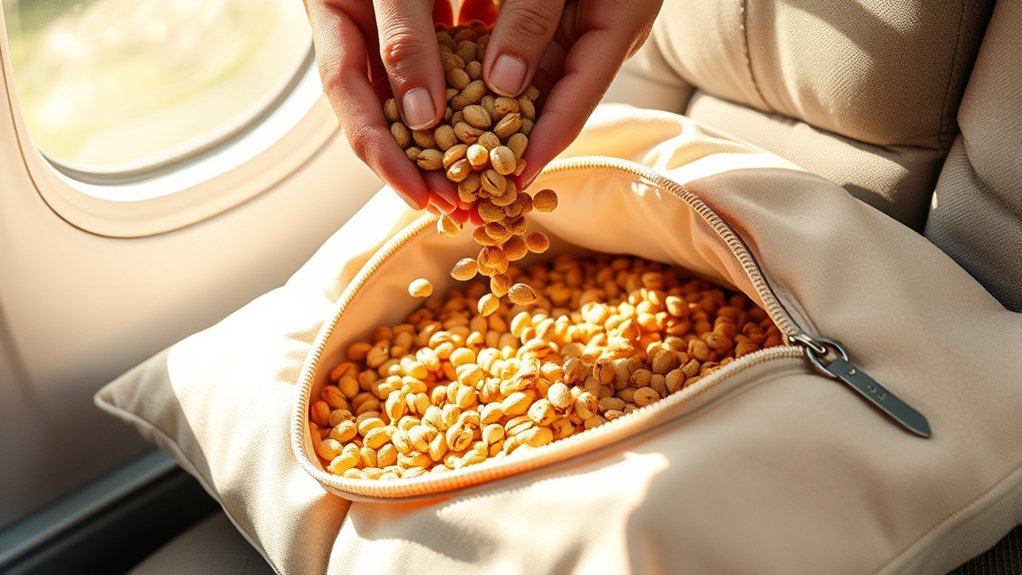
Replacing the buckwheat hulls in a travel pillow is a simple way to restore its loft and adjust how firm it feels. The key is to work in a clean, dry area, control the loose filling, inspect the old hulls before reusing them, and keep all moisture away from the refill.
Quick Answer
Open the pillow’s refill zipper over a large container, remove and inspect the old hulls, and wash only the empty cover if its care label allows it. Once the cover is completely dry, add clean pillow-grade buckwheat hulls in small amounts, test the firmness, and close the zipper fully.
Key Takeaways
- Work over a tub, box, or large bag so loose hulls do not spread across the floor.
- Replace hulls when they are crushed, dusty, contaminated, musty, or no longer provide enough loft.
- Never wash the hull-filled pillow or return hulls to a damp cover.
- Add new hulls gradually because an overfilled travel pillow can feel hard and restrict adjustment.
- Stop using the pillow if it causes wheezing, hives, facial itching, or other possible allergy symptoms.
At a Glance
| Time Required | About 10–20 minutes, excluding cover washing and drying time |
| Difficulty | Easy |
| Tools Needed | Large container or bag, scoop or measuring cup, wide funnel, clean replacement hulls, and a dry cloth |
| Cost | Varies by supplier and quantity; a small travel pillow normally uses much less fill than a bed pillow |
Disclosure: As an Amazon Associate I earn from qualifying purchases. Some links on this page are affiliate links, at no extra cost to you.
How to Access and Empty Your Travel Pillow of Buckwheat Hulls
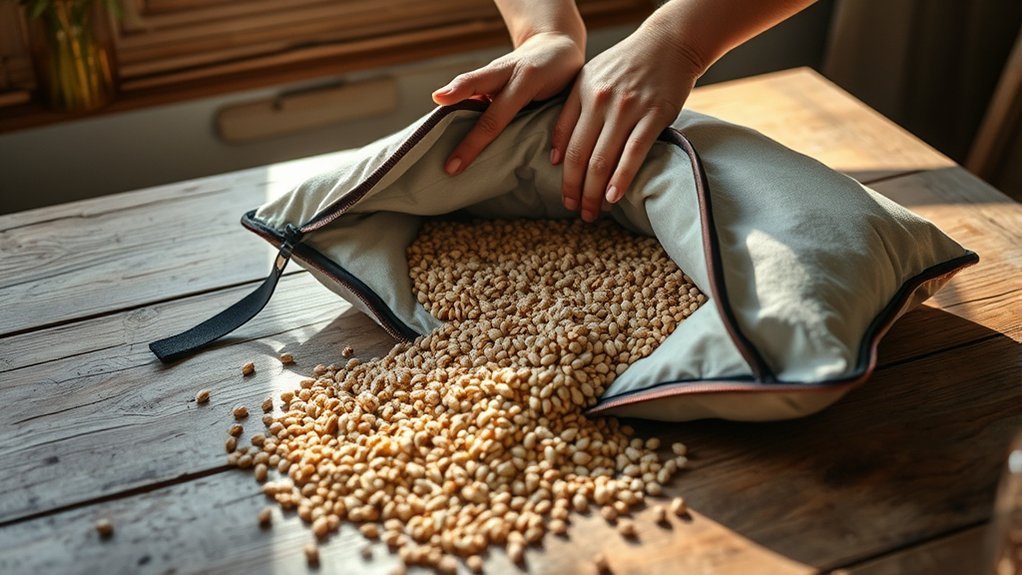
Start by checking the pillow for a concealed zipper. It may be along an outside seam, beneath a fabric flap, or inside a removable outer cover. Some U-shaped travel pillows have more than one filling chamber, so inspect the entire edge before opening anything.
What You Need
- A bathtub, storage tub, cardboard box, or other contained work area
- A large paper bag, clean pillowcase, or rigid container for the old hulls
- A scoop or measuring cup
- A wide-mouth funnel
- Clean, dry replacement buckwheat hulls
- A dry cloth for wiping the zipper and work surface
- A second person to hold the pillow, if available
Warning: Buckwheat hulls are small, loose pieces. Keep children and pets away from the work area, and do not refill the pillow near a fan, open window, or floor vent.
Step 1: Prepare a Clean, Dry Work Area
Place the pillow inside a large container or position its zippered end inside an open bag. This catches hulls that escape when you open the zipper. Make sure your hands, tools, container, and work surface are completely dry.
Step 2: Open the Zipper Slowly
Hold the pillow so the zipper faces upward. Open only a few inches at first and check whether the filling is pressing against the opening. If it is, gently move some hulls away from the zipper before opening it farther.
Do not force a stuck zipper. Brush away trapped hull fragments, straighten the fabric, and move the slider in short, gentle motions. Forcing it can separate the zipper teeth or tear the cover.
Step 3: Empty the Old Hulls
Guide the zipper opening into your container and pour slowly. A scoop gives you more control than turning the pillow upside down all at once. Turn the empty cover inside out, when possible, to remove hulls and dust trapped in the corners.
Pro Tip: Place the zippered end inside a clean pillowcase before opening it. The pillowcase acts as a large chute and helps contain spills while you transfer the hulls.
Step 4: Inspect the Hulls Before Reusing Them
Spread a small amount in a shallow tray and examine it under good light. Reusable hulls should be dry, mostly intact, and free from visible mold, insects, unusual stains, or a persistent musty smell.
Consider a complete replacement when:
- The pillow has lost substantial height even after you gather the hulls beneath your neck.
- Many hulls are crushed into flat pieces or fine dust.
- The fill has become difficult to shape.
- The hulls have a musty, sour, smoky, or contaminated odor.
- The pillow was soaked with coffee, juice, urine, vomit, or another difficult-to-remove liquid.
- You see mold or cannot dry slightly damp hulls completely.
If the old hulls are still clean and usable, you can keep them and add a smaller amount of fresh fill. This is often enough when the pillow needs only a little more loft.
Step 5: Clean the Empty Cover if Needed
Follow the pillow manufacturer’s care label. Many zippered cotton covers can be washed after every hull has been removed, but the exact method varies. General buckwheat-pillow cleaning guidance recommends cool water and air-drying for compatible covers because heat may shrink cotton.
Do not wash or soak the buckwheat hulls. Do not refill the cover until its seams, zipper tape, corners, and inner fabric are completely dry.
Note: Freezing a pillow may cool it, but it does not wash the filling, remove buckwheat allergens, or draw moisture out of damp hulls.
Why Replace Buckwheat Hulls in Your Travel Pillow?
Buckwheat hulls gradually rub, crush, and lose volume during use. As this happens, the pillow may feel flatter, hold its shape less effectively, and contain more fine material. Manufacturer guidance recommends judging the filling by its condition rather than following one fixed replacement date.
Fresh or intact hulls can help you:
- Restore loft: Replacement fill raises areas that have become too flat.
- Improve adjustability: Intact hulls move and settle more predictably than heavily crushed material.
- Customize firmness: You can add or remove fill until the pillow suits your neck and travel position.
- Remove damaged filling: Replacement is the safer option when old hulls are contaminated, moldy, persistently damp, or strongly odorous.
Replace buckwheat hulls because their condition has declined, not simply because a fixed number of years has passed.
Top Off or Replace All the Hulls?
| Condition | Best Approach |
|---|---|
| The hulls are clean and intact, but the pillow is slightly low. | Add a small amount of fresh fill. |
| The pillow feels too firm or too tall. | Remove and store some hulls rather than replacing them. |
| A large share of the fill is flat, dusty, or difficult to shape. | Replace most or all of the filling. |
| The filling is moldy, soaked, contaminated, or strongly odorous. | Discard the affected hulls and use fresh fill. |
Choosing the Best Buckwheat Hulls for Replacement
Choose hulls sold specifically for pillow or cushion filling. Look for clean, intact material with little flour residue, plant debris, or fine dust. Avoid crushed landscaping hulls, roasted hulls, or any product with moisture, mold, insects, or an unexplained odor.
Organic certification can be one buying factor, but it does not guarantee that the hulls are intact, clean, low-dust, or suitable for a pillow. Physical quality and careful processing matter as well.
| Feature | Why It Matters | What to Choose |
|---|---|---|
| Cleaning | Reduces flour residue, debris, and excess dust. | Air-cleaned or thoroughly cleaned pillow-fill hulls |
| Condition | Intact hulls retain more volume and are easier to shape. | Mostly whole, springy hulls rather than flat fragments |
| Dust level | Fine material can escape through fabric and may bother sensitive users. | Low-dust fill in sealed, dry packaging |
| Size and density | Very small or crushed material can pack densely and reduce open space. | Reasonably full-sized, intact hulls suitable for pillows |
| Source information | Clear processing and storage details make product quality easier to judge. | A supplier that explains cleaning, storage, and intended use |
| Organic certification | May matter to buyers who prefer certified agricultural products. | Optional, but not a substitute for cleanliness and intactness |
For example, Hullo currently lists replacement hulls in 5-, 10-, and 20-pound quantities. A travel pillow usually needs only a fraction of the amount required for a standard bed pillow, so measure the old fill or ask the pillow manufacturer before buying a large package.
Fill Your Pillow to the Desired Firmness
Step 1: Check the Empty Cover
Inspect the zipper, stitching, corners, and inner fabric. Repair or replace the cover before refilling if you see a split seam, widening hole, damaged zipper, or fabric thin enough for hull fragments to escape.
Step 2: Insert the Funnel
Place a wide funnel inside the zipper opening. Hold the fabric around the funnel to reduce gaps. If the opening is too narrow for a funnel, use a small measuring cup and add one scoop at a time.
Step 3: Add Hulls Gradually
Begin with less fill than you think you need. Shake and massage the pillow after every few scoops so the hulls settle into the ends and corners. For a multi-chamber pillow, divide the fill evenly unless its design calls for different support in each area.
Step 4: Test the Pillow
Close the zipper temporarily and use the pillow in your normal travel position. Test it against a seat, bed, or wall rather than judging it only with your hands.
- If your head is pushed forward or the pillow feels rigid, remove some hulls.
- If your neck falls into an unsupported gap, add a small amount.
- If one side feels heavier, reopen the pillow and redistribute the fill.
- If the pillow changes position easily but still holds the shape you create, the fill level is usually close to right.
There is no single correct fill weight for every travel pillow. Pillow dimensions, chamber design, body size, sleeping position, and personal preference all affect the amount you need.
Step 5: Close and Inspect the Zipper
Move all hulls away from the zipper track. Close the zipper completely, including the final section beneath any fabric flap. Gently squeeze and turn the pillow over your container to check for escaping hulls before using or packing it.
Pro Tip: Store any clean extra hulls in a sealed, clearly labeled bag inside a cool, dry cabinet. You can use them later when the pillow needs a small loft adjustment.
Tips for Keeping Your Buckwheat Pillow Lasting Longer
- Use a removable outer pillowcase: Wash it regularly so the inner hull cover needs less frequent cleaning.
- Keep the pillow dry: Do not use it with wet hair or store it in a damp vehicle, bathroom, basement, or travel bag.
- Air it after travel: Remove it from its luggage and allow it to air in a dry room before storage.
- Inspect it periodically: Check the zipper, seams, odor, dust level, and loft rather than replacing the fill on an automatic schedule.
- Store extra hulls carefully: Keep them sealed, dry, and away from insects, pets, strong odors, and direct moisture.
- Follow the care label: Cover materials and washing instructions differ between manufacturers.
If the hulls become slightly damp from plain water, remove them promptly and spread them in a thin layer on a clean, dry surface with gentle airflow. Limited sunlight may help with drying, but protect the hulls from wind, animals, and sudden rain. Do not refill the pillow until they are completely dry.
If the filling becomes soaked, moldy, or contaminated by a difficult liquid, replacement is usually safer and more practical than trying to wash it.
Troubleshooting Common Buckwheat Travel Pillow Problems
The Pillow Has No Zipper
Check for a hidden opening beneath the outer cover and review the manufacturer’s instructions. If there is no refillable opening, cutting a seam can permanently damage the pillow and requires secure sewing afterward. Replacing the pillow may be more practical if you cannot reseal the cover reliably.
The Pillow Is Too Hard
Remove one scoop at a time, close the zipper, and test again. Buckwheat pillows often feel firmer than foam or fiber pillows, but they should not force your head or neck into an uncomfortable position.
The Pillow Is Too Flat
Gather the existing hulls beneath the area needing support. If that does not restore enough loft, add a small quantity of fresh hulls. Replace more of the filling if the old material is extensively crushed.
Hulls Keep Escaping
Check that the zipper is fully closed and that no hull fragment is blocking the teeth. Inspect the seams and fabric for holes. Do not continue using the pillow until the opening is repaired because loose hulls may spread inside bedding, luggage, or a vehicle.
The Pillow Smells Musty
Empty and inspect it immediately. Do not cover the odor with fragrance. Discard hulls that show mold, remain damp, or keep their musty smell after thorough drying. Wash the empty cover only as its care label permits and dry it completely.
The Hulls Produce a Lot of Dust
Some fine material develops as hulls rub and break down. Replace the filling if dust is escaping through the fabric, collecting inside the cover, or bothering your nose, eyes, or breathing.
Allergy Warning: Buckwheat can cause allergic reactions after ingestion, contact, or inhalation in susceptible people. Stop using the pillow if you develop facial itching, hives, sneezing, wheezing, or worsening asthma. Seek urgent medical help for breathing difficulty, throat tightness, faintness, or a severe reaction. Published reports have linked buckwheat-pillow exposure with respiratory and allergic symptoms.
Frequently Asked Questions
How often should I replace buckwheat hulls in my pillow?
There is no universal one-, two-, or three-year schedule. Inspect the fill and replace it when substantial crushing, dust, lost loft, poor moldability, moisture damage, contamination, mold, or persistent odor affects the pillow. A small top-up may be enough when the existing hulls remain clean and intact.
Can I mix different types of hulls in my pillow?
You can combine clean, dry pillow-grade hulls, but similar sizes and quality levels usually produce a more even feel. Avoid mixing fresh fill with hulls that are moldy, contaminated, unusually dusty, or badly crushed.
Where can I buy high-quality buckwheat hulls?
Look for bedding manufacturers, cushion suppliers, or agricultural-product sellers that clearly state the hulls are intended for pillows. Choose dry, intact, low-dust material and review the supplier’s cleaning, processing, and storage information.
Are there any allergies associated with buckwheat hulls?
Yes. Buckwheat is a recognized allergen, and flour residue or particles associated with hull pillows can cause symptoms in susceptible people. Avoid the pillow if you have a known buckwheat allergy, and stop using it if exposure causes itching, hives, nasal symptoms, wheezing, or asthma.
How do I clean my travel pillow after replacing the hulls?
Wash the removable outer pillowcase according to its label. If the zippered inner cover is washable, empty every hull first, wash it as directed, and let it dry completely before refilling. Do not machine-wash or soak a pillow while the hulls are inside.
Can I reuse the old buckwheat hulls?
Yes, provided they remain dry, clean, mostly intact, and free from mold, insects, contamination, and strong odors. You can mix usable old hulls with a small amount of new fill to restore loft.
How much buckwheat fill does a travel pillow need?
The amount depends on the pillow’s dimensions, shape, number of chambers, and your preferred firmness. Measure the usable old fill when possible, begin with less than the pillow can hold, and add small amounts until it supports you comfortably.
Can I put the hulls in a freezer to clean them?
No. Freezing is not a substitute for washing the cover, removing contamination, or drying damp hulls. It also does not remove buckwheat allergens. Inspect the filling and replace it if it is moldy, contaminated, or cannot be dried completely.
Conclusion
To replace buckwheat hulls in a travel pillow, control the loose filling, inspect the old material, clean only the empty cover when permitted, and add fresh hulls gradually. Test the pillow before finalizing the fill because a small adjustment can change its height and firmness. Keeping the pillow clean, dry, and securely closed will help the replacement fill remain usable for longer.
Sources
- Hullo: How to Clean Buckwheat Pillows — supports empty-cover washing, drying, spill handling, and replacement guidance.
- Hullo: When to Replace Buckwheat Pillow Filling — supports condition-based replacement and signs of hull degradation.
- Hullo: Buckwheat Hulls for Pillows — supports current package sizes and pillow-fill selection details.
- PubMed: Buckwheat Allergy — documents allergic reactions associated with ingestion and buckwheat-pillow exposure.
- Clinical Findings of Childhood Buckwheat Allergy — discusses buckwheat allergy and prior exposure to buckwheat-husk pillows.
