
Last Updated on July 30, 2026 by Caleb Warren
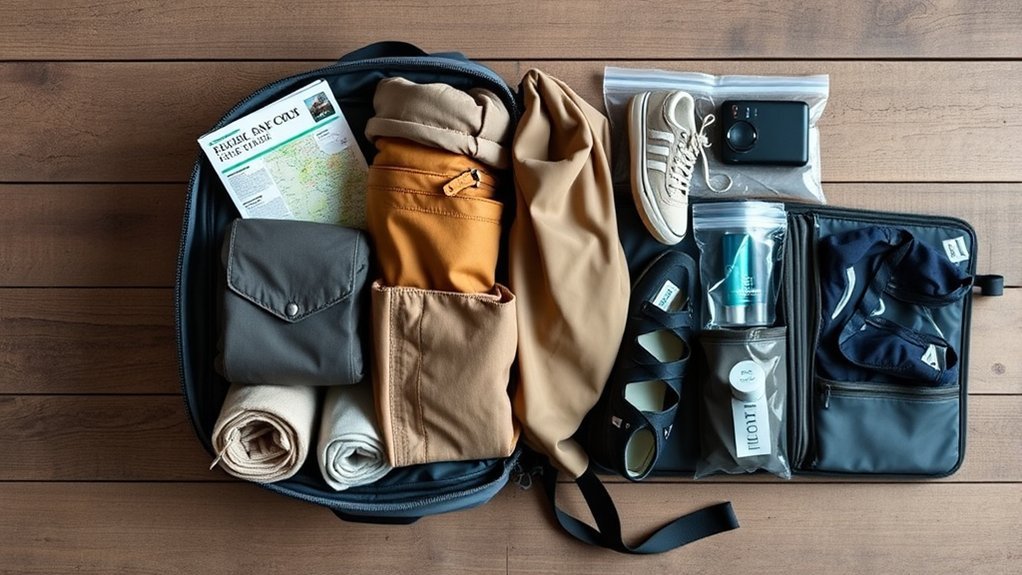
Packing for Europe in a backpack is less about squeezing in everything you might use and more about choosing a compact kit that works across flights, trains, city walks, and changing weather. Start with the strictest baggage rule on your itinerary, build a small mix-and-match wardrobe, and plan to do laundry. The result is a lighter bag that is easier to carry and less likely to trigger surprise fees.
Quick Answer
To pack for Europe in a backpack, choose a bag that meets the smallest airline limit on your route, usually 28L to 35L for carry-on-focused travel. Pack four or five tops, two bottoms, layers, one rain shell, compact toiletries, documents, medication, chargers, and comfortable shoes. Keep the total weight within your airline’s limit.
Key Takeaways
- There is no universal European carry-on size. Check every airline and pack for the strictest rule.
- A 30L to 35L backpack can work for a week or longer when you pack a capsule wardrobe and wash clothes during the trip.
- Bag dimensions matter more than the liter rating, especially on budget airlines with small under-seat allowances.
- Keep passports, medication, valuables, electronics, and power banks accessible in your cabin bag.
- Test-pack the bag, weigh it, and walk with it before departure.
At a Glance
| Time Required | About 45 to 90 minutes for planning, packing, weighing, and one test carry |
| Difficulty | Easy, with extra planning for winter trips or multiple airlines |
| Tools Needed | Backpack, packing cubes or pouches, toiletry bag, and luggage scale |
| Cost | $0 with gear you already own; about $20 to $80 for optional cubes, a scale, and an adapter |
Disclosure: As an Amazon Associate I earn from qualifying purchases. Some links on this page are affiliate links, at no extra cost to you.
Why Choose a Backpack for European Travel?
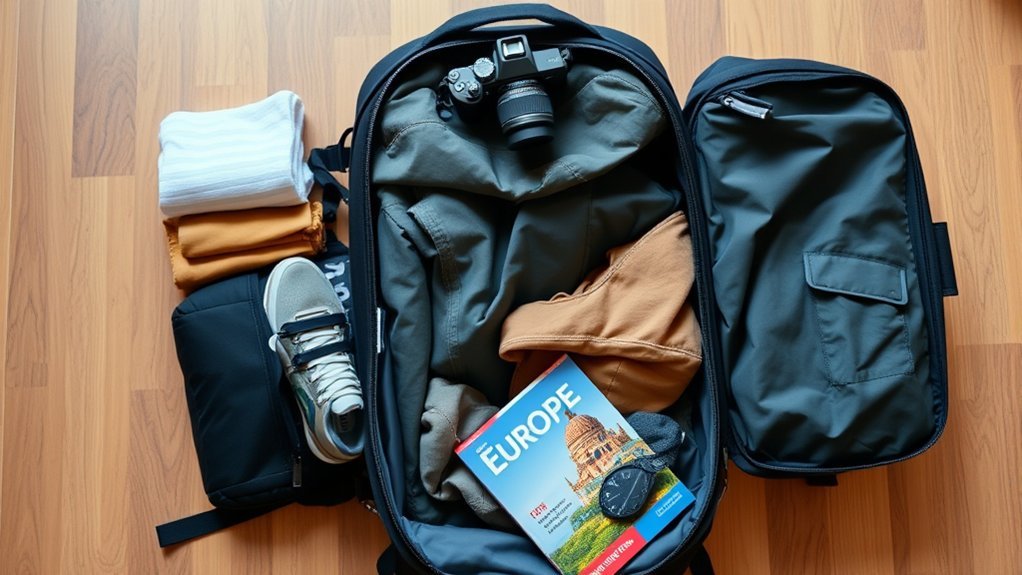
A backpack can be easier than a wheeled suitcase on stairs, cobblestones, crowded platforms, and short walks between stations and lodging. It also keeps both hands free when you need to scan a ticket, check a map, or board a train.
Carry-on-only travel may help you skip baggage claim and reduce the chance that an airline misroutes your main bag. It does not automatically eliminate baggage fees, however. Many European budget fares include only a small under-seat item, while an overhead bag costs extra.
The best backpack is not the one with the highest liter rating. It is the smallest bag that fits your airline rules, your torso, and the items you will actually use.
Products Worth Considering

Extra Shoe Bag & Wet Pocket: Large personal item backpack for women includes a bonus shoe bag to keep shoes separate from clothes and prevent dirt from spreading in your bag. The wet pocket of underseat carry on backpack is ideal for storing swimsuits, toiletries, helping keep the rest of your items dry. The thoughtful design makes the fashion backpack for women perfect for travel, everyday use

Extra Shoe Bag & Wet Pocket: Large carry on backpack for women includes a bonus shoe bag to keep shoes separate from clothes and prevent dirt from spreading in your bag. The wet pocket of suitcase school backpack for travel purse is ideal for storing swimsuits, toiletries, helping keep the rest of your items dry. The thoughtful design makes the travel laptop backpack for shcool women perfect for travel, everyday use. The travel backpack with water bottle pocket fits a Stanley 30 oz (900ml) cup
Selecting the Right Backpack Size
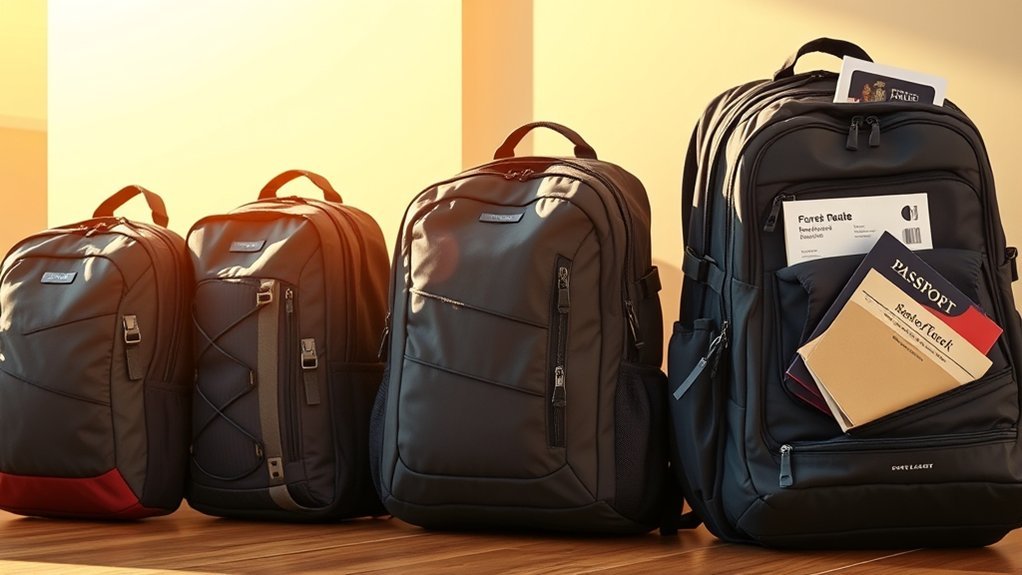
For many travelers, a 30L to 35L backpack provides enough room for a compact wardrobe, toiletries, and electronics. A 26L to 30L bag is easier to fit under some seats, while a 35L bag gives you more room for cold-weather layers. The liter rating is only a volume estimate, so always compare the bag’s outside measurements with the airline’s published limits.
Products Worth Considering

FITS UNDER THE SEAT - NO BAG FEES: 18.11" × 12.2" × 9.44" meets Spirit, Frontier, and Delta personal item size limits. 35L holds 3–5 days of clothes, shoes, and a laptop. Clip it onto your rolling suitcase and walk through the terminal hands-free.
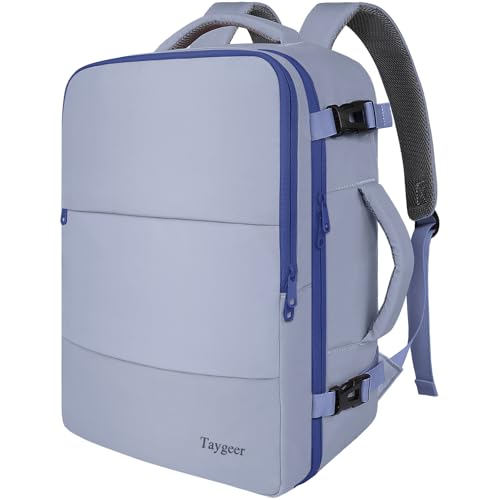
Extra Shoe Bag & Wet Pocket: The womens backpack includes a bonus shoe bag to keep shoes separate from clothes and prevent dirt from spreading in your bag. The wet pocket is ideal for storing swimsuits, toiletries, helping keep the rest of your items dry. The thoughtful design makes the backpack perfect for travel, everyday use

FLIGHT-READY DESIGN: Built for airport days, this carry on backpack meets common airline size needs at 12.5 x 8.5 x 18 inches (L31.8 x W21.6 x H45.7 cm). The 180° lay-flat main compartment makes clothing and travel essentials easy to pack, access, and organize
Carry-On Size Standards
There is no single carry-on standard for Europe. The International Air Transport Association notes that allowances vary by airline, cabin, and aircraft. As a general reference, many carriers use limits near 56 × 45 × 25 cm, but budget-airline fares can be much stricter.
| Example allowance | Maximum size | Weight and placement |
|---|---|---|
| IATA general reference | 56 × 45 × 25 cm (22 × 18 × 10 in) | Airline-specific; some limits start at 5 kg |
| Ryanair free small bag | 40 × 30 × 20 cm | Must fit under the seat |
| Ryanair Priority overhead bag | 55 × 40 × 20 cm | Up to 10 kg; overhead locker |
| Wizz Air free carry-on | 40 × 30 × 20 cm | Up to 10 kg; under the seat |
| Wizz Priority trolley bag | 55 × 40 × 23 cm | Up to 10 kg; overhead locker |
These examples were current on July 30, 2026, but airlines can change their policies. Recheck the allowance shown in your booking before you leave, including wheels, handles, straps, and external pockets.
Warning: Do not assume that a bag labeled “carry-on approved” is accepted on every flight. Your ticket’s dimensions, weight limit, and included baggage allowance control.
Ideal Backpack Volume
A 30L to 35L backpack is a practical range for many one- to two-week trips when you wash clothes every few days. Smaller travelers or warm-weather minimalists may be comfortable with 26L to 30L. Winter gear, camera equipment, or formal clothing may require a larger allowance or a checked bag.
The Cotopaxi Allpa 35L, for example, measures 22 × 12 × 10 inches (56 × 30 × 25 cm). Those dimensions are within IATA’s general reference, but the 25 cm depth exceeds the published overhead depth limits in the Ryanair and Wizz Air examples above. It may compress when underfilled, but acceptance is never guaranteed.
Pro Tip: Build a list of every flight, find the smallest allowed bag and lowest weight limit, and use those numbers as your trip-wide maximum. This prevents repacking or paying at the gate.
Test the Fit and Comfort
A good travel backpack should sit close to your back without pulling your shoulders backward. Load it with the same weight you expect to carry, adjust the shoulder straps and hip belt if provided, and walk for at least 20 minutes. Check for pressure on your neck, lower back, and hips.
- Choose padded straps and a back panel that feels comfortable against light clothing.
- Confirm that the bag opens wide enough for easy packing and security checks.
- Look for lockable or covered zippers rather than exposed outer pockets.
- Keep the empty bag’s weight modest because it counts toward the airline limit.
Packing Essentials for Your Trip
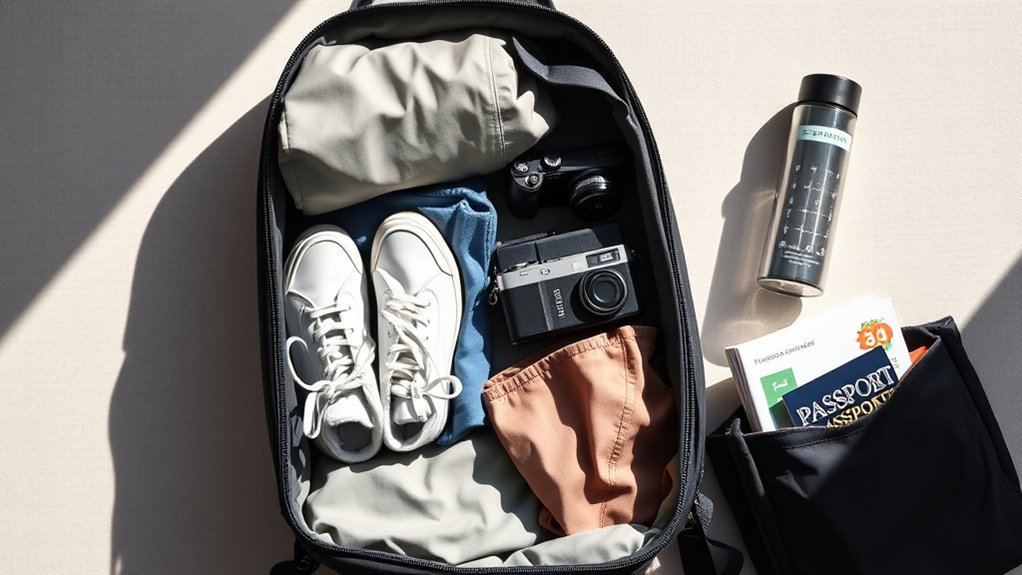
Pack for your normal travel routine, not every possible emergency. A useful starting point for a seven- to fourteen-day trip is four or five days of clothing plus a plan to wash it. Adjust the list for your season, activities, and access to laundry.
Products Worth Considering

SPACE-SAVING DESIGN FOR TRAVEL & HOME: Compact and efficient at 11'' L x 6.75'' W x 3'' H (each), these packing cubes fit perfectly in suitcases, duffel bags, backpacks, and totes, making them ideal for business trips, vacations, camping, and cruises. You can also use them at home to maximize closet space and keep items organized and easy to find.

How to Compress:The cube is compressed by the middle zipper; Using steps: 1)Fold and flatten clothes 2)Pack clothes in the cube and zip the front zipper 3) Put a finger on the back of the middle zipper when compressing to avoid zipper get stuck in fabric

【8PC Set Large Capacity】Different sizes of travel essential bag sets can store classified clothes, dirty clothes, bras, underwear, footwear, cosmetics, towels, toiletries and electronic accessories. It is a good travel companion.
Sample Europe Backpacking List
- Tops: Four or five breathable shirts, including one slightly dressier option
- Bottoms: Two pairs of pants, trousers, shorts, leggings, or a skirt that work with every top
- Layers: One light sweater or fleece and one packable rain shell
- Underwear and socks: Five pairs of each, using quick-drying options when possible
- Sleep and activity clothing: One compact sleep set and one swimsuit or exercise outfit if needed
- Shoes: One broken-in walking pair and, only when useful, one light sandal or flat
- Toiletries: Travel-size basics in a clear liquids bag, plus solid products where practical
- Health items: Prescription medication, copies of prescriptions, a few basic first-aid supplies, and any personal care items that are hard to replace
- Technology: Phone, charging cable, compact charger, plug adapter, earbuds, and optional power bank
- Documents and money: Passport, required visas or authorizations, insurance details, payment cards, and backup copies
- Daily carry: A packable daypack or secure crossbody bag that fits your accommodation and airline rules
Buy common shampoo, soap, and other easy-to-find items after arrival when that saves useful space. Do not rely on buying prescription medication abroad, and confirm that your medicines are legal at every destination.
Clothing Recommendations for Versatility
A capsule wardrobe makes a small backpack work. Choose two or three coordinating colors so every top matches every bottom. Favor simple shapes that can move from sightseeing to a casual restaurant with a change of layer or accessory.
- Warm weather: Light tops, breathable bottoms, a sun layer, and a compact rain shell
- Shoulder season: Base layers, a sweater or fleece, long pants, and a waterproof outer layer
- Cold weather: Thermal base layers, an insulating midlayer, weather-resistant outerwear, gloves, and a hat
Quick-drying synthetic fabrics and many wool blends can be worn several times and washed in a sink. Jeans are durable but dry slowly, so pack one pair at most if laundry access is limited. A bulky pea coat may be useful for a winter city trip, but a packable layered system is usually easier to carry across several climates.
Note: Europe covers many climates. Check the forecast for each city a few days before departure and revise the list rather than packing for a vague idea of “European weather.”
Organizing Your Backpack Efficiently
Good organization helps you find items without unpacking the whole bag in a train aisle or hostel room. It also makes it easier to see duplicates before you leave.
Use Packing Cubes
Use one cube for tops, one for bottoms, and one small cube or pouch for underwear and socks. Compression cubes can reduce bulk, but they do not reduce weight and can make an overfilled bag too thick for the airline sizer.
- Roll or fold clothing consistently so the cube closes without strain.
- Keep dirty laundry in a separate lightweight bag.
- Use a clear pouch for cables and small electronics.
- Place liquids where you can remove them quickly at airport security.
Prioritize Versatile Clothing
Lay out every planned outfit before packing. Remove any garment that works with only one other item, requires special care, or is included for a single unlikely event. Wear your bulkiest shoes and outer layer during transit when comfortable, but make sure you can remove layers easily at security and on warm trains.
Organize by Category
Pack by function instead of filling empty spaces at random:
- Back panel: Flat, heavier items such as a laptop or tablet in a padded sleeve
- Center of the bag: Dense clothing cubes close to your spine
- Bottom: Light, less frequently used items such as sleepwear
- Top or quick-access pocket: Rain shell, liquids bag, medication, and travel-day essentials
- Hidden or secure pocket: Backup card and copies of important documents, separate from the originals
Do not hang heavy shoes, bottles, or accessories from the outside of the bag. They can catch on doors, make the load unstable, and increase the measured size.
Toiletries, Medications, and Airport Security
When departing from an EU airport, liquids in hand luggage generally must be in containers no larger than 100 ml. Place them in one transparent, resealable bag with a capacity of up to one liter, unless an airport publishes different procedures or an exemption applies. Medicines and baby food have specific exceptions, but screening staff may request proof of need.
Review the current EU luggage restrictions before each flight. Remember that creams, gels, pastes, sprays, and many cosmetics count as liquids.
- Use solid soap, shampoo bars, or toothpaste tablets when they work for you.
- Keep prescription medication in its original labeled packaging.
- Carry enough medicine for the trip plus a small delay buffer.
- Bring copies of prescriptions and check destination rules for controlled or restricted medicines.
- Pack scissors, knives, trekking poles, and other sharp or restricted items only when permitted by the airline and airport.
Electronics, Adapters, and Battery Safety
Europe does not use one plug type. Type C, E, and F sockets are common in much of continental Europe, while the United Kingdom and Ireland use Type G. Italy, Switzerland, and several other destinations may use additional socket types. Check every country on your route before buying an adapter.
A plug adapter changes the shape of the plug; it does not convert voltage. Most modern phone and laptop chargers accept 100–240 volts, but check the input label on each device. Do not plug a 120-volt-only appliance into a 230-volt supply without a suitable voltage converter.
Warning: Spare lithium batteries and power banks belong in carry-on baggage, not checked baggage. If your backpack is gate-checked, remove them and keep them with you in the cabin. Review the current FAA PackSafe lithium-battery rules and your airline’s limits.
Weather Considerations and Layering
Plan for the actual places and dates on your itinerary. Coastal wind, mountain elevation, rain, and air-conditioned transport can matter as much as the season. A flexible three-layer system covers most trips:
- Base layer: A breathable shirt that manages sweat
- Midlayer: A sweater, fleece, or light insulated jacket
- Outer layer: A waterproof or water-resistant shell that blocks wind
In summer, keep one light layer for cool evenings and indoor spaces. In winter, prioritize thermal layers, warm socks, gloves, and a hat before adding multiple bulky fashion pieces. Check the forecast again 48 to 72 hours before departure and remove items that no longer fit the likely conditions.
Tips for Navigating Transportation With a Backpack
A compact bag is easier to manage on trains, buses, trams, ferries, and city streets. Keep aisles clear, remove the backpack before entering a crowded vehicle, and place it between your feet or on your lap rather than striking other passengers with it.
- Keep your passport, phone, and wallet in a zipped interior pocket or a secure bag worn in front.
- Close every zipper before moving through a station or crowd.
- Do not place valuables in an exposed bottle pocket or the top of an open daypack.
- Use luggage racks only when you can monitor the bag, and take essentials with you when leaving your seat.
- Save offline tickets, lodging addresses, and maps in case your connection fails.
A small crossbody bag can provide quick access, but choose one with secure closures and keep it in front of your body in busy areas. Avoid displaying large amounts of cash, and split payment cards between two secure locations.
Avoiding Overpacking and Unnecessary Items
Overpacking often begins with “just in case” items that duplicate something already in the bag. Use a simple test: you should be able to name when, where, and how you will use each item. If the answer is vague, leave it home.
- Skip full-size toiletries that are easy to buy locally.
- Avoid a separate outfit for every day; repeat and recombine pieces.
- Do not pack formal wear unless your itinerary requires it.
- Limit footwear because shoes use space and add weight quickly.
- Share chargers, adapters, and common toiletries with a travel partner when practical.
- Leave expensive jewelry and irreplaceable items at home.
Pro Tip: After packing, remove one nonessential clothing item and one “maybe” item. Then weigh the bag and climb a flight of stairs with it. Comfort during that test matters more than unused space.
Laundry While Backpacking in Europe
Plan laundry before departure so you do not compensate by carrying twice as many clothes. For a one- or two-week trip, washing every four to six days is a practical rhythm.
- Sink washing: Wash small quick-drying items with a small amount of gentle soap, rinse well, press water out in a towel, and hang where permitted.
- Laundromats: Save map locations near longer stays and carry a payment method accepted by the machines.
- Hostels and hotels: Ask about machines, service prices, drying rules, and turnaround time before handing over clothing.
- Drying: Do not pack damp clothing. It can create odor and transfer moisture to the rest of the bag.
Choose at least one outfit that can be worn while nearly everything else is being washed. A lightweight laundry bag keeps clean and worn items separate.
Important Travel Documents and Comfort Items
Entry rules depend on your citizenship, destination, route, and trip length. For many non-EU visitors entering the Schengen Area, a passport must be valid for at least three months after the planned departure and must have been issued within the previous 10 years. Confirm the exact rule on the official EU travel-documents page and with each destination before booking.
As of July 30, 2026, ETIAS was not yet operating. The EU had announced an expected start in the last quarter of 2026 and said it would publish the specific date before launch. Check the official site close to departure rather than paying an unofficial application website.
- Original documents: Passport, visa or authorization when required, driver’s license if needed, and insurance information
- Backups: Paper and encrypted digital copies stored separately from the originals
- Money: Two payment cards, a small amount of local cash, and issuer contact details
- Health: Medication, prescription copies, allergy or medical information, and emergency contacts
- Reservations: Flight, rail, lodging, and activity confirmations available offline
- Comfort: Refillable bottle, earplugs, eye mask, light scarf, and a compact neck pillow only if you regularly use one
Review travel insurance for emergency medical care, medical evacuation, trip interruption, and the activities you plan to do. Coverage varies, so read exclusions and limits instead of choosing by price alone. The U.S. Department of State travel-insurance checklist provides a useful set of questions for U.S. travelers.
Final Pre-Departure Check
- Confirm the baggage allowance for every flight and fare.
- Measure the packed bag at its widest, tallest, and deepest points.
- Weigh it with all travel-day items inside.
- Remove duplicates, heavy extras, and items you can easily buy after arrival.
- Place liquids, documents, medication, and electronics where they are easy to reach.
- Confirm entry documents, insurance, reservations, and medication rules.
- Walk with the backpack and adjust the fit before leaving home.
Frequently Asked Questions
How do I choose the best travel shoes for backpacking?
Choose a broken-in pair with enough cushioning and grip for long days on pavement, stairs, and uneven streets. Wear them on several full-day walks before the trip. Add a second pair only when it serves a clear purpose, such as sandals for warm weather or a flat shoe for dressier plans.
What are the best packing techniques for maximizing space?
Use small packing cubes, roll or fold clothes consistently, fill shoes with socks, and keep shapes flat near the back panel. Compression can reduce bulk, but stop before the bag becomes too deep for the airline sizer. Removing an item is more effective than forcing an overfilled bag closed.
How can I wash clothes while traveling in Europe?
Wash quick-drying items in a sink with a small amount of gentle soap, use a laundromat, or ask your lodging about machines or laundry service. Press hand-washed clothing in a towel instead of wringing it, then allow enough time for it to dry completely.
What types of travel insurance should I consider?
Compare emergency medical, medical evacuation, trip cancellation or interruption, delay, and baggage coverage. Check the geographic area, trip dates, exclusions, deductibles, limits, pre-existing-condition terms, and whether planned activities such as hiking or cycling are covered.
How do I manage laundry while backpacking through multiple countries?
Schedule laundry during a two-night stay rather than on a transfer day. Save laundromats near your lodging, keep a small soap supply and laundry bag, and maintain one clean outfit while the rest is washing. Check opening hours and payment methods before arriving.
Is a 35L backpack enough for two weeks in Europe?
For many travelers, yes. Pack four or five days of coordinated clothing, wash items during the trip, and keep shoes and toiletries limited. Cold-weather clothing, specialized sports gear, or formal events may make 35L too tight.
Is the Cotopaxi Allpa 35L accepted as carry-on luggage?
It fits some carry-on limits but not all. Its published size is 56 × 30 × 25 cm, and the 25 cm depth is larger than some budget-airline overhead limits. Compare the packed bag with the exact allowance in your fare, and do not rely on the product label alone.
Can I put a power bank in my checked bag?
No. Spare lithium batteries and power banks must be carried in the aircraft cabin and protected from short circuits. If your carry-on is taken at the gate, remove the power bank before the bag is placed in the hold.
Conclusion
A well-packed Europe backpack should support the trip instead of becoming a burden. Start with the strictest airline rule, choose a comfortable bag, build a compact wardrobe, and plan laundry rather than packing an outfit for every day. Keep documents, medication, valuables, and batteries accessible, then measure, weigh, and test-carry the finished load. A little discipline before departure gives you more freedom once the journey begins.
Sources
- International Air Transport Association: Passenger Baggage Rules — explains that cabin-bag size and weight allowances vary by airline, cabin, and aircraft.
- Cotopaxi: Allpa 35L Travel Pack — provides the manufacturer’s current capacity and dimensions.
- European Union: Luggage Restrictions — covers cabin liquids and other airport-security restrictions.
- European Union: Travel Documents for Non-EU Nationals — supports passport-validity and Schengen entry guidance.
- European Union: Official ETIAS Website — provides the current ETIAS launch status.
- Federal Aviation Administration: PackSafe Lithium Batteries — explains cabin requirements for spare batteries and power banks.
