
Last Updated on July 30, 2026 by Caleb Warren
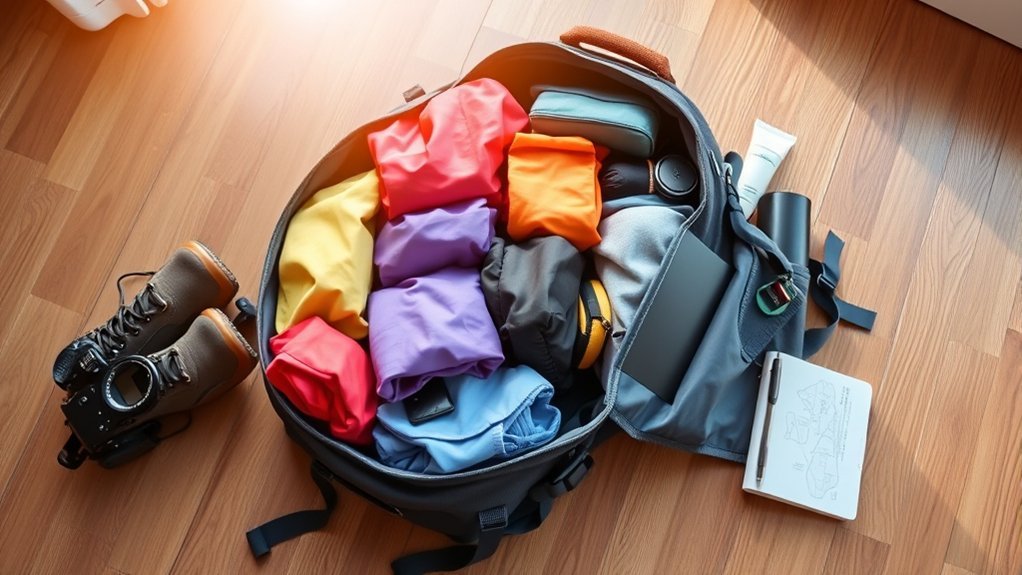
Packing for a month in one backpack works when you pack for about a week, plan to do laundry, and choose every item around your route, weather, and activities. A compact capsule wardrobe, two useful pairs of shoes, small toiletries, protected documents, and carefully packed tech can cover four weeks without turning your backpack into a burden.
Quick Answer
To pack for a month in one backpack, pack seven days of versatile clothing and wash it every five to seven days. Choose the smallest comfortable backpack that meets your airline’s limits, limit footwear, use travel-size toiletries, keep medication and power banks in your carry-on, and test the fully loaded bag before leaving.
Key Takeaways
- Pack for one week, not for 30 separate days, and plan regular laundry.
- Check your airline’s exact bag dimensions and weight limit; backpack capacity in liters does not guarantee carry-on acceptance.
- Build outfits from a small color-coordinated capsule wardrobe and limit yourself to two footwear choices when possible.
- Use TSA-compliant liquid containers and keep medications, travel documents, valuables, and power banks accessible in your carry-on.
- Measure, weigh, and walk with the packed backpack before your trip so you can remove unnecessary items.
At a Glance
| Time Required | About 60–90 minutes, plus a short loaded test walk |
| Difficulty | Easy to moderate |
| Tools Needed | Packing list, measuring tape, luggage scale, and optional packing cubes or pouches |
| Cost | $0 with items you own; approximately $15–$60 for optional organizers or a luggage scale |
Disclosure: As an Amazon Associate I earn from qualifying purchases. Some links on this page are affiliate links, at no extra cost to you.
Plan Around Your Trip, Not the Calendar
A month-long trip does not require 30 outfits. It requires enough clothing to reach your next laundry day. Before laying anything on the bed, answer these questions:
- What temperatures and rainfall are likely at each destination?
- Will you have access to a washing machine, laundromat, hotel service, or sink?
- Do you need clothing for hiking, work, religious sites, nightlife, beaches, or formal meals?
- Will you fly on an airline with strict cabin-bag dimensions or weight limits?
- Can you buy ordinary toiletries or replacement clothing at the destination?
Build the list for the conditions you expect most often. For a short cold-weather stop, for example, replace a warm-weather item with a thermal layer instead of adding an entirely separate wardrobe.
Note: A backpack’s stated capacity does not prove that it qualifies as carry-on baggage. The TSA says cabin-bag dimensions vary by airline, so check the operating airline’s current size and weight limits before packing.
The Importance of Packing Light
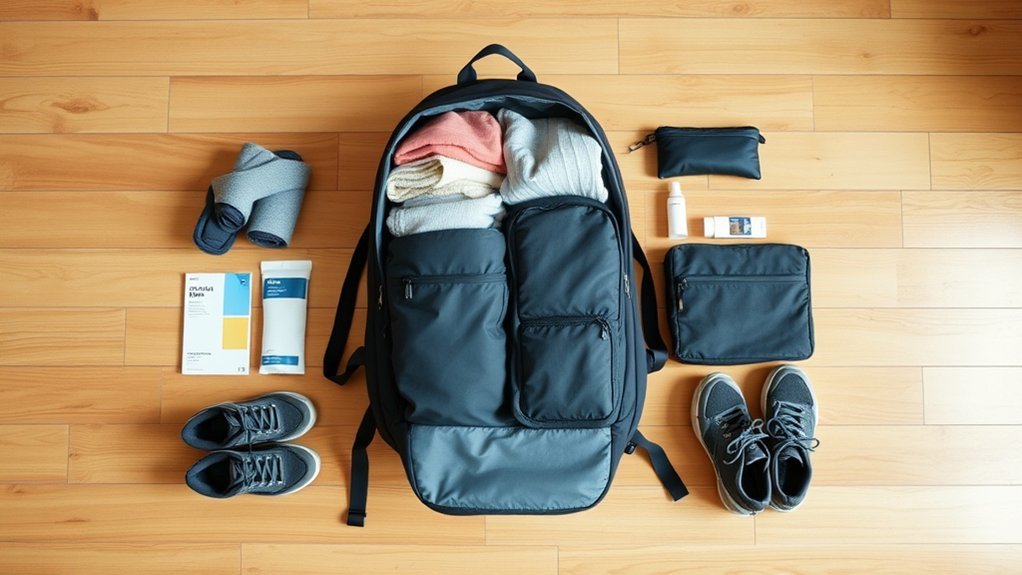
When you pack light, airports, stations, stairs, and crowded streets become easier to manage. A smaller load also makes it simpler to keep your belongings with you and reduces the chance that you will need to check a bag unexpectedly.
Light packing does not mean giving up comfort. It means removing duplicate items, choosing clothing that works in several outfits, and leaving room for food, water, or a small purchase during the trip. A backpack that is packed completely full before departure gives you no flexibility later.
The most useful month-long packing list is usually a one-week packing list supported by a reliable laundry plan.
Selecting the Ideal Backpack
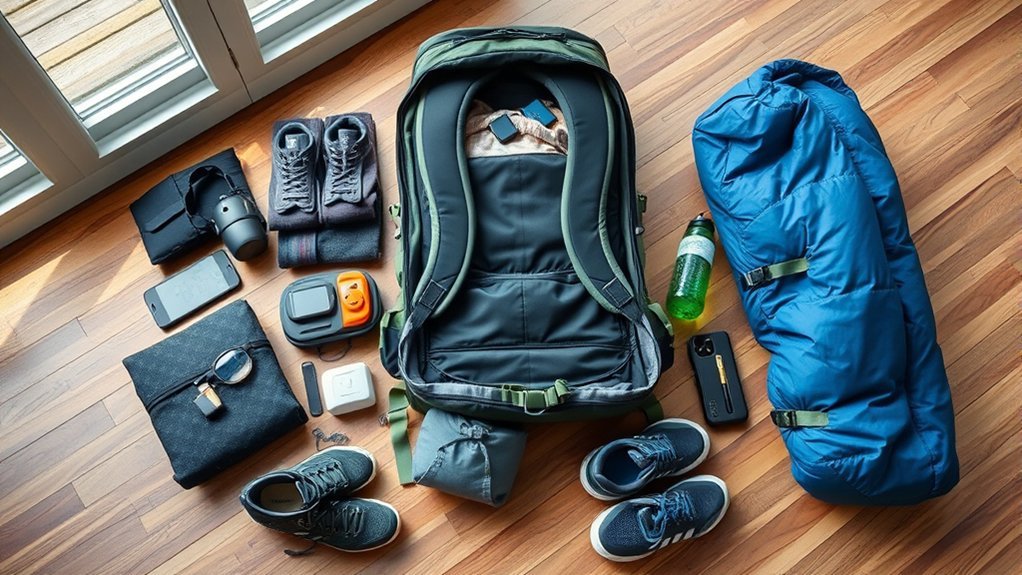
A 35–45-liter travel backpack is a practical starting range for many carry-on-oriented trips, while a larger bag may need to be checked. Treat that range as a planning guide, not an airline guarantee. Compare the packed bag’s actual height, width, depth, and weight with the limits published by your airline.
The best backpack is one that fits your body and remains comfortable when fully loaded. Look for:
- Adjustable shoulder straps that do not dig into your neck
- A supportive back panel with enough structure for the expected load
- A hip belt if you will carry the bag for long periods
- Compression straps that prevent the load from shifting
- Water-resistant fabric or a separate rain cover
- Lockable zipper pulls or a secure internal pocket
- A clamshell opening or well-planned compartments for easy access
Review your airline’s current carry-on rules before departure because permitted dimensions vary by carrier. The TSA confirms that cabin-bag size limits are set by individual airlines.
Pro Tip: Load the backpack with your proposed gear and walk with it for at least 15–20 minutes. Climb stairs, sit down, and put it on without assistance. Remove items if the load pulls backward, causes numbness, or feels difficult to lift repeatedly.
Efficient Packing Techniques
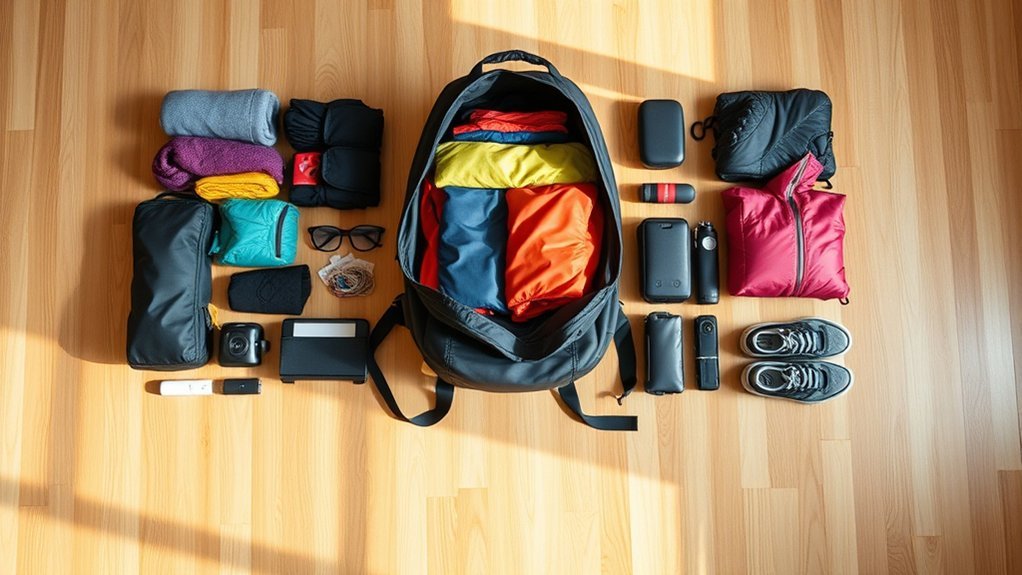
Efficient packing is less about forcing more into the backpack and more about creating a system. Each item should have a purpose, a regular storage location, and at least one reason it deserves the space.
1. Build a Capsule Wardrobe
The common 5-4-3-2-1 packing method is a useful starting point:
- Five tops
- Four bottoms
- Three footwear options
- Two layering pieces
- One special item, such as a dress, swimsuit, hat, or formal outfit
For a backpack, three pairs of shoes may take too much room. A walking shoe plus a sandal or dressier lightweight shoe is enough for many trips. Adjust every number to your destination rather than treating the formula as a strict rule.
2. Choose Rolling or Folding by Garment
Roll soft T-shirts, underwear, leggings, and other flexible garments. Fold structured shirts, jeans, jackets, and clothing that creases easily. A combination usually works better than forcing every item into the same method.
3. Organize With Packing Cubes or Pouches
Packing cubes keep categories together and make it easier to remove clothing without disturbing the rest of the bag. Standard cubes mainly improve organization; compression cubes may reduce volume but can also make the backpack heavier and overfilled.
A simple system is:
- One cube for tops and layers
- One cube for bottoms, underwear, and sleepwear
- One pouch for cables and adapters
- One washable bag for footwear
- One separate laundry bag for dirty clothing
4. Load the Backpack for Balance
Place dense items close to your back and near the middle of the backpack. Put lighter, bulkier clothing around them. Keep documents, medication, liquids, a layer, and in-flight essentials near the top or in an easy-access pocket.
Avoid hanging heavy objects from the outside. They can swing, catch on doors, and pull the load away from your body.
5. Perform a Final Test Pack
When the bag is packed, measure and weigh it. Then remove the contents and ask whether each item was chosen for a real activity or an unlikely “just in case” situation. Wear the bulkiest suitable clothing and shoes during travel, but make sure you can remove layers comfortably at security or in a warm cabin.
Clothing Essentials for Versatility
A practical month-long wardrobe is based on repeated outfits and laundry every five to seven days. The following sample works best for mild or warm destinations and should be adjusted for climate and activities:
| Category | Suggested Amount | Packing Notes |
|---|---|---|
| Tops | 4–5 | Choose colors that work with every bottom. |
| Bottoms | 3–4 | Include one comfortable travel pair and avoid unnecessary duplicates. |
| Underwear | 7 | Pack enough to reach the next planned laundry day. |
| Socks | 5–7 pairs | Match the amount to footwear and daily walking. |
| Layers | 2 | A light mid-layer and weather-resistant outer layer cover many conditions. |
| Sleepwear | 1 set | Choose clothing that can double as lounge wear if appropriate. |
| Activity items | 1 set each as needed | Examples include a swimsuit, workout outfit, dress, or thermal base layer. |
Choose fabrics that suit your climate and dry within the time available. Avoid packing a new wardrobe that has never been worn. Test clothing for comfort, transparency, chafing, pocket security, and compatibility with the rest of the capsule.
Organizing Shoes and Accessories
Shoes are among the bulkiest items in a backpack. Wear the heavier walking pair in transit and pack the lighter pair. Choose footwear that has already been broken in and works for more than one activity.
Shoe Packing Strategies
- Limit yourself to two pairs unless a specific activity truly requires a third.
- Place each packed pair in a washable shoe bag or reusable pouch.
- Use the empty space inside clean, dry shoes for socks or other soft items.
- Do not pack damp footwear inside an airtight bag for an extended period.
- Position shoes along the side or bottom where they do not press into fragile equipment.
Accessory Organization Tips
Use one small pouch for jewelry, belts, hair accessories, and other loose items. A lightweight collapsible tote can serve as a grocery bag, laundry carrier, beach bag, or overflow bag at the destination. Keep expensive jewelry and unnecessary valuables at home.
| Accessory Type | Packing Method | Purpose |
|---|---|---|
| Shoes | Washable shoe bags | Separates dirt and odors from clothing |
| Jewelry and small accessories | Small zippered pouch | Prevents tangles and lost items |
| Tote bag | Folded or rolled | Useful for laundry, groceries, or day trips |
| Dirty clothing | Lightweight laundry bag | Keeps worn clothing separate from clean items |
Toiletries and Personal Care Items
Pack enough toiletries to begin the trip, not necessarily enough for every day of the month. Ordinary shampoo, soap, toothpaste, and sunscreen can often be replaced at the destination.
For U.S. airport screening, the TSA liquids rule generally limits carry-on liquids, gels, creams, aerosols, and pastes to containers of 3.4 ounces or 100 milliliters or less inside one quart-sized bag.
A compact toiletry kit may include:
- Toothbrush, toothpaste, floss, and deodorant
- Small shampoo, conditioner, soap, and skincare containers
- Sunscreen and insect repellent suited to the destination
- Comb, brush, hair ties, and basic grooming tools
- Menstrual products or other personal supplies
- A small first-aid kit with trip-appropriate items
Solid products can reduce liquid volume. However, do not transfer prescription medicine into unmarked toiletry containers.
Warning: Medically necessary liquids may qualify for screening exceptions, but they should be declared as required. Keep prescription medicine in original labeled containers and check the destination’s medication laws before international travel.
Documents, Medication, and Money
Keep essential documents and health supplies in your carry-on rather than in a bag that may be checked. The U.S. State Department’s International Travel Checklist recommends organizing required documents and keeping copies separate from the originals.
- Passport, identification, visas, and required entry documents
- Transportation and accommodation confirmations
- Travel-insurance information, when applicable
- Emergency contacts and destination addresses
- One physical copy and one secure digital copy of important documents
- Primary payment card, backup card, and a small amount of local or widely accepted cash
- Prescription medication for the trip plus a reasonable delay buffer
- Copies of written prescriptions and a provider’s letter when needed
The CDC advises travelers to keep medications in original labeled containers and carry copies of prescriptions, including generic medicine names.
Tech Gear and Other Must-Haves
Bring only the devices you expect to use regularly. For many travelers, a phone can replace a separate camera, navigation device, alarm clock, guidebook, and entertainment system.
A practical tech kit may include:
- Phone and charging cable
- Compact wall charger with enough ports
- Universal plug adapter for the destinations
- Power bank with its capacity marked in watt-hours
- Headphones or earbuds
- Small cable pouch
- Laptop, tablet, or camera only when the trip requires it
A plug adapter changes the shape of a plug; it does not automatically change voltage. Check whether hair tools, chargers, and other appliances are marked for the destination’s voltage before connecting them.
Under current FAA PackSafe guidance, spare lithium batteries and power banks must remain in carry-on baggage. Power banks up to 100 Wh are generally allowed for personal use without airline approval. Units from 101–160 Wh require airline approval and are limited to two spares, while units over 160 Wh are prohibited on passenger aircraft.
Warning: If your backpack is gate-checked, remove all power banks and spare lithium batteries first and keep them with you in the aircraft cabin. Protect exposed terminals from short circuits.
Laundry and Keeping Clothes Fresh
Plan laundry every five to seven days. Check whether your lodging has a washing machine, laundromat access, or paid service. For sink washing, bring a small amount of suitable detergent and confirm that you will have enough drying time.
- Wash high-use items before the last clean set is worn.
- Hang clothing where airflow is allowed and avoid damaging furniture.
- Do not seal damp clothes in packing cubes or plastic bags.
- Air out shoes before repacking them.
- Keep dirty clothing in a separate lightweight laundry bag.
- Pack one clean emergency outfit outside the laundry bag.
Dryer sheets and strongly scented oils can irritate sensitive skin or transfer fragrance to clothing. Regular washing, full drying, and ventilation are more reliable ways to control odor.
Food and Snacks
Lightweight solid snacks such as nuts, dried fruit, crackers, and energy bars are practical during transit. TSA generally permits solid foods in carry-on baggage, while liquid or gel foods larger than 3.4 ounces may be restricted.
Airport screening and customs are separate processes. When entering the United States, the U.S. Customs and Border Protection requires travelers to declare agricultural items. Other destinations have their own rules for fruit, meat, dairy, seeds, plants, and homemade food, so check the destination’s customs authority before departure.
Carry an empty reusable water bottle through airport security and fill it afterward where safe drinking water is available.
Travel Tips for a Smooth Experience
- Check the operating airline’s cabin-bag dimensions and weight limit, including rules for connecting flights.
- Keep liquids, documents, medication, and large electronics easy to remove at security.
- Download offline maps, tickets, reservations, and emergency information.
- Keep valuables and one clean outfit with you if another bag must be checked.
- Leave some empty space rather than expanding the backpack to its limit.
- Wear proven walking shoes rather than packing a new pair.
- Review the destination’s weather, entry requirements, health information, and local laws shortly before departure.
Before You Leave: Final Backpack Check
- Measure the packed bag. Include filled exterior pockets and bulging soft sides.
- Weigh it. Compare the result with every airline on the itinerary.
- Walk with it. Test stairs, public transportation movements, and repeated lifting.
- Remove duplicates. Look for extra shoes, oversized toiletries, backup gadgets, and clothing that works with only one outfit.
- Check accessibility. Confirm that identification, medication, liquids, and power banks can be reached quickly.
- Review restricted items. Check TSA, FAA, airline, and destination customs rules.
If the backpack is overweight, remove low-use items before buying compression products. Compression changes volume, not weight.
Frequently Asked Questions
How do I choose the right backpack size for a month?
Choose the smallest backpack that fits your tested packing list and remains comfortable when loaded. A bag around 35–45 liters is a useful starting point for many carry-on-oriented trips, but check actual external dimensions and weight against the operating airline’s rules. A larger 50–70-liter pack may need to be checked.
Can I pack food or snacks in my backpack?
Solid foods such as crackers, nuts, and energy bars are generally allowed through TSA screening. Liquid or gel foods larger than 3.4 ounces may be restricted in carry-ons. International travelers must also follow the destination’s customs rules and declare agricultural items when required.
What should I do if my backpack exceeds the weight limit?
Remove duplicate clothing, extra footwear, large toiletries, heavy books, and rarely used electronics first. Wear a suitable bulky layer during transit and move permitted small essentials to a personal item only if the airline allows it. Compression cubes reduce volume but do not reduce weight.
How can I keep my clothes smelling fresh during the trip?
Wash clothing every five to seven days, allow every item to dry completely, air out shoes, and keep dirty clothing in a separate laundry bag. Never seal damp clothes inside a packing cube or airtight bag for an extended period.
Is travel insurance necessary for a month-long backpacking trip?
The right answer depends on your destination, activities, existing health coverage, and prepaid trip costs. Compare emergency medical care, medical evacuation, trip interruption, cancellation, baggage, and activity exclusions. Read the policy terms rather than assuming every travel-insurance plan provides the same protection.
How often should I do laundry during a month-long trip?
Plan to wash clothing about every five to seven days. Schedule the first laundry stop before you run out of underwear and socks, and allow enough drying time before a travel day.
Conclusion
Packing for a month in one backpack becomes manageable when you stop trying to pack for every possible situation. Build a one-week capsule wardrobe, plan regular laundry, limit bulky footwear, follow current airline and safety rules, and keep important documents, medication, and electronics accessible.
Before leaving, measure and weigh the backpack and take a short test walk with the full load. If it feels too heavy at home, it will feel heavier after a long flight, train ride, or walk to your accommodation. Remove the least useful items and begin the trip with enough space and flexibility to travel comfortably.
Sources
- Transportation Security Administration: Carry-On Bag Size Restrictions — explains that cabin-bag dimensions vary by airline.
- Transportation Security Administration: Liquids, Aerosols, and Gels Rule — supports the 3.4-ounce/100-milliliter carry-on liquid limit.
- Federal Aviation Administration: PackSafe Lithium Batteries — supports power-bank placement and watt-hour restrictions.
- Centers for Disease Control and Prevention: Traveling Abroad With Medicine — supports medication-container and prescription guidance.
- U.S. Department of State: International Travel Checklist — supports document copies, destination research, and travel preparation.
- U.S. Customs and Border Protection: Bringing Food Into the United States — supports agricultural-item declaration guidance.
