
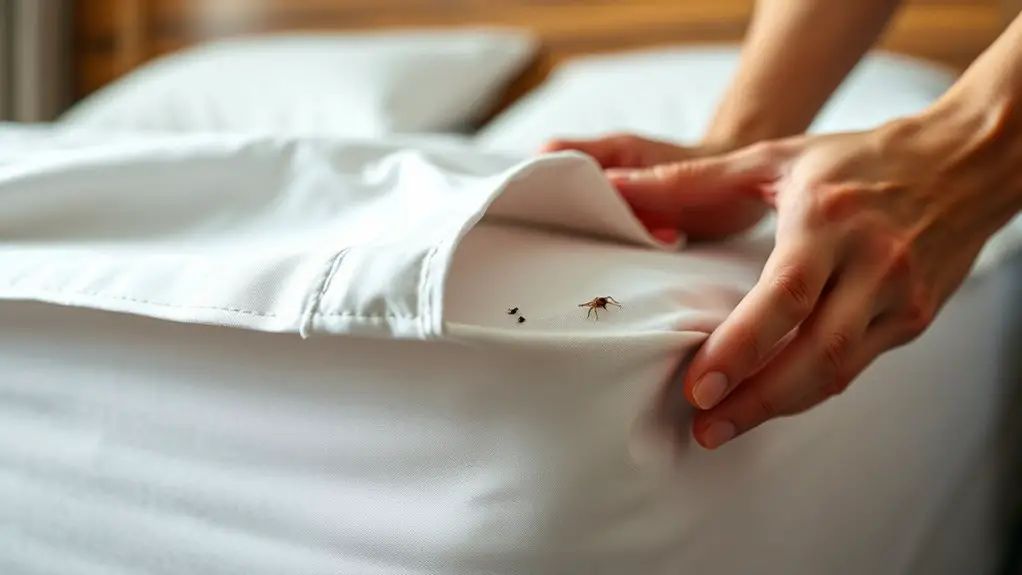
Last Updated on July 30, 2026 by Daniel Globe
Before you unpack in a hotel room, take about 5–10 minutes to check for bed bugs. These pests can appear in clean, expensive, budget, or highly rated lodging because they travel on luggage and other belongings. A focused inspection of the bed, luggage rack, and nearby furniture can reduce your chance of carrying them home.
Quick Answer
Set your luggage in the bathroom or away from the bed, then use a flashlight to inspect mattress seams, the box spring, headboard, bed-frame joints, luggage rack, and nearby furniture. Look for live bugs, dark fecal spots, rusty stains, pale eggs, or shed skins. If you find evidence, stop unpacking and notify the front desk.
Key Takeaways
- Do not put luggage on the bed while you inspect the room. Keep it closed in the bathroom or another area away from the bed.
- Start with the mattress seams, box spring, headboard, bed-frame joints, and inspected luggage rack.
- Look for live bugs, dark fecal spots, rusty stains, tiny pale eggs, eggshells, and shed skins.
- Do not remove electrical covers, dismantle furniture, or take fixed wall decorations down yourself.
- If you find signs, document them, notify hotel management, and request a room that is not beside, above, or below the suspected room.
- After returning home, inspect your luggage and use a dryer at a suitable high temperature for clothing that can safely tolerate it.
At a Glance
| Time Required | About 5 minutes for a basic check or 10 minutes for a more detailed inspection |
| Difficulty | Easy |
| Tools Needed | Flashlight; optional clear tape, plastic card, and resealable bag |
| Cost | Usually free with items you already carry |
Disclosure: As an Amazon Associate I earn from qualifying purchases. Some links on this page are affiliate links, at no extra cost to you.
Know What Bed Bug Signs Look Like
Bed bugs are small, flat insects. An unfed adult is reddish-brown and roughly comparable in size and shape to an apple seed, while young bed bugs are smaller and paler. Low-level infestations can be difficult to find, and carpet beetles or other insects may be mistaken for bed bugs.
The U.S. Environmental Protection Agency recommends looking for physical evidence rather than relying on skin bites. Useful signs include:
- Live bed bugs: Flat, oval insects that may be pale, brown, or reddish depending on age and whether they recently fed.
- Dark fecal spots: Small black or dark-brown marks that may soak into fabric like ink.
- Rusty or reddish stains: Marks left when a fed bug is crushed on bedding or another surface.
- Eggs and eggshells: Tiny, pale objects about 1 millimeter long that may be attached to a protected surface.
- Shed skins: Pale, translucent shells left as young bed bugs grow.
Skin reactions alone cannot confirm bed bugs. Physical evidence or identification of a captured specimen is more reliable.
Place Your Luggage Safely Before Inspecting
Do not unpack or place your suitcase on the bed. Keep it closed and put it in the bathroom, on a hard surface away from the bed, or in another low-risk location while you inspect. After checking the luggage rack carefully, you can use it to keep your bag off the bed and floor.
The University of Minnesota Extension recommends inspecting a hotel room as soon as you arrive and checking bedding, furniture, and luggage storage before settling in.
Pro Tip: Carry a small flashlight in your travel bag. Hold the beam nearly parallel to seams and hard surfaces so tiny eggs, cast skins, and insects create visible shadows.
Inspect the Mattress and Bedding
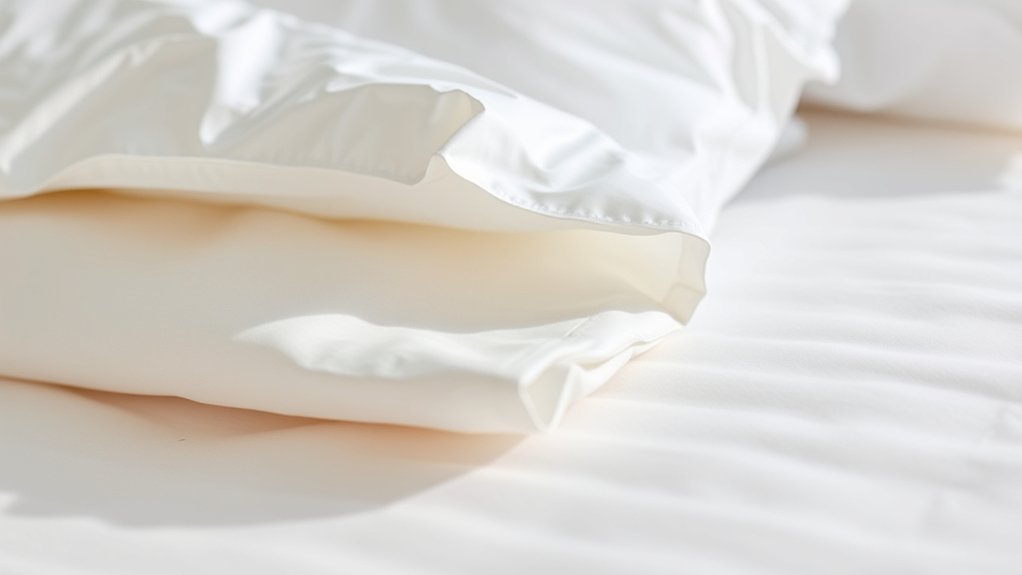
The mattress and box spring are the best places to begin because bed bugs commonly hide close to where people sleep.
- Pull back the top sheet, fitted sheet, and mattress pad at one corner.
- Inspect the mattress piping, seams, edges, labels, handles, and fabric folds.
- Repeat the check at all four corners.
- Look at the visible edges and underside of the box spring without lifting anything too heavy.
- Check the sheets, pillowcases, blanket folds, and comforter seams for stains, cast skins, eggs, or live insects.
Use the flashlight instead of running bare fingers deep into cracks. A plastic card can help open an accessible fabric fold, but do not cut, tear, or damage any hotel property.
Examine the Headboard and Bed Frame
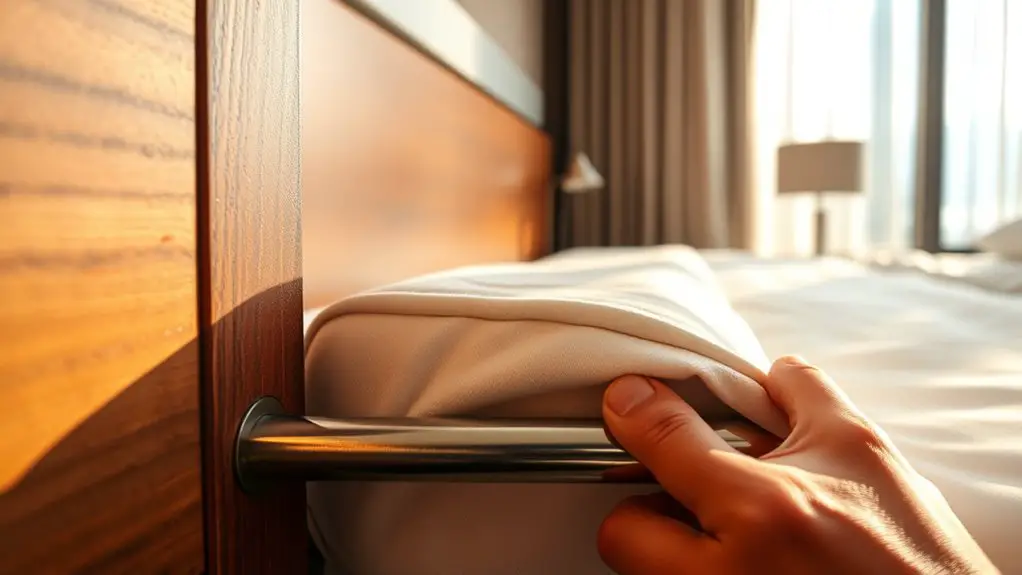
After the mattress, inspect the headboard and the accessible parts of the bed frame. Bed bugs can fit into very narrow gaps, including joints, screw holes, brackets, and the space between a wall-mounted headboard and the wall.
Inspect Bed Frame Joints
Shine the flashlight into corners and connection points where wood or metal pieces meet. Check screws, brackets, support rails, and visible cracks for live insects, eggs, shed skins, or dark spots.
Do not reach blindly into a gap. If you see a possible bug, photograph it first. When it is safe to do so, capture it with clear tape or in a sealed container so hotel staff or a pest professional can identify it.
Check Headboard Seams
Inspect the outer edges, upholstery seams, decorative grooves, mounting points, and the visible gap behind the headboard. Do not pull a fixed headboard away from the wall.
| Area | What to Look For | Safe Inspection Tip |
|---|---|---|
| Headboard seams | Dark spots, eggs, shed skins, or live bugs | Use a flashlight or phone camera zoom |
| Bed-frame joints | Bugs, eggs, stains, or cast skins | Check visible corners, brackets, and screw holes |
| Crevices and cracks | Rusty stains or dark fecal marks | Shine the light along the surface instead of reaching inside |
| Upholstered edges | Molted skins, eggs, or fecal spots | Separate loose folds gently without tearing the fabric |
Check the Luggage Rack and Nightstand
Travelers sometimes overlook the luggage rack even though bed bugs can arrive on another guest’s suitcase. Inspect the rack before placing your bag on it.
- Check the fabric straps, seams, hinges, joints, screw holes, and underside.
- Move the rack away from the wall if it rolls or lifts easily, but do not dismantle it.
- Inspect the nightstand’s outer joints, drawer corners, handles, screw holes, and the floor-wall junction behind it.
- Keep clothing inside your closed suitcase or in sealed bags rather than loose in drawers.
The EPA’s travel guidance specifically recommends inspecting luggage racks and using them rather than placing bags on the bed or floor.
Check Upholstered Furniture and Curtains
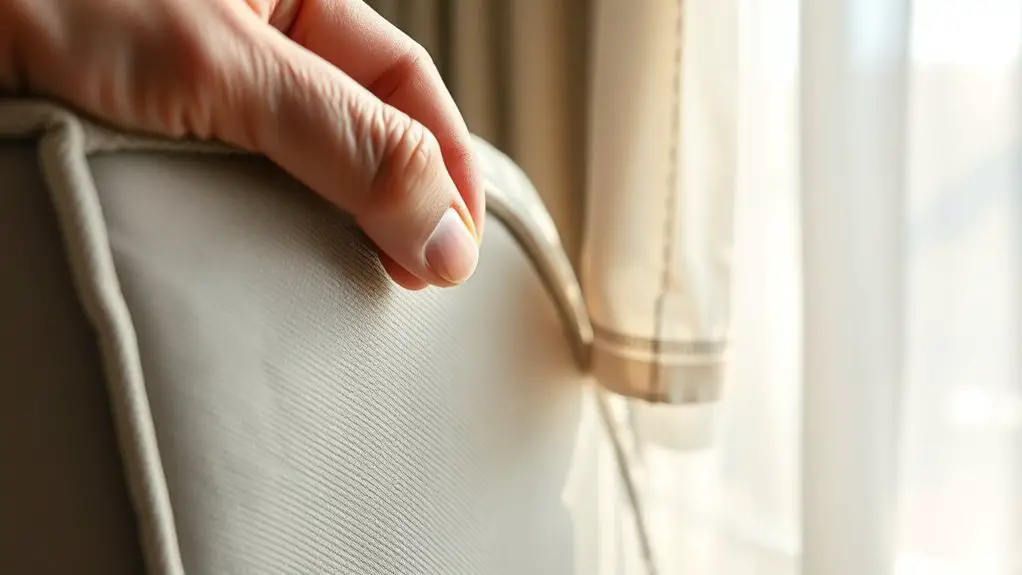
Once the bed area and luggage rack appear clear, check upholstered chairs, sofas, and curtains—especially if someone may sleep or rest on the furniture.
Inspect Sofa Seams
Remove loose cushions when they lift easily and inspect the seams, piping, folds, zipper areas, and the space between cushions. Shine the flashlight along the sofa frame and under the cushion edges.
Look for the same physical evidence found around a bed: dark fecal spots, rusty stains, eggs, cast skins, or live bugs. Do not reach into the furniture with bare hands or unzip hotel upholstery.
Examine Curtain Edges
Inspect curtain hems, pleats, seams, and the fabric nearest the bed or upholstered furniture. Check the visible curtain-rod brackets and the top hem if you can see them without climbing.
Avoid standing on hotel furniture or pulling curtains off their track. Curtain folds are a secondary inspection area, not a reason to skip the mattress, headboard, or luggage rack.
Look Around Wall Hangings and Picture Frames
Bed bugs may hide behind wall hangings, loose wallpaper, or framed pictures, particularly near the bed. Use your flashlight to inspect accessible outer edges, corners, mounting gaps, and the wall immediately around a frame.
Do not remove fixed, heavy, or securely mounted artwork yourself. If you notice dark spots, cast skins, or a live insect disappearing behind a frame, photograph the area and ask hotel management to arrange a professional inspection.
Visually Check Electrical Outlets and Light Switches
Electrical receptacles and switch plates are not the first places to inspect, but bed bugs may use gaps around them in a more established infestation. Shine a flashlight around the outside edge of the cover plate and look for visible insects, cast skins, or dark spotting.
Warning: Never remove an outlet or light-switch cover in a hotel room. Do not insert a card, tool, finger, or other object into an electrical opening, and never touch exposed wiring. Report suspicious evidence to hotel staff.
Use a Flashlight to Spot Bed Bug Signs
A flashlight improves your view of dark seams and narrow gaps. Move slowly and shine the beam along the surface rather than directly at it. Side lighting creates shadows that can make small eggs, skins, and insects easier to notice.
Use the light to check:
- Mattress piping, seams, tags, and box-spring edges
- The crack between the headboard and wall
- Bed-frame joints, brackets, and screw holes
- Luggage-rack straps and hinges
- Nightstand joints and drawer corners
- Sofa seams and spaces between cushions
- Baseboards, carpet edges, loose wallpaper, and accessible wall-hanging edges
A phone flashlight can work, but a separate flashlight may be easier to aim while you lift a sheet or cushion.
Do Not Rely on Bites Alone
Bed bug bites may appear as itchy red bumps, sometimes in a line or cluster, but there is no dependable bite pattern that proves bed bugs caused them. Reactions can appear quickly or several days later, and some people have no visible reaction.
The Centers for Disease Control and Prevention explains that skin inflammation is not specific enough to diagnose bed bugs. Similar marks can result from mosquitoes, fleas, other insects, hives, eczema, or contact irritation.
Note: Most minor reactions need only basic symptom care and good hygiene. Avoid scratching, which can lead to a secondary infection. Seek medical advice for severe swelling, worsening pain, pus, spreading redness, fever, or another concerning reaction. Trouble breathing or swelling of the face, lips, or throat requires emergency care.
Report the Evidence and Request a Room Change
If you find a live bug, eggs, cast skins, or convincing spotting, stop inspecting and keep your belongings closed. Do not spray pesticide, crush insects into the bedding, or carry loose clothing through the hotel.
- Take clear photographs or video showing the evidence and its location.
- If it is safe, trap a possible specimen with clear tape or place it in a sealed container without touching it directly.
- Notify the front desk and ask to speak with a manager.
- Request that the room be inspected by a qualified pest-management professional.
- Ask for a replacement room in a different area—not directly beside, above, or below the suspected room.
- Seal loose clothing and personal items before moving them.
- Inspect the replacement room before opening your luggage.
If management is dismissive, preserve your photographs, receipts, room number, dates, and the names of staff members you spoke with. You may choose to leave and ask the appropriate local health department or consumer-protection office what complaint options apply in that location.
Prevent Bed Bugs From Coming Home
Even when your inspection finds nothing, take a few precautions during and after the stay:
- Keep luggage closed when it is not in use and away from the bed.
- Place dirty clothing in a sealed plastic or washable laundry bag.
- Before leaving, inspect suitcase seams, pockets, wheels, handles, and zippers.
- At home, unpack washable clothing directly into the washing machine rather than on a bed or carpet.
- Follow each item’s care label and place suitable items in a dryer at a high temperature. The EPA notes that washing alone generally does not kill bed bugs.
- Inspect and vacuum the suitcase inside and out. Immediately seal and discard vacuum contents outdoors.
- Store luggage away from the bedroom and never under the bed.
If you found confirmed evidence during the trip, keep luggage and other questionable items sealed until you can treat or inspect them properly. Do not carry an open suitcase through bedrooms or upholstered living areas.
Frequently Asked Questions
Can bed bugs live in hotel carpets or rugs?
Yes. Bed bugs can hide under carpet edges, along baseboards, and in protected cracks, especially near beds or furniture where people rest. They are less likely to sit openly in the middle of a frequently disturbed rug, so focus on edges and wall-floor junctions.
Are bed bugs attracted to certain types of luggage?
There is no dependable bed-bug-proof luggage material. Fabric bags may provide more folds and seams, but hard-shell cases still have zippers, wheels, handles, and interior linings. Access to the bag and the belongings inside matters more than the outer material. Keep any suitcase closed, off the bed, and inspected.
How long can bed bugs survive without feeding?
Adults can survive for several months without a blood meal, although survival varies with life stage, temperature, humidity, and other conditions. Leaving an infested room or suitcase unused for a few days or weeks is not a reliable control method.
Do bed bugs transmit diseases to humans?
Bed bugs have not been shown to transmit disease to people. Their bites can still cause itching, allergic reactions, sleep loss, anxiety, and skin infections caused by scratching.
What preventive measures can I take before booking a hotel?
Read recent reviews for repeated, well-documented complaints and ask the property how it handles suspected bed bugs. However, reviews cannot prove that a particular room is clear, and room price or cleanliness does not eliminate the risk. Inspect every room before unpacking.
Where should I put my luggage while checking the room?
Keep it closed in the bathroom or on another hard surface away from the bed. Once you have inspected the luggage rack’s straps, seams, hinges, and underside, use the rack instead of placing the suitcase on the bed or floor.
What should I do if I find only dark spots?
Dark spots may be bed bug fecal marks, but dirt, mold, ink, or other stains can look similar. Photograph the marks and search nearby seams for eggs, shed skins, or live insects. Report the evidence to hotel management and request a professional inspection rather than declaring the room infested yourself.
Can a clean or expensive hotel have bed bugs?
Yes. Bed bugs need access to a host and a protected hiding place; they are not proof of poor housekeeping. They can arrive in luggage or other portable belongings at any type of lodging.
Conclusion
Knowing how to check a hotel room for bed bugs can lower the risk of bringing them home. Keep your luggage closed and away from the bed, inspect the mattress, box spring, headboard, bed frame, luggage rack, and nearby furniture, and rely on physical evidence rather than bites alone. If you find suspicious signs, document them, notify management, and move only to a carefully inspected room in a different area. Finish the process at home by inspecting your luggage and drying suitable clothing at an appropriate high temperature.
Sources
- U.S. Environmental Protection Agency — Tips for Travel — hotel-room inspection, luggage placement, unpacking, drying, and suitcase storage guidance.
- U.S. Environmental Protection Agency — How to Find Bed Bugs — physical signs, hiding places, identification limits, and bed bug behavior.
- University of Minnesota Extension — Bed Bug Prevention and Control — hotel inspection order, luggage precautions, dirty-clothing storage, and return-home steps.
- Centers for Disease Control and Prevention — Bed Bugs — identification, bite limitations, and disease-transmission information.
- Centers for Disease Control and Prevention — Caring for Patients With Bed Bug Bites — bite care and secondary-infection guidance.
- Michigan Manual for the Prevention and Control of Bed Bugs — hotel response procedures and replacement-room location guidance.

