

Last Updated on July 26, 2026 by Daniel Globe
Before traveling to a hotel, a few minutes of preparation can make check-in much easier. Confirm the dates of your stay, the name on the reservation, room type, rate terms, check-in and check-out times, and any requests you made. Keep your confirmation email handy, and check the property’s rules for identification, payment, minimum age, parking, deposits, and late arrival.
Quick Answer
To check into a hotel, confirm your reservation, present any identification and payment method required by the property, review deposits or incidental holds, and receive your room key or Digital Key. Rules for age, payment, check-in time, and identification vary, so review the specific hotel’s policies before you arrive.
Key Takeaways
- Keep your reservation confirmation and any identification required by the hotel ready when you arrive.
- Check the property’s minimum check-in age because some hotels accept guests at 18 while others require 21 or another age.
- Bring an accepted payment method and ask about any deposit or incidental authorization before completing check-in.
- Early check-in, late check-out, upgrades, and room-location requests depend on availability and property policy and may cost extra.
- Mobile check-in and Digital Keys can speed up arrival at participating hotels, but identity verification may still be required.
- After reaching your room, check the room, locate nearby emergency exits, and report problems promptly.
At a Glance
| Time Required | Usually a few minutes once you reach the desk or complete the hotel’s digital process; lines or reservation issues can make it longer. |
| Difficulty | Easy |
| Tools Needed | Reservation details, required identification, accepted payment method, and a phone if using mobile check-in or a Digital Key |
| Cost | Normally no separate check-in fee, although deposits, incidental authorizations, parking, early check-in, or other property-specific charges may apply. |
Disclosure: As an Amazon Associate I earn from qualifying purchases. Some links on this page are affiliate links, at no extra cost to you.
Preparing for Hotel Check-In
Start by confirming the basic reservation details: arrival and departure dates, number of guests, room type, rate, cancellation terms, and the name under which the room was booked. A digital or printed copy of the confirmation is useful if the hotel has difficulty finding the booking or the rate shown at the desk differs from what you expected.
Review the hotel’s published check-in and check-out times before traveling. There is no universal hotel check-in time. Current Hyatt properties, for example, show standard arrival times ranging from 3:00 PM to 4:00 PM, which illustrates why your own hotel’s confirmation is the best source.
Packing for the property can also make the stay more comfortable. If the hotel has a pool or fitness center you plan to use, bring swimwear or workout clothing. Business travelers should make sure they have documents, a laptop, chargers, adapters, and any other equipment needed during the stay.
If you are planning a trip and want to keep your belongings organized, the article on 5 Must-Have Minimalist Travel Backpacks for Spring Adventures also provides packing ideas for travelers trying to travel light.
What to Have Ready
- Reservation confirmation: Keep the booking number and confirmation email available.
- Required identification: Many hotels request valid government-issued photo identification, but the exact requirement is property-specific.
- Accepted payment method: Check whether the hotel accepts your credit card, debit card, cash, mobile payment, or other method.
- Third-party payment documents: If someone else or a company is paying, complete any authorization required by the property before arrival.
- Hotel app: Download it before arrival if your reservation offers mobile check-in or a Digital Key.
Note: Minimum check-in age is not universal. Hyatt states that its general minimum age to reserve a room is 21 but that the requirement varies by hotel. Current Hyatt properties publish examples of both 18- and 21-year minimums. Check your specific hotel before booking if the registered guest is under 21.
Pro Tip: Contact the property if you expect to arrive much earlier or later than its normal check-in period. Confirm whether the room can be held for a late arrival, whether reception is staffed overnight, and what to do if you arrive before the room is ready.
Arriving at the Hotel
When you reach the hotel, look for signs directing you to guest parking, the main entrance, an unloading area, or valet service. Follow any property-specific parking instructions, especially at resorts, city hotels, or buildings with garages and controlled entrances.
The lobby also gives you your first sense of the property. Its design, lighting, artwork, and local touches may reflect the hotel’s style and destination, but the practical priority is finding the front desk, reception area, kiosk, or digital check-in instructions.
Busy arrival periods can create lines while other guests are checking in or departing. Have your reservation name, confirmation details, identification, and payment method ready so your part of the process moves efficiently.
If you requested a quieter room, particular view, extra bedding, or another preference, confirm it with the front desk. Ordinary room preferences are generally subject to availability. Accessibility needs should be handled more carefully because accessible-room reservation obligations can apply under disability law.
What If You Arrive Before the Room Is Ready?
Ask the hotel when the room is expected to be available and whether luggage storage is offered. Some properties can hold bags while you eat, work, or explore the area. Early check-in may be available when occupancy and housekeeping allow it, but some properties charge an additional fee.
Checking In at the Front Desk

At a traditional front desk, tell the receptionist that you are checking in and provide the name on the reservation. The employee will locate the booking and guide you through any identification, payment, deposit, and room-assignment steps required by that property.
A friendly and organized interaction can set a positive tone for the stay, but you can also make the process easier by having your confirmation number ready. If the booking cannot be found immediately, the confirmation can help staff check the dates, spelling of the guest name, booking channel, and reservation number.
Hotel Check-In Process Step by Step
- Provide the reservation name. Show the confirmation number if needed.
- Complete identity verification. Present the identification required by the hotel.
- Confirm payment. Provide or verify the payment method required for the room, taxes, deposit, or incidentals.
- Review your room. Confirm the room type and important requests before leaving reception.
- Ask about important services. Check Wi-Fi, breakfast, parking, housekeeping, fitness-center, pool, or other information you need.
- Receive room access. This may be a key card, physical key, code, or Digital Key.
If you need accessibility features or additional bedding, confirm them at this stage. Guests may also ask whether an upgrade is available, but complimentary upgrades should never be assumed. Availability can depend on occupancy, rate, property policy, and loyalty-program benefits.
If you belong to the hotel’s loyalty program, make sure the reservation is connected to your membership so any eligible benefits can be applied correctly.
Mobile and Contactless Check-In
Some properties now let guests complete most or all of check-in through an app. Hilton’s Digital Check-in, for example, lets eligible Hilton Honors members check in through the app and, when available, select a room before arrival.
A compatible property may also issue a smartphone-based room key. Hilton explains that its Digital Key can provide access to equipped guest rooms and other controlled areas. However, Hilton also notes that a guest requesting a Digital Key may still need to visit the front desk for identification, so digital check-in does not automatically remove every verification step.
Providing Identification and Payment
After the reservation is located, the hotel may verify your identity and payment method. Requirements differ by property. Some hotels explicitly request government-issued photo identification, while accepted payment types can also vary.
Hilton states that accepted payment types can vary by location and advises guests to check the hotel’s policy or contact it directly. Hilton also explains that even a prepaid stay may require a card at check-in because the hotel may authorize funds for incidentals.
| Check-In Item | What to Confirm |
| Identification | Which forms of photo ID the property accepts and whether the reservation name must match the checking-in guest |
| Payment | Whether the property accepts credit cards, debit cards, cash, mobile payments, or other methods |
| Incidental Authorization | How much may be authorized, whether it is per night or per stay, what it covers, and when the hotel releases its authorization |
| Third-Party Payment | Whether a company or another person paying for the stay must submit an authorization form before arrival |
How Hotel Incidental Holds Work
An authorization hold is different from a completed purchase. The hotel asks the card issuer to reserve a certain amount of available credit or funds to cover expected charges. The amount and release process vary by property and financial institution.
Marriott’s current Digital Entry Terms state that participating hotels may authorize room and tax, applicable resort fees, and a per-day amount for incidentals. The same terms state that the issuing bank may keep that hold in place for up to five business days after departure. Other brands, properties, and issuers may use different amounts or timelines.
Warning: An authorization on a debit card can temporarily reduce the money available in your bank account. If your travel budget is tight, ask the hotel how much it plans to authorize before presenting the card.
When Someone Else Is Paying
Do not assume you can simply arrive with another person’s card details. Hotels may require advance authorization from the payer. Hyatt, for example, instructs guests paying for another person’s stay to use its credit-card authorization process at participating hotels. If a company, friend, or family member is paying, contact the hotel before arrival and complete its required procedure.
Receiving Your Room Key and Hotel Information
Once check-in is complete, the receptionist will provide your room-access method and information about the stay. Depending on the property, access may use a traditional plastic key card, physical key, code, or mobile Digital Key.
Confirm the room number and ask for directions if the building has several floors, towers, wings, or elevator banks. Take note of any restrictions for elevators, parking garages, lounges, pools, fitness centers, or other controlled areas.
The front desk can also explain breakfast hours, Wi-Fi access, housekeeping procedures, pool or fitness-center hours, parking, dining, hotel events, and nearby attractions. Getting this information at check-in can prevent unnecessary trips back to reception.
Accessibility Requests
If you reserved an accessible guest room or a particular accessible feature, verify that the assignment matches the reservation. In the United States, Department of Justice ADA Title III regulations contain specific requirements for accessible lodging reservations, including describing accessible features in enough detail for guests to assess whether a room meets their needs and, in covered circumstances, holding the specific accessible room that was reserved.
Navigating to Your Room
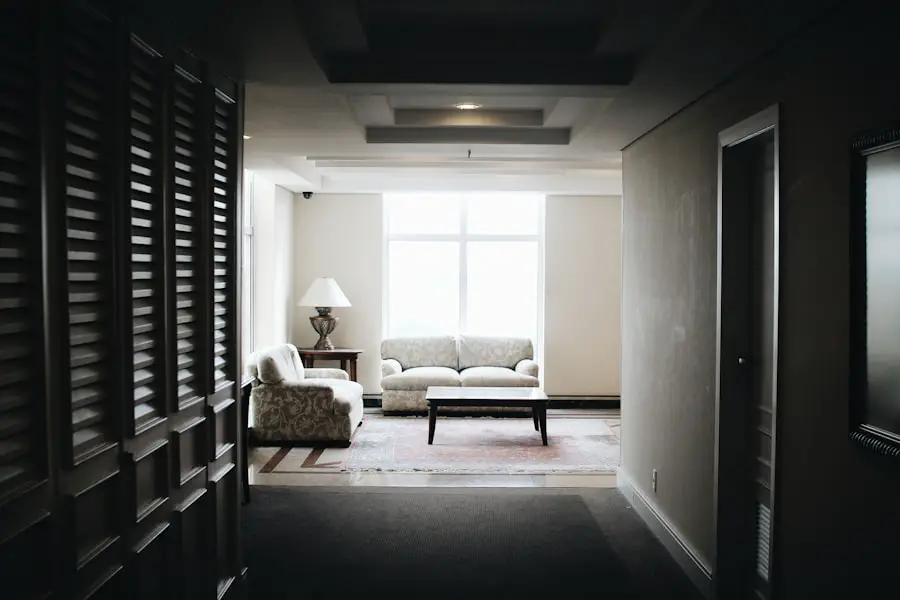
With your room key or Digital Key ready, follow the directions from the front desk or hotel signage. In a small property, the room may be just down a corridor. At a large resort or high-rise, you may need a particular elevator bank, tower, or wing.
As you walk to the room, notice useful landmarks such as elevators, stairs, lounges, restaurants, and common areas. Learning the layout now makes it easier to find your way later. If directions are unclear, ask a staff member rather than wandering through restricted or staff-only areas.
Also pay attention to emergency routes. The U.S. Fire Administration recommends reading the evacuation plan and finding the two closest exits from your hotel room. It also recommends counting the doors between your room and the exits so you have another way to orient yourself if visibility is poor.
A successful hotel check-in is more than getting a room key: confirm the reservation, understand the payment authorization, verify important room features, and know how to leave the floor safely in an emergency.
Settling In and Enjoying Your Stay
When you enter the room, take a few minutes to check the accommodations before fully unpacking. Look for obvious cleanliness problems and confirm that promised amenities such as towels, toiletries, a coffee maker, refrigerator, workspace, or other room features are present.
Check that the room door locks properly and that basic items such as lights, climate controls, plumbing, outlets, and window locks work as expected. If you reserved a particular accessibility feature, inspect it now rather than discovering a problem later.
If something is missing, dirty, noisy, damaged, or not functioning, contact the front desk or housekeeping promptly. Giving staff a clear description gives the hotel a chance to send housekeeping or maintenance, replace an item, or move you when appropriate.
Once the room is in order, unpack and make yourself comfortable. Leisure travelers may want to use the pool, spa, restaurant, lounge, fitness center, or other hotel facilities. Staff can also provide information about local restaurants, transportation, attractions, tours, and experiences that may not have been part of your original plans.
What to Do If There Is a Problem With the Room
- Document the issue. Take a photo if the problem involves damage, cleanliness, or a missing room feature.
- Contact the hotel promptly. Explain exactly what is wrong.
- Ask for a specific solution. This might be housekeeping, maintenance, replacement supplies, noise assistance, or another room.
- Escalate when necessary. If the problem remains unresolved, politely ask for a supervisor or manager.
- Keep billing records. If the hotel promises a credit or rate adjustment, review the final folio to make sure it appears correctly.
Common Hotel Check-In Problems
The Hotel Cannot Find Your Reservation
Show your confirmation email and reservation number. Check the hotel name, city, arrival date, spelling of the guest name, and booking source. If you reserved through a third-party service, open that company’s confirmation and contact its customer support if the hotel still cannot locate the booking.
Your Room Is Not Ready
Ask for an estimated ready time and whether the hotel can store your luggage. You can also ask whether the hotel will send a text or call when the room becomes available. Avoid assuming that arriving early guarantees immediate access.
Your Key Card or Digital Key Does Not Work
Return to the front desk or contact hotel staff. For security, you may be asked to verify your identity before a new key is issued. Hilton also advises guests changing phones during a Digital Key stay to visit the front desk so the old Digital Key can be disabled before a new one is requested.
You Will Arrive Late
Call or message the property and confirm the late-arrival procedure. A late arrival does not automatically mean every hotel will cancel the reservation, but no-show procedures differ by property and rate. Advance notice helps the staff note your expected arrival and explain any after-hours access instructions.
The Payment or Guest Name Does Not Match
Contact the hotel instead of assuming the reservation can be transferred or another person’s card can be used. The property may require the registered guest to be present, add another guest to the reservation, or complete a third-party payment authorization.
Checking Out and Departing
As the stay comes to an end, check the hotel’s stated departure time and pack early enough to avoid a last-minute rush. Look through drawers, closets, the bathroom, safe, outlets, bedside areas, and charging locations before leaving the room.
Review the final bill or folio for the room rate, taxes, parking, dining, resort or destination fees, and other charges. If something appears incorrect, contact the front desk promptly rather than assuming it will disappear automatically.
Checkout procedures vary. Some hotels still handle checkout at the front desk, while others provide express checkout, mobile checkout, a key-drop option, or another process. Follow the instructions provided by your property rather than assuming a physical key must always be returned.
If you need extra time, ask about late checkout before the normal departure deadline. Availability may be limited and an additional fee can apply. If you need to remain nearby after giving up the room, ask whether luggage storage is available.
Guest feedback can also be useful to the property. If staff solved a problem well or something significantly affected the stay, provide clear and specific feedback. After leaving, keep your receipt until the final card charge is correct and any temporary authorization has disappeared according to the hotel and card issuer’s processing.
Leaving the hotel also gives you a chance to reflect on what worked well during the trip, from meals and amenities to local experiences and staff interactions. Knowing the check-in and checkout process makes future hotel stays easier because you know which details to confirm before you arrive.
Frequently Asked Questions
What do I need to check into a hotel room?
Have your reservation information, any identification required by the property, and an accepted payment method ready. Many hotels request government-issued photo ID and a credit or debit card, but exact requirements differ by hotel.
What is the check-in process at a hotel?
The usual process is to confirm the reservation, complete any required identity and payment verification, review the room assignment and incidental authorization, receive room access, and get information about hotel services. Some hotels also offer mobile or self-service check-in.
What time can I check into a hotel room?
There is no universal check-in time. Many hotels begin check-in during the afternoon, with 3:00 PM and 4:00 PM being common examples. Your reservation confirmation or the property’s official policy provides the correct time for your stay.
Can I check into a hotel room without a reservation?
A hotel may accept a walk-in guest when a suitable room is available, but there is no guarantee. The guest must still meet the property’s age, identification, payment, and other check-in requirements. Booking ahead is safer during busy travel periods.
How old do you have to be to check into a hotel?
The minimum age varies by hotel and location. Some properties accept guests at 18, while others require the registered guest to be 21 or meet another minimum age. Check the specific property before booking.
Can I use a debit card to check into a hotel?
Some hotels accept debit cards, but payment policies vary. If the hotel places an authorization hold on a debit card, part of your bank balance may be temporarily unavailable. Ask about the hold amount and payment policy before checking in.
Can someone else pay for my hotel room?
Often yes, but the payer may need to complete the hotel’s third-party credit-card authorization procedure before you arrive. Contact the property directly because requirements differ between hotels.
Can I check in early?
Possibly. Early check-in usually depends on room availability and housekeeping progress. Some hotels provide it at no charge when possible, while others charge a fee. Contact the property before arrival if early access is important.
What should I do if I have a problem with my hotel room?
Contact the front desk or hotel staff promptly. Describe the cleanliness, maintenance, noise, safety, or room-feature issue clearly and ask for a specific solution. Photos can be helpful when documenting damage, cleanliness problems, or missing features.
Sources
- Hilton Payment FAQs — accepted payment methods, prepaid reservations, and incidental authorizations.
- Marriott Digital Entry Terms of Use — credit/debit card authorization holds and room-request limitations.
- Hyatt Reservation FAQs — minimum-age variation and third-party credit-card authorization.
- Hilton Digital Key Help — mobile room access and possible front-desk identification requirements.
- U.S. Fire Administration Hotel and Vacation Rental Fire Safety — evacuation plans and locating the two closest exits.
- U.S. Department of Justice ADA Title III Regulations — accessible lodging reservation requirements.
