

Last Updated on July 25, 2026 by Daniel Globe
How much a trip to London costs depends mainly on where you stay, how often you eat out, and how many paid attractions you visit. For 2026 planning, a useful starting point is about £85–£140 per person per day for a budget trip, £180–£300 for a mid-range trip, and £400 or more for luxury travel. These are planning ranges rather than fixed prices, and flights can change the final total dramatically.
Quick Answer
For a London trip in 2026, budget roughly £85–£140 per person per day for a low-cost visit, £180–£300 for a mid-range trip, or £400+ for luxury. A seven-day stay therefore starts around £595–£980 on a budget before flights. Accommodation, travel dates, dining, and paid attractions create the biggest differences.
Key Takeaways
- Budget: Plan around £85–£140 per person per day using hostels or inexpensive rooms, low-cost meals, public transport, and mostly free attractions.
- Mid-range: Around £180–£300 per person per day gives more room for a private hotel, restaurant meals, public transport, and regular paid sightseeing.
- Luxury: £400+ per person per day can rise quickly with five-star hotels, premium dining, private transport, shopping, and high-end experiences.
- Keep international flights, airport transfers, shopping, travel insurance, and large special-event purchases separate unless you deliberately add them to your total.
- London has many excellent free museums, while major paid landmarks can cost £25–£40 or more per adult.
London Trip Budget at a Glance
| Budget Traveler | About £85–£140 per person per day |
| Mid-Range Traveler | About £180–£300 per person per day |
| Luxury Traveler | About £400+ per person per day |
| Usually Budget Separately | International flights, airport transfers, shopping, travel insurance, and major special events |
Disclosure: As an Amazon Associate I earn from qualifying purchases. Some links on this page are affiliate links, at no extra cost to you.
Estimating Your Overall Trip Expenses
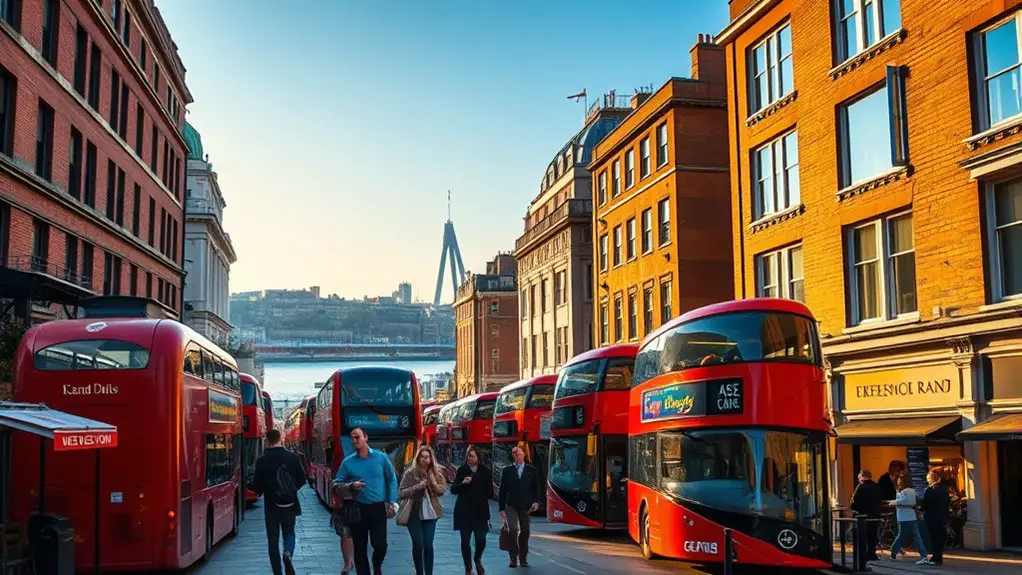
The easiest way to estimate a London trip is to separate the expenses you can control from the ones that vary widely. Start with accommodation, food, local transportation, and attractions. Then add flights, airport transfers, insurance, shopping, and a contingency fund.
Currency exchange rates also matter if your home currency is not pounds sterling. Instead of converting your entire trip budget once and assuming the rate will stay the same, build the budget in pounds first. Your bank or card provider can then show what those costs mean in your home currency when you are ready to book.
Check whether your card charges foreign-transaction fees. Transport for London also notes that overseas fees may apply when visitors use non-UK contactless cards.
Travel insurance belongs in a separate line of the budget because premiums depend on your age, residence, trip value, health coverage, and activities. Overseas visitors should also check their healthcare position before traveling. The NHS guidance for visitors from outside the EEA explains that some visitors may be charged for NHS secondary care unless an exemption applies and recommends appropriate medical or travel insurance.
Note: The daily budgets in this guide are planning ranges for spending in London. They are not guarantees or fixed citywide averages. Hotel rates, restaurant prices, exchange rates, school holidays, major events, and your travel dates can move the total substantially.
Sample London Trip Budgets by Length
The following totals multiply the daily planning ranges above. They are per person and exclude international flights, airport transfers, shopping, and travel insurance.
| Trip Length | Budget | Mid-Range | Luxury |
|---|---|---|---|
| 3 days | £255–£420 | £540–£900 | £1,200+ |
| 5 days | £425–£700 | £900–£1,500 | £2,000+ |
| 7 days | £595–£980 | £1,260–£2,100 | £2,800+ |
Couples sharing one hotel room may spend less per person on accommodation than two solo travelers. Families may also spread room or rental costs across several people, although attraction tickets and meals increase with each traveler.
Flights and Airport Transfers
Airfare should normally be calculated separately because the cost depends on your departure city, season, airline, baggage allowance, cabin, and how far ahead you book. A London budget that includes flights without specifying an origin can be misleading.
Airport transfers are another separate expense. London is served by several airports, and the cost of reaching central London varies by airport and transport choice. Before booking accommodation, compare the total cost and travel time of your airport transfer rather than looking only at the room rate.
Pro Tip: Build your budget in this order: flights → accommodation → airport transfers → daily food and transport → paid attractions → insurance and shopping → contingency money. This makes it much easier to see where you can cut costs without weakening the whole trip.
Budget-Friendly Accommodation Options

Hostels, university accommodation when available, simple guesthouses, and budget hotel rooms are the usual starting points for travelers trying to keep London accommodation costs down.
Read recent reviews rather than booking on price alone. Pay particular attention to cleanliness, security, noise, luggage storage, bathroom arrangements, and distance from public transport. Hostel amenities such as free Wi-Fi and communal kitchens can reduce other daily costs.
The cheapest room is not always the cheapest trip: a slightly higher room rate near useful public transport can save time and repeated cross-city travel.
Dormitory beds usually cost less than private rooms. Staying farther from the most tourist-heavy areas can also reduce room prices, but check the transport zone and journey time before booking. Saving money on a room is less useful if you spend much of each day commuting.
Accommodation prices change with demand. Summer, school holidays, weekends, major sporting events, concerts, Christmas, and New Year can all affect availability and rates, so compare actual prices for your travel dates instead of relying on a generic citywide average.
Mid-Range Hotels and Short-Term Rentals
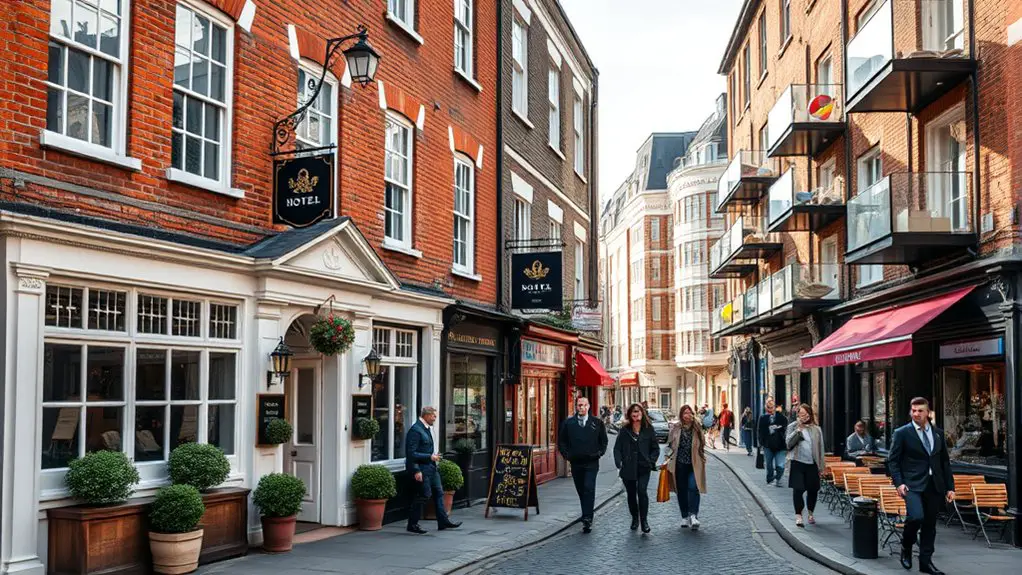
Mid-range hotels and short-term rentals are useful for travelers who want a private room, reliable facilities, and a convenient location without paying luxury-hotel prices.
Hotel amenities may include Wi-Fi, breakfast, air conditioning, luggage storage, and a gym, but never assume they are included. Compare the final booking price and cancellation terms rather than comparing only the headline nightly rate.
Apartment-style accommodation can be particularly useful for families and longer stays because access to a kitchen may reduce restaurant spending. Check cleaning charges, booking fees, occupancy limits, and the property’s location before deciding that a rental is cheaper than a hotel.
A central hotel can also have hidden value. Being able to walk to several sights may reduce transport use and make shorter trips more efficient. On the other hand, well-connected neighborhoods outside the center may offer better room value while still keeping travel simple.
Luxury Stays and Exclusive Lodging
Luxury accommodation is where a London budget can expand fastest. Five-star hotels, premium suites, serviced residences, and exclusive rentals can cost several times more than a standard private room, especially in high-demand central neighborhoods.
Instead of using one generic luxury price, check the exact dates you plan to stay. Room category, view, breakfast, cancellation terms, major events, and demand can all change the nightly total.
Opulent Hotel Suites
London’s premium hotel suites can include large living areas, high-end bathrooms, concierge services, upgraded dining benefits, and landmark views. Some properties also offer butler service, private transfers, spa packages, or other personalized extras.
Those additions should be treated as separate budget choices rather than assumed features. A traveler interested primarily in location and comfort may get better value from a standard room at the same high-end property.
Private Villa Rentals
Private villas are not a standardized London accommodation category, and claims that a certain neighborhood automatically includes a pool, chef, garden, or security service can be misleading. High-end whole homes and serviced residences do exist, but their facilities and prices vary significantly from one property to another.
When comparing an exclusive rental, check the complete price and exactly what is included:
| Cost Driver | What to Check |
|---|---|
| Location | Distance from central sights and public transport |
| Property size | Bedrooms, bathrooms, occupancy limit, and shared spaces |
| Services | Housekeeping, concierge, chef, driver, or security and whether each costs extra |
| Fees | Cleaning, deposits, booking charges, and cancellation terms |
| Travel dates | Weekend, holiday, event, and peak-season demand |
Boutique Luxury Accommodations
Boutique hotels can offer a more individual experience than large luxury chains. London options range from converted townhouses to contemporary design hotels, often with fewer rooms and more distinctive interiors.
Premium bedding, upscale bathrooms, breakfast, spa access, or personalized service may be available, but inclusion varies by property. Compare the final room package with a conventional four- or five-star hotel before paying extra for the boutique label.
Daily Food and Dining Costs
Food is one of the easiest parts of a London budget to adjust. A traveler using supermarkets, bakeries, takeaway counters, and inexpensive cafes can spend far less than someone having three restaurant meals plus drinks every day.
For planning rather than as a fixed price rule, consider allocating roughly £25–£45 per day for basic food, £50–£90 for a more flexible mix of cafes, pubs, and restaurants, or £120+ for frequent premium dining and drinks. Check current menus for places you actually intend to visit before finalizing the budget.
Dining Price Range
London has everything from inexpensive takeaway food to tasting menus costing well into triple figures. That makes a single “average meal price” less useful than deciding how many restaurant meals you want each day.
Street-food markets and counter-service restaurants can help control spending, while full-service restaurants, wine, cocktails, tasting menus, and hotel dining increase it quickly. Fine dining should therefore be treated as a planned splurge rather than folded into a basic daily food estimate.
Budget Meal Options
For cheaper meals, look at supermarkets, bakeries, cafes, food halls, and market stalls. Borough Market and Camden Market offer broad choices, but “market” does not automatically mean inexpensive, so check prices before ordering.
A simple breakfast from a grocery store, a takeaway lunch, and one inexpensive hot evening meal can keep the day’s food spend much lower than eating every meal in a sit-down restaurant.
Self-catering accommodation can also help, particularly on longer stays. Even preparing breakfast and keeping snacks and drinks in your room can make a noticeable difference across a week.
Beverage Expenses
Coffee, soft drinks, alcohol, and cocktails can quietly add a large amount to a food budget. Prices vary too much by neighborhood and venue to rely on a single citywide figure, so use current menus when drinks are an important part of your plans.
Tap water with meals, supermarket drinks, and fewer alcoholic beverages are straightforward ways to reduce daily spending without changing your sightseeing plans.
Note: London restaurants may add a service charge to the bill. HMRC distinguishes between mandatory charges and charges clearly presented as voluntary or discretionary. Check the bill before adding another tip.
Transportation Within London
Public transport is usually the most economical way to cover longer distances in London. The Underground, buses, London Overground, DLR, and Elizabeth line connect most areas visitors are likely to use.
Transport for London recommends pay as you go using contactless or Oyster as an easy option for visitors. PAYG also provides automatic daily and weekly capping on eligible travel.
For 2026, the adult Zones 1–2 all-day PAYG cap is £8.90. As of July 25, 2026, the adult bus/tram PAYG fare is £1.75 and the bus/tram daily cap is £5.25. A July 2026 City Hall fare decision keeps those bus and tram prices frozen until November 1, 2026.
In 2026, an adult using PAYG for eligible travel in Zones 1–2 pays no more than £8.90 in a day once the applicable cap is reached.
Warning: Use the same contactless card or the same phone/watch for all journeys. TfL warns that switching between a physical card and a mobile device can prevent your journeys from being combined correctly for fare calculation and capping.
Taxis and ride-hailing services provide door-to-door convenience but can increase the transport budget quickly. Walking is free and often practical between nearby central sights. Santander Cycles and other cycling options can also suit some visitors, although you should check current hire terms and ride only where you feel confident in London traffic.
Sightseeing and Entertainment Expenses
London is unusual in offering many world-class museums without a general admission charge while also having major landmarks that cost considerably more.
According to Visit London’s 2026 guide to free attractions, options include the British Museum, Tate Modern, National Gallery, Natural History Museum, and other major cultural sites. Special exhibitions or experiences may still require paid tickets.
Paid landmarks need a separate allowance. For example, the Tower of London currently lists a standard adult ticket without donation at £37. St Paul’s Cathedral lists adult sightseeing at £24 during its June 25–September 1, 2026 promotion and £27 outside that period.
West End shows, guided tours, observation decks, sporting events, temporary exhibitions, and special experiences vary significantly by date and seat or ticket category. Check the official booking page for the exact day you plan to attend.
A practical sightseeing strategy is to combine free museums and outdoor sights with one or two paid attractions that matter most to you instead of purchasing admission everywhere.
Shopping, Souvenirs, and Extra Spending
Shopping is highly personal, so it is best kept outside your essential London budget. Markets such as Borough Market, Camden Market, and Portobello Road offer everything from food and small gifts to vintage clothing and collectibles.
Traditional souvenirs can include tea, chocolates, books, prints, Royal-themed merchandise, and locally made products. Department stores and luxury boutiques can turn shopping into one of the trip’s largest expenses, so give it a separate spending limit.
Also leave room for small unplanned costs such as luggage storage, pharmacy items, convenience purchases, an extra attraction, or replacing something you forgot to pack.
Pro Tip: Add a contingency amount of roughly 10% to your planned in-city spending if your overall budget allows it. You do not have to spend it, but it gives you room for price changes and unexpected expenses.
Tips for Saving Money During Your Visit
London does not have to be a luxury-only destination. The biggest savings usually come from accommodation choices, free sightseeing, public transport, and deciding in advance which paid experiences are genuinely important.
- Use free museums and galleries. The British Museum, Tate Modern, National Gallery, Natural History Museum, and several other major collections offer free general admission, although paid exhibitions may be separate.
- Use PAYG transport correctly. Contactless or Oyster capping can prevent eligible daily transport spending from climbing indefinitely. Always use the same payment card or device.
- Walk between nearby sights. Westminster, the South Bank, Covent Garden, Soho, and many central areas can be explored partly on foot.
- Compare the whole accommodation cost. A cheaper room far outside the center can add both transport cost and travel time.
- Mix restaurant meals with inexpensive food. Supermarkets, bakeries, cafes, and takeaway meals can balance a few more expensive dinners.
- Book high-priority attractions directly and early. Compare official prices before buying a sightseeing pass.
- Set a shopping allowance. Keeping souvenirs separate prevents them from consuming money needed for meals or transport.
Are London Attraction Passes Worth It?
An attraction pass can save money when the attractions you genuinely intend to visit would cost more individually than the pass. It is not automatically the cheapest option for every itinerary, especially if most of your plans involve free museums and parks.
Make a list of your must-see paid attractions, total their current official admission prices, and compare that number with the pass price. Also check booking requirements. Go City’s current London guidance states that some included attractions require reservations, so a pass should not be treated as universal skip-the-line access.
Frequently Asked Questions
How can I find the best deals on London attractions?
Start with each attraction’s official website and compare advance tickets with the cost of any sightseeing pass you are considering. A pass can be worthwhile when it covers several paid attractions already on your itinerary, but check reservation rules and included benefits rather than assuming every attraction offers fast-track entry.
Are there any free activities or attractions in London?
Yes. Major free options include the British Museum, Tate Modern, National Gallery, Natural History Museum, parks, markets, and walking routes along the Thames. Some museums charge separately for special exhibitions, so check before visiting.
What’s the best way to get around London on a budget?
For most visitors, walking combined with pay-as-you-go public transport is the easiest low-cost approach. Contactless and Oyster offer capping on eligible travel. Use the same card or device consistently so TfL can calculate the correct fares and caps.
How can I save money on food while visiting?
Mix restaurant meals with supermarkets, bakeries, cafes, takeaway food, and self-catering. Check menus before sitting down and look at the final bill for any service charge. Packing snacks and carrying water can also reduce convenience spending while sightseeing.
Are travel insurance costs included in the budget estimates?
No. The daily planning ranges in this guide exclude travel insurance because premiums depend on the traveler and trip. Check medical coverage, cancellation protection, exclusions, and activity coverage before buying a policy. Overseas visitors should also understand whether they may be charged for healthcare in England.
How much money do I need for five days in London?
A five-day planning budget is roughly £425–£700 per person for a budget trip, £900–£1,500 for mid-range travel, or £2,000+ for luxury. These figures exclude international flights, airport transfers, insurance, and shopping.
How much does one week in London cost?
For seven days, plan roughly £595–£980 per person on a budget, £1,260–£2,100 for a mid-range visit, or £2,800+ for luxury before international flights and other separately budgeted costs. Sharing accommodation can lower the per-person total.
Conclusion
A London trip can fit very different budgets, but the most useful way to plan is by daily travel style rather than one vague total. Around £85–£140 per person per day is a practical budget starting range, £180–£300 allows a more comfortable mid-range visit, and luxury spending can exceed £400 per day quickly.
Accommodation will usually create the biggest difference, followed by food and paid sightseeing. Use London’s free museums, PAYG public transport, walking routes, and carefully chosen paid attractions to control costs without stripping the experience from your trip. Add flights, airport transfers, insurance, shopping, and contingency money separately, and you will have a much more realistic idea of what your London visit will actually cost.
Sources
- Transport for London — Best Ways for Visitors to Pay — contactless, Oyster, pay-as-you-go and capping guidance.
- Greater London Authority — July 2026 Fare Changes — current 2026 bus and tram fares and scheduled changes.
- Historic Royal Palaces — Tower of London Tickets and Prices — current Tower admission pricing.
- St Paul’s Cathedral — Ticket Types and Prices — current sightseeing admission.
- Visit London — Free Attractions in London — current free sightseeing and museum options.
- NHS — Visitors From Outside the EEA — healthcare charges and insurance guidance for overseas visitors.
