
Last Updated on July 31, 2026 by Daniel Globe
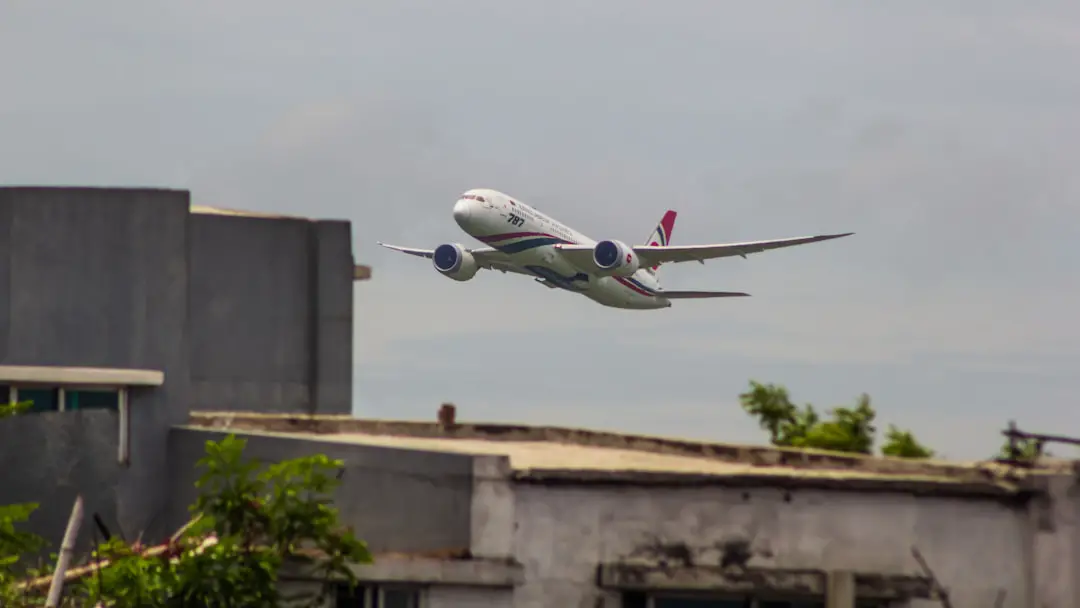
Commercial airplanes usually cruise between about 30,000 and 40,000 feet, but that does not mean every aircraft can or should fly at the same height. The altitude selected for a flight depends on the aircraft type, weight, temperature, winds, turbulence, route, air traffic, and the safety margins available at that moment.
Quick Answer
Most passenger jets cruise at roughly 30,000 to 40,000 feet. Their certified maximum operating altitude is often in the low 40,000s, but pilots normally choose a lower optimum altitude that preserves adequate thrust, speed, turbulence, and maneuvering margins.
Key Takeaways
- Typical airline cruising altitude is about 30,000 to 40,000 feet, although short flights and some aircraft operate lower.
- Cruising altitude, service ceiling, absolute ceiling, and maximum operating altitude are different measurements.
- An aircraft’s usable altitude may be limited by weight, temperature, available thrust, pressurization, or reduced maneuvering margin.
- Passengers in a pressurized airliner are not breathing air at the airplane’s actual altitude; cabin altitude is normally kept much lower.
- The approved aircraft flight manual, air traffic control clearance, weather, and operator procedures determine what altitude is permitted on a specific flight.
Disclosure: As an Amazon Associate I earn from qualifying purchases. Some links on this page are affiliate links, at no extra cost to you.
How Aviation Altitude Is Measured
The word altitude can describe several different measurements. Confusing them can make aircraft performance and oxygen rules harder to understand.
Mean Sea Level and Above Ground Level
Mean sea level (MSL) altitude measures height above an average sea-level reference. Airport elevations, terrain elevations, and most assigned altitudes below the transition level are expressed in feet MSL in the United States.
Above ground level (AGL) measures the aircraft’s height over the surface directly below it. An airplane at 10,000 feet MSL over terrain that is 6,000 feet high is only about 4,000 feet AGL.
Pressure Altitude, Density Altitude, and Flight Levels
Pressure altitude is the altitude indicated when the altimeter is set to the standard pressure setting of 29.92 inches of mercury. It provides a common reference for aircraft operating at higher altitudes.
Density altitude adjusts pressure altitude for nonstandard temperature. Warm air is less dense than cold air, so a hot day can make an aircraft perform as though it were at a much higher altitude. This can reduce engine output, lift performance, and climb capability.
Flight levels are pressure-altitude references stated in hundreds of feet. For example, FL350 means a pressure altitude of approximately 35,000 feet with the standard altimeter setting in use.
Note: An airplane flying at FL350 is physically about 35,000 feet above sea level only when atmospheric pressure matches the standard atmosphere. Its exact geometric height can differ.
Cruising Altitude, Service Ceiling, and Maximum Altitude
Several altitude terms sound similar but describe different limits or operating goals.
| Altitude term | What it means |
| Cruising altitude | The altitude used for the main en-route portion of a particular flight. |
| Optimum altitude | The altitude that provides the best operating result for the aircraft’s current weight, speed plan, temperature, and cost or fuel objective. |
| Maximum operating altitude | A certified limitation above which the aircraft must not be operated. It is published in the approved aircraft flight manual. |
| Service ceiling | A performance altitude where the aircraft’s best rate of climb has fallen to a specified low value. The FAA glossary commonly uses 100 feet per minute for the defined airplane condition. |
| Absolute ceiling | The theoretical altitude where no climb capability remains and only level flight is possible under the stated conditions. |
A certified maximum is not a target altitude. Pilots normally operate below it because the airplane needs enough performance to maintain speed, maneuver, handle turbulence, and respond to changing conditions.
How High Do Commercial Airplanes Usually Fly?
Most modern passenger jets spend the cruise portion of a flight at approximately 30,000 to 40,000 feet. Common clearances include flight levels such as FL310, FL330, FL350, FL370, and FL390, although the available levels depend on direction, airspace rules, traffic, route, and aircraft capability.
Short flights often cruise lower because the airplane would begin descending soon after completing a long climb. Longer flights can benefit more from higher altitudes, where lower air density can reduce aerodynamic drag and improve the aircraft’s overall cruise efficiency.
Higher is not automatically better. Jet engines produce less maximum thrust as the air becomes less dense, and the aircraft must maintain safe margins above low-speed buffet and below its maximum permitted Mach number.
The best cruise altitude is usually the highest practical altitude that still provides the required thrust and maneuvering margins—not simply the highest number printed in the aircraft specifications.
Why Airliners Make Step Climbs
A long-haul aircraft may be too heavy to begin its flight at its most efficient later-cruise altitude. As fuel burns and total weight decreases, the optimum altitude rises. Pilots may request one or more step climbs to higher flight levels when performance and air traffic permit.
Pro Tip: When tracking a long flight, a climb from FL330 to FL350 or FL370 several hours after departure is often a planned efficiency step rather than a response to a problem.
Factors That Limit an Aircraft’s Maximum Altitude
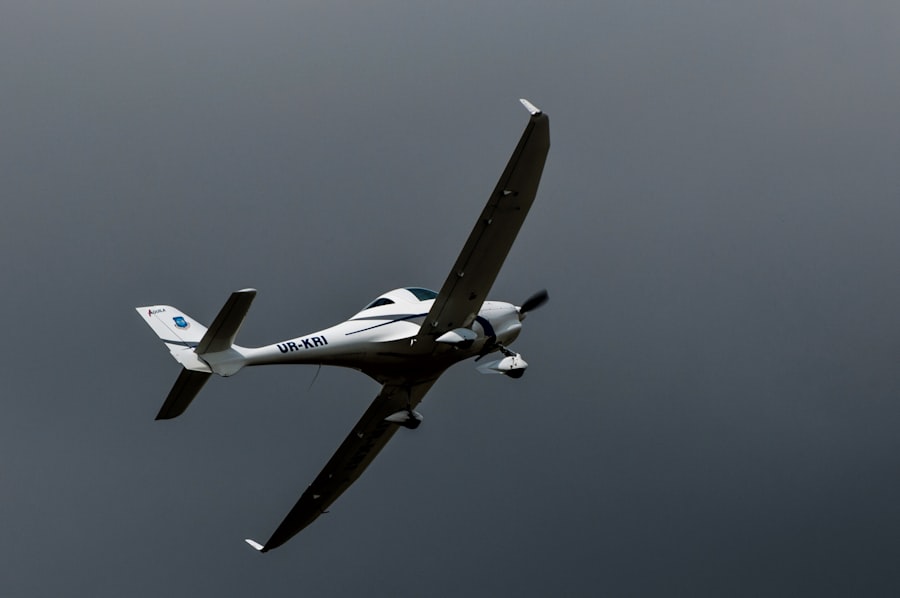
An aircraft’s maximum usable altitude for a given flight is generally the lowest limit created by its certification, available thrust, aerodynamics, operating weight, atmospheric temperature, or required safety margin.
Aircraft Weight
A heavier aircraft needs more lift and usually a higher angle of attack to maintain level flight at a given speed. It also needs more thrust and has less excess performance available for climbing or maneuvering. This is why an aircraft may have to remain lower shortly after takeoff and climb higher after burning fuel.
Temperature and Air Density
Air that is warmer than the standard atmosphere reduces altitude capability. Engines may produce less thrust, and the aircraft may reach a thrust or buffet limit at a lower flight level. Very cold temperatures create different operational concerns, including fuel-temperature and systems limitations that crews must monitor.
Engine Thrust
Turbofan engines are well suited to high-speed transport flight, but their maximum available thrust still decreases as atmospheric density falls. An aircraft may reach a point where it can maintain level flight but lacks enough excess thrust for an acceptable climb or acceleration.
NASA’s explanation of the turbofan engine describes why this engine type is widely used for high-speed transport aircraft.
Aerodynamic and Maneuvering Margin
At high altitude, the aircraft’s safe speed range can become narrower. Flying too slowly can lead toward stall or low-speed buffet. Flying too fast can approach the aircraft’s maximum Mach number and high-speed buffet.
Turns increase the lift required from the wings. A flight level that is acceptable in straight-and-level cruise may provide too little maneuvering margin for a steep turn or strong turbulence. Flight-management systems and performance charts help crews select an altitude that maintains the required margin.
Pressurization and Structural Limits
Outside atmospheric pressure decreases as an airplane climbs. Inside a pressurized cabin, the pressure remains much higher. The fuselage must therefore withstand the pressure difference between the cabin and the surrounding atmosphere.
The aircraft’s structure, doors, windows, valves, pressure-control system, emergency oxygen equipment, and decompression requirements are evaluated during certification. The resulting maximum operating altitude becomes a firm limitation.
The Role of Aircraft Design in Altitude Capability
| Design factor | Effect on high-altitude operation |
| Wing and airfoil design | Controls lift, drag, critical Mach behavior, and the available margin before low-speed or high-speed buffet. |
| Engine design | Determines available cruise thrust, climb performance, fuel efficiency, and performance in hot or nonstandard conditions. |
| Aircraft weight | Higher weight reduces climb capability and increases the lift and thrust required to remain at altitude. |
| Pressure-vessel strength | Limits the cabin-to-outside pressure difference and helps determine the certified structural altitude. |
| Flight-control and avionics systems | Monitor speed and altitude margins, support navigation, and help crews manage the aircraft within approved limits. |
High-aspect-ratio wings, carefully shaped airfoils, winglets, lightweight materials, and efficient engines can improve cruise performance. However, no single design feature determines the ceiling. The final limit reflects the complete aircraft and its certified systems.
What Is “Coffin Corner”?
“Coffin corner” is an informal term for the high-altitude region where the margin between low-speed buffet and high-speed Mach buffet becomes very small. Early jet designs could operate closer to this condition than modern transport aircraft normally do.
Modern performance calculations, speed displays, and operating procedures help crews maintain an adequate margin. Still, maneuver capability decreases as an aircraft approaches its maximum altitude, especially when it is heavy, the air is warmer than standard, or turbulence requires frequent control inputs.
Cabin Altitude, Oxygen, and Pressurization
An airliner cruising at 35,000 feet does not expose passengers to the atmospheric pressure found outside the aircraft. Its cabin is pressurized to create an environment equivalent to a much lower altitude.
U.S. transport-category standards require pressurization systems to be designed to minimize the time occupants are exposed to cabin pressure altitudes above 8,000 feet during normal operation. Some newer aircraft maintain an even lower cabin altitude under normal cruise conditions.
Warning: Do not apply an airplane’s actual altitude directly to supplemental-oxygen rules. The relevant measurement is often cabin pressure altitude, and the exact requirements differ between general aviation, commuter, charter, and airline operations.
For U.S. general-aviation operations under 14 CFR 91.211, required flight crew must use supplemental oxygen when a cabin pressure altitude above 12,500 feet through 14,000 feet lasts more than 30 minutes. Required crew must use it continuously above 14,000 feet, and each occupant must be provided with oxygen above 15,000 feet.
Air carriers operate under additional rules, approved procedures, and aircraft-specific systems. Passenger oxygen masks are emergency equipment intended for a loss of normal cabin pressure. When deployed, passengers should put on their own masks promptly and follow the crew’s instructions.
Hypoxia can impair judgment before a person recognizes the problem. This is one reason pressurization warnings, crew oxygen systems, passenger masks, and emergency descent procedures are essential parts of high-altitude aircraft design and training.
How Weather Changes an Aircraft’s Altitude
Weather can cause a flight to cruise higher, lower, or along a different route. Pilots and dispatchers consider winds, turbulence reports, thunderstorms, icing conditions, temperature, and forecasts throughout the flight.
Jet Streams and Winds
Jet streams are narrow regions of strong upper-level wind. A favorable tailwind can reduce flight time and fuel use, while a headwind can increase both. The most efficient route may therefore involve a different altitude or path from the shortest geographic route.
Turbulence
Clear-air turbulence can occur near jet streams, wind shear, and mountain waves even when no clouds are visible. When pilots receive turbulence reports or detect an uncomfortable layer, they may request a climb or descent. A different altitude can be smoother, but it is not guaranteed to be completely turbulence-free.
Thunderstorms
Airliners do not attempt to solve a thunderstorm hazard simply by climbing over it. Large storm cells can reach or exceed airline cruising altitudes and can produce severe turbulence, hail, lightning, icing, and powerful vertical currents. Avoidance is the normal strategy.
Air Traffic Rules and Flight-Level Restrictions
Air traffic control assigns altitudes to maintain separation between aircraft, organize traffic flows, protect restricted airspace, and meet route or arrival requirements. A pilot may request a preferred altitude, but ATC may assign a different one because of traffic, airspace, or operational constraints.
Reduced Vertical Separation Minimum
In designated Reduced Vertical Separation Minimum, or RVSM, airspace between FL290 and FL410 inclusive, properly approved aircraft can be separated vertically by 1,000 feet. This creates additional usable flight levels while maintaining required equipment, approval, and operating standards.
Above FL410, different separation standards and fewer available levels can make routine airline operation less convenient even for an aircraft capable of flying higher.
Note: A flight’s altitude is not chosen by the pilots alone. It must fit the aircraft’s limitations, performance calculations, ATC clearance, weather, route structure, and company procedures.
How High Have Commercial Airliners Flown?
Conventional subsonic passenger jets normally cruise in the 30,000-to-40,000-foot region and generally have certified maximum operating altitudes in the low 40,000s. The exact figure differs by aircraft model, variant, installed equipment, and approved flight manual.
Concorde was a major exception. British Airways lists its cruising capability as Mach 2 at up to about 60,000 feet. Its supersonic design allowed it to operate well above normal subsonic airline traffic and much of the weather below.
Modern aircraft such as the Boeing 787 and Airbus A350 use advanced aerodynamics, efficient turbofan engines, composite materials, and sophisticated flight-management systems. These features improve range, fuel use, cabin comfort, and operational flexibility, but they do not mean the aircraft should routinely cruise at its certified maximum altitude.
Military and Experimental Aircraft Altitudes
Military reconnaissance and research aircraft can operate far above normal airline traffic because they are designed for different missions and may use specialized pressure suits, life-support systems, wings, engines, and operating procedures.
The Lockheed U-2 family is associated with missions around or above 70,000 feet. Its long, glider-like wings provide efficient lift in very thin air, while its pilots use specialized high-altitude equipment and training.
NASA’s X-15 rocket-powered research aircraft reached 354,200 feet during a 1963 flight. That was the highest altitude achieved in the X-15 program and remained a piloted-aircraft record until SpaceShipOne surpassed it in 2004. The X-15 remains one of the most important experimental programs in the history of high-speed and high-altitude flight.
The Future of High-Altitude Flight
Future aircraft may use new propulsion systems, lightweight structures, improved aerodynamics, and more automated flight controls. Research continues into supersonic and hypersonic vehicles, high-altitude research platforms, electric aircraft, and suborbital transportation concepts.
Urban air-mobility aircraft are aimed mainly at relatively low-altitude regional or city operations, not airline-style cruise in the upper atmosphere. Longer-distance electric and hybrid aircraft will also be limited by battery mass, energy density, certification, weather, and reserve requirements.
Suborbital point-to-point passenger travel has been proposed as a way to reduce very long journey times. However, such services remain conceptual or developmental rather than an established form of scheduled airline transportation. Safety certification, launch infrastructure, passenger loads, noise, cost, and operational reliability remain major challenges.
The Fascinating World of Aircraft Altitude Limits
Aircraft altitude limits are not one simple number. A passenger jet may be certified to fly into the low 40,000s yet spend much of a flight lower because of weight, temperature, turbulence, winds, traffic, or the need for a larger maneuvering margin.
The key distinction is between what an aircraft is legally certified to do, what it can physically do under a stated set of conditions, and what is sensible for a particular flight. Pilots, dispatchers, air traffic controllers, engineers, and automated performance systems work together to keep the aircraft within all three boundaries.
For a separate seasonal travel-planning topic, see our guide to the best travel skirts for women.
Frequently Asked Questions
What is the typical cruising altitude for commercial airlines?
Most passenger jets cruise at about 30,000 to 40,000 feet. The exact altitude depends on the route, aircraft type, weight, weather, winds, air traffic, and available performance margin.
Why do airlines fly at high altitudes?
High-altitude cruise can reduce aerodynamic drag and improve the aircraft’s overall fuel efficiency and true airspeed. It may also place the aircraft above lower clouds and some weather, although turbulence and thunderstorms can still occur at cruising altitude.
How high can a commercial airplane fly?
It depends on the aircraft. Many current subsonic airliners have maximum operating altitudes in the low 40,000s, while their normal cruise is often lower. Concorde was designed to cruise at up to about 60,000 feet. The approved aircraft flight manual gives the exact limit for each type and variant.
Is a service ceiling the same as maximum operating altitude?
No. A service ceiling is a performance measure based on a very low remaining rate of climb under defined conditions. Maximum operating altitude is a certified limitation that the aircraft must not exceed.
Why do passengers not need oxygen at 35,000 feet?
The cabin is pressurized, so passengers experience a cabin pressure altitude far below the aircraft’s actual altitude. Emergency oxygen masks are available in case the normal pressurization system can no longer maintain a safe cabin environment.
Is flying higher always more fuel-efficient?
No. Efficiency improves only while the aircraft retains enough thrust and aerodynamic margin. A heavy airplane, unusually warm air, strong headwind, turbulence, or route restriction can make a lower altitude more efficient or safer.
Can airliners fly above thunderstorms?
Airliners should not rely on climbing over major thunderstorms. Strong cells can extend above normal cruising levels and produce severe turbulence, hail, icing, lightning, and dangerous vertical air movement. Crews normally avoid them by an appropriate horizontal distance.
What does FL350 mean?
FL350 means flight level 350, or a pressure altitude of approximately 35,000 feet using the standard altimeter setting. It is a shared pressure reference rather than a guarantee that the airplane is exactly 35,000 geometric feet above sea level.
Sources
- FAA Advisory Circular 61-107B — maximum operating altitude, high-altitude training, pressurization, physiology, and aircraft limitations.
- 14 CFR 91.211: Supplemental Oxygen — U.S. general-aviation oxygen requirements based on cabin pressure altitude.
- 14 CFR 25.841: Pressurized Cabins — transport-aircraft cabin-pressure and decompression standards.
- FAA Aeronautical Information Manual: RVSM — reduced vertical separation between FL290 and FL410.
- British Airways: Celebrating Concorde — Concorde speed and cruising-altitude capability.
- NASA X-15 Hypersonic Research Program — the X-15 program’s 354,200-foot altitude achievement and historical significance.
