
Last Updated on July 31, 2026 by Daniel Globe
Hotels and motels both provide short-term lodging, but they are designed around different travel needs. The clearest difference is usually the room layout: hotel rooms often open to an interior hallway, while motel rooms often open toward an outdoor walkway or parking area. Amenities, prices, size, and service levels vary widely within both categories.
Quick Answer
A hotel and motel both provide short-term lodging. Hotel rooms usually open to interior hallways, and hotels often offer more shared facilities and services. Motel rooms usually open toward an outdoor walkway or parking area, making them convenient for drivers. Price, quality, size, and amenities still vary by property.
Key Takeaways
- Hotels commonly use interior hallways, while motel rooms commonly open toward an outdoor walkway or parking area.
- Hotels often have more shared facilities, but neither label guarantees a pool, restaurant, breakfast, or fitness center.
- Motels are often convenient for road trips because parking is usually close to the room.
- Motels are frequently marketed as budget lodging, but a motel is not always cheaper than a hotel.
- Compare the total price, recent reviews, room features, parking, cancellation rules, and check-in hours before booking.
Hotel vs. Motel: Main Differences
| Feature | Hotel | Motel |
|---|---|---|
| Room access | Usually through a lobby and interior hallway | Usually from an outdoor walkway or parking area |
| Typical location | Cities, airports, business districts, resorts, and tourist areas | Highways, suburban roads, small towns, and roadside locations |
| Parking | May be in a separate lot or garage and may cost extra | Often included close to the guest room |
| Amenities | More likely to have dining, meeting space, a gym, a pool, or room service | Usually focuses on essential lodging, parking, Wi-Fi, and limited food service |
| Property size | Ranges from small boutique properties to large high-rise resorts | Often smaller and low-rise, although exceptions exist |
| Typical stay | Business trips, vacations, events, resort stays, and longer visits | Road trips, overnight stops, work travel, and short stays |
| Price | Often higher when more facilities and services are included | Often positioned as economical, but not always cheaper |
The name on the sign is a useful clue, not a guarantee. Always judge the individual property by its layout, total price, amenities, policies, condition, and recent guest feedback.
What Is a Hotel?
A hotel is a lodging establishment that rents rooms for short-term stays. The U.S. Census Bureau groups hotels, motor hotels, resort hotels, and motels within the same traveler-accommodation industry. These businesses may provide food, recreational facilities, meeting rooms, laundry, parking, and other services, but those extras are not required for every hotel.
Most conventional hotels have a lobby or reception area, and guest rooms are commonly reached through interior hallways. Hotels can range from small independent properties with a few rooms to large resorts and convention hotels with hundreds or thousands of rooms.
A full-service hotel may have restaurants, bars, room service, meeting facilities, a concierge, valet parking, a spa, and a fitness center. A limited-service hotel may offer little more than a room, Wi-Fi, parking, and a small breakfast area. The word “hotel” therefore does not guarantee a particular level of luxury.
What Is a Motel?
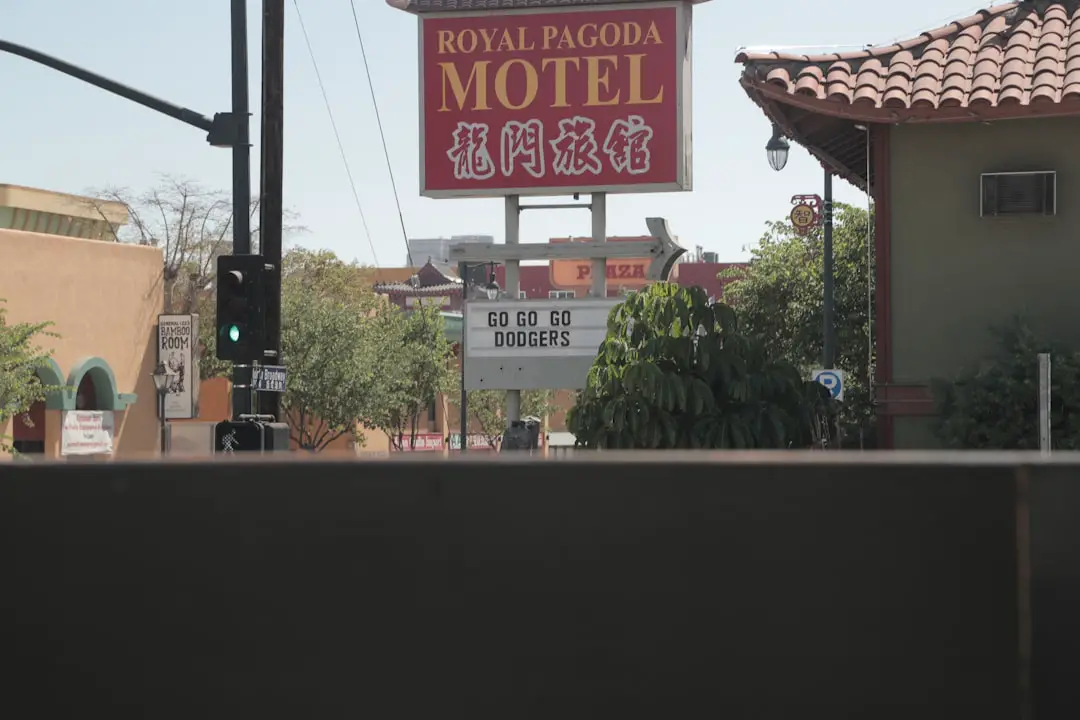
The word “motel” is a blend of “motor” and “hotel.” A motel is designed around the needs of people traveling by car. Its most recognizable feature is that rooms are usually accessible from an outdoor walkway or parking area rather than an interior hotel corridor. This common distinction is also reflected in the Merriam-Webster comparison of hotels and motels.
Many motels are low-rise properties where guests can park near their rooms. This layout can make unloading luggage, checking on a vehicle, or leaving early in the morning more convenient. Motels often serve road trippers, workers traveling between job sites, families making overnight stops, and other guests who value simple access.
Motels commonly provide essential features such as a private bathroom, television, climate control, Wi-Fi, and parking. Some also have breakfast, swimming pools, laundry rooms, kitchenettes, or renovated boutique-style rooms. A property can still call itself a motel even when it offers more than basic lodging.
Location and Size Differences
Typical Locations
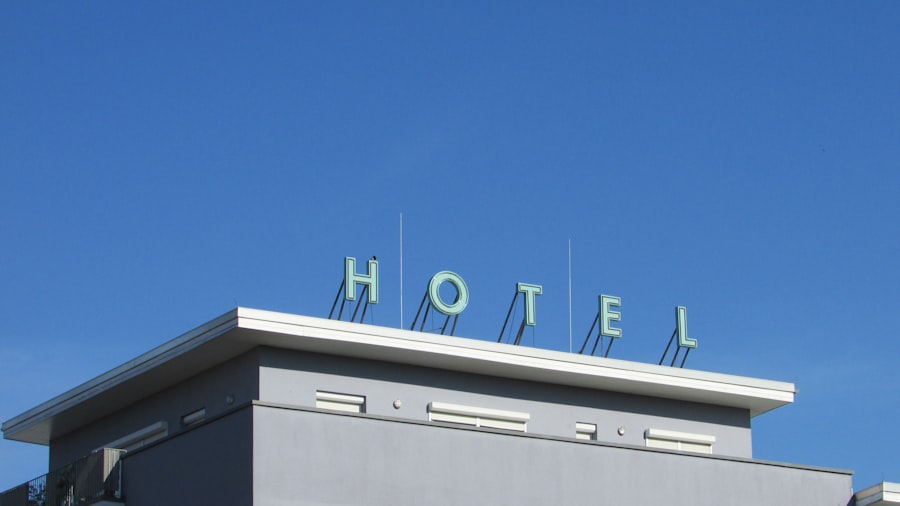
Hotels are commonly found in downtown areas, near airports, beside convention centers, in resort destinations, and close to tourist attractions. These locations serve guests who may depend on public transportation, taxis, rideshare services, or walkable access to businesses and attractions.
Motels became closely associated with highways and automobile travel. Many remain beside major roads, interstate exits, and routes connecting smaller communities. However, the distinction is not absolute. Roadside hotels, downtown motels, airport motels, and urban motor lodges all exist.
Property Layout and Size
Hotels often use multiple floors because an interior-corridor design can place many rooms on a smaller site. Elevators, central lobbies, restaurants, meeting rooms, and recreational facilities may all be contained in one building or connected complex.
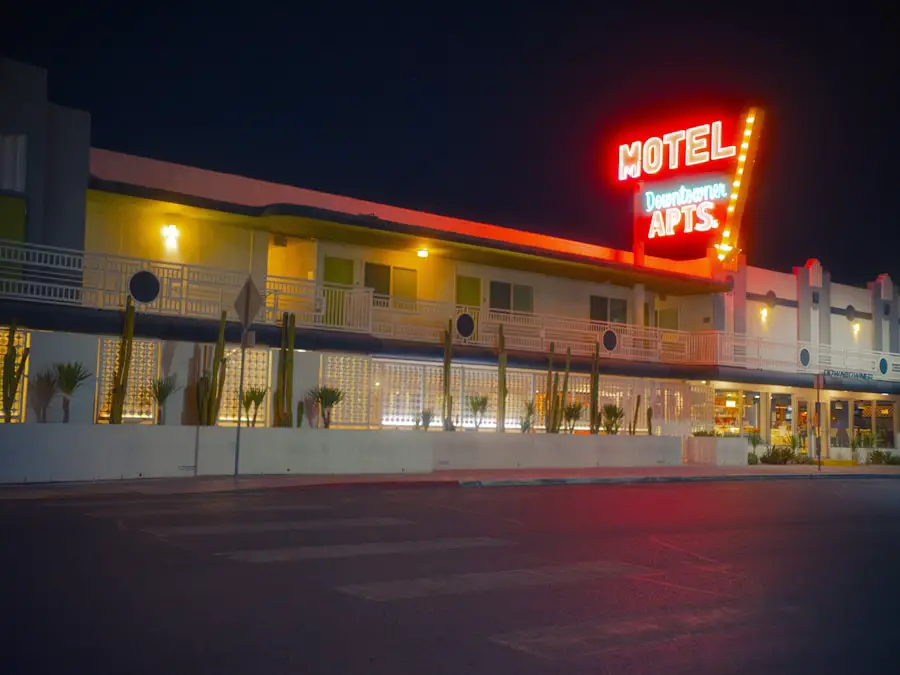
Motels are often one or two stories, with rooms arranged in a straight line, L shape, or U shape around a parking area. Some motels have several floors or partially enclosed corridors, so building height alone does not determine whether a property is a hotel or motel.
Note: Lodging labels are not perfectly standardized. A renovated property may keep “motel” in its name for branding, while a basic roadside property may market itself as a hotel or inn.
Amenities and Services Offered
| Category | Common Hotel Offering | Common Motel Offering |
|---|---|---|
| Room amenities | Television, air conditioning, coffee maker, safe, refrigerator, minibar, desk, and premium bedding | Television, air conditioning, Wi-Fi, refrigerator, microwave, coffee maker, or kitchenette |
| Guest services | Front desk, housekeeping, luggage storage, concierge, room service, valet parking, and laundry | Front desk, housekeeping, self-parking, vending machines, and limited laundry or breakfast service |
| Shared facilities | Restaurant, bar, swimming pool, fitness center, spa, business center, and meeting space | Parking, ice machine, vending area, seasonal pool, breakfast room, or guest laundry |
Hotels are more likely to have several shared facilities and specialized employees. A large hotel may have separate reception, housekeeping, maintenance, food-service, security, event, and concierge teams. That staffing can support more services, but it can also contribute to a higher room rate.
Motels generally focus on practical lodging. Some provide breakfast, swimming pools, vending machines, laundry facilities, kitchenettes, or refrigerators, while others offer only the room and parking. Travelers should check the individual listing instead of assuming that a feature is included because of the property type.
Pricing and Accommodation Options
Hotel prices often vary by room type, view, occupancy, day of the week, local events, season, and included services. A hotel may offer standard rooms, suites, connecting rooms, club-level rooms, accessible rooms, and packages that include breakfast or parking. Loyalty programs may provide points, late checkout, upgrades, or other benefits, depending on the program and rate.
Motels are frequently marketed as affordable places for short stays, but they are not automatically the cheapest option. A renovated motel in a popular destination can cost more than a limited-service hotel. The only reliable comparison is the total price for the same dates, number of guests, room type, and cancellation conditions.
In the United States, the Federal Trade Commission’s lodging-fee rule requires advertised prices for short-term lodging to include most mandatory fees. Government taxes and genuinely optional charges can still appear separately. Review the final payment screen for parking charges, pet fees, deposits, taxes, and optional services.
Pro Tip: Compare the complete stay cost rather than the nightly headline rate. A room that costs slightly more per night may be the better value when it includes parking, breakfast, Wi-Fi, or a flexible cancellation policy.
Target Audience and Customer Experience
Who May Prefer a Hotel?
Hotels can work well for business travelers, families on vacation, couples planning a getaway, convention attendees, and tourists who want on-site facilities. Interior hallways, elevators, restaurants, luggage storage, meeting rooms, and longer front-desk hours may make a hotel more convenient for travelers who need additional support.
Full-service and luxury hotels may provide welcome amenities, room service, concierge assistance, valet parking, spa treatments, and personalized recommendations. Limited-service hotels offer a simpler experience, so travelers should not assume every hotel includes those extras.
Who May Prefer a Motel?
Motels are often useful for drivers who want to park near their room, unload quickly, and return to the road without crossing a large lobby. They may suit overnight stops, road trips, temporary work assignments, event travel, or trips where the room is mainly a place to sleep.
The experience is generally straightforward, but it does not have to be low quality. A well-managed motel can offer clean rooms, helpful staff, comfortable beds, strong Wi-Fi, and convenient parking. Recent renovations have also turned some older roadside motels into stylish independent properties.
Safety, Privacy, and Accessibility
Neither the word “hotel” nor “motel” guarantees that a property is safe, quiet, or well maintained. Interior corridors may feel more private to some travelers, while exterior motel entrances can make it easier to reach a vehicle. The better choice depends on the individual property and the traveler’s needs.
Before booking, review recent guest comments about lighting, door locks, noise, cleanliness, staff availability, and the surrounding area. Check whether the front desk operates 24 hours and whether late arrivals require special instructions. On arrival, confirm that the room door, windows, smoke alarm, and any secondary lock appear to work properly.
Warning: Do not judge security only by whether a property calls itself a hotel or motel. Review the actual location, entrance design, recent feedback, lighting, locks, and overnight staffing.
Travelers who need an accessible room should confirm the exact features required, such as a roll-in shower, accessible tub, visual alarm, lower bed height, or accessible parking route. Under applicable U.S. rules, places of lodging and reservation services must provide information about accessible rooms and features. The ADA Title III regulations provide the federal requirements.
Reservations, Check-In, and Length of Stay
Both hotels and motels commonly accept advance reservations through their websites, telephone lines, travel agencies, and online booking platforms. Many also accept walk-in guests when rooms are available. A motel is not defined by first-come-first-served booking.
Check-in requirements vary. A property may require government-issued identification, a payment card, a security deposit, or a minimum check-in age. Front-desk hours can be especially important at small independent motels, where reception may close overnight.
Hotels and motels can both accommodate stays of several nights. Properties designed for longer visits may offer weekly rates, kitchenettes, laundry facilities, or larger rooms. An “extended-stay hotel” is usually built specifically for this purpose, but some motels also offer weekly or monthly arrangements where local rules permit them.
Products Worth Considering

Abundant to Choose: you will receive 1000 pieces of hotel key envelopes, the sufficient quantity is enough for your daily use and replacement demands, sharing them with others is also desirable

Hotel RFID Keycards Classic Mifare Compatible Technology Compatible With Onity, Miwa, Securelox and Dormakaba Mifare Compatible Systems(Not ULC)

100 pack Hotel & Motel key cards welcome enjoy your stay card.
Historical Background and Evolution
Modern hotels developed from earlier inns, taverns, and lodging houses that gave travelers a place to sleep and sometimes provided meals, stables, or other services. As rail travel and urban tourism expanded, larger hotels appeared near stations, commercial districts, and popular destinations.
Automobile travel created demand for lodging where drivers could park close to their rooms. Motor courts, tourist cabins, and roadside lodges appeared before the word “motel” became common.
The motel name dates to 1925. Architect Arthur S. Heineman designed the Milestone Mo-Tel in San Luis Obispo, California. The property opened on December 12, 1925, and combined “motor” and “hotel” in its name. The California State Library describes it as the world’s first Mo-Tel.
Motels later became a familiar part of American highway travel. Hotels also changed, with roadside chains, airport hotels, limited-service brands, extended-stay properties, and boutique accommodations making the boundary between the two categories less rigid.
Choosing the Right Accommodation for Your Needs
Products Worth Considering

MINIMAL WASTE, MAXIMUM EFFICIENCY: Infuse Conditioner is designed with vacation rental owners and Hotel hosts in mind. Unlike classic travel size bottles of bathroom Conditioner that contribute to waste, our compact bottles allow you to minimize your ecological footprint. Additionally, we offer gallon size bottles of our products, ensuring a seamless refill process for our convenieant 13.5oz pump bottles.
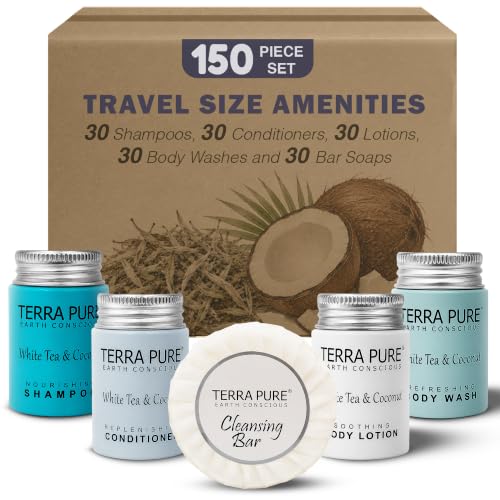
HOTEL AMENITIES: We offer luxury bulk travel size toiletries enriched with pure ingredients that are good for your skin. Each product is conveniently packaged for hotels, gyms, homeless care package supplies, vacation rentals, guest rooms, cruise ships, & more! Our bulk soap sets are Airbnb essentials!
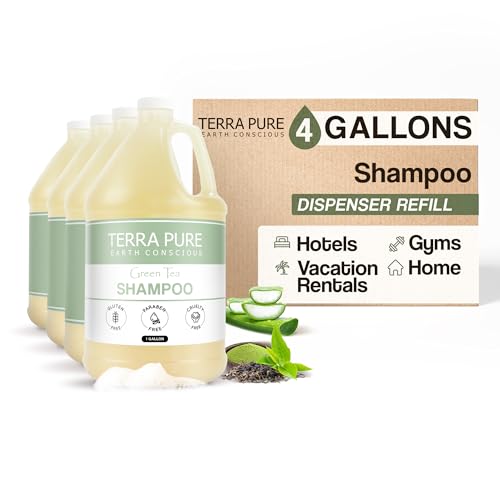
DIVERSIFIED HOSPITALITY Amenities, ideally designed and packaged in Tubes for use in Hotel, VACATION RENTAL (Hotel &VRBO), Motel, Bed and Breakfast, Guest Room, and more to provide GREAT LOOKING hospitality service.
Choose a Hotel When You Want
- Interior room access and a central lobby
- A restaurant, bar, gym, pool, spa, or meeting space
- Luggage storage, concierge assistance, room service, or valet parking
- A business-oriented or resort-style stay
- More room categories, suites, or connecting-room options
Choose a Motel When You Want
- Parking close to the guest-room entrance
- A convenient overnight stop during a road trip
- A simple room without extensive shared facilities
- Fast access to your vehicle, luggage, or work equipment
- A potentially lower rate where local motel prices are competitive
Check These Details Before Booking Either One
- Total price: Compare mandatory charges, taxes, parking, deposits, and pet fees.
- Cancellation terms: Confirm the refund deadline and whether the rate is prepaid.
- Recent reviews: Focus on current comments about cleanliness, noise, maintenance, and staff response.
- Parking: Verify availability, vehicle-size limits, security, and cost.
- Check-in: Confirm front-desk hours, minimum age, identification, and deposit requirements.
- Accessibility: Confirm the exact room, bathroom, entrance, and parking features needed.
- Pets: Check permitted animals, size limits, deposits, cleaning fees, and restricted room types.
- Room equipment: Verify refrigerators, microwaves, kitchenettes, workspaces, and bedside outlets when needed.
Note: The best choice is the property that meets your actual needs. A clean, well-reviewed motel may be better for a road trip, while a limited-service hotel may offer the best rate in a city or near an airport.
Travelers who use medical equipment should also check whether the room has a convenient bedside outlet and enough space for the device. For help selecting portable sleep equipment, see this guide to the best travel CPAP machines.
Frequently Asked Questions
What is the main difference between a hotel and a motel?
The main practical difference is usually room access. Hotel rooms commonly open to interior hallways, while motel rooms commonly open toward an outdoor walkway or parking area. Hotels are also more likely to have extensive shared facilities, although exceptions exist.
Is a motel always cheaper than a hotel?
No. Motels are often marketed as economical lodging, but the actual rate depends on location, travel dates, demand, room condition, renovations, parking, and mandatory charges. Compare the complete price for the same dates and cancellation terms.
What amenities are commonly found in a hotel?
Depending on the property, a hotel may offer a restaurant, bar, swimming pool, fitness center, meeting rooms, business services, room service, luggage storage, concierge assistance, or valet parking. Limited-service hotels may offer only a few of these features.
What amenities are commonly found in a motel?
Motels commonly provide parking, Wi-Fi, climate control, television, and a private bathroom. Some also have breakfast, vending machines, a swimming pool, guest laundry, a refrigerator, microwave, or kitchenette.
Do motels accept advance reservations?
Yes. Modern motels commonly accept reservations through their websites, telephone lines, travel agencies, and booking platforms. Some also accept walk-ins when rooms are available.
Can a motel have interior hallways?
Yes. Exterior room access is a common motel feature, not an absolute rule. Some properties called motels have interior corridors, several floors, or a design that combines indoor and outdoor access.
Are hotels safer than motels?
Not automatically. Interior corridors and overnight staffing may appeal to some travelers, but safety depends on the individual property, location, lighting, locks, maintenance, staff response, and security practices. Check recent reviews and the surrounding area before booking.
Which travelers are hotels and motels best suited for?
Hotels may suit business travelers, families, event attendees, and guests who want more facilities or service. Motels may suit road trippers and travelers who value simple lodging and parking close to the room. The best choice depends on the specific property and trip.
Sources
- U.S. Census Bureau — Hotels and Motels, NAICS 721110 — supports the short-term lodging definition and explains that additional services may vary.
- Merriam-Webster — Difference Between a Hotel and a Motel — supports the typical interior-versus-exterior room-access distinction.
- California State Library — The World’s First Mo-Tel — supports the Milestone Mo-Tel history and 1925 opening.
- Federal Trade Commission — Rule on Unfair or Deceptive Fees — supports current U.S. mandatory lodging-fee disclosure guidance.
- ADA.gov — Title III Regulations — supports accessibility and accessible-room reservation guidance for covered U.S. lodging properties.
