

Last Updated on July 31, 2026 by Daniel Globe
Hotel check-in time affects when you can enter your room, but it is not the same at every property. Many hotels begin standard check-in in the mid-afternoon so housekeeping can prepare rooms after departing guests leave. The exact time, latest arrival rules, early check-in fees, and required documents should always be confirmed in your reservation details.
Quick Answer
Most hotels begin standard check-in at 3:00 or 4:00 p.m., but there is no universal time. Use the time shown in your confirmation and the hotel’s local time zone. Early arrival is usually a request, while arrivals after midnight should be reported in advance so the reservation is not treated as a no-show.
Key Takeaways
- A 3:00 or 4:00 p.m. check-in is common, but the hotel’s published time controls.
- Early check-in depends on room availability unless you purchase a guaranteed option or reserve the previous night.
- Call the hotel when arriving late, especially after midnight or when the front desk has limited hours.
- Bring valid identification, reservation details, and an accepted payment method with enough available credit for any authorization hold.
- Mobile check-in can reduce front-desk time at participating hotels, but it does not automatically guarantee early room access.
At a Glance
| Time Required | Usually 5–15 minutes once the room is ready; longer during peak arrival periods |
| Difficulty | Easy, provided the reservation name, age requirement, identification, and payment method match the hotel’s policy |
| Tools Needed | Valid photo ID, confirmation number, and an accepted credit or debit card; the hotel app is optional |
| Cost | Standard check-in normally has no separate fee, but early check-in, late checkout, deposits, and incidental holds may apply |
What Time Is Hotel Check-In?
Standard hotel check-in commonly begins at 3:00 or 4:00 p.m. local time. Check-out is often around 11:00 a.m. or noon. These are common patterns, not industry-wide rules. Hilton’s official guidance, for example, states that check-in and check-out times vary by hotel.
The time in your confirmation is the best answer for your stay. Check the property page, booking confirmation, or app rather than relying on a general rule. Also confirm whether the listed time is the start of standard check-in or a latest-arrival deadline. A small inn may stop staffed check-in at a certain hour even though a large hotel nearby has a 24-hour desk.
The safest arrival plan is simple: follow the time in your confirmation, use the hotel’s local time zone, and call ahead whenever your arrival falls outside the stated window.
Factors Affecting Hotel Check-In Times
Occupancy Levels and Room Turnover
Hotels need time between check-out and check-in to clean rooms, replace linens, inspect the space, restock supplies, and address maintenance issues. During holidays, conventions, major events, or sold-out weekends, many rooms may turn over at once. That can delay room readiness even when you arrive at the published check-in time.
Staffing Levels and Maintenance
Housekeeping, maintenance, and front-desk staffing also affect how quickly rooms become available. An unexpected repair, a late-departing guest, or a shortage of ready rooms can slow the process. A well-staffed property may handle a busy arrival period more smoothly, but no hotel can promise that every room will be ready early.
Property Type and Front-Desk Hours
Price level alone does not determine flexibility. A luxury hotel may deny early check-in when sold out, while a budget property may have a room ready early during a quiet period. Airport, convention, and business-oriented hotels often operate around the clock, while small hotels, hostels, vacation rentals, and inns may require arrival during limited hours or provide special access instructions.
Technology and Digital Check-In
Mobile check-in, digital keys, and self-service kiosks can reduce time at the desk when the property supports them. Hilton Digital Check-In, for example, lets eligible members choose an arrival time and complete check-in through the app at participating stays. Availability, identity checks, payment verification, and room readiness can still require hotel action.
Note: Completing mobile check-in is not the same as receiving guaranteed early access. Wait for a room-ready notice or confirmation from the property before assuming you can enter the room.
Early Check-In Options
Early check-in can be helpful after a morning flight, overnight train, cruise arrival, or long drive. It is usually based on availability and may be free, offered as a loyalty benefit, or sold for a fee. Ask during booking, add your expected arrival time in the reservation, and contact the property again on the morning of arrival.
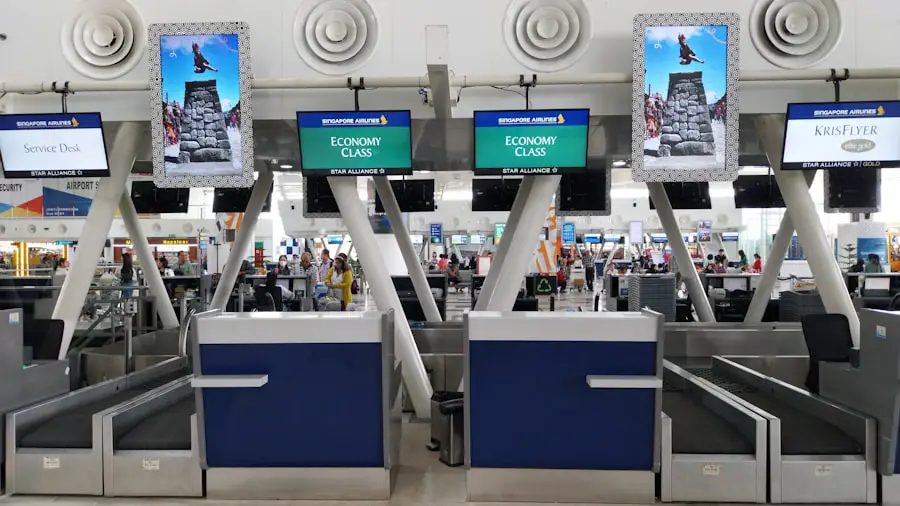
An early check-in request tells the hotel what you prefer; it does not hold a ready room. Marriott’s early check-in guidance explains that availability-based early check-in is not guaranteed and that reserving the previous night is the surest way to secure a room for a very early arrival.
When early access is unavailable, ask whether the hotel can store luggage. Many full-service properties provide this service for registered guests, although hours, security procedures, and fees vary. You can then eat, work, tour the area, or use permitted public spaces until the room is ready.
Pro Tip: If you must sleep or shower immediately after an overnight arrival, do not rely on a request. Reserve the previous night, confirm that the booking will be held, and tell the hotel the exact time you expect to arrive.
Products Worth Considering

Efficient Luggage Control: these luggage identification tags are pre-numbered for efficient luggage control, the package contains 1000 pieces of luggage identification tags, numbered from 000 to 999, the luggage identification tags are self-adhesive, easy to use, ensuring easy use by various storage and transportation services

Efficient Pre Numbered System with Matching Stickers:Each pack includes 500 Baggage Claim Tags numbered 001 to 500 along with 500 removable sequence sticker sheets each sheet containing 8 identical number labels measuring about 2.5 x 0.5 inch supporting efficient organization for guests with multiple items

【Five-Digit Luggage Tag 】You will receive two packs of 200 paper baggage claim tags and 200strings, each tag numbered in five-digit increments, with each tag havinga unique number for quick identification and tracking. The luggage claim tag measures 5.2 by 2.6 inches, and the cord is 9.8 inches long.These paper hotel luggage identification tags effectively simplify your baggage handling process, helping you efficiently manage and track your luggage, making travel easier and more convenient.
Late Check-In Options
Late check-in means arriving after the property’s normal arrival window or after the front desk expects most guests. Many large hotels accept arrivals throughout the night, but smaller properties may close reception or require advance instructions. Always review the confirmation and notify the hotel when your plans change.
| Check-In Option | Typical Availability | What to Confirm |
| 24-hour front desk | Common at many larger hotels | Whether the reservation will be held after midnight and whether the entrance is locked overnight |
| Limited-hours reception | Common at smaller hotels and inns | Latest arrival time, after-hours phone number, access code, and any late-arrival fee |
| Mobile or digital check-in | Only at participating properties and eligible stays | Whether a digital key is active and whether ID or payment verification is still required |
| Kiosk or key lockbox | Property-specific, not automatically available 24/7 | Code delivery, identification steps, emergency contact, and any charge |
If you expect to arrive after midnight, call the hotel directly. Marriott’s late-arrival guidance specifically advises guests arriving after midnight to contact the property so the reservation can be noted and held.
Warning: Hotel nights are tied to the arrival date before midnight. If you want a room at 1:00 a.m. Tuesday, you generally need a Monday-night reservation and must tell the hotel you will arrive after midnight. Booking Tuesday night would normally mean waiting until Tuesday afternoon.
A late arrival does not automatically include a late checkout. Some hotels may approve a later departure, but it is a separate request and may involve a fee. Ask as early as possible, then confirm again with the front desk.
What You Need at Hotel Check-In
Requirements vary by property and country, but travelers should be ready with the following:
- Valid identification: A government-issued photo ID or passport that matches the reservation name.
- Reservation details: The confirmation number, booking dates, room type, rate, and guest name.
- Accepted payment: A credit card, debit card, or approved deposit method in the name required by the hotel.
- Enough available funds: The hotel may authorize room charges, taxes, fees, and an additional amount for incidentals.
- Minimum-age compliance: Some properties require the primary guest to be 18, 21, or another locally permitted age.
- Third-party payment approval: When someone else pays, the hotel may require a secure credit-card authorization before arrival.
IHG’s published hotel terms state that a property may require valid identification and a major credit card or cash deposit at check-in. Individual hotel policies can be stricter, so check the property page rather than assuming every location accepts cash, prepaid cards, mobile wallets, or a card belonging to another person.
Note: An authorization hold is not always a final charge, but it can temporarily reduce your available credit or bank balance. Marriott’s digital-entry terms state that holds may include room, tax, applicable fees, and a daily incidental amount, with release timing controlled by the card issuer.
Step-by-Step Hotel Check-In Checklist
- Verify the date and local time. Check the arrival date carefully, especially for flights landing after midnight or across time zones.
- Read the property’s policy. Confirm standard check-in, latest arrival, minimum age, accepted payment methods, deposit, parking, and cancellation or no-show terms.
- Send special requests early. Request early arrival, accessibility features, a crib, connecting rooms, or a specific bed type, but understand that request-only items may not be guaranteed.
- Report a late arrival. Call the property directly and ask staff to note the expected time on the reservation.
- Use online check-in when available. Confirm the arrival time and payment details, then wait for the room-ready or digital-key notice.
- Present your documents and payment. Review any authorization hold before approving it.
- Check the room promptly. Confirm the bed type, cleanliness, temperature, locks, plumbing, and any accessibility feature while staff can still correct a problem.
Tips for a Smooth Check-In Process
- Keep the confirmation accessible: Save a screenshot in case cellular service or hotel Wi-Fi is weak.
- Put the correct guest name on the booking: Contact the hotel before arrival when another person will check in first.
- Carry the physical payment card when required: A card stored in an app may not satisfy every property’s policy.
- Ask about the full hold amount: This is especially important when using a debit card or when available credit is limited.
- Avoid the main arrival rush when practical: Front desks can be busiest in late afternoon, but arriving earlier does not make a room more likely to be ready.
- Use digital check-in carefully: It may shorten the desk process, but some stays still require an ID check or physical key pickup.
- Communicate special requests: Tell the hotel about mobility needs, service animals, children, or unusual arrival logistics before travel.
Managing Expectations for Check-In Times
Understand What the Published Time Means
The standard check-in time is when the hotel expects to begin releasing ready rooms. It does not mean every guest must arrive at that exact minute, and it does not always guarantee that every room will be ready immediately. Late departures, maintenance, housekeeping volume, and room-type shortages can cause delays.
Build Flexibility Into Your Plans
Do not schedule a time-sensitive meeting, tour, or formal event immediately after your planned arrival unless you have a backup place to change or store luggage. Keep a meal, nearby attraction, café, lounge, or other low-pressure activity available in case the room is delayed.
Maintain a Calm, Specific Approach
Polite, direct questions usually produce better information than general complaints. Ask for the current estimated readiness time, whether another room of the same category is available, and what services you may use while waiting. A positive attitude does not mean ignoring a serious delay; it means requesting a clear solution without escalating the situation unnecessarily.
Dealing With Unexpected Check-In Delays
If your room is not ready after the published check-in time, follow these steps:
- Confirm that the hotel has completed check-in and has the correct mobile number for room-ready alerts.
- Ask for a realistic estimated wait rather than repeated vague updates.
- Request secure luggage storage and ask which lobby, restroom, business center, lounge, pool, Wi-Fi, or fitness facilities are available before room access.
- Ask whether a comparable ready room is available. Confirm that changing rooms will not reduce the room type or benefits you paid for.
- If the delay becomes substantial, speak with a supervisor and ask what remedy the property can offer.
Hotel staff may offer refreshments, points, a room change, an upgrade, a fee adjustment, or late checkout, but compensation is not automatic and varies by property, cause, and length of delay. Keep receipts and written messages when the delay creates an additional expense you plan to discuss with the hotel or booking provider.
Pro Tip: Before leaving the desk, ask staff to send a text or app notification when the room is ready. That lets you use the wait productively without standing in the lobby.
Making the Most of Your Time Before Check-In
A wait before check-in can become useful travel time. Research luggage-friendly cafés, restaurants, parks, museums, food markets, guided tours, or attractions near the hotel. Choose plans that are easy to leave when the room-ready message arrives.
Mobile maps and local transit apps can help identify places within walking distance or a short ride. Keep valuables with you, confirm when stored luggage must be collected, and avoid scheduling an activity that ends after the front desk closes.
If you plan to work while waiting or during the trip, the site’s existing guide to the best lightweight laptop for travel may also help you choose portable equipment.
Hotel Check-Out Times and Late Check-Out
Many hotels set check-out around 11:00 a.m. or noon, but the confirmation controls. A late checkout is normally subject to availability and may be free, included with an elite benefit, or charged by the hour or as a partial or full extra night.
Request late checkout before departure day when possible, then confirm it with the front desk. Do not assume that a late-night check-in changes the departure time. If late checkout is unavailable, ask whether the hotel can store your bags after you return the room key.
Frequently Asked Questions
What is the standard check-in time at hotels?
A 3:00 or 4:00 p.m. local check-in is common, but there is no universal standard. Use the time listed in the property details and your reservation confirmation.
Can I check in earlier than the standard time?
You can request early check-in, but it usually depends on room availability and may involve a fee. Reserving the previous night is the most reliable option when immediate morning access is essential.
What should I do if I need to check in late at night?
Call the hotel directly, provide your expected arrival time, and confirm that the reservation will be held. Also ask about locked entrances, limited reception hours, access codes, and after-hours contact details.
Which hotel night should I book for an arrival after midnight?
Book the night that begins before midnight. For example, a 1:00 a.m. Tuesday arrival normally requires a Monday-night reservation. Notify the hotel so staff do not mark the booking as a no-show.
Is there a standard hotel check-out time?
Check-out is commonly around 11:00 a.m. or noon, but it varies by property. The time in your booking confirmation is the one that applies.
Can I request a late check-out?
Yes. Ask in advance and confirm on the day of departure. Approval depends on availability, and the hotel may charge a fee or a full additional night for a very late departure.
What documents and payment do I need at check-in?
Bring valid identification that matches the reservation and an accepted payment method with enough available funds for room charges and any deposit or incidental authorization. Requirements vary by property and country.
Does mobile check-in guarantee that my room is ready?
No. Mobile check-in can complete part of the arrival process, but room access still depends on the property confirming readiness and activating a key. Some stays also require an in-person identity or payment check.
Sources
- Hilton Help Center: Check-In and Check-Out Time — confirms that times vary by hotel and early or late requests are not guaranteed.
- Marriott Bonvoy Help: Early Check-In and Late Check-Out — explains availability-based requests and how to guarantee a very early arrival.
- Marriott Bonvoy Help: Late Arrival Reservations — supports contacting the hotel for arrivals after midnight.
- Hilton Help Center: Digital Check-In — explains app-based arrival time selection and digital check-in at eligible stays.
- Marriott Digital Entry Terms of Use — explains payment authorization holds, incidental amounts, and room-request limitations.
- IHG Hotel Terms and Conditions — supports identification, payment, deposit, incidental, and special-request guidance.
