
Arnavutköy: From Bosphorus Fishing Village to Living Heritage
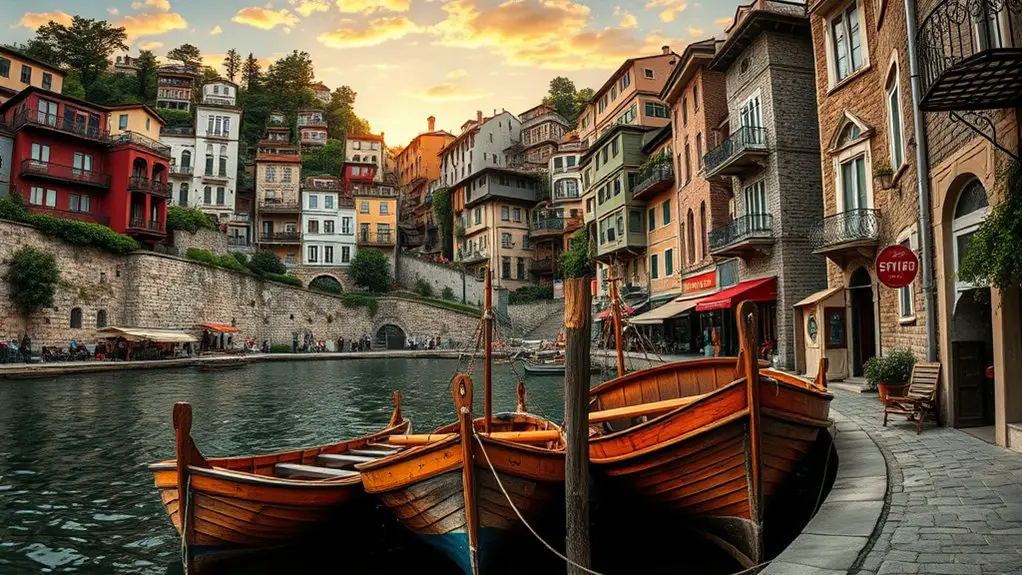
Arnavutköy began as a quaint fishing village along the Bosphorus and today blends its Ottoman-era architecture with a relaxed, modern waterfront vibe. Cobblestone lanes open to a promenade lined with colorful wooden mansions and seafood meyhanes. The vibrant community preserves its heritage while keeping step with contemporary Istanbul.
Key Takeaways
- Arnavutköy (Beşiktaş) grew from a Bosphorus fishing village; its culture still reflects maritime life and multi-faith heritage. [1]
- It’s renowned for wooden Ottoman waterfront houses and restored landmarks such as Tevfikiye (Arnavutköy) Mosque. [2]
- Notable sites include the Taksiarhis Greek Orthodox Church and the historic campus of Robert College overlooking the neighborhood. [6] [8]
- Seafood-focused dining and classic Turkish meze define the local culinary scene along the waterfront.
- Getting there: Frequent IETT buses (22, 22RE, 25E, 40, 40T) run along the coast; Şehir Hatları ferries call at Arnavutköy Pier on a limited schedule (check current times). [3] [4]
The Origins of Arnavutkoy: A Fishing Village Transformed

Although you might not expect it, Arnavutköy began as a humble fishing village nestled along the shores of the Bosphorus. Local life revolved around the tides and the day’s catch, a tradition that lingers in today’s seafood restaurants and anglers lining the shore. At the neighborhood’s northeast tip, the coast forms Akıntıburnu (“Cape of the Current”), historically notorious for powerful currents—part of Arnavutköy’s very identity. [5]
Architectural Highlights: A Blend of History and Culture
Arnavutköy’s streets showcase an elegant mix of Ottoman-era wooden houses—many with late 19th-century Art Nouveau flourishes—alongside discrete modern infill. The result is a living streetscape where preservation and everyday life coexist. [1]
Ottoman Era Structures
Graceful bay windows, ornate fretwork, and timber façades characterize the waterfront mansions and lanes behind them. These architectural gems capture the multicultural layers of the Bosphorus shoreline and remain a highlight of any walk through the area. [1]
Modern Architectural Influences
New projects respect scale and materials while adding comfort and sustainability. You’ll see contemporary elements (green roofs, energy-efficient materials) that complement the district’s historic texture.
| Architectural Style | Features |
|---|---|
| Sustainable Design | Eco-friendly materials, green roofs |
| Contemporary Style | Sleek lines, open interiors |
| Mixed-Use Developments | Street-level cafés, community-focused spaces |
Cultural Heritage Sites
Don’t miss Tevfikiye (Arnavutköy) Mosque—recently restored and re-opened in 2023—and the Taksiarhis Greek Orthodox Church, rebuilt in the late 19th century. Together with Robert College on the hillside, they illustrate the neighborhood’s layered history. [2] [8] [6]
The Impact of the Ottoman Empire on Arnavutkoy
The Ottoman era shaped Arnavutköy’s urban fabric and cultural life, leaving an enduring legacy of timber residences, places of worship, and coastal markets. The neighborhood’s built heritage continues to benefit from conservation initiatives and selective restoration. [5]
Notable Landmarks and Attractions to Explore
Stroll the picturesque waterfront and admire the colorful wooden mansions. For landmarks, visit Tevfikiye (Arnavutköy) Mosque on the main square and the nearby Taksiarhis Greek Orthodox Church. Up the hill, the historic campus of Robert College overlooks the Bosphorus. [2] [8] [6]
Indulge in Arnavutköy’s waterfront dining—fresh fish and classic meze with Bosphorus views.
The Evolution of Arnavutkoy in the Modern Era
Arnavutköy balances heritage preservation with sensitive upgrades. Its low-rise streets remain walkable, with cafés and restaurants animating preserved façades.
Urban Development Changes
- Selective restorations keep the waterfront’s historic character prominent.
- Improved bus connectivity along the coastal road links Arnavutköy to Beşiktaş, Kabataş, Taksim, and Sarıyer. [4]
- Public access to the shore is maintained via promenades and “kazıklı yol” sections.
- Small businesses—especially seafood venues—continue to thrive.
Cultural Heritage Preservation
Recent years have seen notable restorations (e.g., Tevfikiye Mosque) and ongoing documentation of vernacular architecture. Local initiatives highlight the neighborhood’s maritime identity and the famous current at Akıntıburnu. [2] [5]
Tips for Tourists: Making the Most of Your Visit to Arnavutkoy
- Savor local cuisine: Choose a waterfront fish restaurant or a traditional meyhane for seasonal seafood and meze.
- Explore historical sites: Walk the backstreets for timber houses; visit Tevfikiye Mosque and Taksiarhis Church.
- Use current transport: IETT buses 22, 22RE, 25E, 40, 40T serve the coast; Arnavutköy Pier has limited Şehir Hatları service—verify schedules the day you travel. [3] [4]
- Best seasons: Spring (April–May) and autumn (September–October) bring mild weather and clear views.
Frequently Asked Questions
What Local Dishes Should I Try in Arnavutkoy?
Seafood is the star—think grilled fish, fried hamsi in season, and shared meze. Pair with Turkish tea or a glass of rakı at a classic meyhane on the waterfront.
Are There Any Annual Festivals Celebrated in Arnavutkoy?
Programming varies year to year. For current cultural events in and around Beşiktaş (including the Bosphorus coast), check the official İBB Kültür Sanat listings and Beşiktaş Municipality announcements. [9]
Is Public Transportation Available for Getting Around Arnavutkoy?
Yes. Multiple IETT bus routes (22, 22RE, 25E, 40, 40T) run along the coastal road, connecting Arnavutköy to hubs like Beşiktaş, Kabataş, Taksim, and Sarıyer. Ferries stop at Arnavutköy Pier less frequently—check Şehir Hatları timetables before you go. [3] [4]
What Is the Best Time of Year to Visit Arnavutkoy?
April–May and September–October offer comfortable temperatures and crisp Bosphorus views—ideal for strolling and outdoor dining.
Can I Find Accommodations in Arnavutkoy for Budget Travelers?
Lodging within Arnavutköy proper is limited. You’ll find more options across budgets in nearby Beşiktaş, Etiler, Ortaköy, and Bebek, all a short bus or taxi ride away.
Conclusion
Walking Arnavutköy is to step through a living tapestry of Bosphorus history: colorful timber mansions, restored landmarks, and a shoreline animated by seafood spots and anglers. As of , the neighborhood’s population is around 3,409, and its heritage character remains a major draw for locals and visitors alike. [1]
References
- Arnavutköy (Beşiktaş) neighborhood – overview & heritage. Updated 2024.
- Tevfikiye (Arnavutköy) Mosque – profile & 2023 restoration. İstanbul İl Kültür ve Turizm Müdürlüğü, Dijital İstanbul.
- Şehir Hatları – Arnavutköy Pier. History & service context.
- IETT “Arnavutköy ŞH” – Bus routes serving the waterfront. Lines 22, 22RE, 25E, 40, 40T.
- Akıntıburnu – Beşiktaş Local History Project. Background on the Bosphorus current at Arnavutköy.
- Robert College – Official history. Campus and merger timeline.
- Arnavutköy (Beşiktaş) population – ADNKS 2024 (Nufusune). Population 3,409 as of 2024.
- Taksiarhis Greek Orthodox Church – brief history and Orthodox Community profile.
- İBB Kültür Sanat – Events (city cultural listings) and Beşiktaş Municipality – Announcements.