

Last Updated on July 27, 2026 by Daniel Globe
Beyoğlu is one of Istanbul’s easiest districts to explore with an appetite. From Taksim Square and İstiklal Avenue down toward Galata and Karaköy, you can move between sesame-crusted simit, rice-filled mussels, döner, wet burgers, roasted chestnuts, and other quick bites. Some are Beyoğlu favorites, while others are classic Istanbul foods you will encounter across the city.
Quick Answer
For the best Beyoglu street food experience, try simit, midye dolma, ıslak hamburger, döner or dürüm, roasted chestnuts, corn, pilav, and kumpir. Start around Taksim and İstiklal, then explore toward Galata and Karaköy. Ask prices before ordering, and take extra care with shellfish and food-storage conditions.
Key Takeaways
- Kumpir: A large baked potato mashed with butter and cheese and customized with vegetables, pickles, meats, salads, and sauces. You can find it in Beyoğlu, although Istanbul’s most famous kumpir area is Ortaköy.
- Midye dolma: Cooked mussels stuffed with seasoned rice and commonly served with lemon. Because shellfish requires careful handling, choose vendors where storage and cleanliness look reliable.
- Simit: A round sesame-covered bread with a crisp crust, useful for breakfast or a quick snack and commonly paired with tea, cheese, or other simple accompaniments.
- Do not stop at three foods: Taksim and İstiklal are also good places to look for ıslak hamburger, döner, dürüm, kokoreç, roasted chestnuts, corn, pilav, börek, and çiğ köfte.
- Know the practical details: Food prices are normally not something to haggle over when they are posted. Payment methods vary, so confirm the price and method before ordering.
Disclosure: As an Amazon Associate I earn from qualifying purchases. Some links on this page are affiliate links, at no extra cost to you.
Where to Find Street Food in Beyoğlu
Beyoğlu is more than a single street. The Beyoğlu Municipality describes a district stretching through major cultural and commercial areas that include Taksim, İstiklal, Galata, and Karaköy.
For a simple food walk, begin around Taksim Square and İstiklal Avenue, where quick-service shops, carts, bakeries, and late-night food counters are easy to find. From there, walk toward Galata and Karaköy for another mix of bakeries, snack counters, cafés, and casual food stops.
Pro Tip: Do not judge Beyoğlu only by the busiest stretch of İstiklal. Side streets around Galatasaray, Tünel, Galata, and Karaköy can reveal a broader mix of quick Turkish food and often make it easier to compare menus and prices before ordering.
Kumpir: The Ultimate Loaded Baked Potato
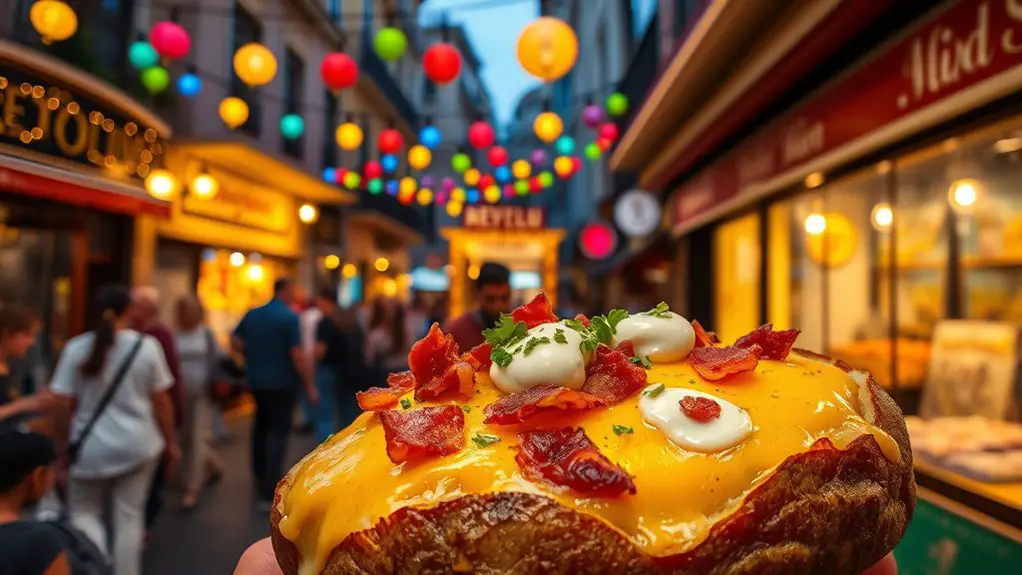
Kumpir is Istanbul’s highly customizable version of a loaded baked potato. A large potato is baked until soft, split open, and usually mixed with butter and cheese until the inside becomes creamy.
The fun begins at the topping counter. Depending on the vendor, you may see corn, olives, peas, pickles, cabbage, vegetables, sausage, chicken, salads, and several sauces. You point to what you want, so two kumpir orders can look completely different.
That flexibility makes kumpir particularly useful for groups with different tastes. Vegetarians can skip meat, while anyone avoiding dairy should ask whether butter and cheese can be left out before the potato is mixed.
Kumpir is available around Istanbul, including parts of Beyoğlu, but it is worth keeping the geography straight. The classic Istanbul destination for kumpir is Ortaköy in the neighboring Beşiktaş district, where rows of vendors have made the dish especially famous. A current Visit Istanbul kumpir guide likewise highlights Ortaköy as the best-known place for the experience.
Note: Kumpir is a legitimate Istanbul street-food favorite, but calling it a uniquely Beyoğlu specialty would be misleading. Try it when it appeals to you, then save Ortaköy for the city’s best-known kumpir setting.
Midye Dolma: Rice-Stuffed Mussels With Lemon
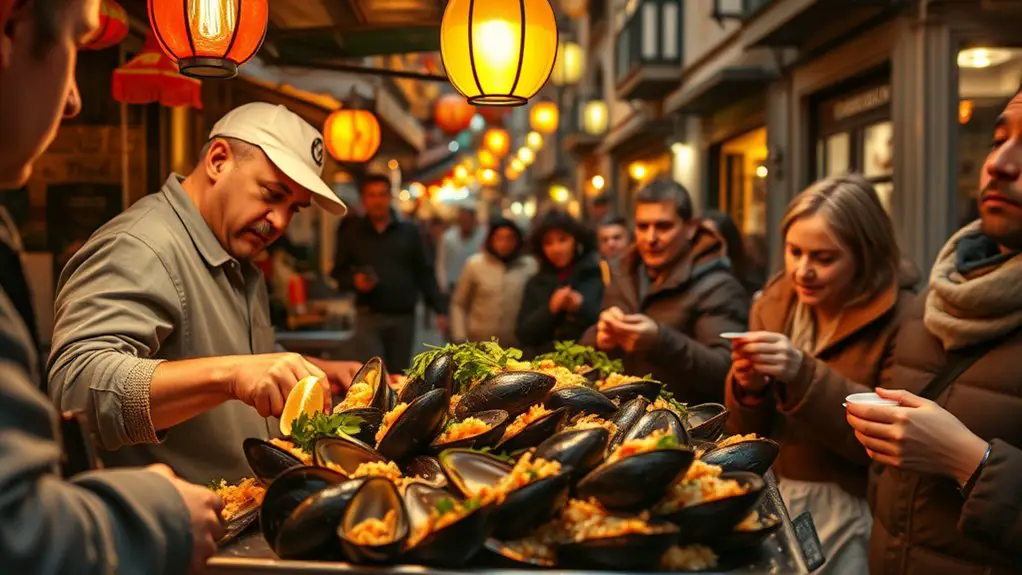
Another recognizable Istanbul snack is midye dolma: cooked mussels filled with seasoned rice. Traditional recipes can include onion, olive oil, herbs, spices, pine nuts, or currants, depending on the preparation.
Türkiye’s Culture Portal documents a version filled with seasoned rice and herbs and served with lemon if desired. On the street, a vendor will usually open the shell and give you one half to use almost like a small spoon.
The lemon adds brightness to the rice and mussel, but it should be treated as flavor rather than a food-safety step.
Warning: Midye dolma contains shellfish and requires careful cooking, storage, and handling. A crowded stand or a squeeze of lemon cannot guarantee safety. The CDC Yellow Book advises travelers to be cautious with street-vendor food and raw or undercooked shellfish. Skip mussels if storage looks questionable, food appears to have been sitting exposed for a long time, or you have a shellfish allergy.
If you decide to try midye dolma, look for a clean operation with protected food, clean serving utensils, and sensible temperature control. The World Health Organization’s Five Keys to Safer Food emphasize cleanliness, preventing cross-contamination, thorough cooking, safe temperatures, and safe water and ingredients.
Simit: The Iconic Turkish Sesame Bread
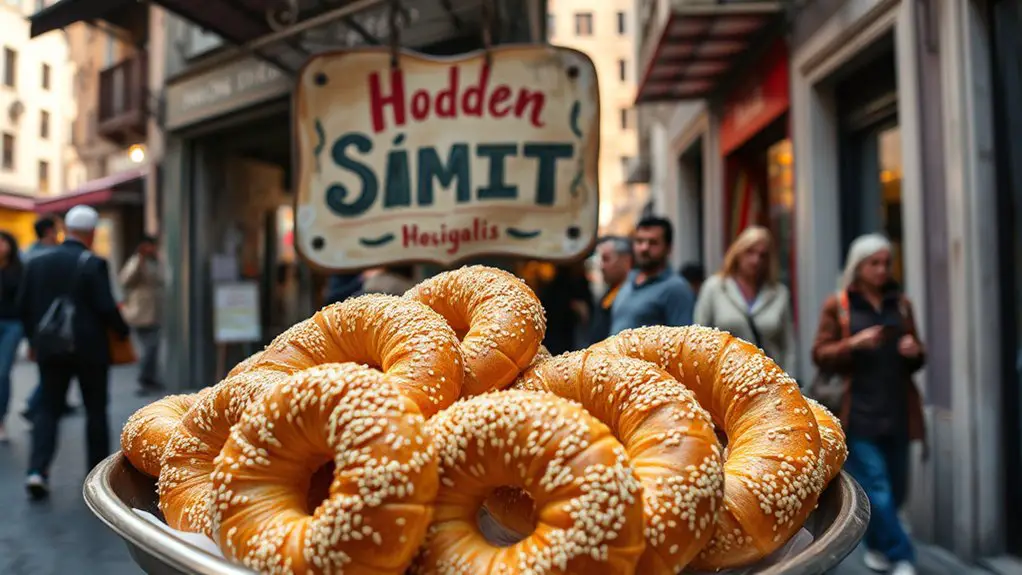
One bite of simit explains why this round sesame-covered bread is such a familiar sight in Istanbul. A good simit has a crisp, deeply browned exterior and a pleasantly chewy middle.
GoTürkiye describes simit as a round, crispy, sesame-covered bread commonly found at Turkish breakfast. In Istanbul, you will also see it sold throughout the day from bakeries and street carts.
Simit is one of the simplest ways to sample everyday Turkish food: sesame-covered bread that works as breakfast, a walking snack, or a quick bite with tea.
You can eat simit plain or pair it with tea, cheese, olives, or other accompaniments. Some shops split it and add fillings, while traditional street carts usually keep things much simpler.
Plain simit is often made from basic bread ingredients with sesame and a sweetened coating such as molasses, which means it may be suitable for plant-based diets. Recipes can vary, however, so anyone avoiding milk, egg, or other ingredients for allergy or dietary reasons should ask rather than assume.
More Beyoğlu Street Foods Worth Trying
Kumpir, midye dolma, and simit are only the beginning. Current Istanbul food guides feature a much wider range of grab-and-go dishes, and several are particularly easy to encounter around Taksim and İstiklal.
Islak Hamburger
The ıslak hamburger, or “wet burger,” is closely tied to Istanbul’s late-night fast-food culture. A small beef burger is coated in a garlicky tomato-based sauce and kept warm so the bun becomes soft and steamy rather than toasted and crisp.
It is especially associated with the Taksim area and makes sense when you want something small, savory, and quick rather than a full restaurant meal.
Döner and Dürüm
Döner is meat cooked on a vertical rotisserie and sliced to order. You can eat it in bread or have it rolled into a dürüm with lavash. Chicken and meat versions are common, and toppings vary from one shop to another.
Look for meat being actively cooked and sliced rather than trays that appear to have been sitting for long periods. Thorough cooking and hot service are especially important with meat.
Kokoreç
Kokoreç is a more adventurous choice made from seasoned lamb or sheep intestines cooked on a rotating spit, chopped, and often served in bread with spices.
Because it is an offal dish, proper cooking matters. Choose an established operation where the food is cooked thoroughly and served hot.
Kestane and Mısır
Kestane are roasted chestnuts, while mısır is corn that may be grilled or boiled. Both are simple walking snacks commonly associated with busy pedestrian areas in Istanbul.
They are useful when you want something inexpensive and uncomplicated between larger meals.
Pilav, Börek, and Çiğ Köfte
Pilav carts and counters serve rice, often with chickpeas and sometimes chicken. Börek gives you flaky or layered pastry with fillings such as cheese, potato, spinach, or meat.
Modern çiğ köfte sold by commercial shops is commonly a meat-free mixture based on bulgur, tomato or pepper paste, herbs, and spices, wrapped in lavash or lettuce. It can be a useful vegan option, although sauces and accompaniments should still be checked.
Street Food Safety, Payment, and Etiquette
How to Choose a Street Food Vendor
A long line can suggest that food is moving quickly, but crowds alone do not prove that a stall is safe. Pay attention to the things you can actually observe:
- Food is protected from dirt and unnecessary handling.
- Utensils and work surfaces look clean.
- Raw ingredients are kept away from ready-to-eat food.
- Meat, eggs, and seafood appear fully cooked.
- Hot food is served genuinely hot rather than lukewarm.
- Perishable foods are not left sitting in obvious heat for long periods.
These habits line up more closely with WHO and CDC food-safety guidance than simply checking whether a worker is wearing gloves.
Payment and Prices
Payment methods vary by vendor. Established shops and kiosks may accept debit cards, credit cards, or contactless payments, while a small mobile cart may be cash-only. Türkiye has seen a broad shift toward card payments, according to the Central Bank of the Republic of Türkiye, but that does not guarantee acceptance at every street-food stand.
Note: Check the displayed price or ask the price before ordering, especially when no menu board is visible. Carrying a modest amount of Turkish lira is sensible as a backup even when you normally pay by card.
Should You Bargain for Street Food?
Normally, no. Bargaining is much more closely associated with bazaars, souvenirs, carpets, and other negotiable goods than with a prepared snack that has a posted price.
If a food price is clearly displayed, pay the listed amount. If no price is shown, ask before ordering. That avoids misunderstandings without turning a routine food purchase into a negotiation.
Vegan, Vegetarian, and Allergy Considerations
Beyoğlu has plenty of ways to eat without meat. Plain simit, roasted chestnuts, corn, some börek, stuffed vine leaves, lentil dishes, and meat-free çiğ köfte may work depending on the exact recipe.
Kumpir can also be customized with vegetables, pickles, corn, olives, and other plant-based toppings, but the potato is commonly mixed with butter and cheese first. Ask before preparation if you need those ingredients omitted.
For allergies, remember that midye dolma is shellfish, simit contains sesame, börek often contains wheat and dairy, and sauces such as mayonnaise may contain egg. Cross-contact is also possible at small counters where many ingredients share utensils and preparation surfaces.
Frequently Asked Questions
What Are the Best Times to Visit Beyoğlu for Street Food?
There is no single best hour for every food. Simit is easy to enjoy in the morning or daytime, while Taksim and İstiklal become especially lively from late afternoon into the evening. Nighttime is useful for foods tied to Beyoğlu’s nightlife, such as wet burgers and döner. Weekends are generally busier.
Are There Vegan Options in Beyoğlu’s Street Food Scene?
Yes. Possible choices include plain simit, roasted chestnuts, grilled or boiled corn, some stuffed vine leaves, fruit, and meat-free çiğ köfte. Kumpir can be customized with vegetables, but ask for no butter or cheese before it is mixed. Recipes and sauces vary, so confirm ingredients when strict vegan preparation matters.
How Can I Find Street Food Stalls That Are Safer to Eat From?
Look beyond the size of the crowd. Choose vendors with clean equipment, protected food, good separation between raw and ready-to-eat ingredients, and food that is cooked thoroughly and held at sensible temperatures. Be especially cautious with shellfish and other perishable foods. Skip a stall when storage or cleanliness makes you uncomfortable.
What Payment Methods Do Street Vendors in Beyoğlu Accept?
It depends on the vendor. Many established shops and kiosks can take cards or contactless payments, while smaller carts may require cash. Ask before ordering when payment options are not displayed, and keep some Turkish lira available as a backup.
Is It Common to Bargain With Street Food Vendors in Beyoğlu?
Not for ordinary prepared food with a displayed price. Bargaining is more typical when shopping for negotiable goods in markets and bazaars. For street food, check the posted price or ask before ordering, then pay the stated amount.
Is Kumpir Really a Beyoğlu Specialty?
You can find kumpir in and around Beyoğlu, but Istanbul’s most famous kumpir destination is Ortaköy in Beşiktaş. Treat it as a popular Istanbul street food rather than something unique to Beyoğlu.
What Should I Try Around Taksim and İstiklal Besides Simit?
Look for ıslak hamburger, döner or dürüm, kokoreç, roasted chestnuts, corn, pilav, börek, and çiğ köfte. Availability changes from street to street, so walking a few blocks and comparing what locals are ordering is often more useful than committing to the first counter you see.
Conclusion
Beyoğlu rewards anyone willing to eat as they walk. Start with the familiar crunch of simit, try midye dolma with sensible shellfish precautions, customize a kumpir when you want something filling, and leave room for wet burgers, döner, chestnuts, pilav, börek, and other quick bites. The best approach is simple: explore beyond one street, check prices before ordering, pay attention to food handling, and let Taksim, İstiklal, Galata, and Karaköy show you different sides of Istanbul’s everyday food culture.
Sources
- Beyoğlu Municipality — History and District Overview — supports the geographical description of Beyoğlu and its Taksim, İstiklal, Galata, and Karaköy context.
- GoTürkiye — Turkish Cuisine — supports the description of simit as a round, crispy, sesame-covered Turkish bread and breakfast staple.
- Türkiye Culture Portal — Midye Dolma — supports traditional ingredients, preparation, and serving with lemon.
- CDC Yellow Book — Food and Water Precautions for Travelers — supports the street-food, thorough-cooking, and shellfish safety guidance.
- World Health Organization — Five Keys to Safer Food — supports cleanliness, cooking, separation, temperature, and ingredient-safety guidance.
- Central Bank of the Republic of Türkiye — Recent Trends in Card Spending Preferences — supports the broader shift toward card-based payments while individual vendor acceptance still varies.
