
Last Updated on September 10, 2026 by Daniel Globe
What you eat before a hike can affect how comfortable and energetic you feel on the trail, but there is no single perfect snack for every hiker. A short, easy walk after a normal meal may not require extra food at all. A longer, steeper, or faster hike calls for more deliberate fueling, with carbohydrates taking priority as the effort rises.
Quick Answer
For most hikers, choose a familiar, carbohydrate-focused snack before a demanding hike. A banana, toast, pretzels, fruit, oatmeal, or an energy bar can work well. Eat larger meals farther from the start, keep last-minute snacks small and easy to digest, and adjust fluids to the weather, hike length, and your own thirst and sweat rate.
Key Takeaways
- Carbohydrates are the main nutrient to emphasize before longer or harder hikes because they provide readily available fuel for working muscles.
- A full meal usually needs more digestion time than a small snack. As the hike gets closer, choose smaller, simpler foods.
- Trail mix, fruit, oatmeal, toast, energy bars, yogurt, nut or seed butter, and simple sandwiches can all work depending on timing and personal tolerance.
- High-fat, very high-fiber, spicy, or heavy foods are not automatically forbidden, but large portions immediately before hiking may cause stomach discomfort.
- Start the hike adequately hydrated, carry enough water and food for the route, and adjust for heat, altitude, duration, and your personal sweat rate.
Disclosure: As an Amazon Associate I earn from qualifying purchases. Some links on this page are affiliate links, at no extra cost to you.
Nutritional Requirements for Hiking
The body uses carbohydrates, fats, and proteins during everyday life and physical activity, but their roles are different. For a strenuous or prolonged hike, carbohydrate becomes especially important because working muscles can use it quickly for energy.
The joint position statement from the Academy of Nutrition and Dietetics, Dietitians of Canada, and the American College of Sports Medicine explains that well-chosen food and fluid strategies before, during, and after exercise can support performance and recovery. For serious endurance exercise, carbohydrate intake in the hours before activity is commonly emphasized.
Sports-nutrition guidance often cites approximately 1–4 grams of carbohydrate per kilogram of body weight during the 1–4 hours before prolonged, demanding exercise. That is an athlete-oriented range rather than a requirement for an ordinary recreational hike, so most day hikers do not need to weigh food or calculate grams per kilogram.
For a casual hike, the practical goal is simpler: start comfortably fed, emphasize carbohydrate as the hike becomes longer or harder, and avoid eating so much immediately beforehand that digestion becomes a distraction.
Protein supports muscle maintenance and recovery. Foods such as yogurt, eggs, lean meat, soy foods, or a modest amount of nut or seed butter can make a pre-hike meal more satisfying when you have enough time to digest it.
Healthy fats from nuts, seeds, avocado, and similar foods are valuable parts of an overall diet. However, a large high-fat snack immediately before strenuous movement may sit heavily for some hikers. The closer you are to the trailhead, the more useful it can be to favor easy-to-digest carbohydrate.
Note: People with diabetes, recurrent low blood sugar, severe food allergies, kidney or heart conditions, or clinician-directed fluid or sodium limits should follow their individualized medical and nutrition plan rather than generic hiking-fuel advice.
Quick and Easy Pre-Hike Snack Ideas
Convenience matters when you are trying to get out the door early. The best pre-hike foods are usually familiar, easy to prepare, and appropriate for the amount of digestion time you have.
One popular choice is trail mix. Nuts and seeds provide fat and some protein, while dried fruit supplies carbohydrate. A small serving can work well when you have time to digest it, although a large nut-heavy portion may feel too rich immediately before a hard climb.
Energy or granola bars are another portable option. Check the label and choose a bar that fits the timing. A carbohydrate-rich, lower-fat bar may be easier close to the start, while a denser bar containing nuts or nut butter may work better when eaten earlier.
Homemade oat bars are also easy to prepare in advance. Oats can be mixed with nut or seed butter, honey, and dried fruit, then pressed into a pan and cut into portions. Chocolate chips can be added for flavor and extra carbohydrate.
About 2–4 Hours Before Hiking
If you have several hours before the hike, a meal can include carbohydrate plus moderate protein and fat. Useful examples include:
- Oatmeal with banana and a spoonful of peanut or sunflower seed butter.
- Whole-grain toast with eggs and fruit.
- A turkey and avocado sandwich with fruit.
- Rice with eggs or tofu and cooked vegetables.
- Greek-style yogurt with fruit and granola.
About 1–2 Hours Before Hiking
As the start gets closer, reduce the portion and choose foods that you already know digest comfortably:
- Banana with a small amount of nut or seed butter.
- Yogurt with fruit.
- Toast with jam or honey.
- A small bowl of oatmeal.
- A granola or energy bar.
- A small nut-butter and banana sandwich.
About 30–60 Minutes Before Hiking
When you have very little digestion time, a small carbohydrate-focused snack is often the simplest choice:
- Banana.
- Applesauce pouch.
- Pretzels or crackers.
- Dried fruit.
- Toast with honey or jam.
- A few bites of a low-fat energy bar.
Pro Tip: Do not test a completely new bar, gel, smoothie, or unusually large breakfast immediately before your hardest hike. Foods that work well at home can feel very different during steep climbing, heat, or altitude.
Foods to Avoid Before Hiking
There is no universal list of foods every hiker must avoid. The better question is which foods tend to cause problems for you when eaten close to exercise.
| Food or Drink | Why to Use Caution |
| Very high-fiber foods | Large servings of beans, bran cereal, or raw cruciferous vegetables immediately before hiking may cause gas, urgency, or bloating in sensitive people. |
| Spicy foods | They can trigger heartburn or stomach upset in people who are prone to those symptoms. |
| High-fat or greasy foods | Large portions of fried food, fatty fast food, or rich pastries may digest slowly and feel heavy during strenuous movement. |
| Dairy products that you do not tolerate well | Dairy does not need to be avoided universally, but lactose intolerance or an individual sensitivity can cause discomfort. |
| Carbonated drinks | Carbonation may cause belching or bloating, especially during vigorous climbing. |
Refined or sugary foods also deserve more nuance than a blanket ban. Eating a large quantity of sweets instead of a normal meal is not a great fueling strategy, but easily digested carbohydrates can be useful shortly before or during endurance exercise. A banana, dried fruit, applesauce, honey, or a carbohydrate-containing sports product is not automatically a poor choice simply because it contains sugar.
Research reviewing pre-exercise carbohydrate intake has found little reason for healthy athletes to universally avoid carbohydrate during the hour before exercise. Individual tolerance still matters, so the safest strategy is to use foods you have tested before.
Warning: Persistent dizziness, fainting, confusion, severe weakness, vomiting, or worsening symptoms on the trail should not simply be blamed on “needing a snack.” Stop, move to a safer environment when possible, and seek appropriate medical help for severe or concerning symptoms.
Hydration and Pre-Hike Snacks
Food and hydration work together, but there is no single number of ounces that is correct for every hiker. Fluid needs change with heat, humidity, altitude, body size, sweat rate, hike duration, pace, clothing, and your starting hydration status.
The National Athletic Trainers’ Association fluid-replacement guidance recommends individualized hydration strategies rather than treating one fluid target as universal. The goal is to begin activity adequately hydrated and then replace fluid sensibly without deliberately overdrinking.
The CDC also notes that water needs rise when people are more physically active or are in hot climates. Foods with high water content, including many fruits and vegetables, contribute to total fluid intake as well.
Watermelon, oranges, cucumbers, grapes, and other water-rich foods can therefore complement your drinking water. A smoothie made with fruit and yogurt can provide fluid, carbohydrate, and protein when consumed with enough digestion time.
Do You Need Electrolytes?
Plain water is adequate for many short or moderate hikes when you start well hydrated and eat a normal diet. Electrolytes, especially sodium, become more relevant when you sweat heavily, hike for a long time, or spend hours exercising in hot conditions.
That does not mean everyone needs a sports drink before every hike. Food itself can supply sodium, and options such as pretzels, salted crackers, or a sandwich can contribute both fuel and salt.
For hiking safety, the National Park Service recommends planning food and water around the length and conditions of the hike and carrying extra food in case an outing takes longer than expected.
Warning: More water is not always better. Drinking far beyond your needs can also be dangerous. Use the route, weather, thirst, previous sweat experience, and any medical guidance you have to build a sensible hydration plan.
Timing of Pre-Hike Snacks
Timing Is Everything
The right timing depends mainly on how much you eat. A large meal needs more digestion time than half a banana or an applesauce pouch.
- 2–4 hours before: A normal meal containing carbohydrate with moderate protein and fat can work well.
- 1–2 hours before: Choose a smaller snack or light meal and reduce anything you know sits heavily.
- 30–60 minutes before: Keep the portion modest and emphasize easy-to-digest carbohydrate.
If eating immediately before activity has never bothered you, there is no need to create a problem that does not exist. Personal tolerance is an important part of sports-nutrition planning.
Sustaining Energy Levels
For longer hikes or outings that extend for several hours, pre-hike food is only the beginning. Carry snacks and eat periodically rather than expecting breakfast to fuel the entire day.
For prolonged endurance exercise, sports-nutrition recommendations often include carbohydrate during activity. Competitive athletes may use measured carbohydrate targets, but recreational hikers can usually take a simpler approach: carry easy-to-eat carbohydrate foods and begin snacking before they feel completely depleted.
Dried fruit, pretzels, fruit chews, crackers, bars, sandwiches, and trail mix are all practical choices. A mix of quick carbohydrate and more substantial foods can be useful on an all-day outing.
Convenient Snacking Options
Choose foods that are easy to open and eat without turning every snack break into a major stop. Dried fruit, nut or seed bars, crackers, pretzels, fruit pouches, and compact sandwiches all pack easily.
Also consider temperature and food safety. Perishable yogurt, dairy foods, meat, and other refrigerated items should not be left warm for hours merely because they began the day as pre-hike food.
How Hike Length and Intensity Change Your Snack Plan
| Hike | Practical Fueling Approach |
| Short, easy hike | If you recently ate a normal meal and feel comfortable, a special pre-hike snack may not be necessary. Carry a small backup snack anyway. |
| Moderate 1–3 hour outing | Start fed and hydrated. A carbohydrate-containing snack beforehand can help if it has been several hours since your last meal. Carry additional food. |
| Long or strenuous hike | Eat a substantial meal with adequate lead time, top up with a smaller snack if needed, and plan food and fluids for the trail rather than relying on breakfast alone. |
| Hot-weather or high-sweat hike | Pay extra attention to fluid access, pace, cooling, and sodium lost through sweat. Carry more than you would need for a cool, short walk. |
Benefits of Balanced Pre-Hike Snacks
A useful pre-hike snack does more than simply add calories. It can reduce the chance that you begin a demanding hike hungry or under-fueled.
Carbohydrate provides readily available fuel. Protein can add staying power and contribute to recovery, especially when eaten as part of a meal farther from the start. Fat supplies concentrated energy but is usually better tolerated in moderate amounts when digestion time is available.
Instead of assuming that every snack must contain equal amounts of carbohydrate, protein, and fat, match the snack to the clock. A yogurt-and-fruit bowl two hours before hiking and an applesauce pouch 30 minutes before hiking can both be appropriate even though their nutrient profiles are different.
Good fueling can also help you avoid the distraction of strong hunger during a hike. However, nutrition cannot eliminate normal fatigue caused by steep terrain, poor sleep, heat, altitude, illness, or simply hiking beyond your current conditioning.
Pre-Hike Snack Ideas for Different Dietary Restrictions
Dietary restrictions do not have to make pre-hike fueling complicated. The same basic principle applies: choose a source of carbohydrate you tolerate, then add protein or fat when the timing allows.
Gluten-Free Options
- Rice cakes with almond butter, sunflower seed butter, jam, or banana.
- Certified gluten-free oatmeal with fruit.
- Gluten-free granola or energy bars.
- Bananas, apples, grapes, oranges, and dried fruit.
- Potatoes, rice, or corn tortillas as part of an earlier meal.
People with celiac disease should also check labels and cross-contact warnings rather than assuming every oat, granola bar, or processed snack is gluten-free.
Vegan Options
Plant-based hikers can choose hummus with pita or vegetables when there is enough digestion time, oatmeal with soy milk, toast with seed butter, fruit, dates, pretzels, or energy balls made with dates, nuts, and seeds.
Chickpea salad can also be nutritious, although its fiber content makes it a better earlier meal for hikers who are sensitive to fiber immediately before exercise.
Nut-Free Options
For nut allergies, seed-based snacks can replace nut products. Pumpkin seed bars, sunflower seed butter on rice cakes, oat bars made in a nut-free environment, pretzels, fruit, and crackers are practical options.
Anyone with a severe food allergy should check ingredient lists and cross-contact statements carefully, particularly with commercially prepared bars and trail mixes.
Dairy-Free Options
Fruit, oatmeal made with a tolerated plant beverage, toast, rice cakes, seed butter, pretzels, dairy-free yogurt, or a small sandwich can all work. Dairy is not required for successful pre-hike fueling.
Common Pre-Hike Fueling Mistakes
- Eating a huge meal right before starting: The food may still be sitting heavily when the trail turns steep.
- Avoiding all carbohydrate because it contains sugar: Easy-to-digest carbohydrate can be useful when you need fuel close to activity.
- Eating a very high-fiber meal before a hard hike: Healthy foods can still cause poor timing-related GI problems.
- Trying an unfamiliar supplement or energy product: Test new foods on easier outings first.
- Relying on breakfast for an all-day hike: Pack food for the trail and extra for unexpected delays.
- Ignoring heat and water availability: A food plan is not complete without a route-specific hydration plan.
- Forcing excessive fluid: Hydration should match your needs rather than becoming a contest to drink as much as possible.
Pro Tip: Build a repeatable “trailhead breakfast” from foods that have already worked for you. Familiarity is often more valuable than chasing the newest bar, powder, or sports-nutrition trend.
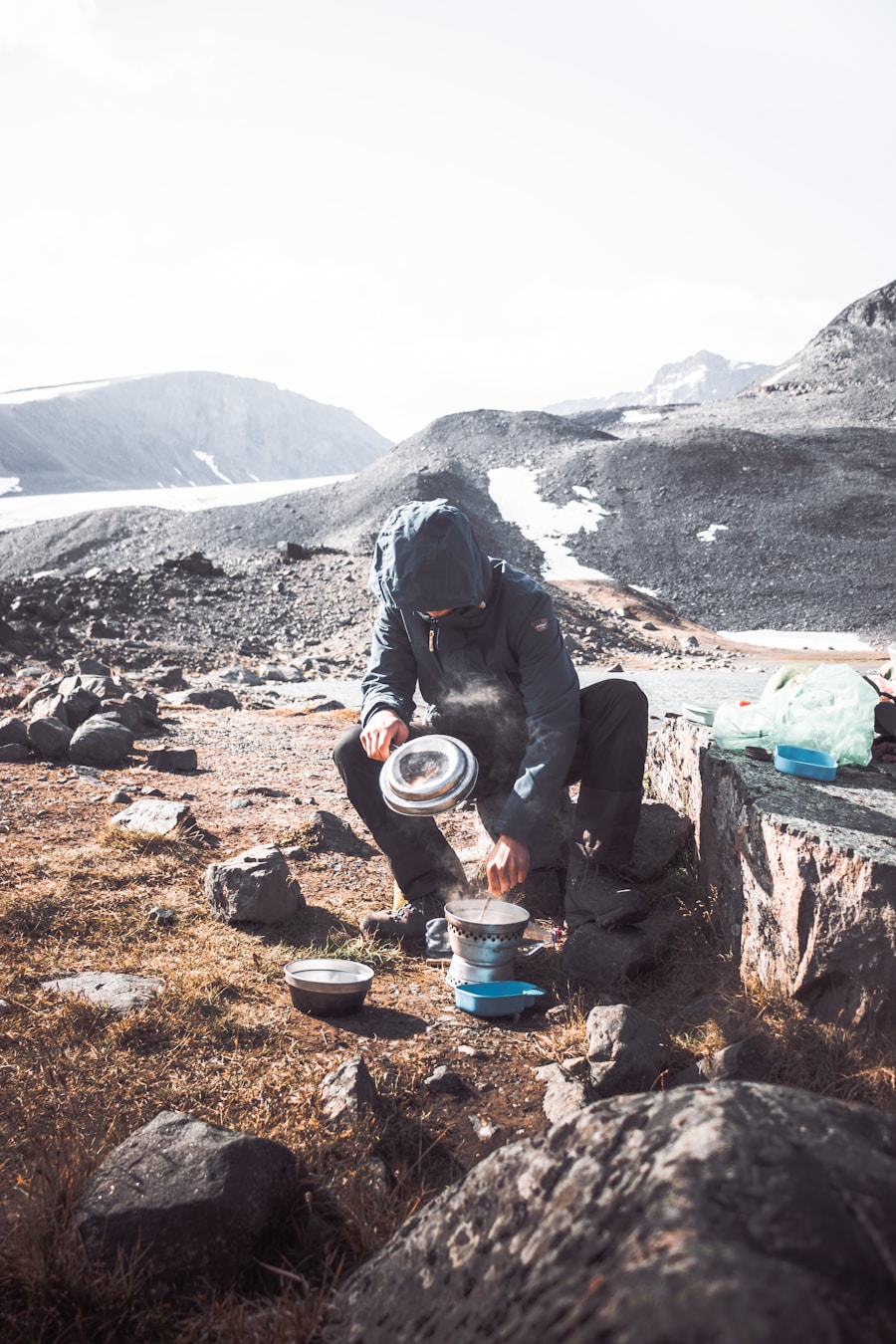
If your hiking trip continues into an overnight camp, food preparation becomes a different planning problem. The site’s “5 Must-Have Portable Camping Stoves for Your Spring 2025 Adventures” article can help with equipment for preparing hot meals and snacks at camp. Check out the article here.
Frequently Asked Questions
What should I eat before hiking?
Choose familiar foods with plenty of carbohydrate, then add moderate protein and fat when you have enough digestion time. Oatmeal with fruit, toast with peanut butter, yogurt with fruit, a turkey-and-avocado sandwich, rice with eggs or tofu, or a banana with a small snack are all reasonable choices depending on when the hike starts.
How long before hiking should I eat?
A larger meal generally works best several hours before a demanding hike. A smaller snack may fit 1–2 hours before, while a light carbohydrate-focused snack can work 30–60 minutes before. Adjust the timing to portion size and your own digestive tolerance.
What are some good snack options before a hike?
Good options include fruit, trail mix, oatmeal, toast, pretzels, crackers, yogurt with fruit, energy bars, dried fruit, rice cakes, or a small sandwich. Pick simpler, lower-fat choices when the hike is about to begin and more substantial combinations when you have more time to digest.
Should I drink water before hiking?
Yes. Begin the hike adequately hydrated, but do not force a universal amount of water. Your needs depend on the weather, your body, recent fluid intake, sweat rate, altitude, and hike duration. Carry enough water for the route and make a plan for reliable refills or treatment when needed.
Are there any foods I should avoid before hiking?
There is no universal banned-food list. Large greasy meals, unusually high-fiber foods, spicy foods, carbonation, or dairy may cause discomfort for some people when eaten close to a hike. Use your own experience and avoid large portions of foods that you already know cause GI symptoms.
Do I need to eat before a short hike?
Not always. If the hike is short and easy, you recently ate a normal meal, and you feel comfortable, you may not need a special snack. Carry a small backup snack in case the route takes longer than expected.
Do I need electrolytes before a hike?
Not for every hike. Water and normal meals are sufficient for many short outings. Electrolytes and salty foods become more relevant during prolonged exercise, hot weather, or heavy sweating. People with medical restrictions on sodium or fluid should follow their clinician’s advice.
Sources
- Academy of Nutrition and Dietetics, Dietitians of Canada, and American College of Sports Medicine: Nutrition and Athletic Performance — pre-exercise nutrition, carbohydrate availability, timing, and sports-performance guidance.
- National Athletic Trainers’ Association Position Statement: Fluid Replacement for the Physically Active — individualized hydration, sweat loss, fluid balance, and risks of both underhydration and overhydration.
- CDC: About Water and Healthier Drinks — hydration needs, physical activity, climate, and water obtained from foods.
- National Park Service: Hike Smart — planning food and water for hikes, carrying extra food, and trail-safety preparation.
- Carbohydrate Availability and Physical Performance: Physiological Overview and Practical Recommendations — evidence on carbohydrate intake before endurance exercise and pre-exercise carbohydrate timing.

