
Last Updated on August 29, 2026 by Caleb Warren
Disclosure: As an Amazon Associate, we earn from qualifying purchases. If you click a link on this page and make a purchase, we may receive a small commission at no extra cost to you.
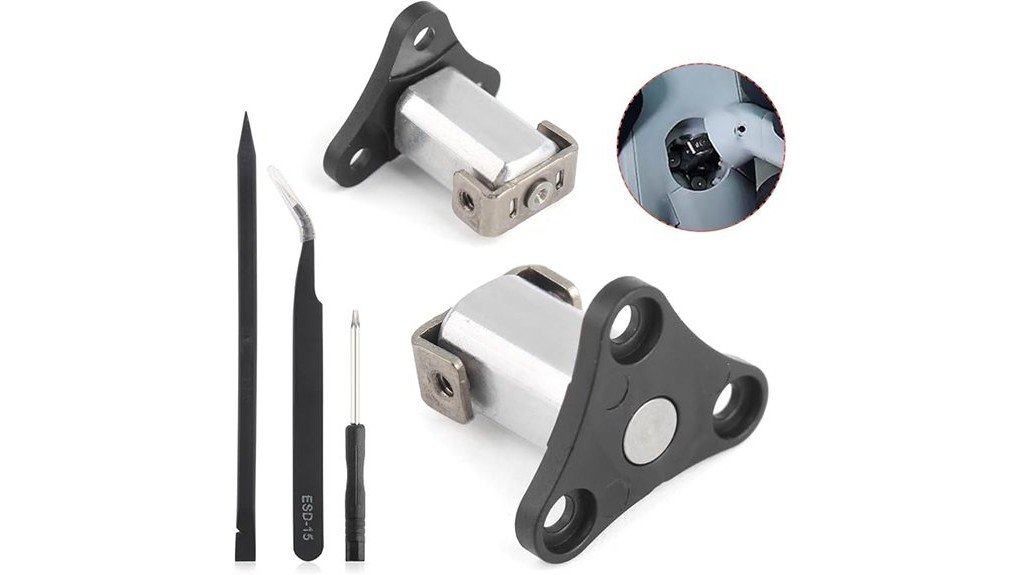
A damaged front arm hinge can leave an otherwise usable DJI Mini grounded, but replacing a small hinge component only makes sense when you identify the damaged part correctly. The Front Arm Axis Replacement for DJI Mini 4 Pro and Mini 3 is designed to replace the front arm shaft or hinge axis and includes basic tools for the repair. Its biggest strength is its focused compatibility and simple repair purpose, while its biggest limitation is that installation involves very small components and may not suit a first-time drone repair. This review explains the fit, included tools, installation considerations, practical use, and the situations where professional repair may be the safer choice.
Quick Verdict
Rating: 8/10
Best For: DJI Mini 4 Pro or Mini 3 owners who have confirmed damage to the front arm shaft or hinge and are comfortable with small-part repairs.
Bottom Line: This is a practical replacement when the front arm axis is the actual damaged component. The narrow compatibility is helpful, but careful installation is essential and inexperienced owners may be better served by a repair technician.
| Specification | Detail |
|---|---|
| Product Type | Front arm axis / shaft hinge replacement |
| Amazon ASIN | B0CR7HJK1Y |
| Compatibility | DJI Mini 4 Pro and DJI Mini 3 |
| Repair Position | Front arm shaft / hinge position |
| Included Tools | T5 screwdriver and anti-static tweezers |
| Listed Package Dimensions | Approximately 6.97 x 5.08 x 0.55 inches |
| Listed Package Weight | Approximately 1.13 ounces |
| Main Use | Replacing a damaged front arm hinge axis after wear, excessive force, or a collision |
| Installation Note | Professional installation is worth considering if you do not have experience repairing small drone components. |
What Is the Front Arm Axis Replacement?
The Front Arm Axis Replacement is a small repair component intended for the front arm hinge area of the DJI Mini 4 Pro and DJI Mini 3. It is useful when the hinge or shaft has been damaged through extended use, excessive force, or a collision and the arm can no longer move or sit as intended.
This kit focuses on replacing the damaged axis rather than requiring you to automatically replace a larger arm assembly. It also includes a T5 screwdriver and anti-static tweezers, which are the basic tools identified for handling the small fasteners and components involved in the repair.
The exact material composition is not clearly specified in the available product information, so you should not buy it based on an unverified material claim. The more useful buying questions are whether the part matches your exact DJI model, whether the damaged area is actually the front arm shaft, and whether you have the skill to perform the repair without creating additional damage.
Who Should Buy It?
Best For
- You own a DJI Mini 4 Pro or DJI Mini 3 with confirmed front arm hinge or shaft damage.
- You want to replace the small axis component instead of automatically replacing a larger arm assembly.
- You are comfortable working slowly with very small screws and drone components, or you plan to have a technician install the part.
Skip If
- Your drone is a different DJI Mini model or the damaged component is on the rear arm.
- You have not confirmed that the hinge axis is the actual source of the problem.
- You are uncomfortable opening or repairing small electronic equipment and do not have access to professional help.
Before You Buy: Confirm both the drone model and the damaged arm position. This replacement is intended for the front arm shaft or hinge on the DJI Mini 4 Pro and Mini 3, not the rear arm and not other DJI models.
Compatibility With DJI Mini Models
Compatibility is the most important buying factor for this repair part. It is designed for the DJI Mini 4 Pro and DJI Mini 3, and the product information specifically identifies the front arm shaft or hinge as the target repair position.
That distinction matters because a drone can have several different structural problems after an impact. A cracked arm shell, damaged motor, wiring problem, rear hinge failure, or another internal issue will not necessarily be fixed by replacing the front arm axis.
- DJI Mini 4 Pro: Supported for front arm shaft or hinge replacement.
- DJI Mini 3: Supported for front arm shaft or hinge replacement.
- Rear arm repairs: This is not identified as a rear arm shaft replacement.
- Other DJI models: Do not assume compatibility based only on similar appearance.
Check the damaged location before ordering and compare it carefully with the product listing. This small step can prevent you from buying a correct part for the wrong repair.
Build Quality and Design
The replacement is designed to match the function and shape of the original front arm axis so the arm can move correctly once the repair is completed. Because the exact material specification is not clearly published, it is better to judge the part by fit, alignment, and repair suitability rather than broad claims such as “premium” or “aircraft-grade.”
The earlier article described dimensions of 6.97 x 5.08 x 0.55 inches and a weight of 1.13 ounces as though they were measurements of the hinge itself. Those figures correspond to the listed package dimensions and package weight, not the tiny axis alone. That distinction gives you a more accurate idea of what those measurements actually represent.
For a component this small, precise fit matters more than package size. If the axis does not align correctly with your front arm assembly, forcing it into position can create a larger repair problem.
Installation Process and Recommendations
The kit includes a T5 screwdriver and anti-static tweezers, so you have the basic tools identified for the replacement. However, having the tools does not make the repair automatic. The screws and hinge components are small, and careful handling matters.
Before starting, confirm that you are working on the correct front arm and that the replacement axis matches the damaged component. Keep your workspace clean and organized so small screws are less likely to disappear during disassembly.
- Confirm that your drone is a DJI Mini 4 Pro or Mini 3.
- Confirm that the damaged component is the front arm shaft or hinge.
- Prepare the included T5 screwdriver and anti-static tweezers before opening the repair area.
- Work in a clean area where small screws and components can be controlled.
- Use an appropriate installation guide or video if you are familiar with small electronics repair.
- Choose professional installation if you are unsure about any stage of disassembly or reassembly.
Pro Tip: Identify the exact hinge position and have the T5 screwdriver and anti-static tweezers ready before you begin. If the repair instructions are unclear or you lack small-electronics experience, stop and use a qualified repair service instead of forcing the component.
Installation Safety
Drone repairs involve small mechanical parts positioned close to electronic components. Avoid rushing, forcing a screw, or applying unnecessary pressure to the arm structure. Anti-static tweezers can help with controlled handling, but careful technique is still required.
If the drone suffered a significant crash, the hinge may not be the only damaged component. Inspect the surrounding arm and visible components before assuming that one replacement part will restore normal operation. If you see additional damage or are unsure about the diagnosis, professional inspection is the safer choice.
After installation, check that the repaired arm folds and extends normally before attempting normal flight. Follow DJI’s operating guidance and do not fly a drone that still shows obvious structural or control problems.
How It Performs in Real Use
After Front Arm Hinge Damage
This replacement makes the most sense when a collision or excessive force has damaged the front arm axis while the rest of the arm assembly remains suitable for repair. In that situation, replacing the small hinge component can address the specific failure instead of treating the entire arm as disposable.
For Long-Term Wear
The product is also positioned as a replacement for a front arm hinge that has become damaged after extended use. You should still diagnose the problem first because stiffness, looseness, or poor arm alignment can have more than one cause.
For DIY Workbench Repair
If you already have experience with small electronics or drone repairs, the included T5 screwdriver and tweezers reduce the number of basic tools you need to gather. The task still requires patience because the fasteners and hinge pieces are small.
For First-Time Repair
A first-time repairer should be more cautious. The product information itself recommends professional help when you do not have installation experience. Paying for installation may offer better value than damaging a screw, arm, or nearby component during an uncertain repair.
Common Mistakes to Avoid
- Ordering by appearance alone: Verify DJI Mini 4 Pro or Mini 3 compatibility first.
- Confusing front and rear arm components: This part is intended for the front arm shaft or hinge.
- Assuming every crash needs this part: Diagnose the actual damaged component before ordering.
- Rushing small screws: Work slowly and keep the repair area organized.
- Forcing misaligned parts: Stop if the replacement does not sit correctly.
- Flying before checking the repair: Confirm normal arm movement and overall structural condition first.
Pros and Cons
Pros
- Designed specifically for DJI Mini 4 Pro and Mini 3 front arm hinge repairs.
- Targets the smaller shaft or axis component instead of automatically requiring a complete arm replacement.
- Includes a T5 screwdriver for the small fasteners involved in the repair.
- Includes anti-static tweezers for handling small components.
- Useful for damage caused by wear, excessive force, or a collision when the hinge axis is the failed part.
Cons
- Compatibility is limited to specific DJI Mini models and the front arm position.
- Installation involves very small components and may be difficult for an inexperienced owner.
- It will not solve unrelated arm, motor, wiring, shell, or electronic damage.
Customer Reviews and Ratings
Star ratings and review counts can change as new orders and reviews are added, so they are not useful as permanent specifications in a review like this. Check the current Amazon listing if you want the latest customer score before buying.
For your decision, compatibility and installation difficulty deserve more weight than a changing rating number. A replacement hinge can be a sensible purchase when you have correctly identified the failed front arm axis, but even a well-reviewed part will not help if the damaged component or drone model is different.
Is It Worth the Price?
This type of product sits in the budget repair-part category compared with replacing a larger arm assembly or paying for more extensive repair work. It offers the strongest value when the front arm axis is the only component you need and you already have the skill to complete the installation.
It can also be worth considering if you plan to buy the part yourself and have a technician install it. The main limitation is diagnostic risk: buying a small hinge replacement saves little if your drone actually needs a different structural or electronic repair.
For that reason, value depends less on the part itself and more on confirming the problem before you order.
How It Compares to Alternatives
The main alternative is replacing a larger front arm assembly. A full arm replacement may make more sense when the arm shell, motor area, wiring, or several structural components are damaged, while this axis replacement is more focused when the hinge shaft is the problem.
Your other option is professional drone repair. That costs more than a simple DIY component in many cases, but it can be the better choice if you cannot confidently identify the failure or handle small screws and internal parts. This replacement makes the most sense when you want a targeted front hinge repair and already understand the job involved.
Frequently Asked Questions
Can I use this part on other DJI models?
Do not assume that you can. The replacement is identified for the DJI Mini 4 Pro and Mini 3 front arm hinge position. If you own another model, choose a part specifically listed for that drone.
Does this replace the complete front arm?
No. This product is intended to replace the front arm axis, shaft, or hinge component. If the complete arm, motor area, wiring, or shell is damaged, you may need a different repair.
What tools are included?
The kit includes a T5 screwdriver and anti-static tweezers. You should still use a clean, organized workspace and follow an appropriate installation guide for your exact drone and repair position.
How long does installation take?
There is no reliable fixed installation time because it depends on your repair experience and the condition of the drone. Work slowly rather than treating the repair as a timed task, especially when handling the small fasteners.
What precautions should I take during installation?
Keep your work area clean, control the small screws carefully, and avoid forcing components that do not align correctly. If you are unsure about disassembly or reassembly, use professional repair help.
Will replacing the axis fix every front arm problem?
No. It addresses the shaft or hinge component only. A crash can also damage the arm structure, motor area, wiring, or other parts, so confirm the source of the problem before ordering.
What should I check before ordering?
Confirm your exact DJI model, confirm that the damaged position is the front arm hinge, and review the current Amazon product details. You should also check the seller’s current return terms because marketplace policies can change.
The Bottom Line
The Front Arm Axis Replacement for DJI Mini 4 Pro and Mini 3 is worth considering when you have confirmed front hinge damage and want a focused replacement instead of automatically changing a larger assembly. Its main strengths are specific compatibility and included repair tools, while its main limitation is the careful small-part installation required.
Buy it if the model and damaged position match and you are comfortable with the repair or have professional help available. Skip it if the damage is elsewhere, your DJI model is unsupported, or you are uncertain about the diagnosis.
