
Last Updated on July 27, 2026 by Daniel Globe
A successful hike starts before you reach the trail. The right gear should keep you hydrated, help you navigate, protect you from changing weather, and give you a way to handle delays or minor emergencies. Your exact hiking checklist will depend on the trail, weather, trip length, remoteness, and the needs of everyone in your group.
Quick Answer
For most hikes, bring a well-fitting backpack, suitable footwear, weather-ready layers, navigation tools, water and water treatment, extra food, a first-aid kit, sun protection, a headlamp, fire and repair supplies, and emergency shelter. Adjust the amount and type of gear for the trail, weather, duration, and distance from help.
Key Takeaways
- Use the National Park Service Ten Essentials as the foundation of your hiking checklist.
- Choose your backpack and footwear for the load, terrain, weather, and your personal fit rather than relying on one gear type for every hike.
- Carry enough water for the outing and have a safe treatment plan if you may need natural water sources.
- Keep a physical or offline navigation backup, a headlamp, first-aid supplies, extra food, and emergency shelter even when you expect to finish before dark.
- Check trail conditions and weather before leaving, tell someone your itinerary, and turn around when conditions exceed your plan or ability.
Hiking Essentials Checklist
The National Park Service Ten Essentials are a strong starting point for both short hikes and longer backcountry trips. The exact items within each category can change with the season and destination.
| Essential | What to Pack |
|---|---|
| Navigation | Map, compass, GPS or offline mapping, plus backup power when appropriate |
| Sun protection | Sunscreen, sunglasses, hat, and protective clothing |
| Extra clothing | Insulating layer and rain/wind protection suitable for the forecast and possible changes |
| Illumination | Headlamp or flashlight with spare batteries or adequate backup power |
| First aid | Trip-appropriate first-aid kit and personal medications |
| Fire | Lighter, matches, or fire starter where legal and appropriate |
| Repair kit and tools | Multi-tool or knife, duct tape, and trip-specific repair items |
| Extra food | Nutritious, easy-to-eat food beyond what you expect to consume |
| Hydration | Water plus treatment supplies when natural sources may be needed |
| Emergency shelter | Emergency bivy, space blanket, tarp, or another suitable lightweight shelter |
Note: The Ten Essentials are a foundation, not a complete packing list for every destination. Cold, desert, winter, high-altitude, wildlife, river-crossing, or very remote trips may require additional equipment and skills.
Choose the Right Hiking Backpack
Your backpack should be large enough for the gear you actually need without encouraging unnecessary overpacking. Capacity varies widely. Current daypack guidance from REI spans roughly 5 to 40 liters, while about 21 to 35 liters is a useful range for many ordinary day hikes.
Short, simple outings may work with a 10- to 20-liter pack. A longer day involving meals, extra clothing, more water, or changing weather may justify a larger daypack. For overnight trips, backpacking packs commonly move into the 30- to 50-liter range for shorter trips and roughly 50 to 80 liters for many multiday trips.
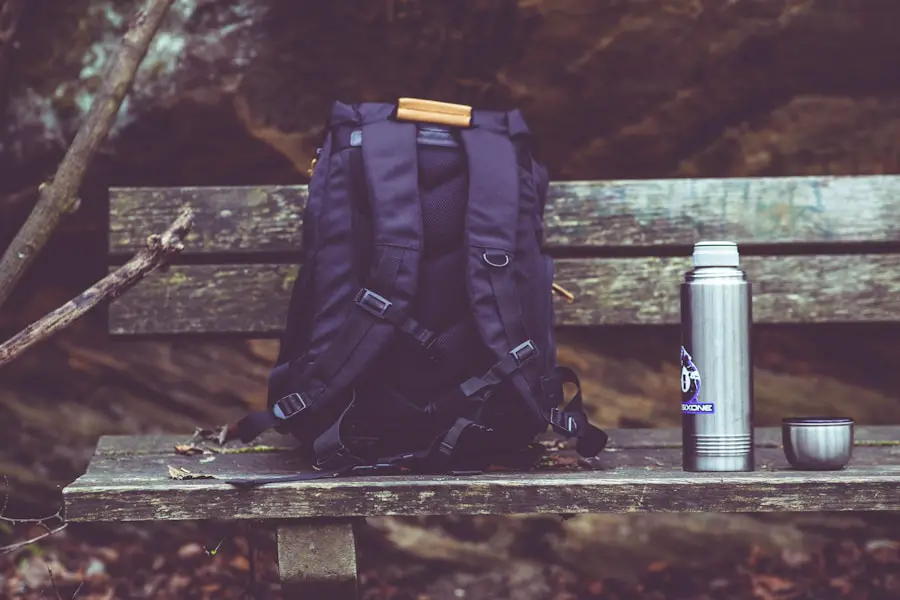
Capacity is only part of the decision. A good pack should match your torso length and sit securely without creating painful pressure points. Adjustable shoulder straps, a hip belt, sternum strap, ventilated back panel, water-bottle pockets, and hydration-reservoir compatibility can all improve comfort and organization.
Load the pack with realistic weight before judging the fit. A pack that feels comfortable when empty may feel very different with water, food, clothing, and emergency gear inside.
Pro Tip: Keep heavier items close to your back and place frequently used items such as water, snacks, sunscreen, a map, and rain protection where you can reach them without unpacking everything.
Products Worth Considering

【Lightweight & Foldable for Travel and Outdoor Adventures】Available in 15L and 20L sizes, this foldable backpack packs down compactly for easy storage and portability. Designed for both men and women, it works perfectly as a hiking backpack, daypack, travel backpack, camping backpack, or backup backpack for weekend trips and everyday use.

Compact & Packable: This 20L hiking backpack measures 11.4 × 5.1 × 18.5 inches, weighs only 0.64 lbs, and folds down to just 6.3 × 7.1 inches. It easily packs into its own inner pocket and fits neatly in your suitcase, larger backpack, or car
Hiking Boots vs. Trail Shoes
Both hiking boots and trail shoes can work well. The best choice depends on terrain, weather, pack weight, pace, foot shape, and personal preference.
Hiking boots usually provide more coverage, a stiffer platform, and greater protection from rocks, mud, brush, and cold conditions. Those characteristics can feel more stable when carrying a heavier pack or moving through rough terrain. Waterproof versions may also help in wet or snowy conditions, although waterproof footwear can be warmer and slower to dry once water gets inside.
Trail shoes and trail-running shoes are typically lighter and more flexible. They can be comfortable for maintained trails, warm weather, faster hiking, and hikers who prefer less weight on their feet. Many modern trail shoes also have aggressive outsoles suitable for loose dirt and uneven surfaces.
Do not assume that a high boot automatically prevents ankle injuries. Research involving long-distance hikers has not established a simple injury-prevention advantage based solely on footwear type. Fit, conditioning, terrain, pack weight, and how you move are also important.
| Hiking Boots | Trail Shoes |
|---|---|
| More foot and ankle coverage | Lower weight and greater flexibility |
| Often better suited to rough, cold, muddy, or snowy conditions | Often comfortable for maintained trails and warmer conditions |
| Can feel more supportive with a heavy load | Can make a fast hiking pace easier |
| Usually heavier and may require more break-in time | Usually provides less protection from rocks, brush, mud, and cold |
Brands such as Merrell and Salomon offer hiking boots and shoes across several support levels, while Altra and HOKA are well known for lightweight trail footwear. Brand matters less than a secure fit with enough toe room, a locked-in heel, and traction suited to the trail.
Products Worth Considering

Stay Comfortable: Signature Altra FootShape toe boxes allow your toes to spread and encourages proper, low-impact form throughout your run.
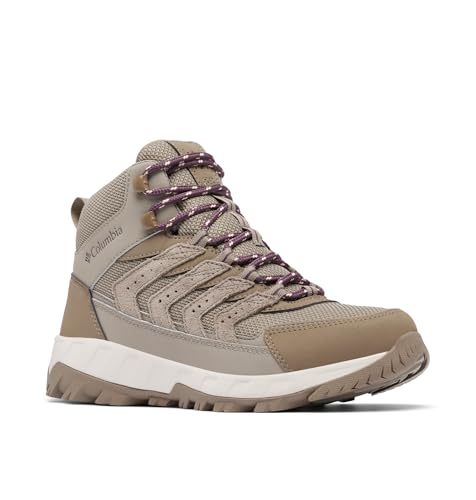
OMNI-TECH: For prolonged exposure to moderate rain and snow. Multilayered, waterproof, seam-sealed construction that allows the inside to breathe, keeping feet dry and comfortable no matter the conditions.

Lightweight & Comfortable: These women’s hiking boots weigh only 12.8 oz each, so they feel light on your feet and help reduce foot fatigue. Soft cushioned insole keep you comfortable all day
Clothing: Layering for Comfort and Safety
Layering lets you adapt as your body temperature and the weather change. Instead of relying on one heavy garment, combine pieces that can be removed or added during the hike.
Base Layer
The base layer sits next to your skin. Merino wool and moisture-managing synthetic fabrics are common choices because they handle sweat better than heavy absorbent clothing. Choose a thickness appropriate for the temperature and your activity level.
Middle Layer
The middle layer provides insulation. A fleece jacket, synthetic insulated jacket, or down layer may work depending on temperature and precipitation. Carry enough insulation for the coldest conditions you could reasonably encounter, not just the temperature at the trailhead.
Outer Layer
The outer layer protects you from wind and precipitation. A rain shell should fit over your other layers without restricting movement. Waterproof-breathable materials can reduce rain penetration while allowing some moisture vapor to escape, but no shell eliminates sweat during hard exertion.
The National Park Service recommends carrying extra clothing suitable for sudden changes in weather, including rain protection and warmer layers when conditions warrant it.
Before You Leave: Route, Weather, and Trip Plan
Gear cannot compensate for poor planning. Before leaving home, check the route distance, elevation gain, estimated hiking time, trail difficulty, water availability, current closures, permit requirements, fire restrictions, and destination-specific hazards.
Download or carry the map before you lose service. Check the weather for the actual hiking area rather than relying only on the forecast for the nearest city.
Tell a reliable person where you are going, your planned route, who is with you, where you parked, and when you expect to return. The National Park Service specifically recommends leaving this information with someone before heading out.
Set a turnaround time. If the trip is taking much longer than expected, weather is deteriorating, daylight is running out, or someone in the group is struggling, turning around is often the safest choice.
Warning: There is no safe place outdoors during a thunderstorm. The National Weather Service advises moving to a substantial building or enclosed hard-topped vehicle when thunder is heard. Do not wait until lightning is directly overhead.
Navigation Tools: Maps, Compass, and GPS
Reliable navigation involves both the right equipment and knowing how to use it. A topographic map can show trails, terrain, elevation changes, water features, and landmarks. A compass provides an independent way to orient the map and confirm direction.
GPS devices and smartphone mapping apps are useful for locating yourself and following a planned route, but electronic navigation should not be your only option on a remote trip. Download maps for offline use before leaving, start with a charged battery, and consider a power bank for longer outings.
The National Park Service recommends carrying a physical map as a backup and learning how to use your navigation equipment before the trip.
Pro Tip: Put your phone into a battery-saving or airplane mode when you do not need a cellular connection, but keep any emergency-communication requirements for your particular device in mind.
Products Worth Considering

Compact and lightweight GPS handheld navigator boasts an anti-slip design offering a bright 3.2" screen that is sunlight readable, even in bright sunlight, plus, physical buttons provide more versatility in any conditions

Offline Outdoor Navigation
Hydration: Water Bottles and Hydration Systems
Water bottles and hydration reservoirs can both work well. Bottles are simple to fill, monitor, and clean. Reservoirs let you drink through a hose without stopping and can make frequent sipping more convenient.
The best system is the one that gives you enough capacity for your route and that you will actually use consistently. A bottle or reservoir should also fit securely in your pack without leaking onto clothing, electronics, or emergency supplies.
| Brand | Product | Capacity | Material / Build | Manufacturer Price Checked July 27, 2026 |
|---|---|---|---|---|
| CamelBak | Chute Mag 32 oz | 32 oz | Tritan Renew bottle with polypropylene copolymer and silicone components | $12.99 sale price; $19 listed regular price |
| Hydro Flask | 24 oz Standard Mouth | 24 oz | Stainless steel, double-wall vacuum insulated | $39.95 |
| Nalgene | 32 oz Wide Mouth | 32 oz | Tritan Renew | $16.99 |
| Osprey | Hydraulics LT 2.5L Reservoir | 2.5 L | Flexible hydration reservoir; resin composition is not stated on the current product page | Varies by market |
Prices and promotions can change after the check date and can vary by color, region, and retailer.
For trip planning, Great Smoky Mountains National Park currently advises carrying at least 1 liter of water per 2 hours of hiking. Your actual needs may be higher depending on heat, exertion, altitude, individual sweat rate, and route conditions.
A fixed quantity cannot cover every hiker or every trail. Start with your expected hiking time, then increase your margin for heat, strenuous terrain, delays, or routes without dependable water.
Warning: Clear-looking stream or lake water can still contain disease-causing germs. The CDC says boiling is the most reliable way to kill germs. When boiling is not practical, filtering followed by disinfection is generally safer than assuming a basic filter or tablet removes every pathogen. Water contaminated with harmful chemicals or toxins cannot be made safe simply by boiling or disinfecting it.
Nutrition: Packable Snacks and Meals
Bring food that is compact, easy to eat, and appropriate for the length of the hike. Trail mix, nuts, dried fruit, nut or seed butter packets, jerky, crackers, and energy bars are convenient because they provide calories without taking much pack space.
For hikes that cross normal mealtimes, add a sandwich, wrap, or another substantial meal. Longer trips may justify dehydrated or freeze-dried meals that only require hot water. Brands such as Mountain House offer numerous lightweight meal options for backpacking and camping.
Do not pack only the exact amount you expect to eat. The National Park Service includes extra food among the Ten Essentials because delays, route changes, injuries, or unexpected weather can keep you out longer than planned.
Note: Pack foods you know your stomach handles well during exercise. A remote hike is not an ideal place to experiment with an unfamiliar meal or supplement.
Safety Essentials: First Aid Kit and Emergency Supplies
A hiking first-aid kit should match the group size, trip duration, environment, and distance from professional help. A basic kit may include adhesive bandages, gauze, medical tape, antiseptic supplies, blister treatment, gloves, and any personal medications you may need.
Check expiration dates and replenish used supplies before each trip. Just as importantly, learn how to use what you carry. A large first-aid kit is of limited value if no one in the group understands its contents.
Emergency equipment should also include a headlamp, whistle, basic repair supplies, and a way to stay protected if you cannot finish the hike as planned. A lightweight emergency bivy, space blanket, tarp, or other shelter can reduce exposure to wind and precipitation during an unexpected overnight delay.
A whistle is useful for signaling without repeatedly shouting. A multi-tool and small amount of duct tape can help with simple gear repairs. Where fires are legal and appropriate, waterproof matches, a lighter, or a compact fire starter may provide another emergency option.
For remote areas with unreliable cellular service, a satellite communicator or personal locator device may provide an additional layer of emergency communication. Learn how the device works before relying on it.
Warning: Emergency equipment does not make a hazardous route safe. Turn around when weather, injury, fatigue, river conditions, fire, wildlife activity, or another hazard moves beyond your ability or preparation.
Additional Gear: Trekking Poles, Headlamps, and Sun Protection
Trekking poles can improve stability on uneven ground and may reduce some lower-extremity loading, particularly during descents. Research has documented reductions in lower-limb forces and joint loading under some hiking conditions. They are optional rather than mandatory, but many hikers appreciate them on steep or rocky terrain.
Adjustable poles are useful because you can shorten or lengthen them for changing terrain. Learn the locking mechanism before the trip and check that each section is secure.
A headlamp is one of the Ten Essentials even when you plan to return before sunset. Delays happen, and a headlamp keeps both hands free while walking, reading a map, or handling equipment. Carry spare batteries or enough backup power for your particular model.
Sun protection also belongs in every hiking kit. The American Academy of Dermatology recommends broad-spectrum, water-resistant sunscreen with SPF 30 or higher, along with protective clothing, sunglasses, and a hat. Reapply sunscreen according to the product directions, especially after heavy sweating.
Optional comfort items can be useful in specific situations. A rechargeable hand warmer may be welcome on a cold-weather walk, and merino wool hiking or travel socks can help manage moisture and warmth. These are additions to the safety essentials, not substitutes for proper clothing and emergency preparation.
Families hiking with young children may also need child-specific food, clothing, medications, and carrying equipment. A double travel stroller is appropriate only for paved or stroller-compatible park routes, not ordinary rough hiking trails. For paved family outings, this article on the 5 Best Double Travel Strollers for Spring Adventures offers additional options.
Personal Needs, Hygiene, and Leave No Trace
Your personal kit may need prescription medication, insect repellent, menstrual products, hand sanitizer, toilet supplies, eyeglasses or contact-lens supplies, and identification. People hiking with children or pets will need additional food, water, medications, and safety equipment.
Research bathroom and waste rules for the specific area before leaving. Some heavily used or sensitive destinations require waste to be packed out rather than buried.
Follow Leave No Trace principles: plan ahead, stay on durable surfaces, dispose of waste properly, leave natural and cultural objects where you find them, minimize campfire impacts, respect wildlife, and be considerate of other visitors.
Carry a small resealable bag for food wrappers and other trash. Food scraps such as fruit peels and nut shells should also be packed out rather than left beside the trail.
Frequently Asked Questions
What should I take when hiking?
Start with the Ten Essentials: navigation, sun protection, extra clothing, illumination, first aid, fire supplies, repair tools, extra food, water and treatment supplies, and emergency shelter. Add a suitable backpack, hiking footwear, personal medication, and destination-specific equipment.
How much water should I bring when hiking?
Water needs vary with the person and conditions. Great Smoky Mountains National Park currently recommends at least 1 liter per 2 hours of hiking as a planning baseline. Carry more for heat, strenuous terrain, long exposure, or routes without dependable water, and consider an emergency treatment method when appropriate.
What kind of food should I bring when hiking?
Pack easy-to-eat, calorie-dense foods such as nuts, trail mix, dried fruit, bars, jerky, crackers, sandwiches, or wraps. Longer trips may use dehydrated meals. Carry extra food in case the outing lasts longer than planned.
What navigation tools should I bring when hiking?
Carry a route map and know how to use it. A compass, GPS unit, or offline smartphone map can provide additional navigation. Remote hikers should avoid depending on a single battery-powered device and should carry backup power or another navigation method.
What should I include in a first aid kit for hiking?
A basic kit may include adhesive bandages, gauze, medical tape, antiseptic supplies, blister treatment, gloves, and personal medication. Adjust the contents for the number of hikers, trip length, environment, medical needs, and distance from help.
What clothing should I wear when hiking?
Wear comfortable clothing that handles moisture and lets you move freely. Use layers so you can add warmth or weather protection as conditions change. Bring a rain shell and additional insulation when the forecast and route justify them.
What emergency supplies should I bring when hiking?
Useful emergency supplies include a headlamp, whistle, first-aid kit, repair tools, extra food, emergency shelter, navigation backup, and appropriate fire-starting equipment where legal. Remote hikers may also consider satellite communication equipment.
Do I need the Ten Essentials on a short hike?
You can scale the exact equipment to the route, but a short trail can still involve weather changes, injury, navigation mistakes, or unexpected delays. The farther you are from roads or assistance, the more important a complete emergency kit becomes.
Do I really need emergency shelter on a day hike?
Emergency shelter is one of the National Park Service Ten Essentials. A compact bivy, space blanket, or tarp can provide protection if an injury, navigation problem, severe weather, or another delay prevents you from returning when expected.
Can I drink water directly from a stream while hiking?
Do not assume clear natural water is safe. The CDC recommends treating water of uncertain safety. Boiling is the most reliable method for killing germs; when boiling is not possible, the CDC recommends appropriate filtration followed by disinfection. Always follow the treatment product’s instructions.
Sources
- National Park Service — Ten Essentials — navigation, extra clothing, illumination, first aid, fire, repair equipment, extra food, hydration, emergency shelter, and trip planning.
- Great Smoky Mountains National Park — Hiking — current hiking preparation, turnaround planning, Ten Essentials, and water-planning guidance.
- Centers for Disease Control and Prevention — Water Treatment While Hiking, Camping, or Traveling — safe treatment of natural or uncertain drinking water.
- National Weather Service — Lightning Safety — thunderstorm and lightning precautions.
- American Academy of Dermatology — How to Apply Sunscreen — broad-spectrum SPF 30+ sun-protection guidance.
- PubMed — Impact of Footwear and Pack Weight on Injury and Illness Among Long-Distance Hikers — evidence supporting a more cautious interpretation of footwear and injury claims.
