
Last Updated on September 10, 2026 by Daniel Globe
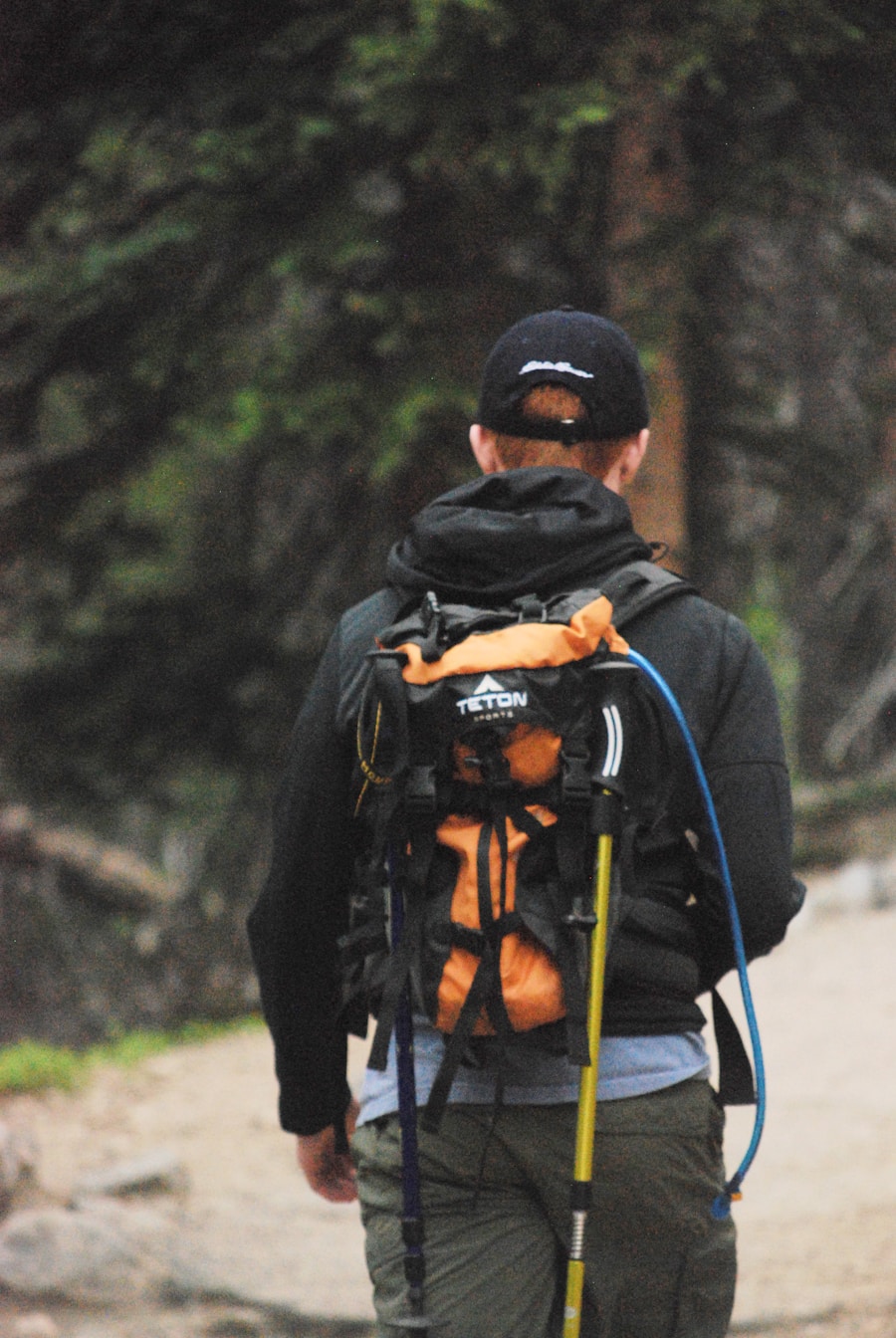
What you wear hiking affects comfort, traction, temperature control, sun exposure, and how well you can respond when the weather changes. The best hiking outfit depends on the trail, forecast, season, trip length, and how hard you expect to work. In most conditions, start with comfortable trail footwear, moisture-managing clothing, and layers you can add or remove as needed.
Quick Answer
Wear supportive hiking shoes or trail shoes with good traction, wool or synthetic socks, a moisture-wicking shirt, and flexible quick-drying pants or shorts. Carry an insulating layer and waterproof shell when conditions may cool or turn wet. Add a sun hat, UV-protective sunglasses, sunscreen, and weather-specific accessories.
Key Takeaways
- Choose hiking footwear for the terrain and make sure it fits securely without squeezing your toes.
- Use wool or synthetic layers that manage moisture, and avoid relying on cotton or denim in cold or wet conditions.
- Carry layers so you can adjust before you become excessively sweaty, cold, or wet.
- Use a wide-brimmed hat, UV400 or 100% UV-protective sunglasses, and broad-spectrum, water-resistant SPF 30+ sunscreen for sun exposure.
- Match your backpack, rain protection, insect protection, and winter traction to the length and conditions of the hike.
Choose Hiking Footwear for the Terrain
Selecting appropriate footwear is one of the most important clothing decisions for a hike. The right shoes can improve comfort, traction, and stability, while a poor fit can create pressure points and blisters. The National Park Service hiking safety guidance recommends proper walking footwear rather than open-toed or unsuitable shoes.
For rocky, loose, muddy, or uneven trails, a sturdy hiking shoe or boot with a durable, lugged rubber outsole can provide useful protection and traction. A higher boot can also provide more structure around the ankle, although no boot should be treated as a guarantee against sprains. Brands such as Merrell and Salomon offer hiking models with rugged outsoles, including models that use Vibram rubber.
For well-maintained trails and lighter loads, trail-running shoes or low-cut hiking shoes may be enough. They are often lighter and more breathable than traditional boots. You do not automatically need a heavy hiking boot simply because you are going hiking; terrain, weather, pack weight, foot comfort, and personal preference matter.
Fit is more important than the logo on the shoe. Hiking footwear should feel snug without being tight, allow your toes to move, and keep your heel reasonably secure. Try footwear with the same socks you expect to wear on the trail, and test it on an incline if possible. Current hiking-footwear guidance also recommends checking for pinching, heel movement, seams, or pressure points before committing to a pair.
Pro Tip: Do not make a long hike the first outing for unfamiliar footwear. Wear new shoes or boots on shorter walks first, and stop as soon as you notice a hot spot so you can adjust your sock, lacing, or blister protection before the skin becomes damaged.
Products Worth Considering

Mens hiking boots made of premium synthetic suede. SL-TEX waterproof membrane prevents water from entering and volatilizes water vapor. Ultra-light weight: 1.25lb (size 10)

Footbed: Removable EVA footbed, textile topcover

✓ Trail-Grip Outsole for Any Terrain: Custom multi-directional lugs provide reliable traction on dirt, gravel, rocky paths, and steep inclines—helping prevent slips and improving confidence with every step.
Layering for Comfort and Protection
Layering lets you adjust your clothing as your effort level and the weather change. A practical system uses a moisture-managing base layer, an insulating mid layer when needed, and an outer layer that protects you from wind or precipitation.
Base Layer
The base layer sits next to your skin. Synthetic fabrics such as polyester and nylon are common choices because they move moisture and dry relatively quickly. Merino wool is another useful option because it manages moisture well, stays comfortable across a range of temperatures, and generally resists odor buildup better than many fabrics.
Insulating Layer
The insulating layer helps retain the heat your body produces. Depending on the temperature and activity level, this may be a lightweight fleece, synthetic insulated jacket, wool layer, down vest, or puffy jacket. A steep climb may require little insulation while you are moving, but the same hike can feel much colder during a break or exposed descent.
Outer Shell
The outer layer protects you from rain, snow, and wind. A waterproof, breathable rain shell is useful when wet weather is possible. Membrane jackets such as GORE-TEX shells are one example, but performance varies by garment construction, ventilation, fit, and maintenance.
Warning: Cotton shirts, sweatshirts, and jeans absorb and hold considerable moisture. In cool or wet conditions, that can leave you chilled after rain, sweat, or a stream crossing. Current National Park Service hypothermia guidance recommends wicking layers and avoiding clothing such as cotton and jeans when getting wet could contribute to chilling.
What to Wear Hiking in Different Conditions
| Conditions | Good Starting Outfit | Carry or Add |
|---|---|---|
| Warm and dry | Lightweight moisture-wicking shirt, breathable shorts or pants, wool/synthetic socks, trail shoes | Sun hat, UV-protective sunglasses, sunscreen, light emergency layer |
| Cool or windy | Wicking base layer, hiking pants, appropriate trail footwear | Fleece or insulated layer, wind/rain shell, light gloves or warm hat |
| Rainy | Quick-drying base clothing, synthetic/wool socks, footwear suited to wet trail conditions | Waterproof shell, rain pants when warranted, dry spare socks, pack protection |
| Cold or snowy | Wicking base layer, insulation, weather-resistant hiking pants, warm socks, winter-appropriate footwear | Waterproof shell, warm hat, gloves, spare insulation, condition-appropriate traction |
| Brush, ticks, or mosquitoes | Lightweight long sleeves, long pants, closed footwear | EPA-registered repellent and properly treated clothing/gear where appropriate |
This is a starting point rather than a rigid dress code. Elevation, wind, shade, humidity, exposure, trail surface, and your own temperature tolerance can change what feels comfortable.
The Importance of Moisture-Wicking Clothing
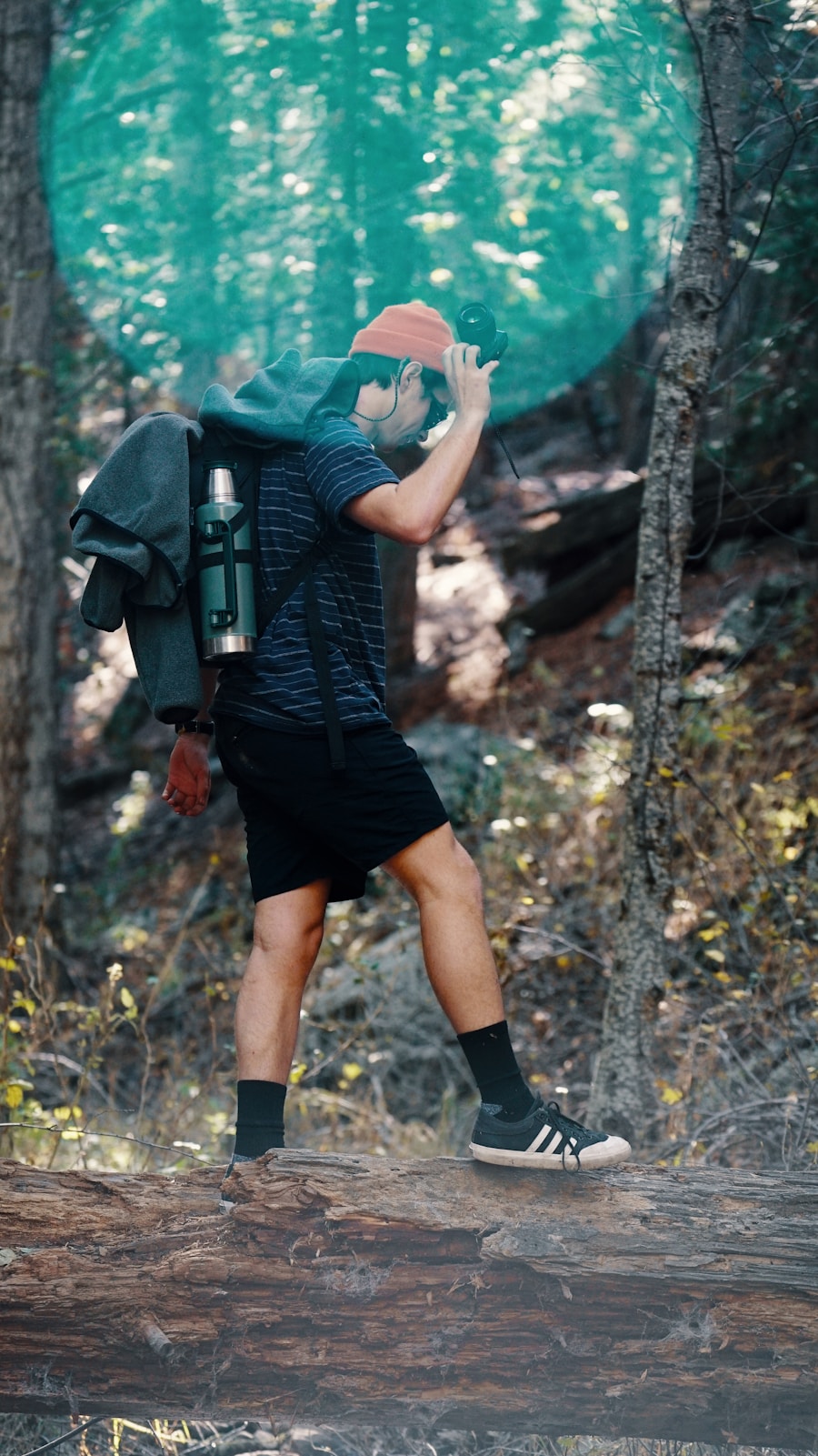
Moisture-wicking clothing helps move sweat away from your skin so it can spread across the fabric and evaporate more efficiently. That is useful during sustained hiking because wet skin and soaked clothing can increase discomfort, friction, and chilling when your activity level drops.
Synthetic materials such as polyester and nylon are widely used in hiking shirts, underwear, sports bras, socks, and base layers because they can dry faster than absorbent fabrics such as cotton. Merino wool is also popular because it manages moisture across a broad temperature range and tends to control odor well.
Brands such as Patagonia and Columbia offer moisture-managing outdoor clothing, but focus on fabric performance, fit, and conditions rather than buying solely by brand. A shirt that works well on a dry summer trail may not provide enough warmth for an exposed mountain route.
Sun Protection: Hats, Sunglasses, and Sunscreen
| Item | What to Look For | Important Note |
|---|---|---|
| Sunscreen | Broad-spectrum, water-resistant SPF 30 or higher | Reapply at least every two hours outdoors and after swimming or heavy sweating according to the label. |
| Hat | Wide brim and good face, ear, and neck coverage; UPF-rated fabric when available | UPF protection varies by product. Do not assume every hiking hat is UPF 50+. |
| Sunglasses | UV400 or “100% UV protection” | Polarized lenses can reduce glare but polarization is not a substitute for verified UV protection. |
Sun exposure can be substantial on open trails and can increase when light reflects from water, rock, or snow. A wide-brimmed hat helps shade the face, ears, and neck, while sun-protective shirts and pants can reduce the amount of exposed skin.
For exposed skin, the American Academy of Dermatology recommends a broad-spectrum, water-resistant sunscreen with SPF 30 or higher. Reapply it at least every two hours outdoors and after swimming or heavy sweating as directed on the product label.
For your eyes, the U.S. Food and Drug Administration recommends sunglasses labeled UV400 or “100% UV protection.” Polarization is useful for reducing glare from water, snow, or bright surfaces, but it should be considered a separate feature from UV blocking.
Products Worth Considering

👓100% UV400 Protection & HD Polarized Lenses: The lens utilizes industry-leading 9-layer filtration. UV400 protection coating can protect your eyes perfectly by 100% blocking harmful UVA, UVB & UVC rays. HD polarized lenses can filter out sunlight glare and reduce eye fatigue. Restore true color, eliminate reflected light and scattered light, and help you see better.

1.[Ukoly Trendy Sports Sunglasses Specially Designed For Men Women Youth] Product Type:Baseball Sunglasses,Running Sunglasses,baseball glasses,cycling glasses,sunglasses womens,sunglasses men,sunglasses,womens sunglasses,mens sunglasses,sunglasses womens trendy,sports sunglasses,sport glasses.

Polarized Clarity for Driving & Fishing: For men who drive, fish, or enjoy outdoor moments, glare from water or roads often blurs vision and causes fatigue. ATTCL polarized sunglasses men with UV400 TAC lenses cut reflections and restore vivid, natural color — ensuring crisp, relaxed vision and confident focus through every journey and cast
Selecting the Right Backpack for Your Hike
Your backpack should be large enough for essential gear without encouraging you to carry unnecessary weight. Many hikers find roughly 20 to 35 liters practical for ordinary day hikes, although short outings may require less and winter, family, photography, climbing, or remote trips may require more.
For overnight travel, capacity increases with food, shelter, sleep equipment, weather, and trip length. Current backpack sizing guidance places many 1-to-3-night packs around 30 to 50 liters and many 3-to-5-night packs around 50 to 80 liters. These are starting ranges rather than fixed rules.
Brands such as Osprey and Deuter offer day-hiking and backpacking models with different frame, suspension, and ventilation systems. Fit matters at least as much as capacity. Torso length, shoulder harness position, and hipbelt fit affect how comfortably the pack carries its load. For packs with substantial hipbelts, the belt should sit around the hip bones and transfer a meaningful portion of the load away from the shoulders.
Pro Tip: Try a backpack with realistic weight inside it. A pack that feels comfortable empty can fit very differently once it contains water, clothing, food, and equipment.
Products Worth Considering

50L HIGH-CAPACITY: Include Main compartment, two zipped front pocket, sleeping bag compartment, mesh side pockets, you can put your tents, blanket,cooking gear and other equipment & accessories in this backpack, backpack internal layout clear classified easily, more convenience to you.
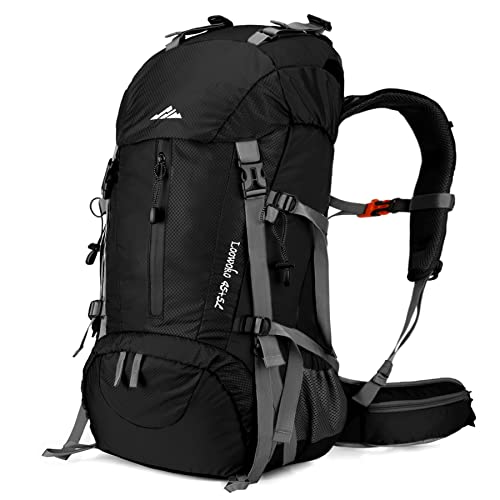
Cpmprehensive Upgraded Version - The Loowoko hiking travel backpack has been completely upgraded with better materials, stronger straps and more durable zippers, making it one of the most popular hiking daypack options for consumers.
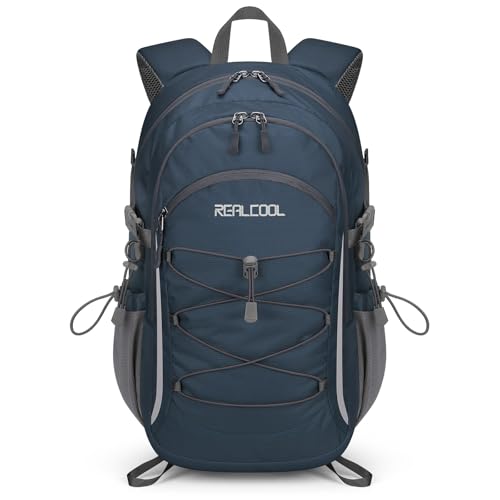
【Ergonomic and Comfortable Design】:This breathable backpack is engineered based on the natural movement patterns of the human back, conforming to muscle contours for superior comfort and ventilation. Its scientific weight distribution evenly disperses load across the entire pack, effectively alleviating muscle soreness caused by prolonged carrying.
Essential Accessories: Gloves, Socks, and Gaiters

Socks have a direct effect on foot comfort. Choose wool or synthetic hiking socks that fit without wrinkles and match the cushioning and height of your footwear. Brands such as Smartwool and Darn Tough make hiking-specific socks in different weights, but fabric, fit, and cushioning matter more than the label.
Moisture, friction, and pressure all contribute to blisters. Carrying a spare pair of dry socks can be useful on long hikes or routes with stream crossings. If you notice rubbing or a hot spot, stop early rather than waiting for it to become a blister.
Gloves become important in cool, windy, snowy, or abrasive environments. Insulated gloves or mittens help retain warmth in cold conditions, while lightweight gloves can protect your hands from sun, brush, rough rock, or trekking-pole friction.
Gaiters wrap around the lower leg and footwear to reduce the amount of dirt, gravel, mud, snow, and vegetation entering from above. Their value depends on conditions: lightweight gaiters work well for dust and debris, while taller waterproof models are better suited to snow or wet brush.
Protecting Yourself From Ticks and Mosquitoes
Clothing can also reduce exposure to biting insects. In brushy, grassy, or wooded areas, consider lightweight long sleeves, long pants, and closed footwear. Light-colored clothing can also make some ticks easier to spot.
The Centers for Disease Control and Prevention recommends EPA-registered insect repellents and notes that clothing, boots, and gear can be treated with products containing 0.5% permethrin when used according to label instructions.
Note: Permethrin products intended for clothing and gear should not be applied directly to your skin. Follow the specific product label and use an appropriate skin repellent separately when needed.
The Benefits of Quick-Drying Clothing
Quick-drying clothing is especially useful when you sweat heavily, encounter rain, cross water, or travel for several days with limited clothing. Nylon and polyester are commonly used because they absorb relatively little water and can dry much faster than heavy cotton fabrics.
Drying speed matters for both comfort and cold-weather safety. Wet clothing can draw heat from the body, particularly when wind picks up or your activity level falls. Quick-drying clothing does not eliminate the risk of hypothermia, but it makes moisture easier to manage when combined with spare layers, insulation, and a weather-resistant shell.
Many quick-drying hiking garments also include features such as stretch panels, venting, sun-protective fabric, or odor-control treatments. Choose features that match the trip rather than assuming one garment is ideal in every climate.
Considerations for Hiking in Different Weather Conditions
Hot Weather
In hot weather, use lightweight, breathable clothing that manages sweat and protects you from the sun. A loose-fitting long-sleeve sun shirt can sometimes provide better UV coverage than a tank top while still allowing airflow. Carry enough water for the route and conditions, and adjust your plans if extreme heat makes the hike unsafe.
Rain and Wind
For cool rain, combine quick-drying clothing with a waterproof outer shell. Rain pants may be worthwhile on exposed, windy, or sustained wet-weather hikes. Carrying dry socks and a protected insulating layer provides a backup if your primary clothing becomes soaked.
Cold Conditions
Cold-weather hiking calls for moisture-managing base layers, insulation, wind and precipitation protection, a warm hat, gloves, and footwear suitable for the temperature and terrain. Avoid starting so overdressed that you immediately soak your layers with sweat; adjust clothing as your effort changes.
Snow and Ice
Hard-packed snow and ice may require traction devices that attach to hiking footwear. Lighter traction devices can work on many icy walking trails, while more technical terrain can require specialized crampons, compatible boots, and the skills to use them safely. Deep, unconsolidated snow may call for snowshoes instead. Always use equipment appropriate to the actual route and current conditions.
Thunderstorms
A waterproof jacket does not protect you from lightning. Check the forecast before leaving and watch for changing conditions during the hike. The National Weather Service advises moving to a substantial building or hard-topped vehicle when thunder threatens and waiting at least 30 minutes after the last thunder before returning outside.
Warning: Clothing and equipment cannot make dangerous weather safe. Turn around when conditions exceed your experience, footwear, traction, insulation, visibility, or navigation capabilities.
What Not to Wear Hiking
There is no single banned clothing list, but several choices commonly create unnecessary problems on the trail:
- Cotton or heavy denim in cold or wet conditions: They hold moisture and can leave you chilled.
- Poorly fitting shoes: Tight toes, excessive heel movement, and pressure points can quickly become painful.
- Flip-flops or smooth-soled footwear on rough trails: They provide limited protection and traction.
- Restrictive clothing: Hiking pants and tops should let you climb steps, bend, and move without binding.
- Too much insulation while climbing: Excessive sweating can leave inner layers wet when you stop.
- No weather backup: Even a warm starting temperature may not reflect conditions later in the day or at higher elevation.
For broader outdoor trip planning, you may also find these existing site resources useful: the guide to a travel humidor for travelers who carry cigars, the guide to sleeping bags for backpacking, and the guide to travel fishing poles for trips that combine hiking with fishing.
Love travel? Join Our Facebook Community
Frequently Asked Questions
What should I wear when hiking?
Start with moisture-managing clothing, wool or synthetic socks, and hiking or trail footwear suited to the terrain. Add an insulating layer and waterproof shell when the forecast or elevation calls for them. Sun protection should include a hat, UV-protective sunglasses, and sunscreen when you will be exposed.
What type of socks should I wear when hiking?
Choose well-fitting merino-wool or synthetic hiking socks. Match the cushioning and height to your footwear and conditions. Avoid wrinkles and pressure points, and consider carrying a dry spare pair on long, wet, or cold hikes.
Should I wear a hat when hiking?
A hat is useful in many conditions. A wide-brimmed hat provides additional sun coverage in exposed terrain, while a warm beanie can help retain warmth in cold weather. For stronger sun protection, look for a hat with a verified UPF rating rather than assuming every hiking hat offers the same protection.
What type of outerwear should I bring when hiking?
Carry a waterproof, breathable shell when rain or strong wind is possible. In cooler conditions, add a fleece or insulated jacket underneath. The goal is to have separate layers you can add and remove instead of relying on one heavy garment.
What accessories should I bring when hiking?
Useful accessories include UV-protective sunglasses, a sun or warm hat, gloves when temperatures require them, gaiters for snow or debris, and a properly fitted backpack. Your pack should also carry trail essentials such as water, food, navigation, a first-aid kit, extra insulation, and appropriate emergency gear.
Do I need hiking boots, or are trail-running shoes enough?
You do not always need hiking boots. Trail-running shoes or hiking shoes can work well on maintained trails and for hikers who prefer lighter footwear. Sturdier boots become more useful when you want added protection, carry heavier loads, encounter rough terrain, or hike in certain cold, muddy, or snowy conditions.
Is cotton okay to wear hiking?
Cotton can feel comfortable in mild, low-risk conditions, but it absorbs moisture and dries slowly. For cold, wet, remote, or rapidly changing conditions, wool and synthetic hiking fabrics are generally safer choices because they manage moisture and dry more effectively.
Sources
- National Park Service — Hike Smart — footwear, clothing, hiking preparation, and essential gear.
- National Park Service — Hypothermia — wicking layers, avoiding moisture-retaining clothing, and cold-weather preparation.
- American Academy of Dermatology — How to Apply Sunscreen — SPF, broad-spectrum protection, water resistance, and reapplication.
- U.S. Food and Drug Administration — Sun and Sunglasses Safety — UV400 and 100% UV-protection guidance.
- Centers for Disease Control and Prevention — Preventing Tick Bites — clothing, repellents, and permethrin-treated gear.
- National Weather Service — Lightning Safety Outdoors — shelter and thunderstorm safety guidance.
