
Last Updated on July 27, 2026 by Daniel Globe
February is a good month to trade winter coats for beaches, rainforests, islands, or sunny desert trails. However, “warm” can mean anything from a mild 68°F afternoon in coastal California to tropical heat above 80°F in the Maldives or Caribbean. The best destination depends on whether you want reliable beach weather, outdoor adventure, cultural sightseeing, or lower travel costs.
Quick Answer
The Maldives, Thailand, Mexico’s tropical coasts, Costa Rica’s Pacific side, and much of the Caribbean offer some of February’s strongest beach weather. For U.S. travel, consider Hawaii, Puerto Rico, the U.S. Virgin Islands, South Florida, or the Florida Keys. Dubai, Phoenix, and Palm Springs are better for warm sightseeing than tropical swimming.
Key Takeaways
- Best for tropical beach weather: Maldives, Thailand, Caribbean islands, coastal Mexico, Hawaii, Puerto Rico, and the U.S. Virgin Islands.
- Best for nature and adventure: Costa Rica, Hawaii, and the deserts of Arizona and Southern California.
- Best for warm city sightseeing: Dubai, Miami, San Juan, Bangkok, and Mexico’s coastal cities.
- Most important weather caution: Fiji is warm in February, but the month falls within its wet and tropical-cyclone season.
- Plan for variation: Climate averages are not forecasts. Check the destination-specific outlook shortly before departure.
Disclosure: As an Amazon Associate I earn from qualifying purchases. Some links on this page are affiliate links, at no extra cost to you.
Best Warm-Weather Destinations in February at a Glance
| Destination | February Feel | Best For | Main Trade-Off |
| Caribbean | Tropical and often relatively dry | Beaches, snorkeling, sailing | Peak-season prices and island-to-island variation |
| Costa Rica | Dry on much of the Pacific side | Wildlife, beaches, rainforest adventure | Different rainfall patterns on the Caribbean side |
| Mexico | Warm on tropical coasts; cooler inland | Food, culture, beaches, ruins | Weather and safety conditions vary by region |
| Florida | Warmest in the far south and Keys | Easy U.S. beach getaway | Cold fronts can briefly lower temperatures |
| Thailand | Warm to hot with many good beach options | Food, islands, temples, nightlife | Heat increases as the month progresses |
| Maldives | Hot, sunny, and within the dry season | Luxury, diving, snorkeling, romance | High prices and additional island-transfer costs |
| Dubai | Warm days and cooler evenings | City attractions, desert trips, dining | Not as tropical as Southeast Asia or the Maldives |
| Fiji | Hot, humid, and wetter | Resorts, diving, cultural experiences | Cyclone-season and heavy-rain risk |
Warm air does not always mean warm ocean water. Choose Hawaii, the Caribbean, the Maldives, Thailand, or tropical Mexico when swimming is the main goal; choose Arizona, Dubai, or Southern California for comfortable sightseeing and hiking.
Caribbean Paradise: Beaches, Reefs, and Island Culture
The Caribbean includes dozens of islands and coastal destinations, each with its own weather, culture, entry rules, and travel costs. February often falls within a popular drier travel period for many islands, making it a strong month for beaches, sailing, snorkeling, and outdoor dining.
Bonaire is known for shore diving, while the Cayman Islands, Aruba, Curaçao, Puerto Rico, and the U.S. Virgin Islands offer combinations of beaches, reefs, historic districts, and watersports. Jamaica adds mountain scenery, music, and dishes such as jerk chicken. The Bahamas pairs clear water with boating, fishing, and conch-based cuisine.
Conditions are not identical across the region. Trade winds, rainfall, sea conditions, and water visibility can differ between islands and even between opposite coasts of the same island. Compare the exact island rather than relying on a single “Caribbean weather” description.
Pro Tip: Travelers who want to visit more than one island should compare ferry and flight schedules before booking hotels. Neighboring islands are not always connected by a convenient direct route.
Tropical Adventure: Explore Costa Rica in February
Costa Rica combines beaches, volcanoes, cloud forests, wildlife reserves, and rainforest adventures. February is generally part of the dry season on the Pacific side, which includes destinations such as Guanacaste, the Nicoya Peninsula, Manuel Antonio, and much of the Central Valley.
The Caribbean side follows a different rainfall pattern and does not have the same sharply defined dry season. The official Visit Costa Rica climate guide notes that regional conditions and elevation create several microclimates. A sunny Pacific beach forecast does not guarantee identical weather in Tortuguero, Limón, Monteverde, or a high-elevation volcano area.
Popular activities include guided wildlife walks, canopy zip-lining, waterfall hikes, surfing, birdwatching, rafting, and visits to national parks. Guided tours can be especially useful for spotting sloths, monkeys, toucans, frogs, and other animals that are easy to miss without a trained eye.
Note: Pack for elevation as well as latitude. A hot beach day can be followed by a cool, windy evening near Monteverde or a volcano.
Cultural Escape: Combine Mexico’s Warm Coasts with Food and History

Mexico’s size creates major climate differences. Cancún, the Riviera Maya, Cozumel, Puerto Vallarta, Los Cabos, Huatulco, and other coastal destinations can offer warm February days, while Mexico City and higher inland areas may have cool mornings and evenings.
The official Visit Mexico climate guide explains that tropical coasts, deserts, mountains, and central highlands have very different conditions. Select a region based on the experience you want rather than treating Mexico as one weather zone.
Beach travelers can combine swimming or snorkeling with archaeological sites and cenotes in the Yucatán Peninsula. Los Cabos is better suited to dramatic desert-meets-ocean scenery, boat trips, and resorts. Oaxaca, Puebla, and Mexico City offer deeper cultural and culinary trips, although they are not consistently tropical in February.
Regional food is a major reason to visit. Yucatán specialties include cochinita pibil, while Oaxaca is known for moles, tlayudas, and traditional markets. Coastal destinations add fresh seafood, ceviche, and grilled fish. Cooking classes and market tours can provide more context than a resort-only stay.
Beach Bliss: Choose the Right Part of Florida
Florida is one of the easiest warm-weather options for a February trip within the continental United States, but southern Florida is usually much warmer than the Panhandle or northern Atlantic coast. The Florida Keys and Miami area offer the strongest chance of warm afternoons, while Orlando can be pleasant but may have cool mornings.
| Florida Area | February Experience | Best Activities |
| Key West and the Lower Keys | Warmest Florida option, with normal February highs in the upper 70s | Snorkeling, boating, cycling, sunsets, historic sites |
| Miami and Fort Lauderdale | Warm urban beach weather with occasional cold fronts | Beaches, dining, art, nightlife, Everglades day trips |
| Southwest Gulf Coast | Mild to warm days with quieter beach communities | Shelling, kayaking, wildlife refuges, relaxed beach time |
| Orlando and Central Florida | Comfortable afternoons but cooler nights are possible | Theme parks, gardens, springs, family attractions |
Clearwater Beach is known for broad pale sand and a family-friendly setting, while Miami Beach combines ocean access with restaurants, nightlife, and Art Deco architecture. Sanibel and Captiva appeal to travelers interested in shells, cycling, and a slower pace.
February also falls within South Florida’s generally drier season. The National Park Service describes the Everglades’ November-to-April period as milder, less humid, and usually more comfortable for wildlife viewing and outdoor exploration.
Note: A Florida cold front can produce a few chilly or windy days. Pack a light jacket even when the long-range average appears warm.
Exotic Getaway: Thailand’s Beaches, Food, and Temples
Thailand is a strong February option for travelers who want warm weather, island scenery, street food, temples, and busy city experiences in one trip. The Tourism Authority of Thailand describes February as a transition from the cooler season toward hotter weather, with temperatures generally rising later in the month.
Bangkok offers markets, river trips, temples, shopping, and a large dining scene. Northern destinations such as Chiang Mai can have pleasant mornings, although air-quality conditions should be checked before travel. In the south, Phuket, Krabi, Railay, Koh Lanta, and islands in the Andaman Sea are popular for beaches, boat tours, limestone scenery, snorkeling, and diving.
Thai dishes vary by region. Visitors may encounter pad Thai, green curry, som tam, khao soi, grilled seafood, mango sticky rice, and numerous market snacks. A cooking class can help explain ingredients and techniques that are difficult to understand from a restaurant menu alone.
Pro Tip: Do not build an island itinerary around map distance alone. Ferry times, seasonal routes, and airport connections can turn a short-looking transfer into most of a travel day.
Island Retreat: Enjoy the Maldives Dry Season
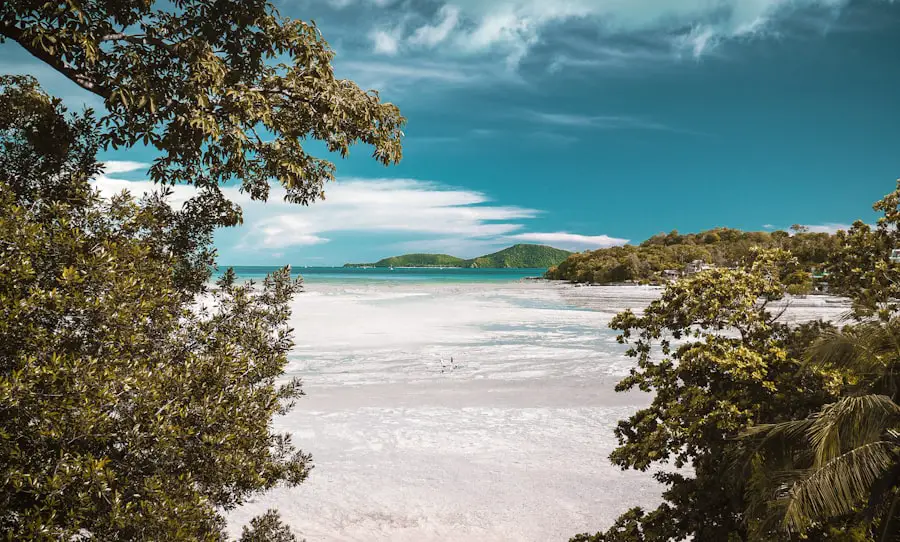
The Maldives is one of February’s strongest choices for travelers seeking hot weather, clear water, snorkeling, diving, and resort-based relaxation. According to the Maldives Meteorological Service, the northeast monsoon dry season normally extends from January through March.
Accommodation ranges from guesthouses on inhabited islands to private-island resorts with beach villas and overwater bungalows. Activities may include house-reef snorkeling, scuba diving, paddleboarding, fishing, dolphin cruises, spa treatments, and sandbank visits.
The resort price is only part of the travel cost. Many properties require a speedboat, domestic flight, or seaplane transfer from Malé. Transfer schedules may also affect which international arrival and departure times are practical.
Dry season does not mean rain is impossible. Tropical showers can still occur, and sea conditions vary between atolls. Check the short-range forecast and marine conditions before boat or diving excursions.
Desert Oasis: Visit Dubai in Comfortable February Weather
Dubai’s February weather is generally better suited to city sightseeing and desert activities than the extreme summer heat. Days are often warm, while evenings can feel cool enough for a light layer. The official Visit Dubai February guide provides current weather and event-planning information.
Popular attractions include the Burj Khalifa, Dubai Creek, traditional souks, modern shopping districts, museums, beaches, and restaurants representing cuisines from across the world. Visitors can also take a desert excursion for dune drives, sandboarding, wildlife-focused tours, or a meal at a desert camp.
Beach and pool time can be comfortable on sunny afternoons, but Dubai is not as consistently tropical as the Maldives, Thailand, or the Caribbean. Travelers focused entirely on hot water and all-day swimming may prefer one of those destinations.
Warning: Desert temperatures can change quickly after sunset. Carry water, sun protection, and an extra layer, and use a reputable operator for off-road excursions.
South Pacific Serenity: Visit Fiji with Weather Flexibility
Fiji offers coral reefs, island resorts, village visits, waterfalls, rainforest scenery, and warm South Pacific hospitality. February is hot and humid, so swimming, snorkeling, diving, and resort activities remain possible.
However, February falls within Fiji’s wet and tropical-cyclone season. The Fiji Meteorological Service identifies November through April as the regional cyclone season, with activity often peaking around January through March.
That does not mean every February trip will face a cyclone. It does mean visitors should allow more weather flexibility than they would for the Maldives or some Caribbean destinations. Heavy rain, rough seas, flooding, flight changes, and boat-transfer disruption are possible even when a cyclone does not pass directly over a resort.
Warning: Book flexible arrangements, review travel-insurance exclusions, and follow Fiji Meteorological Service notices during the wet season.
Best Warm Weather Destinations in the USA in February
Travelers who want to remain within the United States or its territories have several tropical, subtropical, coastal, and desert options. The warmest choices are generally Hawaii, Puerto Rico, the U.S. Virgin Islands, South Florida, and the Florida Keys.
Hawaii
Honolulu’s 1991–2020 normal February high is about 81°F, making Hawaii one of the most dependable warm U.S. options. Oahu combines beaches, food, museums, and city attractions. Maui, Kauai, and Hawaii Island add volcanic landscapes, hiking, waterfalls, snorkeling, and quieter resort areas.
February also falls within Hawaii’s humpback-whale season. Follow NOAA viewing guidance and maintain the legally required distance from marine wildlife. Rainfall varies greatly by island, elevation, and windward or leeward location.
Puerto Rico and the U.S. Virgin Islands
San Juan normally experiences February daytime temperatures in the low to mid-80s. Puerto Rico combines beaches with Old San Juan, El Yunque, bioluminescent bays, mountain towns, and a large food scene.
The U.S. Virgin Islands offer beaches, boating, and snorkeling on St. Thomas, St. John, and St. Croix. U.S. citizens generally have simpler travel-document requirements than they would for a foreign Caribbean country, but travelers should still verify identification rules, customs procedures, and requirements connected to any international stop.
Phoenix, Scottsdale, and Tucson
Arizona is better for desert hiking, golf, spas, gardens, and outdoor dining than for tropical beach weather. Phoenix’s normal February high is around the low 70s, but mornings and nights can be cool. Tucson provides access to Sonoran Desert scenery, Saguaro National Park, museums, and the annual gem-show season.
Palm Springs and the Southern California Desert
Palm Springs offers sunny desert scenery, pools, golf, mid-century architecture, and access to Joshua Tree National Park. Normal February afternoons are generally mild to warm, while nights are much cooler. High elevations inside nearby parks can also be colder and windier than the resort area.
San Diego
San Diego is mild rather than tropical. February is suitable for waterfront walks, museums, neighborhoods, gardens, zoos, and coastal hiking, but cool water and occasional rain make it less dependable for a traditional hot beach vacation.
South Padre Island and the Lower Texas Coast
South Texas can provide mild to warm February days, birdwatching, fishing, and long beaches. Cold fronts remain possible, and Gulf water may feel cool. This area works best for travelers seeking an affordable coastal break rather than guaranteed tropical swimming.
How to Choose the Right February Destination
Choose by Temperature
- Hot and tropical: Maldives, Thailand, Caribbean islands, tropical Mexico, Puerto Rico, U.S. Virgin Islands, and Hawaii.
- Warm but variable: South Florida, Costa Rica’s higher elevations, Dubai, and parts of coastal Mexico.
- Mild and sunny: Phoenix, Palm Springs, Tucson, San Diego, and South Texas.
Choose by Activity
- Swimming and snorkeling: Maldives, Caribbean, Thailand, Hawaii, or Mexico’s tropical coasts.
- Wildlife and rainforest: Costa Rica, Hawaii, Puerto Rico, or the Everglades.
- Food and culture: Mexico, Thailand, Puerto Rico, Dubai, or Jamaica.
- Desert hiking: Arizona, Palm Springs, Joshua Tree, or Dubai.
- Luxury resort stay: Maldives, Dubai, Fiji, Caribbean, or Hawaii.
Consider Crowds and Prices
February is peak season in many tropical destinations because travelers are escaping winter. Valentine’s Day, Presidents’ Day weekend, school holidays, Carnival celebrations, and major events can raise airfare and hotel prices. Book earlier when traveling to the Maldives, Caribbean, Hawaii, South Florida, or a destination hosting a major festival.
Check the Difference Between Climate and Forecast
A climate average describes what usually happens over many years. It does not predict the exact week of your vacation. Check an official seven-to-ten-day forecast shortly before departure and review marine forecasts when boating, snorkeling, or diving.
February Packing and Planning Tips
- Pack reef-conscious sun protection, sunglasses, a hat, and a reusable water bottle.
- Bring a light rain layer even during a destination’s dry season.
- Carry a sweater or light jacket for aircraft cabins, desert evenings, and higher elevations.
- Use insect repellent in tropical and rainforest destinations.
- Confirm passport validity, visa rules, onward-ticket requirements, and local entry procedures.
- Review travel insurance for weather delays, medical care, missed transfers, and named-storm exclusions.
- Reserve island transfers, national-park activities, and popular excursions in advance.
Useful gear may include organized luggage from this guide to the best travel gifts for women, secure travel pants with hidden pockets, and a suitable universal travel adapter for international trips.
Frequently Asked Questions
What are the warmest U.S. destinations to visit in February?
Hawaii, Puerto Rico, the U.S. Virgin Islands, the Florida Keys, and the Miami area are among the warmest U.S. or U.S.-territory options. Hawaii and the Caribbean territories generally offer more dependable tropical warmth than Arizona, California, or most of mainland Florida.
What activities can I enjoy in warm U.S. destinations in February?
Depending on the destination, February activities include beach outings, snorkeling, whale watching, kayaking, hiking, golf, wildlife viewing, outdoor dining, cultural tours, and festivals. Tropical destinations are better for swimming, while Arizona and Southern California are stronger for hiking and sightseeing.
What temperatures should I expect in warm U.S. destinations in February?
Normal daytime highs are around 80°F or higher in Honolulu and San Juan, in the upper 70s in Key West and Miami, near the low 70s in Phoenix and Palm Springs, and generally in the 60s in San Diego. Nights can be much cooler in desert and inland locations.
Are there festivals in warm U.S. destinations during February?
Yes. Depending on the year, options may include Mardi Gras events in New Orleans, the Tucson Gem, Mineral and Fossil Showcase, art festivals, food events, and the Miami International Boat Show. Dates and schedules change, so verify them on the official event website before booking.
Is February a good month to visit Fiji?
Fiji is warm in February, but it is not the most weather-reliable month. February falls within the wet and tropical-cyclone season, so heavy rain, rough seas, flooding, and transportation disruption are possible. Flexible bookings and suitable travel insurance are important.
Which February destination is best for a beach vacation?
The Maldives, Caribbean, Thailand, Hawaii, Puerto Rico, and tropical coasts of Mexico are strong choices when swimming and snorkeling are priorities. Florida can also work, especially in the Keys, but short cold fronts may produce cooler or windier beach days.
Sources
- NOAA National Centers for Environmental Information: U.S. Climate Normals — long-term U.S. temperature and precipitation averages.
- Visit Costa Rica: Climate — regional dry-season, rainy-season, and microclimate guidance.
- Visit Mexico: Climate — climate differences between Mexico’s tropical coasts, deserts, mountains, and central regions.
- Tourism Authority of Thailand: Thailand in February — February seasonal conditions and activity guidance.
- Maldives Meteorological Service: Climate — Maldives monsoon seasons, temperatures, rainfall, and sunshine.
- Fiji Meteorological Service: Tropical Cyclone Outlook — Fiji and South Pacific cyclone-season timing and risks.
