

Last Updated on July 27, 2026 by Daniel Globe
July is one of the busiest travel months in the Northern Hemisphere, so finding a truly crowd-free vacation takes more than choosing a destination that sounds remote. The better strategy is to favor lower-profile regions, spread-out landscapes, secondary park districts, and places where you can shift your schedule away from the busiest hours. Beaches, mountain towns, cultural cities, islands, rural areas, and adventure destinations can all work if you plan around each place’s real July conditions.
Quick Answer
July is peak season in many famous destinations, so “uncrowded” is relative. Better bets include lower-profile coastal areas, remote mountain regions, secondary national-park districts, and less famous islands or rural bases. Go early or late in the day, avoid holiday weekends, reserve limited-capacity services, and keep a backup plan.
Key Takeaways
- Do not assume a destination is quiet just because it is remote; Iceland, Alaska, Banff, Glacier, Acadia, and several other famous nature destinations are very busy in July.
- Look for quieter districts within popular regions, such as the Schoodic Peninsula in Acadia or less-used trail systems away from headline attractions.
- Remote mountain trips can offer more space, but they require stronger planning for snow, weather, wildlife, permits, and limited services.
- Cities and cultural destinations are not automatically low-crowd choices; major July festivals can make specific dates much busier.
- The most reliable crowd-avoidance tools are timing, reservations, flexible routing, and checking current road, trail, weather, and park conditions before you leave.
Disclosure: As an Amazon Associate I earn from qualifying purchases. Some links on this page are affiliate links, at no extra cost to you.
How to Find Less-Crowded Travel Destinations in July
There is no universal “quiet in July” list. School vacations, long daylight hours, warm weather, festivals, and open mountain roads make July a high-demand month in many places. Instead of judging a destination by reputation, compare its seasonal demand, access limits, weather, and how easily you can move away from the main sights.
| Trip style | July crowd reality | Better strategy |
|---|---|---|
| Coast | Popular beaches can fill quickly on warm weekends. | Choose long shorelines or smaller coastal towns and arrive outside midday. |
| Mountains | Access improves in July, which also increases hiking demand. | Use less-famous trailheads and check snow, fire, and permit conditions. |
| National parks | Many major U.S. parks are at or near peak season. | Use secondary districts, shuttles, early starts, and backup destinations. |
| Cities and festivals | Crowds can be highly date-specific. | Check event calendars before booking and stay outside the busiest core. |
| Remote islands | Visitor totals may be lower, but flights, ferries, rooms, and tours can have limited capacity. | Reserve transport and lodging early and avoid assuming “remote” means “available.” |
Pro Tip: When a famous attraction is on your list, plan the trip around the quietest usable hours rather than trying to make the whole destination “uncrowded.” Early mornings, late afternoons, weekdays, and secondary entrances often matter more than the destination name.
Coastal Retreats: Quieter Beach Options
The appeal of a coastal retreat is simple: open views, long walks, and a slower pace. Big Sur in California can deliver that feeling, but it is important to separate scenic from secluded. Pfeiffer Beach is one of Big Sur’s better-known coastal stops, while Sand Dollar Beach lies farther south. Sand Dollar is the largest sandy beach in the Big Sur area and a popular day-use stop, according to Recreation.gov. Its long shoreline can still feel spacious at the right time of day, especially compared with smaller pullouts and heavily photographed stops.
Sand Dollar Beach is framed by rugged coastal bluffs and is used for walking, surfing, fishing, and beachcombing. If you are driving Highway 1, check Caltrans road conditions before leaving because construction, slides, and one-way traffic controls can affect Big Sur travel with little notice.
Warning: A quiet-looking Pacific beach can still have dangerous surf, rip currents, sneaker waves, and unstable cliffs. Check local weather and surf alerts, stay back from cliff edges, and never treat low visitor numbers as a safety signal.
Farther east, Florida’s Cape San Blas area offers a different kind of coastal escape. T.H. Stone Memorial St. Joseph Peninsula State Park protects a long stretch of white-sand beach, dunes, bay habitat, and important wildlife areas. The park says it has 10 miles of white sandy beaches and habitat used by nesting shorebirds, sea turtles, and the endangered St. Andrews beach mouse.
That natural setting makes the peninsula appealing for swimming, shelling, fishing, paddling, wildlife watching, and long beach walks. Visitors may also see marine wildlife offshore, although sightings such as dolphins are never guaranteed. It also means visitors should stay out of marked nesting areas and follow beach-access rules. Cape San Blas can feel calmer than larger Panhandle resort centers, but summer weekends and holiday periods can still be busy, so lodging and campground reservations are worth making early.
Mountain Getaways: Exploring Remote Hiking Trails
Discovering the Wind River Range
Wyoming’s Wind River Range is a strong choice for travelers who want a more remote mountain experience than the headline national parks nearby. The range includes large wilderness areas, alpine lakes, high passes, and long backpacking routes. Titcomb Basin is one of the best-known destinations in the range, with dramatic granite peaks rising above a chain of alpine lakes.
Remote does not mean easy. Trailheads can be far from services, high-country snow can linger into summer, afternoon storms are possible, and wildlife precautions matter. The U.S. Forest Service notes that the Wind River area receives significant recreation use, especially in summer, so popular routes such as Titcomb Basin should not be sold as guaranteed solitude.
Exploring the Pacific Northwest
North Cascades National Park in Washington offers steep mountain scenery, glaciers, forests, and a large wilderness setting. It can feel far less developed than many major parks, but its best-known hikes still attract heavy demand. The National Park Service calls Cascade Pass the park’s most popular day hike and warns that it can be quite busy on summer weekends.
The trail to Cascade Pass is 3.7 miles one way with about 1,700 feet of elevation gain, climbing through forest and subalpine meadows to broad mountain views. Hikers continuing toward Sahale Glacier face a much more strenuous outing. Snow can remain on steep sections into July, and overnight stays require a backcountry permit. For a quieter experience, use ranger advice and current trail reports to choose less-used routes rather than assuming Cascade Pass itself will be empty.
Finding Solace Without Underestimating Risk
Mountain travel can provide the quiet and reflection many people want from a July escape, but the best experience comes from matching the route to your skills and conditions. Start early, carry navigation and weather layers, know whether food-storage rules apply, and turn around when snow, storms, heat, smoke, or fatigue make the plan unsafe.
In July, the quietest mountain experience is often one trail junction away from the famous viewpoint—but only when the alternate route is open, legal, and within your ability.
Off-the-Beaten-Path Cities: Uncovering Hidden Gems

Not every quieter July trip needs to be a wilderness expedition. Asheville, North Carolina, combines Blue Ridge Mountain access with galleries, music, craft breweries, farm-to-table restaurants, and historic architecture. Its compact downtown is easy to explore on foot, while nearby mountain drives and trails make it possible to split a trip between city time and nature.
The Biltmore Estate remains one of Asheville’s best-known attractions. Biltmore identifies its 175,000-square-foot, 250-room house as America’s largest privately owned home. That makes it a major visitor draw rather than a hidden attraction, so timed admission and an early plan are more realistic crowd-avoidance tools than expecting an empty estate.
Santa Fe, New Mexico, offers a different mix of Pueblo and Spanish colonial history, adobe architecture, art, food, and high-desert scenery. The historic Plaza, local galleries, and the Georgia O’Keeffe Museum can anchor a cultural day, while the Sangre de Cristo Mountains provide hiking opportunities nearby. Natural hot-spring outings are also possible in the broader northern New Mexico region, although access, reservations, and driving time vary by site.
Santa Fe’s artistic identity makes it a strong cultural alternative to larger U.S. cities, but July is still an active travel month. Check event calendars and lodging availability before assuming a specific weekend will be quiet.
National Park Adventures: Finding Solitude in Nature
| Activity | Location | July reality | Better crowd strategy |
|---|---|---|---|
| Hiking | Yellowstone National Park | July is one of the busiest months. | Enter early, avoid headline sights from late morning through afternoon, and use longer trails where appropriate. |
| Camping | Yosemite National Park | Summer camping demand is high and reservations matter. | Reserve before arrival and consider less-central areas rather than relying on a same-day campsite. |
| Wildlife Watching | Grand Teton National Park | Wildlife sightings can create roadside congestion. | Use pullouts legally, give wildlife space, and try dawn or evening. |
| Photography | Great Smoky Mountains National Park | Popular overlooks and waterfall areas can be busy. | Use early light, secondary trails, and legal pullouts instead of stopping in traffic lanes. |
Glacier National Park in Montana has dramatic peaks, lakes, and wildlife, but it is not a reliable “avoid the crowds in July” recommendation. The National Park Service says May through September is the busiest part of the year and that July and August are especially busy. Grinnell Glacier and the Highline Trail are among the park’s most popular hikes, not lesser-known alternatives.
Grinnell Glacier is still a rewarding hike when open, with views of lakes, cliffs, and glacier-carved terrain. The right advice is to check trail status, start with realistic parking and shuttle expectations, and have backup hikes ready. For summer 2026, Glacier is piloting ticketed shuttles to Logan Pass, private-vehicle parking at Logan Pass is limited to three hours beginning July 1, and the park says vehicle reservations are not required anywhere in Glacier in 2026.
Acadia National Park in Maine also requires realistic expectations. The park says peak visitor season typically runs from June into September, and parking at places such as Jordan Pond, Sand Beach, and other popular areas can fill early. Cadillac Summit Road requires a vehicle reservation from late May into mid-October.
That does not mean solitude is impossible. The Schoodic Peninsula can provide a different experience from the busiest parts of Mount Desert Island, and the park specifically encourages visitors to explore Acadia in new ways, use the Island Explorer shuttle, and shift activities outside peak hours. Jordan Pond is beautiful, but it should not be described as a hidden or reliably quiet stop in July. Paddling on appropriate waters or hiking quieter woodland routes can also provide a different experience from the busiest roadside attractions.
Note: National-park entry, shuttle, parking, trail, camping, and reservation rules can change by year. Check the official park page shortly before your trip instead of relying on an older itinerary.
Cultural Immersion: Embracing Authentic Experiences
Travel is not only about scenery. Festivals, markets, museums, food, and local traditions can create a deeper sense of place—but they can also create crowds. Kyoto’s Gion Matsuri is a good example. The Kyoto City Official Travel Guide says the festival runs from July 1 through July 31, with major float processions on July 17 and July 24.
Those dates are ideal for travelers who want ceremony, history, traditional performances, decorated floats, and energy, not for travelers whose only goal is avoiding people. A lower-stress approach is to stay outside the busiest procession corridors, use public transportation thoughtfully, and visit major sights at less popular hours. Engaging respectfully with residents, craftspeople, and local traditions can create stronger memories than rushing through a checklist of attractions.
Food can be another route into local culture. Bangkok’s Chatuchak area offers markets, prepared foods, shopping, and a chance to see everyday food culture in a busy city setting. Depending on the vendor, visitors may find Thai favorites such as green papaya salad and mango sticky rice. In Oaxaca, Mexico, a cooking class can add context to dishes such as mole and tamales by connecting ingredients, techniques, and local history. These experiences are strongest when they are treated as cultural learning rather than as proof that a destination is “undiscovered.”
Island Escapes: Relaxing in Tranquil Tropical Paradises
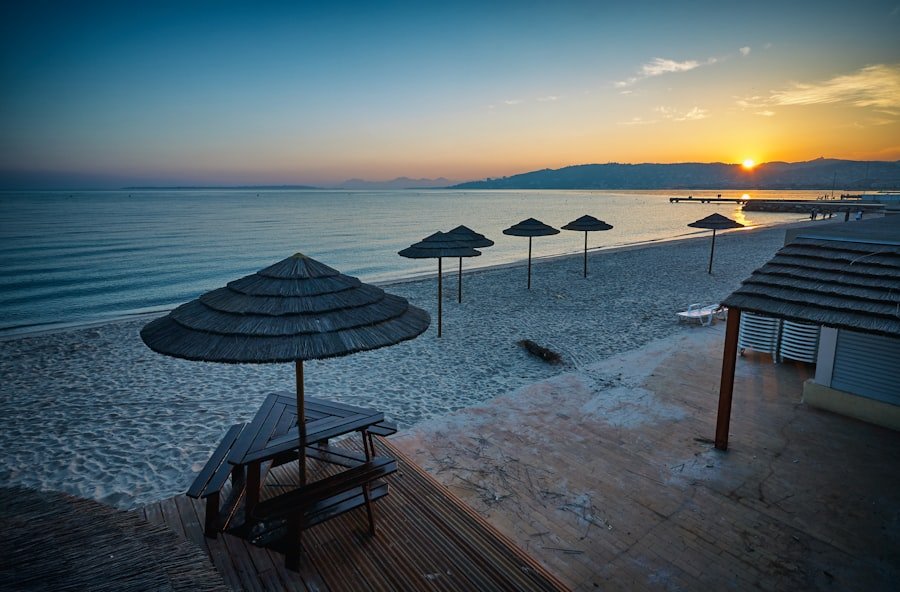
The Maldives remains a classic tropical escape, with coral reefs, clear water, snorkeling, diving, beaches, and resorts that may include overwater villas spread across many islands. Maafushi offers a local-island experience with guesthouses, excursions, and water activities, but it should not be described as automatically secluded. The island has an established tourism industry, so the feel depends on where you stay, what excursions you choose, and the time of day.
Snorkeling among reef fish or spending a quiet afternoon on the beach can still provide the slower experience travelers associate with the Maldives. The key is choosing an island and property that match the trip you actually want rather than assuming the entire country offers the same level of privacy.
Greece offers a very different island experience. Santorini is famous for cliffside villages and caldera views, but July is part of its high summer season. Travelers who want a different pace can look at Naxos or Milos. Naxos combines beaches, villages, agriculture, and ancient sites; Milos is known for volcanic rock formations, coves, swimming, snorkeling, and boat trips.
These islands may distribute visitors differently from Santorini, but they are still summer destinations. Book ferries and lodging early, avoid calling any popular Greek island “crowd-free,” and consider staying outside the busiest port towns.
Rural Rendezvous: Embracing the Peaceful Countryside
Rural areas can be easier places to slow down because attractions are spread across villages, farms, walking routes, and small towns rather than concentrated in one landmark. Tuscany is a classic example. Pienza and Montepulciano offer historic centers, countryside views, local food, and nearby wine country surrounded by rolling hills, vineyards, and olive groves.
That said, Tuscany is not undiscovered in July. The quieter approach is to sleep in a smaller town or agriturismo, visit famous hill towns early, and spend part of the day on country roads, local walks, or prebooked tastings instead of moving from one headline town to another at midday. The slower rhythm also gives travelers more opportunity to notice local food, farming, and traditional craftsmanship.
England’s Cotswolds offer another rural option, with stone villages, gardens, footpaths, pubs, and long-distance walking. Bourton-on-the-Water and Stow-on-the-Wold are well known and can be busy, so travelers seeking more peace should use them as short stops rather than assuming they represent the quietest side of the region. Sections of the Cotswold Way and smaller villages can provide a slower experience, with countryside walks, traditional tearooms, and views across grazing land.
Adventure Expeditions: Seeking Thrills in Remote Locations
Remote adventure travel requires the most careful distinction between “fewer people” and “good conditions.” Chilean Patagonia is a prime example. Torres del Paine National Park is spectacular, but July is winter in southern Chile. For July 2026, Chile’s National Forest Corporation, CONAF, announced that the W Circuit would remain closed during June and July because minimum safe operating conditions could not be guaranteed; Base Torres remained available only under specified winter conditions with accredited guides.
Warning: Do not choose Patagonia in July simply because winter may mean fewer visitors. Snow, short daylight, reduced services, closed routes, guide requirements, and changing weather can remove the very activities you traveled for. Check current CONAF rules before booking trekking plans.
When conditions and regulations allow, Patagonia offers hiking, wildlife viewing, photography, kayaking, and climbing in a dramatic landscape of mountains, lakes, steppe, and glaciers. The correct July plan is a winter-specific itinerary, not a standard summer trekking schedule moved to a quieter month.
Borneo offers a tropical form of remote adventure. Rainforest areas such as Danum Valley in Sabah are known for exceptional biodiversity and guided wildlife experiences. Travelers may encounter orangutans, elephants, primates, birds, and other rainforest species, but sightings are never guaranteed. Guided walks, canopy experiences, river trips, and cave excursions can provide adventure while also supporting safer travel in a complex ecosystem. Elsewhere in Borneo, some cave sites also preserve important archaeological and cultural history, so access rules and local guidance matter.
In both Patagonia and Borneo, remoteness increases the importance of reputable guides, weather planning, medical preparation, transport buffers, and conservation rules. Adventure feels more meaningful when it is not built on unrealistic promises of emptiness.
Frequently Asked Questions
What are some good travel destinations to visit in July if I want fewer crowds?
Look for lower-profile areas within larger regions rather than expecting famous summer destinations to be empty. Examples include Cape San Blas instead of a large Panhandle resort center, secondary districts such as Schoodic in Acadia, remote mountain trail systems away from headline hikes, smaller rural bases in Tuscany or the Cotswolds, and islands where visitors are spread across several towns. Always check local July demand before booking.
Are Iceland, Alaska, and the Canadian Rockies less crowded in July?
Not generally. Visit Iceland says most tourists travel there between June and August, Travel Alaska describes July as peak season, and Parks Canada data show Banff and the Lake Louise area peaking in July and August. These places can still be excellent July trips, but they should be planned as popular high-season destinations.
What activities work well on a quieter July trip?
Good options include beach walks, paddling, hiking on less-used routes, wildlife watching at dawn or dusk, small-city museums and food experiences, rural walking, cycling, and guided nature trips. The best activity depends on local weather, fire or storm risk, wildlife rules, trail conditions, and seasonal access.
Are the Faroe Islands, Greenland, and Patagonia good low-crowd choices in July?
They can offer a different scale of travel, but each needs a caveat. July is lively and event-heavy in the Faroe Islands, Greenland’s short summer brings higher demand for limited transport and tours, and July is winter in Patagonia with reduced services and possible trail restrictions. Choose them for their seasonal experience, not because “remote” guarantees an empty trip.
How can I avoid crowds at U.S. national parks in July?
Use official park crowd guidance, enter early or visit major sights later in the day, use shuttles where available, explore secondary districts, reserve lodging and camping in advance, and keep at least one backup destination. Do not park illegally or wait in a full lot; move to your backup plan and return later.
What should travelers check before visiting a less-crowded destination in July?
Check current weather, wildfire or storm alerts, road and trail status, park or entry reservations, ferry and flight capacity, lodging, local festival dates, wildlife guidance, and any seasonal closures. Remote destinations often have fewer backup services, so reserve essential transport and accommodation before arrival.
Sources
- National Park Service — Glacier: Tips for Dealing With Crowds — supports Glacier’s peak-summer crowd guidance.
- National Park Service — Acadia: Avoiding Crowds at Peak Season — supports Acadia crowd, parking, timing, and shuttle guidance.
- Parks Canada — Lake Louise Visitor Use Management Data — supports July and August peak visitation in Banff and Lake Louise.
- Travel Alaska — Alaska Weather by Month — supports July being peak travel season in Alaska.
- Visit Iceland — Iceland in the Midseasons — supports summer as Iceland’s most popular travel period.
- CONAF — Torres del Paine winter access notice — supports the June–July 2026 W Circuit closure and winter restrictions.

