
Last Updated on July 28, 2026 by Daniel Globe
Luxury travel is most rewarding when the destination matches the way you actually want to spend your time. A private island may be perfect for a quiet honeymoon, while Paris or Tuscany may offer better value for travelers who care more about art, food, and local culture than total seclusion.
The six destinations below represent different styles of high-end travel: tropical privacy in the Maldives and Bora Bora, Mediterranean glamour on the French Riviera, modern spectacle in Dubai, urban refinement in Paris, and slow countryside living in Tuscany. Comparing their seasons, logistics, atmosphere, and hidden costs will help you choose a trip that feels special rather than simply expensive.
Quick Answer
The best luxury travel destination depends on your priorities. Choose the Maldives or Bora Bora for private-island relaxation, the French Riviera for coastal glamour, Dubai for modern resorts and shopping, Paris for art and dining, or Tuscany for private villas, wine country, and a slower cultural escape.
Key Takeaways
- The Maldives and Bora Bora provide the greatest privacy, but long transfers, weather, and resort meal prices can raise the total cost.
- The French Riviera blends beaches, yachts, dining, nightlife, and major events, with the largest crowds during summer and festival dates.
- Dubai offers striking hotels, desert experiences, shopping, and warm winter weather, but travelers must review the current regional security advisory before booking.
- Paris is best for travelers who value museums, fashion, dining, and walkable neighborhoods more than resort-style seclusion.
- Tuscany rewards a slower itinerary built around a well-located villa, countryside transport, private guides, wineries, and historic towns.
Disclosure: As an Amazon Associate I earn from qualifying purchases. Some links on this page are affiliate links, at no extra cost to you.
How to Choose the Right Luxury Travel Destination
A luxury trip should remove friction and create access that would be difficult to arrange on your own. That may mean a villa with direct lagoon access, a hotel within walking distance of major museums, a skilled local guide, a private transfer after a long flight, or enough space and privacy for a multigenerational family.
Start by deciding which two benefits matter most: privacy, food, culture, beach time, nightlife, wellness, adventure, or easy logistics. Spending more does not guarantee a better trip when the destination’s climate, pace, and location do not match your interests.
| Destination | Best For | Best Months | Suggested Stay | Relative Cost | Main Trade-Off |
|---|---|---|---|---|---|
| Maldives | Honeymoons, privacy, diving, spa stays | December–April | 5–7 nights | Very high | Resort meals and island transfers add cost |
| French Riviera | Nightlife, yachts, beaches, events | May–June and September–October | 4–7 nights | High to very high | Peak-season traffic, crowds, and event pricing |
| Dubai | Modern hotels, shopping, families, winter sun | November–April | 4–6 nights | High | Extreme summer heat and changing regional risks |
| Bora Bora | Romance, lagoons, quiet resort stays | May–October | 4–6 nights | Very high | Long journey and limited off-resort choices |
| Paris | Art, dining, fashion, architecture | April–June and September–October | 4–7 nights | High | Crowds and reservations required for top experiences |
| Tuscany | Wine, villas, food, history, slow travel | May–June and September–October | 6–10 nights | High | A car or hired driver is often needed in the countryside |
Note: “Luxury” prices change sharply by season, room category, exchange rate, event calendar, meal plan, and cancellation policy. Compare the full trip price rather than the advertised nightly room rate.
The Maldives: Private-Island Luxury and Overwater Villas
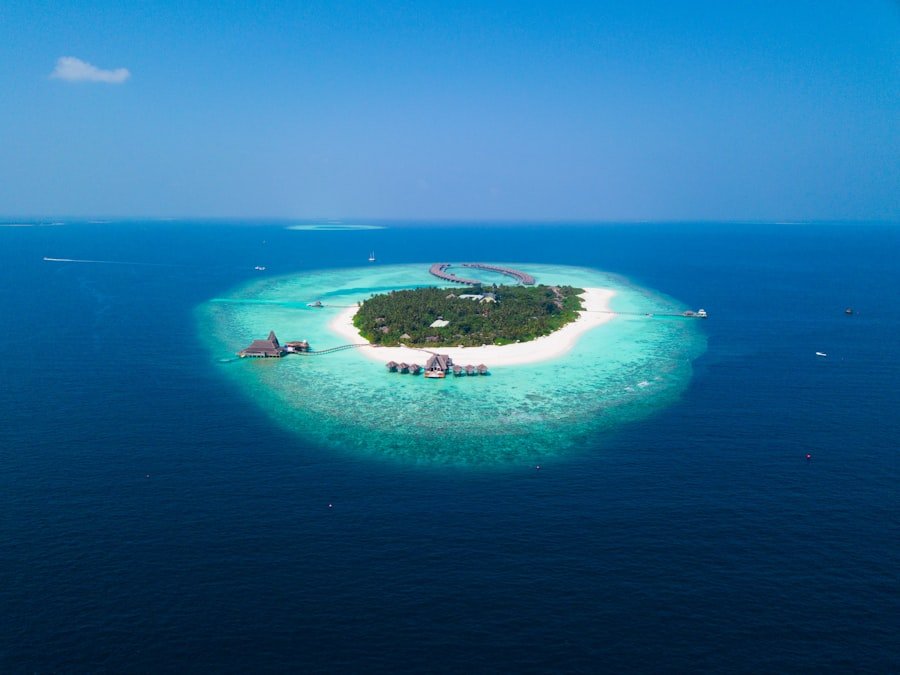
The Maldives is one of the clearest examples of resort-centered luxury. Many properties occupy their own islands and offer beach villas, overwater villas, private pools, house reefs, spas, and restaurants within a single resort. The official Visit Maldives resort directory shows how widely the experience varies, from intimate boutique islands to large family resorts.
An overwater villa provides direct access to the lagoon at many properties, but the most expensive room is not automatically the best choice. Beach villas may offer more shade, greater outdoor space, calmer access for children, and better protection from wind. Before booking, compare privacy, reef access, sunset or sunrise orientation, water depth, and walking distance to restaurants.
Best Time to Visit the Maldives
The Maldives has a tropical climate throughout the year. According to the official Maldives travel information page, the northeast-monsoon period from roughly November through April is generally sunnier, while the southwest monsoon brings a greater chance of rain and wind. Lower-season travel can cost less, but weather-sensitive boat, diving, and seaplane plans need flexibility.
Transfers and Hidden Costs
Your international flight usually reaches Velana International Airport near Malé. From there, the resort may require a speedboat, domestic flight, seaplane, or a combination of transfers. These transfers may cost hundreds of dollars per person and can be limited by daylight, weather, or airline arrival time.
- Confirm whether transfers are included in the room package.
- Ask whether a late international arrival requires an overnight stay near Malé.
- Compare breakfast, half-board, full-board, and all-inclusive plans.
- Review taxes, service charges, activity fees, and cancellation terms.
- Choose a resort with a house reef if frequent snorkeling is a priority.
Pro Tip: Match your international arrival to the resort-transfer schedule before buying a nonrefundable flight. A lower airfare is not a bargain if it forces an extra hotel night or a private transfer.
Private yacht trips, guided diving, sandbank picnics, spa treatments, and in-villa dining can make the stay memorable. Choose wildlife operators that keep a respectful distance from marine life and never promise touching, chasing, or guaranteed encounters.
Exploring the French Riviera: Glamour, Beaches, and Culture
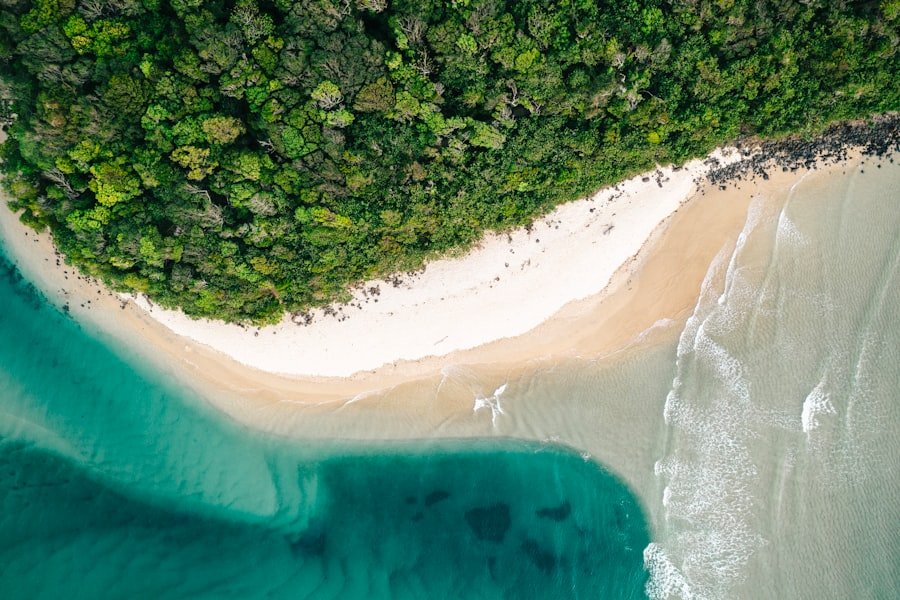
The French Riviera, or Côte d’Azur, combines Mediterranean beaches with old towns, designer shopping, marinas, art museums, restaurants, and nightlife. Explore France’s official Côte d’Azur guide covers the region’s coastal cities, villages, gardens, festivals, and cultural attractions.
Nice, Cannes, and Saint-Tropez offer different versions of Riviera luxury. Nice works well as a connected cultural base. Cannes combines beaches, shopping, dining, and major events. Saint-Tropez favors beach clubs, yachts, nightlife, and a village atmosphere.
When to Go and Where to Stay
May, June, September, and early October often provide a better balance of warm weather and manageable crowds than the peak weeks of July and August. Travelers seeking nightlife and a busy social scene may prefer midsummer, while those who value quieter coastal walks and easier reservations should consider the shoulder seasons.
Stay in Nice for museums, restaurants, rail connections, and a wider range of hotels. Choose Cannes for polished beachfront access and events. Base yourself near Saint-Tropez for clubs, villas, and yacht-focused travel, but expect slower road access during busy periods.
The Festival de Cannes creates exceptional energy, but it also brings restricted venues, traffic, private events, and very high accommodation demand. Travelers who are not attending the festival may find better value on different dates.
The culinary scene includes numerous restaurants recognized by the MICHELIN Guide for Provence-Alpes-Côte d’Azur. Reserve destination restaurants, popular beach clubs, and private boats well ahead of peak-season travel.
Experiencing Dubai: Modern Luxury in the Desert
| Aspect | Verified Detail |
|---|---|
| International Overnight Visitors | 19.59 million in 2025 |
| Hotel Rooms | 153,534 at the end of April 2025 |
| Burj Khalifa | The world’s tallest building at 828 meters |
| Most Comfortable Outdoor Season | Generally November through April |
| Planning Priority | Check the current travel advisory and regional conditions before booking |
Warning: As of July 28, 2026, the U.S. Department of State lists the United Arab Emirates at Level 3: Reconsider Travel due to armed-conflict and terrorism risks. Conditions can change, so review the current UAE travel advisory before paying for flights, hotels, or nonrefundable activities.
Dubai combines beach resorts, landmark hotels, large shopping centers, fine dining, entertainment, and desert excursions. Its scale is supported by official tourism figures: the Dubai Department of Economy and Tourism recorded 19.59 million international overnight visitors in 2025.
The Burj Khalifa remains the world’s tallest building at 828 meters, according to Guinness World Records. Luxury travelers can combine a reserved observation-deck visit with high-end shopping, a hotel beach club, a traditional souk, or a private dining experience.
Dubai welcomed 19.59 million international overnight visitors in 2025, reflecting the city’s scale as a global hotel, dining, shopping, and entertainment destination.
The desert surrounding Dubai provides a different style of luxury. Private or small-group safaris may include dune drives, conservation areas, falconry demonstrations, sunset meals, or overnight stays. Choose licensed operators, ask how wildlife and dunes are protected, and avoid activities that depend on unsafe driving or exploitative animal handling.
Dubai is most comfortable for outdoor sightseeing from late fall through early spring. The official Visit Dubai weather guide identifies January as typically the coolest month. Summer hotel offers can be attractive, but extreme heat may limit beaches, walking, and desert activities.
Local laws and social expectations differ from those in the United States. Review rules concerning medication, alcohol, public conduct, photography, social media, and prohibited items before departure.
Unwinding in Bora Bora: Lagoon Views and Quiet Romance
Bora Bora is known for its blue lagoon, coral reef, Mount Otemanu, and overwater accommodations. The official Tahiti Tourisme guide to Bora Bora highlights lagoon cruises, diving, kayaking, paddleboarding, hiking, fishing, and trips to neighboring islands.
Overwater bungalows offer immediate access to the water and uninterrupted views, but room position matters. Ask whether the villa faces Mount Otemanu, open water, sunrise, sunset, or another row of bungalows. Also check ladder depth, current, wind exposure, air conditioning, and the distance to resort facilities.
Best Time to Visit Bora Bora
May through October is generally the drier, cooler period, while November through April is warmer and more humid with a greater chance of showers. April and November can provide a useful balance between weather, availability, and price, although no tropical season guarantees clear skies.
Plan the Full Journey
Most international travelers first fly to Tahiti, continue on an inter-island flight to Bora Bora, and then take a boat transfer to their resort. A short Bora Bora stay can feel rushed after such a long journey, so many travelers combine four to six nights there with several nights on Tahiti, Moorea, Taha’a, or another island.
Guided lagoon tours may provide opportunities to see rays, sharks, coral, and tropical fish, but wildlife sightings are never guaranteed. Use operators that explain local rules, avoid touching coral, limit crowding, and do not pressure guests to handle or chase animals.
Indulging in Paris: Art, Fashion, Hotels, and Dining
Paris offers urban luxury through location, history, service, food, fashion, and access to art. Palace hotels and celebrated properties such as Ritz Paris and Le Meurice are part of the city’s appeal, but smaller five-star and boutique hotels may offer a quieter atmosphere or a neighborhood that better suits your plans.
Choose a hotel based on what you want to walk to rather than reputation alone. The 1st and 8th arrondissements work well for major monuments, designer shopping, and formal hotels. Saint-Germain-des-Prés suits cafés, galleries, and the Left Bank. Le Marais combines historic streets, museums, boutiques, and nightlife.
Reserve the Experiences That Matter Most
High-demand museums and exhibitions can require timed reservations. Check the official Louvre visitor information before arrival rather than depending on a flexible concierge request at the last minute.
Paris also has a deep selection of restaurants recognized by the MICHELIN Guide. Reserve only the meals that matter most and leave space for markets, bakeries, neighborhood cafés, and spontaneous discoveries.
Private museum guides, fashion appointments, Seine cruises, chauffeur services, and after-hours cultural experiences can add value when they save time or deepen your understanding. A packed schedule, however, can make even an expensive trip feel rushed.
Discovering Tuscany: Villas, Wine, and the Italian Countryside
Tuscany combines countryside landscapes, historic cities, wineries, thermal spas, farm estates, art, and regional cooking. Luxury accommodations range from restored villas and castles to small hotels and working estates, each offering a different level of privacy and service.
Florence is the strongest base for major museums, architecture, shopping, and restaurants. Siena, Val d’Orcia, Chianti, and the countryside near San Gimignano suit travelers who want vineyards, hill towns, scenic drives, and a slower rhythm. The official Visit Tuscany website provides regional planning, seasonal ideas, routes, and event information.
Best Time to Visit Tuscany
Late spring and early fall often provide the best balance of comfortable weather, countryside color, and manageable crowds. September can combine milder conditions with grape-harvest activity, while autumn brings truffles, mushrooms, chestnuts, and changing foliage. The official tourism board’s seasonal Tuscany guide explains the appeal of each part of the year.
Transportation and Private Experiences
A rental car or hired driver is usually valuable outside Florence and other rail-connected cities. Countryside hotels may be separated by narrow roads, limited taxi service, and long distances. Ask whether your accommodation provides transfers and whether local restaurants are within walking distance.
Private winery visits, market tours, cooking classes, museum guides, and artisan workshops can create a more personal trip. Confirm whether wine tastings include transportation and whether a “private tour” means exclusive use of the guide or simply a small group.
What Does a Luxury Vacation Really Cost?
The nightly room rate is only one part of the budget. A remote island property may have a lower advertised rate than a Paris palace hotel but become more expensive after seaplane transfers, mandatory meal plans, beverages, taxes, and activities are added.
Build your estimate around these categories:
- International and regional flights: Include premium-cabin fares, baggage, lounge access, and change fees.
- Accommodation: Compare taxes, service charges, resort fees, deposits, and minimum stays.
- Transfers: Add boats, seaplanes, private cars, inter-island flights, or countryside drivers.
- Meals: Resort islands provide few outside alternatives, while Paris and Tuscany allow more flexibility.
- Experiences: Private guides, yachts, spa treatments, diving, tastings, and event tickets can exceed the room cost.
- Insurance: Review cancellation, interruption, medical care, evacuation, delay, and weather coverage.
- Contingency: Keep room in the budget for schedule changes, gratuities, exchange-rate movement, and missed connections.
Some elite suites, villas, and event-period hotel rooms cost thousands of dollars per night. That does not mean every part of the trip must be ultra-expensive. Many travelers receive more value by choosing a well-located standard room and spending on one excellent guide, transfer, restaurant, or private excursion.
Luxury Travel Booking Checklist
- Choose the experience first. Decide whether privacy, culture, food, wellness, family facilities, or nightlife matters most.
- Check the season. Review rain, heat, wind, daylight, marine conditions, events, and crowd levels.
- Map every transfer. Confirm airport, boat, seaplane, rail, and driving connections before booking flights.
- Request the full price. Include taxes, service charges, resort fees, meal plans, transfers, and mandatory extras.
- Read cancellation terms. Note deposit dates, refund deadlines, weather policies, and change penalties.
- Review entry and safety information. Check passport validity, visa rules, medication restrictions, local laws, and current advisories.
- Reserve scarce experiences. Book major museums, restaurants, guides, boats, and festival-period services early.
- Protect the trip. Compare insurance with enough coverage for the nonrefundable amount and possible medical evacuation.
Pro Tip: Ask the hotel or travel advisor to place every confirmed service, transfer, meal-plan inclusion, cancellation deadline, and emergency contact in one written itinerary. Luxury service is most valuable when the logistics are clear before departure.
Small Comforts That Improve a Long Trip
A reliable power bank can help during flight delays, long transfers, and full sightseeing days, provided it meets the airline’s battery rules and remains in carry-on baggage. Light sleepers may also benefit from a portable white noise machine for travel. Review accommodation terms and conditions before packing special equipment or requesting room changes.
Responsible Luxury Travel
Luxury and responsible travel are not opposites. A high-end property can still waste water, damage reefs, crowd wildlife, or isolate visitors from the local community. Look beyond broad sustainability slogans and ask specific questions.
- Does the resort treat wastewater and reduce single-use plastic?
- Are reef, diving, and wildlife guides trained in low-impact practices?
- Does the property employ and train local residents?
- Are food, crafts, and excursions sourced from local businesses where possible?
- Are animal encounters based on observation rather than touching, feeding, or performing?
- Can housekeeping, linen changes, and private transfers be adjusted to reduce unnecessary resource use?
In marine destinations, never stand on coral, collect shells from protected areas, chase wildlife, or leave waste on beaches. Follow local guides and posted conservation rules even when a private excursion promises greater flexibility.
The Ultimate Luxury Travel Destination for Your Next Getaway
The right destination is the one where the setting, service, timing, and logistics support the trip you want. The Maldives and Bora Bora excel at privacy and lagoon-centered relaxation. The French Riviera delivers social energy and coastal glamour. Dubai combines ambitious modern attractions with desert experiences. Paris rewards curiosity about art, food, and fashion, while Tuscany offers a slower connection to landscape, history, and regional culture.
Meaningful luxury is not simply a higher room rate. It is the right setting, thoughtful service, smooth logistics, and enough time to enjoy the experience without rushing.
Compare the complete cost, check current travel guidance, and spend on the details that will genuinely change your trip. A private transfer after a long flight, an expert museum guide, a villa in the right location, or an extra unscheduled day may create more value than the most expensive available room.
Frequently Asked Questions
What are luxury destinations for travelers?
Luxury destinations offer a strong combination of setting, service, comfort, privacy, access, and personalized experiences. They may include remote resorts, private villas, palace hotels, small countryside estates, or well-located urban properties. A destination does not need to be isolated or excessively formal to provide a high-end experience.
What are some popular luxury travel destinations?
Popular options include the Maldives, Bora Bora, the French Riviera, Dubai, Paris, Tuscany, Santorini, the Amalfi Coast, the Seychelles, Japan, and high-end safari regions in Africa. The best choice depends on season, flight access, desired activities, travel time, and whether you prefer a resort, city, coast, or countryside experience.
What types of accommodations are available at luxury destinations?
Choices include five-star hotels, palace hotels, private villas, overwater bungalows, resort residences, historic estates, castles, luxury lodges, staffed apartments, and small boutique properties. Compare location, privacy, service, included meals, transfer arrangements, and cancellation terms rather than relying on the star rating alone.
What amenities can travelers expect at luxury destinations?
Amenities may include concierge or butler service, private pools, spas, destination restaurants, airport transfers, beach access, children’s programs, fitness facilities, guided excursions, and in-room dining. Amenities vary widely, and services described as complimentary may still require advance reservations.
What activities are available at luxury destinations?
Depending on the destination, activities may include private yacht charters, museum tours, cooking classes, wine tastings, diving, snorkeling, spa treatments, fashion appointments, desert excursions, helicopter sightseeing, golf, tennis, hiking, and private beach meals. Choose activities that reflect the destination rather than filling every day with generic upgrades.
What is the cost of traveling to a luxury destination?
A luxury trip for two may cost several thousand dollars or extend well into five figures, depending on flights, season, hotel category, transfers, meals, and private activities. Some villas and suites cost thousands of dollars per night, but a well-located standard room with carefully selected experiences may provide better overall value.
How far ahead should a luxury trip be booked?
Book six to twelve months ahead for holiday periods, overwater villas, major festivals, large family villas, and limited private experiences. Shoulder-season city trips may need less lead time. Always reserve the least flexible element first and confirm transfer availability before purchasing nonrefundable flights.
Is travel insurance worth buying for a luxury vacation?
It can be especially valuable when the trip includes large nonrefundable deposits, remote islands, weather-dependent transfers, costly medical care, or several connecting flights. Review coverage limits and exclusions for cancellation, interruption, delay, baggage, medical treatment, evacuation, pre-existing conditions, and regional security events.
Sources
- Visit Maldives Travel Information — Maldives climate, local rules, and visitor-planning information.
- Explore France — official tourism information for Paris, the Côte d’Azur, and seasonal travel.
- Dubai Tourism Performance Report — official international visitor statistics.
- Tahiti Tourisme: Bora Bora — official activities, seasons, and destination information.
- Visit Tuscany — official regional, seasonal, event, and itinerary guidance.
- U.S. Department of State Travel Advisories — current destination safety and entry guidance.
