

Last Updated on July 31, 2026 by Daniel Globe
“Hotel California” by the Eagles is famous for its cinematic story, uneasy mood, and open-ended symbolism. The song describes a traveler entering an inviting place that slowly feels more like a trap. That story is best understood as an allegory rather than a report about one actual hotel.
Don Henley has described the song as a journey from innocence to experience and a look at the darker side of the American dream. Its meaning reaches beyond California to themes of excess, ambition, fame, temptation, self-deception, and the difficulty of leaving a lifestyle once it has taken hold.
Quick Answer
“Hotel California” is mainly an allegory about the seductive but damaging side of success and excess in America, especially the Los Angeles music world of the 1970s. The hotel is not one confirmed real property; it represents a beautiful, tempting environment that can gradually become a psychological and moral trap.
Key Takeaways
- The album Hotel California arrived in 1976, while the title song became a No. 1 U.S. single in 1977.
- Don Felder, Don Henley, and Glenn Frey are the credited songwriters.
- The hotel works as a metaphor for excess, fame, materialism, temptation, and lost innocence.
- Drug addiction and music-industry exploitation are reasonable interpretations, but neither is the only official meaning.
- The song’s slow-building arrangement and Don Felder–Joe Walsh guitar coda reinforce its movement from attraction to unease.
The Dark Side of the American Dream
At its core, “Hotel California” questions the promise that wealth, status, and pleasure automatically bring freedom or happiness. The traveler is drawn toward comfort and beauty, but the atmosphere becomes increasingly strange. What first looks like paradise begins to feel like confinement.
Henley told CBS News that the song is not simply about California. He described it as being about America, excess, narcissism, the music business, and the “dark underbelly of the American dream”. That explanation supports a broad reading: the song is about entering a glamorous system and slowly discovering its cost.
The hotel therefore represents more than a building. It can stand for a career, social circle, addiction, belief, or lifestyle that once seemed rewarding but now controls the person who entered it. The song’s power comes from leaving enough space for listeners to recognize their own version of that trap.
The song moves from invitation to entrapment, turning luxury into a symbol of how desire can limit freedom.
Deciphering the Lyrics and Symbols
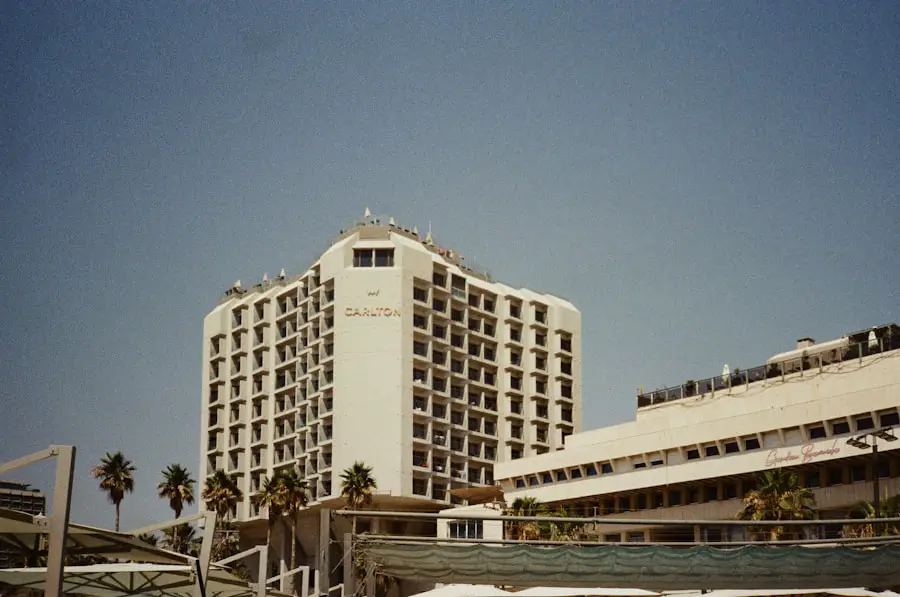
The opening desert drive creates a boundary between ordinary life and a dreamlike world. A tired traveler sees light in the distance and decides to stop. In story terms, this is a classic threshold moment: the character chooses to enter an unfamiliar place without knowing its rules.
The Desert Road
The road suggests isolation, uncertainty, and transition. The traveler is physically moving, but the scene also feels like an inner journey. This supports Henley’s description of the song as a “journey from innocence to experience.”
The Hotel
The hotel is welcoming, luxurious, and unsettling at the same time. Because hotels are temporary places, the idea that a guest cannot truly leave creates the central contradiction. Comfort becomes control, and hospitality becomes captivity.
The Guests and Prisoners
The people inside appear to participate in their own confinement. This suggests that the trap is not imposed only from outside. Habits, ambitions, appetites, and choices can build a prison that feels voluntary at first.
Mirrors, Feasts, and Celebration
The song’s images of abundance create a surface of pleasure. Beneath that surface, the guests seem restless and unable to satisfy themselves. The contrast supports a critique of consumption without fulfillment.
Note: Symbolic songs rarely have a one-to-one code in which every object has one fixed meaning. The strongest interpretation is the one that fits the full narrative, the music, and the songwriters’ own comments.
Is Hotel California a Real Hotel?
No single hotel has been confirmed as the literal setting of the song. The Eagles have consistently discussed the hotel as a metaphor, not as a hidden reference to one property. The Beverly Hills Hotel appeared on the album cover, but that does not make it the hotel described in the narrative.
Claims connecting the song to a specific inn, psychiatric hospital, church, or occult site are popular online, but they lack solid evidence from the songwriters. The most reliable explanation remains the broad one given by Henley: the setting represents America, Los Angeles high life, fame, excess, and lost innocence.
The Music and Composition
Song Facts
| Album release | 1976 |
| Credited songwriters | Don Felder, Don Henley, and Glenn Frey |
| Lead vocal | Don Henley |
| Famous guitar coda | Don Felder and Joe Walsh |
| U.S. chart peak | No. 1 on the Billboard Hot 100 in 1977 |
| Major Grammy honor | Record of the Year at the 1978 Grammy Awards |
| Album certification | 28× Platinum in the United States, certified January 22, 2026 |
Musically, “Hotel California” blends rock songwriting with a long, carefully shaped arrangement. The introduction establishes a calm, spacious mood before the rhythm section and vocal deepen the tension. The song is centered in B minor, which helps give it a dark and unresolved quality.
The final guitar passage is one of the recording’s defining features. Don Felder and Joe Walsh trade lead lines and then join in harmonized phrases. The coda does more than display technique: it extends the feeling that the listener is circling inside the song’s world rather than reaching a simple resolution.
Layered vocals also shape the atmosphere. The harmonies sound polished and inviting, while the story grows more disturbing. That contrast between beauty and danger is central to the song’s effect.
How the Song Was Written and Recorded
The song began with music supplied by Don Felder. According to Don Henley’s 2024 testimony reported by the Associated Press, Felder provided a basic recording with guitar chords and a drum-machine beat. Henley and Glenn Frey then developed the story and lyrics. The finished song is officially credited to Felder, Henley, and Frey.
That division of work helps explain the song’s unusual balance. Felder’s chord sequence and guitar concept create the hypnotic foundation, while Henley and Frey turn it into a cinematic narrative. The arrangement then uses the full band to make the setting feel increasingly enclosed.
Pro Tip: Listen once for the story and a second time only for the arrangement. Notice how each added layer makes the hotel feel less peaceful and more difficult to escape.
The Cultural Impact of Hotel California
The song became a major commercial and critical success. It reached No. 1 on the Billboard Hot 100 in May 1977 and won Record of the Year at the 1978 Grammy Awards.
The album’s sales history is equally striking. The Recording Industry Association of America lists Hotel California at 28× Platinum as of its January 22, 2026 certification. This updated figure replaces the article’s older, vague description of the album as merely “multi-platinum.”
Beyond awards and sales, the song has remained a fixture of classic-rock radio, concerts, guitar study, and popular discussion. Its narrative is specific enough to be memorable but open enough to support debate, which helps explain why new listeners continue to analyze it.
Theories and Interpretations
The song does not have one narrow meaning. Henley has said it can support many interpretations, but the band’s comments give clear boundaries: it concerns America, Los Angeles high life, excess, fame, the music business, and the loss of innocence.
Addiction
Many listeners read the hotel as a metaphor for addiction. That interpretation fits the pattern of attraction, dependence, and failed escape. However, the songwriters have not defined the entire song as a coded account of one drug or substance.
The Music Industry
The hotel can also represent the recording business. Young artists may enter because fame looks liberating, only to find themselves controlled by money, contracts, expectations, and image. Henley’s direct reference to the music business makes this one of the strongest readings.
Los Angeles and Celebrity Culture
The song reflects outsiders entering the glamour of Southern California. The city promises reinvention and success, but its social world can reward vanity, consumption, and performance over identity or peace.
Self-Created Entrapment
Another interpretation focuses on personal responsibility. The guests are not simply victims of a villain. Their own desires help maintain the system. In this reading, the song asks how people participate in the habits and structures that limit them.
Common Myths and Misreadings
Several dramatic theories have circulated for decades, including claims that the song describes Satanism, a secret cult, a psychiatric institution, or one identifiable haunted hotel. These stories often rely on isolated images, altered album artwork, or unsupported internet repetition rather than statements from the writers.
Warning: Treat claims of a hidden “true hotel” or secret religious code with caution unless they are supported by direct, reliable evidence from the Eagles or the original production record.
The song’s symbolism is mysterious, but mystery is not proof of a conspiracy. A better reading starts with the narrative as a whole and with Henley’s public explanations. Those sources point toward a social and psychological allegory, not a literal supernatural report.
The Legacy of Hotel California
“Hotel California” endures because its music and subject reinforce each other. The polished sound draws listeners in, while the story warns that beauty and success can conceal dependence, emptiness, or loss of control. That tension remains relevant in an age shaped by celebrity culture, consumer pressure, online status, and public image.
The song also influenced generations of musicians through its guitar arrangement, extended form, vocal layering, and narrative ambition. Its recognition by the Rock & Roll Hall of Fame’s Eagles profile as one of the band’s defining songs reflects its place in the group’s catalog and in American rock history.
Its legacy is therefore not based on one puzzle being solved. The song lasts because it gives listeners a vivid story, a memorable musical journey, and a warning that can be applied to different forms of ambition and excess.
Unraveling the Mystery
The best-supported meaning of “Hotel California” is broad but clear. It is a story about entering an attractive world and discovering that its rewards come with hidden costs. The hotel represents the seductive side of the American dream, especially the fame, wealth, pleasure, and self-invention associated with 1970s Los Angeles.
Addiction, the music business, materialism, and psychological entrapment are not competing answers so much as connected examples of the same central idea. The song invites interpretation, but its creators’ comments make one point difficult to miss: what looks like freedom can become a prison when desire, image, or excess takes control.
Fans who want to learn more about the song’s inspiration should rely on direct interviews, official credits, chart records, and music-history sources rather than unrelated travel content or unsupported online theories.
Frequently Asked Questions
What is “Hotel California” about?
It is an allegory about the darker side of the American dream, including excess, fame, narcissism, temptation, the music business, and the loss of innocence.
Is “Hotel California” based on a real hotel?
No specific hotel has been confirmed as the literal setting. The hotel is primarily a metaphor. The Beverly Hills Hotel appears on the album cover, but that does not make it the real location described in the song.
Who wrote “Hotel California”?
The credited songwriters are Don Felder, Don Henley, and Glenn Frey. Felder developed the musical foundation, while Henley and Frey shaped the concept and lyrics.
When was “Hotel California” released?
The song first appeared on the Eagles’ 1976 album Hotel California. It was promoted as a single in 1977 and reached No. 1 on the Billboard Hot 100 that year.
What does the final checkout line mean?
It suggests that a person may stop participating outwardly yet remain psychologically, socially, or materially tied to the world they entered. The line turns the hotel into a symbol of lasting entrapment.
Is the song about drugs or Satanism?
Addiction is a plausible interpretation because the story involves temptation and difficulty escaping. Claims that the song is a literal Satanic message are not supported by reliable evidence or by the writers’ explanations.
Sources
- Eagles official releases — confirms the album’s 1976 release and official catalog placement.
- CBS News interview with Don Henley — supports the song’s themes and the songwriter’s explanation of its meaning.
- Associated Press report on the song’s creation — supports the writing process and official credits.
- Billboard chart history — confirms the song’s 1977 Hot 100 peak.
- Recording Academy: 20th Grammy Awards — confirms the Record of the Year win.
- RIAA Gold & Platinum database — supports the album’s current U.S. certification.
