

Last Updated on July 25, 2026 by Daniel Globe
“Hotel California” is a story-song about a traveler drawn into a beautiful, unsettling place that becomes harder to escape. The Eagles used the imagined hotel as a flexible metaphor for American ambition, luxury, fame, self-indulgence, and the loss of innocence. Its mystery is intentional, so the song supports several readings without pointing to one literal building.
The track appeared on the Eagles’ Hotel California album in December 1976 and was released as a single in 1977. Don Felder wrote the original music, while Don Henley and Glenn Frey developed the lyrics and central concept. The combination of cinematic storytelling, layered harmonies, and the closing guitar exchange between Felder and Joe Walsh helped turn it into one of the defining recordings of 1970s rock.
Quick Answer
The most supported interpretation is that “Hotel California” represents the seductive but damaging side of the American Dream. Don Henley has described the song as a journey from innocence to experience involving excess, narcissism, and the music business. The hotel is best understood as a fictional setting, not one confirmed real property.
Key Takeaways
- The song is mainly about temptation, excess, disillusionment, and the darker side of success.
- Don Henley has said it is about America more broadly, not simply the state of California.
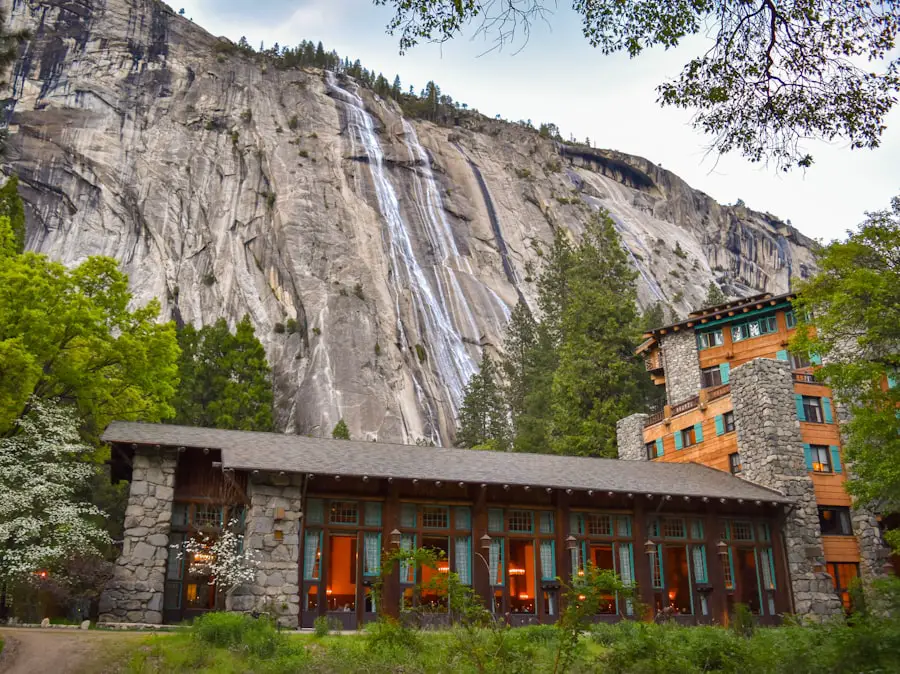
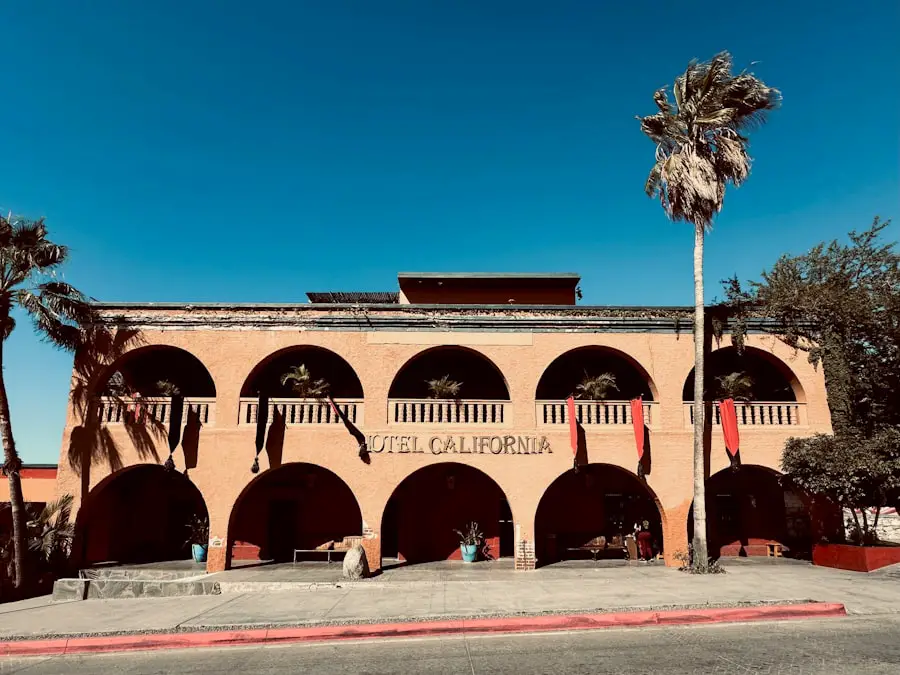
- No single real hotel has been confirmed as the place described in the song.
- The music began with a Don Felder demo; Henley and Frey then shaped the lyrics and narrative.
- The famous closing guitar passage was performed by Don Felder and Joe Walsh.
What Does “Hotel California” Mean?
At its core, “Hotel California” follows a familiar cautionary pattern: an outsider enters an attractive world, enjoys its comforts, then realizes that the same pleasures have become a trap. The hotel can represent fame, wealth, the Los Angeles music industry, addiction, consumer culture, or any lifestyle that promises freedom while creating dependence.
Don Henley gave the clearest public guide in a 2016 CBS interview. He described the song as a journey from innocence to experience and connected it with the darker underside of the American Dream, excess, narcissism, and the music business. That explanation supports a broad social reading rather than a literal story about one hotel.
Note: The song was designed to remain open-ended. A strong interpretation should fit the story, imagery, and the writers’ comments without claiming that every symbol has one official definition.
The Lyrics: A Closer Look
The Desert Journey and First Impression
The opening places a lone traveler on a desert road at night. That setting creates distance from ordinary life and makes the hotel feel like a separate world. The traveler is tired, uncertain, and receptive to comfort, which helps explain why the hotel’s light, welcome, and promise of rest feel so powerful.
The journey can be read as the movement from innocence into experience. The traveler does not enter because he understands the place. He enters because it appears inviting. That difference matters: temptation usually works by showing its rewards before revealing its cost.
Luxury, Desire, and Loss of Control
Inside, the hotel offers beauty, status, celebration, and sensual pleasure. Yet the details gradually become colder and more disturbing. The guests appear wealthy and entertained, but they also seem bound to routines they created for themselves. The mood shifts from hospitality to confinement without a clear moment when the traveler agrees to stay forever.
This is why the song works as a metaphor for excess. Pleasure is not shown as evil by itself. The danger comes when pleasure becomes identity, habit, or obligation. The guests have access to luxury, but they no longer appear free.
The Ending and the Idea of Entrapment
The final exchange makes the metaphor unmistakable: the traveler may end his visit in a formal sense, yet true escape is another matter. The ending suggests psychological, social, or addictive entrapment. A person can recognize a harmful system and still struggle to leave because desire, reputation, money, or habit keeps pulling them back.
Theories and Interpretations
The American Dream and the Music Business
The strongest interpretation treats the hotel as a symbol of American success after its idealism has curdled into consumption and self-absorption. California, especially Los Angeles, represented reinvention, entertainment, money, and fame. For musicians arriving from elsewhere, it could look like the place where every ambition might come true.
The song then reverses that promise. Recognition brings pressure, luxury brings isolation, and the pursuit of success becomes difficult to stop. Henley’s own explanation directly links the song with America and the music business, so this theory is more than fan speculation.
Hedonism, Addiction, and Self-Made Traps
Another common reading focuses on addiction and compulsive behavior. The guests appear caught in patterns of their own making, which can represent drugs, alcohol, sex, wealth, celebrity, or any repeated pleasure that reduces personal control. The song never names one substance or diagnosis, so it is safer to read addiction as one possible application of the broader theme.
Satanism, Cults, and Mental-Hospital Claims
Rumors have linked “Hotel California” to Satanism, a cult, a psychiatric institution, and hidden religious messages. The available comments from the songwriters do not support those claims. The eerie atmosphere and surreal scenes encouraged speculation, but Henley’s published explanation points toward American excess, narcissism, and the entertainment business.
Warning: Treat viral claims about a secret hotel, cult, or coded ritual as folklore unless they are backed by a direct, credible statement from a songwriter or a reliable historical source.
The Influence of California Culture
| Album release | December 1976 |
| Single release | 1977 |
| Songwriters | Don Felder, Don Henley, and Glenn Frey |
| Producer | Bill Szymczyk |
| Recording studios | Criteria Studios in Miami and the Record Plant in Los Angeles |
| Major award | Grammy Award for Record of the Year |
California was central to the song because it had become a national symbol of opportunity, beauty, entertainment, and reinvention. The Eagles formed in Los Angeles in 1971 and developed during a period when Southern California’s music scene drew ambitious writers, performers, producers, and executives from across the country.
The song uses desert travel, warm hospitality, expensive surroundings, and an exclusive social world to build a dreamlike version of California. Those images make the place attractive enough to enter, but strange enough to distrust. The result is a setting that can represent both opportunity and its hidden price.
Henley’s statement that the song is not only about California is important. The state supplies the scenery, but the target is larger: the national habit of turning freedom into consumption and success into a measure of personal worth.
The Dark Side of Fame and Success
The narrative shows how fame can change from a goal into a system of expectations. A successful person may gain wealth and access while losing privacy, stability, or the freedom to step away. The hotel’s guests appear to have achieved the lifestyle outsiders want, yet their behavior suggests boredom, dependence, and isolation.
The Eagles understood those pressures firsthand as their popularity grew. Still, the song should not be reduced to a literal diary of the band. Its strength comes from transforming industry experience into a wider story about ambition and consequence. Listeners can recognize the pattern even if they have never entered the music business.
Henley summarized the song as a “journey from innocence to experience,” a phrase that explains the travel narrative without limiting it to one literal meaning.
The Music and Production
The music began with a home demo from Don Felder. According to Felder and later accounts from Henley, the demo supplied the core guitar progression and atmosphere. Henley and Frey then developed the concept, melody, and words around that foundation. The official songwriting credit names all three men, as confirmed by the Recording Academy.
Producer Bill Szymczyk recorded the album at Criteria Studios in Miami and the Record Plant in Los Angeles. In a detailed Tape Op interview, he described recording Felder’s 12-string introduction with multiple microphones and confirmed that work on the album took place at both studios.
Why the Closing Guitar Passage Stands Out
The final section is a conversation between Don Felder and Joe Walsh. Their lines alternate, answer one another, and eventually join in harmonized phrases. It is memorable not simply because it is long, but because it continues the story’s tension. The guitars sound controlled and elegant while also pushing toward an unresolved emotional peak.
That arrangement challenged normal radio expectations. The track has a long introduction, an extended instrumental ending, and a structure that gives the guitars nearly as much narrative importance as the vocal. Felder later recalled doubting that such a long track would work as a single, yet it became a major success.
Pro Tip: To hear how the arrangement supports the meaning, listen once for the story and a second time for the way the two closing guitars move from separate voices into locked harmony.
The Legacy of “Hotel California”
“Hotel California” won the Grammy Award for Record of the Year at the 20th Annual Grammy Awards. The single entered the Grammy Hall of Fame in 2003, while the album followed in 2008. These honors recognize both the recording’s production and its lasting cultural importance.
The album’s commercial legacy has also continued to grow. In January 2026, the Recording Industry Association of America listed Hotel California at 28-times Platinum in the United States. The Eagles’ official announcement described it as the country’s third-best-selling album at that certification level.
The song remains durable because it works on several levels at once. It is a vivid story, a study of temptation, a critique of success, and a showcase for studio craft and guitar arranging. New listeners can enjoy the atmosphere before knowing any history, while longtime listeners can continue debating the symbols.
Decoding the Enigma: What the Eagles Have Said
The writers’ own comments narrow the field of reasonable interpretations without closing it completely:
- Don Henley: The song concerns the movement from innocence to experience and addresses the darker side of the American Dream, excess, narcissism, and the music industry.
- Don Felder: He created the original musical demo and has described the song as a collaboration that grew after Henley introduced the hotel concept.
- Glenn Frey’s role: Frey worked with Henley on the words, story, melody, and arrangement after Felder supplied the musical foundation.
- Shared conclusion: The song is intentionally broad enough to support many interpretations, but the strongest ones center on temptation, American ambition, and self-made confinement.
Because the song uses a road journey and a hotel as its dramatic frame, some readers treat it as travel writing or search for a place to visit. That misses the main point. The hotel functions like a setting in a film or novel: it feels physically real so that the moral and psychological trap feels real too.
Frequently Asked Questions
What is the meaning of “Hotel California”?
The song is best understood as a warning about the seductive side of the American Dream. Its hotel represents a world of luxury, fame, pleasure, and status that gradually becomes confining. Don Henley has also connected it with excess, narcissism, and the music business.
Is “Hotel California” a real place?
No single real hotel has been confirmed as the location in the song. The setting is fictional and symbolic. Real properties have claimed or implied connections over the years, but those claims are not the basis of the Eagles’ story.
What inspired the song?
Don Felder’s instrumental demo supplied the musical starting point. Don Henley and Glenn Frey then shaped a cinematic story influenced by Los Angeles, hotel imagery, the entertainment industry, and the contrast between American promise and American excess.
What does the final checkout exchange mean?
It means that formal permission to leave is not the same as being free. The traveler has entered a lifestyle or state of mind whose habits, rewards, and pressures continue to hold him. The idea can apply to fame, addiction, wealth, or any self-reinforcing system.
Is the song about Satanism or a cult?
There is no reliable statement from the songwriters confirming that theory. The surreal mood encouraged rumors, but Henley’s public explanation focuses on America, excess, narcissism, and the music business.
Who wrote “Hotel California”?
The official songwriters are Don Felder, Don Henley, and Glenn Frey. Felder developed the musical demo, while Henley and Frey played major roles in creating the lyrics and finished narrative.
When was “Hotel California” released?
The song appeared on the Eagles’ album Hotel California in December 1976. It was then issued as a single in 1977.
Who plays the famous guitar ending?
Don Felder and Joe Walsh perform the closing dual-guitar passage. They trade lead lines and then join in harmonized phrases that have become one of the song’s most recognizable musical features.
Sources
- CBS News interview with Don Henley — supports the song’s themes and Henley’s explanation.
- Recording Academy: 20th Annual Grammy Awards — confirms the songwriters, producer credit, and Record of the Year win.
- Recording Academy interview with Don Felder — supports Felder’s role, the single’s unusual structure, and its Grammy Hall of Fame legacy.
- Tape Op interview with Bill Szymczyk — supports recording-studio and production details.
- RIAA Gold & Platinum database — supports the album’s 28-times-Platinum U.S. certification.
- Eagles official 2026 certification announcement — supports the album’s current U.S. sales ranking.
