
Last Updated on July 25, 2026 by Caleb Warren
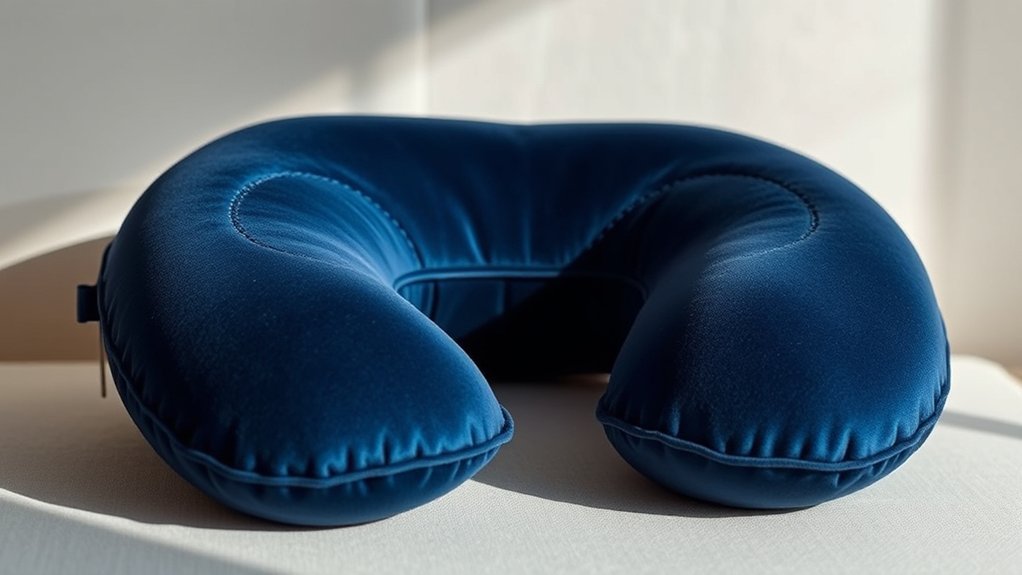
A contoured travel pillow cradles your neck and head, ensuring proper spinal alignment for a more restful sleep while on the move. Featuring an ergonomic design, high-density memory foam adapts to your body’s unique contours to relieve pressure points, eliminate stiffness, and stabilize your head during long flights or road trips. Lightweight and packable, its adjustable features allow you to customize support based on whether you sleep sitting upright, leaning sideways, or resting against a window. Explore how choosing the right contoured support can transform your travel experience.
Quick Answer
A contoured travel pillow uses an ergonomically sculpted curve and high-density memory foam to support the natural curvature of the cervical spine (C1–C7 vertebrae). By maintaining head and neck alignment during upright seated sleep, it relieves pressure points, minimizes lateral tilt, and prevents post-travel neck strain far more effectively than traditional flat or microbead travel pillows.
Key Takeaways
- Cervical Alignment: Ergonomic contours maintain the natural lordotic curve of your neck, preventing muscle fatigue and head bobbing during travel.
- Viscoelastic Memory Foam: High-density memory foam evenly distributes weight, absorbs transport vibrations, and recovers its shape after compression.
- Customizable Support: Built-in toggle straps and variable-height lobe contours accommodate back, side, and upright sleeping positions.
- Space Efficiency: Modern contoured pillows compress down to roughly 50% of their full size into convenient travel pouches.
- Proper Maintenance: Always wash the outer removable cover regularly, but spot-clean the internal foam core to preserve structural integrity.
Disclosure: As an Amazon Associate I earn from qualifying purchases. Some links on this page are affiliate links, at no extra cost to you.
What Is a Contoured Travel Pillow?

A contoured travel pillow is an ergonomically designed sleep aid specifically engineered to support the head, neck, and upper shoulders during transit. Unlike standard, flat horseshoe travel cushions, a contoured pillow features raised side lobes, a sculpted neck indentation, and asymmetrical elevation height. This unique architecture cradles the head and maintains proper posture when sleeping in upright transit environments like airplane cabins, trains, or passenger seats.
Most high-performance contoured pillows utilize premium viscoelastic memory foam or molded latex core materials. According to sleep ergonomics research from the National Sleep Foundation, maintaining continuous cervical spine support while sleeping upright prevents the head from dropping forward or tilting sharply sideways. Many contoured models also feature adjustable front clasps, allowing travelers to fine-tune the circumference around their neck to accommodate different neck lengths, body sizes, and transit seating angles.
How Does the Design Promote Comfort and Support?
The strategic design of a contoured travel pillow targets specific anatomical pressure points. By supporting the natural lordotic curve of the neck, it prevents strain on the trapezius and sternocleidomastoid muscles during rest.
Ergonomic Shape Design
Traveling long distances in cramped seats presents a distinct physiological challenge: resting upright without muscular fatigue. The ergonomic shape design of a contoured pillow solves this by matching the natural anatomical curve of your neck. Sculpted side lobes support your chin and jawline, stabilizing your head to prevent uncomfortable sudden drops during deep sleep cycles.
User feedback and biomechanical evaluations indicate that stabilizing the head reduces lateral neck flex, significantly decreasing post-flight stiffness. Furthermore, elevated lateral support helps maintain an open airway when resting in an upright position, which reduces breathing obstructions and minimizes nighttime snoring.
High-Density Foam Support
High-density memory foam core construction transforms the travel experience by delivering continuous, adaptive support. Foam density—typically measured between 3 to 5 lbs/cu. ft. in premium travel pillows—ensures the material molds accurately to heat and pressure without collapsing under the weight of your head.
Pro Tip: Look for memory foam certified by CertiPUR-US®. This certification ensures the foam is manufactured without dangerous heavy metals, formaldehyde, or phthalates, and guarantees low volatile organic compound (VOC) emissions for cleaner indoor air quality during long flights.
This uniform weight distribution alleviates localized pressure along the cervical vertebrae. Additionally, dense viscoelastic foam naturally dampens micro-vibrations caused by aircraft engines or highway travel, allowing for uninterrupted sleep.
Adjustable Fit Features
Because human anatomy varies widely, static travel pillows often fail to provide adequate support. Advanced contoured travel pillows integrate key adjustable fit elements:
- Adjustable Front Clasps: Quick-release toggles or heavy-duty velcro straps allow you to tighten or loosen the pillow’s neck circumference for customized support.
- Varied Contour Heights: Dual-height lobe profiles accommodate users with longer or shorter neck lengths, as well as distinct side- or back-sleeping habits.
- Breathable Fabrics: Moisture-wicking outer covers made of bamboo rayon or polyester mesh prevent heat retention and sweat buildup.
Benefits of Using a Contoured Travel Pillow on Journeys
Investing in a high-quality contoured travel pillow yields substantial physiological and practical benefits, particularly during long-haul trips:
“Targeted cervical neck support during seated rest reduces muscle activation in the neck and shoulders, preventing acute strain and improving overall rest quality during travel.” — Biomechanics and Ergonomics Study, National Institutes of Health (NCBI)
Key benefits include:
- Enhanced Cervical Posture: Keeps the head aligned over the shoulders, reducing strain on the cervical spine.
- Pressure Point Relief: High-density viscoelastic foam redistributes force across a broader surface area, preventing localized soreness.
- Reduced Travel Fatigue: Deeper sleep cycles allow you to arrive at your destination feeling energized rather than exhausted.
- Compact Portability: Premium foam compresses easily into compact travel sacks without permanently distorting the pillow’s original shape.
How Do Contoured Travel Pillows Compare to Traditional Options?
Comparing contoured travel pillows to standard flat cushions or inflatable U-shaped models highlights clear functional advantages in both ergonomic support and space optimization.
Enhanced Neck Support
Standard flat travel pillows and low-density inflatable rings offer minimal structural support, often letting your head roll sideways or sink until your neck rests at an awkward angle. In contrast, contoured pillows feature elevated side walls and an indented rear neck recess.
This design holds your head securely in place while preventing the rear of the pillow from pushing your head uncomfortably forward against your airplane seat headrest.
Space Efficiency Benefits
Despite providing substantial structural support, contoured memory foam travel pillows are remarkably space-efficient. High-resilience memory foam can be compressed down to 50% of its expanded size, fitting neatly into travel carrying cases.
Note: According to TSA baggage guidelines, travel pillows do not count as separate personal items when attached to the outside of carry-on luggage or worn onto the aircraft.
What to Expect When Switching to a Contoured Pillow?
Transitioning from a traditional flat pillow to an ergonomic contoured model is generally smooth, but it can require a brief adjustment period as your body adapts to correct spinal posture.
When using a contoured pillow for the first time, you can expect:
- Initial Adjustment Phase: You may notice firm support around your jawline and neck during your first few uses as your neck muscles adapt to proper alignment.
- Enhanced Stability: You will immediately experience less side-to-side head movement when falling asleep in an upright position.
- Position Versatility: You can rotate the pillow 180 degrees to test whether high-lobe support under your chin or beneath your neck feels more comfortable for your specific seating angle.
Choosing the Right Contoured Travel Pillow for You
Selecting the ideal contoured travel pillow depends on your primary sleeping position, physical body size, and travel style. Use the decision matrix below to guide your choice:
Contoured Pillow Selection Guide
| Sleeping Position | Upright Back Sleeper, Side Leaner, Window Rest |
| Core Material | Viscoelastic Memory Foam, Molded Latex |
| Firmness Level | Medium-Firm to Firm (Essential for upright support) |
| Cover Fabric | Removable, Machine-Washable Plush or Cooling Mesh |
Practical Tips for Using Your Contoured Travel Pillow Effectively
To maximize comfort during long-haul flights or car rides, apply these practical positioning techniques:
- Optimal Positioning: Place the thinnest section of the contour directly against the back of your neck so your head rests naturally against the seat back without being pushed forward.
- Secure Front Straps: Fasten the front toggle snuggly under your chin to create a supportive cradle for your lower jaw, preventing your head from dropping forward as you fall asleep.
- Recline Adjustment: If possible, tilt your seat back slightly (2 to 5 degrees) to shift your head’s center of gravity backward into the contoured cushion.
- Combine Travel Accessories: Pair your contoured pillow with a blackout eye mask and noise-canceling headphones to minimize environmental disturbances.
How to Care for and Maintain Your Contoured Travel Pillow
Proper cleaning and maintenance ensure your travel pillow remains sanitary and structurally supportive over years of adventure.
Warning: Never submerge viscoelastic memory foam in water or place it inside a washing machine or dryer. Water breaks down the internal open-cell structure of memory foam, permanently destroying its contouring capabilities and resilience.
Follow these care guidelines to maintain your pillow’s longevity:
Maintenance Schedule & Methods
| Wash Cover | Machine wash cover on gentle cycle with cold water. Air dry. | Every 2–4 trips |
| Spot-Clean Foam | Wipe foam core gently with a damp cloth and mild soap. Air dry away from direct sunlight. | As needed |
| Storage | Store uncompressed in a cool, well-ventilated dry place when not actively traveling. | Long-term storage |
Frequently Asked Questions
Can I use a contoured travel pillow for everyday sleeping at home?
While contoured travel pillows are specifically designed for upright seated posture, they can be used at home for brief naps or recliners. However, full-sized cervical bed pillows are better suited for flat mattresses, as they accommodate overnight body movement across eight hours of horizontal sleep.
Are contoured travel pillows machine washable?
The outer zippered fabric cover is usually machine washable on a gentle, cold-water cycle. However, the internal memory foam or latex core must never be machine washed. Spot-clean the foam core using a damp cloth with mild detergent, then let it air dry completely away from direct sunlight.
What materials are best for a contoured travel pillow?
High-density viscoelastic memory foam is widely considered the gold standard because it offers optimal pressure relief and shape retention. Outer covers made of breathable fabrics like bamboo rayon, velour, or cooling athletic mesh provide comfortable heat regulation during flights.
How long does a memory foam contoured travel pillow last?
A well-maintained contoured travel pillow made from high-density memory foam typically lasts between 2 to 5 years. Longevity depends on travel frequency, storage conditions, and avoiding prolonged tight compression when the pillow is not in use.
Can children safely use contoured travel pillows?
Yes, provided the pillow is sized appropriately for a child’s smaller neck circumference and shoulder proportions. Standard adult travel pillows are often too bulky for children and may push their heads unnaturally forward.
Conclusion
Upgrading to a high-performance contoured travel pillow is one of the most effective ways to improve sleep quality and eliminate neck pain on long journeys. By supporting the natural curvature of your cervical spine and stabilizing your head against sudden movements, an ergonomic travel pillow helps you wake up refreshed and ready to explore. Consider your typical sleeping position, body dimensions, and key features like high-density foam and adjustable clasps to choose the best pillow for your next adventure.
Sources
- National Sleep Foundation — Sleep Ergonomics & Travel Rest Standards
- National Institutes of Health (NCBI) — Biomechanical Effects of Cervical Pillow Support on Spinal Alignment
- CertiPUR-US® — Foam Safety, Volatile Organic Compounds (VOC), and Environmental Standards
- Transportation Security Administration (TSA) — Travel Accessory and Carry-On Baggage Guidelines
