

Last Updated on July 28, 2026 by Daniel Globe
Airline trading cards turn a flight, an aircraft, or a piece of aviation history into a small collectible. Some are handed out by pilots, while others were created as promotional, commemorative, club, or third-party aviation cards. The hobby is easy to enter, but careful research matters because rarity, condition, and authenticity can vary widely.
Quick Answer
Airline trading cards are collectible cards issued by airlines, pilots, or aviation publishers. Modern pilot cards usually feature a specific aircraft and are often handed out free when supplies allow. A strong collection starts with a clear scope, documented checklists, careful condition checks, completed-sale research, and archival-quality storage.
Key Takeaways
- Vintage airline souvenirs and modern pilot-issued aircraft cards overlap, but they are not all the same type of collectible.
- Delta traces its aircraft-card program to a limited-edition MD-11 card released in 2003, while American introduced a new centennial series in 2026.
- The best way to start is to choose a narrow collecting goal, such as one airline, one aircraft family, or cards obtained on your own flights.
- Fair value depends on verified scarcity, condition, demand, provenance, and completed sales—not an optimistic asking price.
- Use PVC-free sleeves, stable storage materials, and a cool, dry, dark location to reduce fading, bending, and chemical damage.
At a Glance
| Time Required | A few minutes to request a card; months or years to build a focused set |
| Difficulty | Beginner-friendly; advanced research is needed for rare vintage issues |
| Tools Needed | Checklist or spreadsheet, camera, ruler, PVC-free sleeves, and an acid-free storage box |
| Cost | Often free from participating pilots when available; resale prices vary by card and condition |
Disclosure: As an Amazon Associate I earn from qualifying purchases. Some links on this page are affiliate links, at no extra cost to you.
What Are Airline Trading Cards?
Airline trading cards are small collectible cards connected to an airline, aircraft, route, event, or aviation theme. A modern pilot card often shows one aircraft type on the front and includes specifications, fleet facts, diagrams, or historical notes on the back. Older airline collectibles may look different and can include destination cards, club cards, postcards, playing cards, or commemorative issues.
It helps to separate three broad groups:
- Official airline-issued cards: Produced or authorized by an airline and distributed by pilots, employees, events, promotions, or airline stores.
- Historical airline ephemera: Passenger souvenirs and promotional paper items that may be collected like trading cards even if the airline did not market them as a formal card set.
- Third-party aviation cards: Commercial sets made by publishers, artists, museums, or memorabilia companies rather than by the airline shown.
Note: “Airline trading card” is a useful hobby term, not one universal product standard. Always identify the issuer, year or series, distribution method, and whether the airline officially authorized the card.
Airline Trading Card History: From Souvenirs to Pilot Cards
Airlines have long used small souvenirs to keep their brands in passengers’ minds. The Smithsonian’s National Air and Space Museum notes that travelers during the 1950s, 1960s, and 1970s often received items such as playing cards, toys, trading cards, captain’s wings, and hats. That evidence supports a broad mid-century souvenir tradition, but it does not establish one universally accepted “first airline trading card.”
One verified Pan Am example is the airline’s “First Moon Flights” Club card. The National Air and Space Museum reports that Pan Am issued more than 93,000 of these club cards between 1968 and 1971 to people interested in a future commercial trip to the Moon. It is an airline-issued collectible card, although it is better classified as a membership or promotional card than as a modern aircraft-specification card.
The current pilot-card format has a clearer documented history at Delta. According to Delta’s official 2025 announcement, its first aircraft trading card was a limited-edition MD-11 card released in 2003 for the aircraft’s retirement in 2004. By March 2025, Delta said it had produced seven series containing 68 unique cards.
Delta reported distributing more than 3 million aircraft trading cards in 2024 and producing more than 5 million centennial-series cards in 2025.
The hobby also continues to evolve. In April 2026, American Airlines announced a centennial card series featuring four aircraft in its current fleet and three historical aircraft. American said the cards would be available from mainline pilots on a first-come, first-served basis and that more than seven million would be printed for the summer travel period.
How to Start Collecting Airline Trading Cards
Products Worth Considering

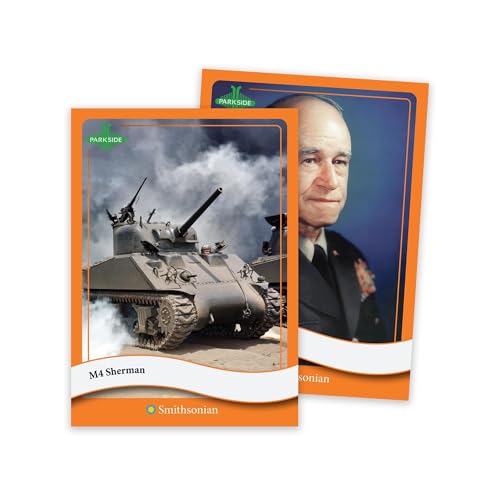
WWII History Trading Cards: From crucial battlefronts and legendary aircraft to pivotal locations and the allied commanders who forged freedom, our 50 WWII collectible flash cards for studying bring the defining stories of World War II to life.

1991 NFL Pro Set Platinum Pack
1. Choose a Clear Collecting Goal
A narrow goal makes the hobby easier to manage. You might collect one airline, one aircraft family, one release series, cards from retired aircraft, or only cards obtained on flights you personally took. Write down your scope before buying so an interesting card does not automatically become an expensive distraction.
2. Build a Checklist
Search official airline announcements, collector checklists, museum catalogs, and clear front-and-back photos. Record the airline, issuer, series, card number, aircraft type, aircraft registration, release year, dimensions, and known variations. Mark uncertain details as unconfirmed instead of guessing.
3. Request Cards During Your Flights
When an airline has an active pilot-card program, ask politely while boarding is calm or after landing. A simple question such as, “Do you happen to have an aircraft trading card today?” is enough. Pilots may be busy, cards may be limited to certain aircraft or crews, and supplies can run out.
Pro Tip: Note the flight number, date, route, aircraft type, and tail number when you receive a card. That personal provenance can make the card more meaningful even when it does not increase resale value.
4. Add Cards Through Trades or Purchases
Once you understand your target set, look for duplicates to trade and missing cards to buy. Compare several listings and completed sales before agreeing to a price. A complete set may be convenient, but buying one card at a time can help you learn the differences between releases and reprints.
5. Catalog and Protect Every Card
Photograph the front and back, assign an inventory number, record what you paid, and note where the card came from. Store it immediately in a clean, stable enclosure rather than carrying it loose in a pocket, wallet, or travel bag.
How to Ask a Pilot for a Trading Card
Pilot cards are meant to create a friendly connection, but timing and courtesy matter. Do not enter a restricted area, block the boarding line, or interrupt a crew member who is completing a safety or operational task. Ask once, accept “no” graciously, and remember that availability is never guaranteed.
- Best opportunities: A calm moment near the flight deck during boarding, or after the aircraft has arrived at the gate.
- What to ask: Request an “aircraft trading card” and mention the aircraft type only if you know it.
- What to expect: The pilot may have a different card, no cards, or limited quantities.
- For children: An adult should supervise and keep the aisle and boarding area clear.
What Makes Airline Trading Cards Valuable?
There is no reliable universal list of the “most valuable” airline trading cards. The market is much smaller and less standardized than major sports-card markets, and a high asking price does not prove that buyers will pay it. Value is strongest when scarcity and demand can be documented with checklists, population data, provenance, or repeated completed sales.
| Value Factor | What to Check |
| Issuer and Series | Confirm that the airline or named publisher issued the card and identify the exact series or variation. |
| Scarcity | Look for documented print quantities, short distribution windows, retired aircraft, errors, or regional releases. |
| Condition | Inspect centering, corners, edges, surface wear, creases, stains, fading, writing, and evidence of trimming or restoration. |
| Demand | Check whether collectors are actively buying that airline, aircraft, series, or historical subject. |
| Provenance | Receipts, original packaging, airline documentation, or a traceable collection history can support authenticity. |
| Completeness | A complete, consistently conditioned set may attract more interest than scattered common cards. |
How to Estimate a Fair Price
- Identify the exact card, series, variation, and condition.
- Search completed sales, not just active listings.
- Compare several recent sales of the same card or the closest verified match.
- Adjust for condition, grading status, shipping cost, and whether the sale included other cards.
- Use a range rather than one exact value when sales are sparse.
Warning: Do not buy airline trading cards as a guaranteed investment. Thin markets can produce misleading asking prices, and a card may be difficult to resell even when it appears rare.
The Different Types of Airline Trading Cards
| Card Type | Typical Features |
| Pilot-Issued Aircraft Cards | Aircraft image, airline branding, specifications, diagrams, fleet facts, or a registration number; distributed by participating pilots. |
| Promotional or Destination Cards | Airline logos, routes, destinations, service features, or advertising artwork. |
| Club or Membership Cards | Cards tied to a promotional club, loyalty idea, special reservation, or passenger program, such as Pan Am’s “First Moon Flights” Club. |
| Commemorative or Insert Cards | Anniversaries, retirements, special liveries, inaugural flights, or limited promotional releases. |
| Signed Cards | A standard card signed later by a pilot, executive, designer, or aviation figure; the signature and signer should be authenticated separately. |
| Third-Party or Relic Cards | Cards made by an outside publisher; some may claim to include aircraft material. Verify the maker, authorization, and material provenance because these are not a standard airline-issued category. |
Collectors may also group airline postcards, photo cards, playing cards, stickers, safety-card miniatures, and other paper souvenirs with trading-card collections. Label these accurately in your catalog so a promotional postcard is not mistaken for a numbered aircraft-card issue.
Products Worth Considering

Design: 3D-designed, accurately laser-cut and then hand-crafted; It is easy to pop up and can be used for multiple times.

Twelve panel fold-out design.
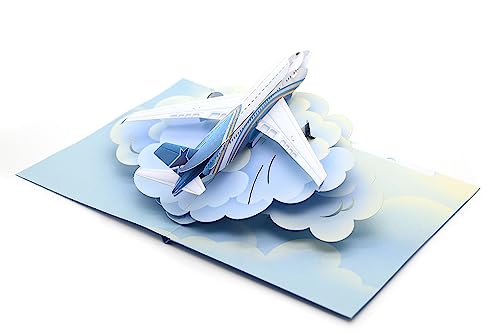
THE MOST WONDERFUL CARD: Our handcrafted 3D Airplane Card brings a touch of elegance and whimsy, featuring a stunning pop-up airplane soaring through the sky. Ideal for travelers, honeymooners, or as a creative way to present gift vouchers.
Where to Find Airline Trading Cards
- On participating flights: Ask a pilot courteously when the crew is not busy. This is often the best source for modern pilot-issued cards.
- Official airline channels: Watch airline newsrooms, social accounts, stores, anniversary events, and museum partnerships for confirmed releases.
- Aviation museums and shows: Museum shops, air shows, fly-ins, airline-history events, and aviation conventions may sell or trade cards and related ephemera.
- Collector groups: Specialist forums and social groups can help with checklists, variations, trades, and identification.
- Online marketplaces and auction houses: These offer the broadest selection, but condition descriptions and seller claims must be checked carefully.
- Antique shops, estate sales, and memorabilia dealers: These can produce older finds, although unidentified lots require more research.
Products Worth Considering

Unique Design Airplane Gift Card for Women Men Aviation Staff: The airplane cards for men women adopts a three-dimensional design, at the moment of opening the airplane popup greeting cards for men women aviation staff, the airplane model will pop out from the airplane gift card for men women, bringing surprise to the recipient
Printed on premium, smooth, heavy cardstock.
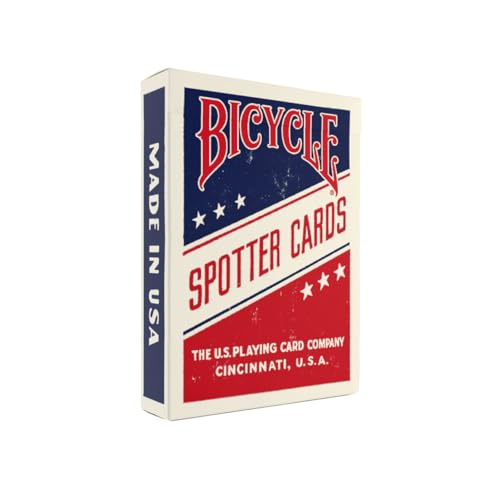
AUTHENTIC WWII REPRODUCTION – A faithful revival of the 1942 International Aircraft Silhouettes Spotter Cards originally created for U.S. military training. Features historically accurate aircraft profiles that blend education with classic card‑play functionality.
How to Verify Authenticity and Condition
Authentication begins with identification. Compare the card with a known example from an official airline announcement, museum catalog, trusted checklist, or well-documented collection. Check both sides, exact dimensions, card stock, logo style, copyright line, numbering, print quality, and aircraft details.
Authenticity Checklist
- Request sharp, well-lit photos of the front, back, corners, and edges.
- Confirm the card belongs to a documented series and is the correct size.
- Look for inconsistent fonts, blurry logos, pixelated images, or backs that do not match known examples.
- Ask about where and when the seller obtained it.
- For graded cards, verify the certification number on the grading company’s official site.
- Treat claims such as “prototype,” “error,” “one of one,” “aircraft relic,” or “pilot-owned” as unproven unless documentation supports them.
Condition Checklist
Professional card graders commonly evaluate centering, corners, edges, and surface quality. The PSA grading standards also identify problems such as stains, writing, trimming, recoloring, restoration, altered stock, and cleaning. Even without professional grading, use the same categories to describe a card honestly.
Note: A professional grade can help standardize condition, but not every grading company accepts every obscure airline issue. Check eligibility, authentication scope, fees, and likely resale benefit before submitting a card.
Tips for Buying and Selling Airline Trading Cards

Research Before Buying
Identify the exact card before comparing prices. Review completed sales, seller feedback, return terms, and all available images. Ask about creases, surface scratches, stains, fading, writing, trimming, and odors. For costly cards, use a payment method and marketplace that provide buyer protection, and keep communication on the platform.
Create Accurate Listings When Selling
Use a specific title with the airline, aircraft, series, card number, year, and condition. Photograph the card against a plain background and include the front, back, corners, and any flaws. State whether the card is airline-issued, third-party, signed, graded, or unverified. Never describe a card as rare simply because few are currently listed.
Price From Evidence, Not Hype
Recent completed sales are more useful than unsold listings. When no exact match exists, compare cards from the same series, airline, era, and condition. Explain how you reached the price and remain willing to revise it as better evidence appears.
Pack Cards for Shipping
Place the card in a clean, PVC-free sleeve, add a rigid archival-safe support that does not press directly against the surface, and protect it from movement and moisture. Use a sturdy mailer or box for valuable cards. Do not let adhesive tape touch the card or its sleeve opening.
The Importance of Protecting and Preserving Airline Trading Cards
Airline trading cards are paper-based objects, so heat, moisture, light, dirt, poor plastics, and rough handling can shorten their life. The Library of Congress guidance for works on paper recommends clean hands, a clean work area, no food or drink nearby, minimal light exposure, and a cool, stable, relatively dry environment. It also recommends acid- and lignin-free enclosures and supportive polyester sleeves for suitable paper items.
- Use stable materials: The Library of Congress preservation FAQ identifies uncoated polyester, polypropylene, and polyethylene as stable plastics and advises against PVC and unknown plastics.
- Control the environment: Store cards at room temperature or below in a stable, relatively dry space. The Library of Congress gives about 35% relative humidity as a general target for works on paper.
- Limit light: Keep original cards away from direct or intense light. Display a scan or duplicate when possible.
- Avoid damaging fasteners: Do not use rubber bands, paper clips, staples, self-adhesive tape, or glue.
- Store flat and supported: Keep cards upright in a fitted archival box or flat in a binder that does not bend them.
- Inspect regularly: Check for mold, moisture, pests, sleeve clouding, fading, or pressure damage.
Warning: Do not clean, press, trim, recolor, laminate, or repair a collectible card without professional advice. Alteration can damage the paper, reduce collector value, and prevent a grading service from assigning a standard numeric grade.
The Future of Airline Trading Card Collecting
Airline trading cards are not only vintage memorabilia. Delta’s large 2025 centennial release and American’s 2026 centennial program show that major airlines still use aircraft cards to connect pilots and passengers. New releases can bring beginners into the hobby, while retired aircraft, short-lived variations, and older airline ephemera continue to interest historical collectors.
The strongest collections will be the ones with clear documentation. Digital checklists, front-and-back scans, flight details, and verified release information make it easier to distinguish official cards from reproductions and to preserve the history behind each item. Social media can help collectors discover releases, but official airline and museum sources should remain the first choice for verification.
Airline cards can also become personal travel keepsakes. For broader trip planning, this guide on how to choose the best travel guidebook explains how to select a useful guide for your destination and travel style.
Frequently Asked Questions
What are airline trading cards?
They are collectible cards connected to an airline, aircraft, route, event, or aviation subject. Official examples may be distributed by pilots or airlines, while third-party publishers also make aviation card sets.
Which airlines have pilot trading cards?
Delta and American have officially documented pilot-card programs as of July 28, 2026. Other airlines may release cards or similar promotional collectibles, but availability changes, so verify current information through the airline’s official channels.
How do I get an airline trading card from a pilot?
Ask politely during a calm moment while boarding or after landing. Do not interrupt safety work or block the aisle. Cards are normally first-come, first-served, and a pilot may not have any available.
Are pilot trading cards free?
Cards handed out by participating pilots are generally free when available. Collectors may later buy or trade them on the secondary market, where prices depend on the exact card, condition, scarcity, and demand.
What information appears on airline trading cards?
Modern aircraft cards may include an aircraft image, specifications, diagrams, fleet facts, historical notes, or a registration number. Older promotional and club cards may focus on routes, destinations, branding, or an airline event instead.
Are airline trading cards valuable?
Some can be valuable, but most do not have a guaranteed price. Verified scarcity, condition, collector demand, provenance, and completed sales matter more than an active seller’s asking price.
Should I have an airline trading card professionally graded?
Consider grading only after confirming that the service recognizes the issue and that authentication or standardized condition could justify the fee. Common or low-value cards may cost more to grade than the added market value.
How should I store airline trading cards?
Use PVC-free polyester, polypropylene, or polyethylene sleeves with acid-free storage materials. Keep cards supported in a cool, stable, relatively dry, dark location away from food, liquids, tape, glue, and direct sunlight.
Sources
- Smithsonian National Air and Space Museum: “AirSpace Season 9, Episode 8: Limited Edition” and Pan Am “First Moon Flights” Club card — historical souvenir context and verified Pan Am card history.
- Delta News Hub: 2025 Centennial aircraft trading cards — Delta program history, series count, and distribution figures.
- American Airlines Newsroom: 2026 centennial trading cards — current card lineup, pilot distribution, and planned print quantity.
- Library of Congress: Care, Handling, and Storage of Works on Paper and General Preservation FAQ — safe handling, environmental, light, enclosure, and plastic-storage guidance.
- PSA Grading Standards — condition criteria and common alterations that affect authentication and grading.
