

Last Updated on July 31, 2026 by Daniel Globe
There is no official minimum credit score that guarantees approval for a Southwest Airlines credit card. Chase reviews your complete credit profile, including your score, payment history, existing debt, income, housing costs, and recent applications. A good or very good FICO score can improve your odds, but it is only one part of the decision.
Quick Answer
Chase does not publish a fixed minimum credit score for Southwest Rapid Rewards credit cards. A FICO score of 670 or higher falls within the good-credit range, while scores of 740 and above are considered very good. However, even a score above 700 does not guarantee approval.
Key Takeaways
- Chase does not disclose a guaranteed minimum score for its Southwest consumer credit cards.
- A FICO score of 670–739 is considered good, while 740–799 is considered very good.
- Approval also depends on income, debt, payment history, utilization, credit age, and recent applications.
- The Plus, Premier, and Priority cards have different annual fees, earning rates, and seating benefits.
- Checking for preapproved Chase offers generally uses a soft inquiry, but a formal application may result in a hard inquiry.
- Card terms and offers can change, so review the official Chase application page before applying.
Financial information notice: This article provides general educational information, not individualized financial advice or a promise of approval. Credit-card applications may affect your credit, and interest charges can outweigh the value of travel rewards if you carry a balance.
Disclosure: As an Amazon Associate I earn from qualifying purchases. Some links on this page are affiliate links, at no extra cost to you.
What Credit Score Do You Need for a Southwest Airlines Card?
Chase issues the Southwest Rapid Rewards consumer credit cards, but it does not publish a specific score that automatically qualifies an applicant. Statements that you “need a 700” should therefore be treated as estimates rather than official requirements.
As a practical starting point, applicants with good or very good credit may have stronger approval odds than applicants with fair or poor credit. According to FICO’s published score ranges, a score of 670–739 is good and a score of 740–799 is very good.
A score in the mid-600s falls within FICO’s fair range. Approval may still be possible in some circumstances, but it becomes less predictable because Chase also evaluates the rest of the application. A strong score can likewise be insufficient when an applicant has high debt, limited income, a short credit history, or several recent credit applications.
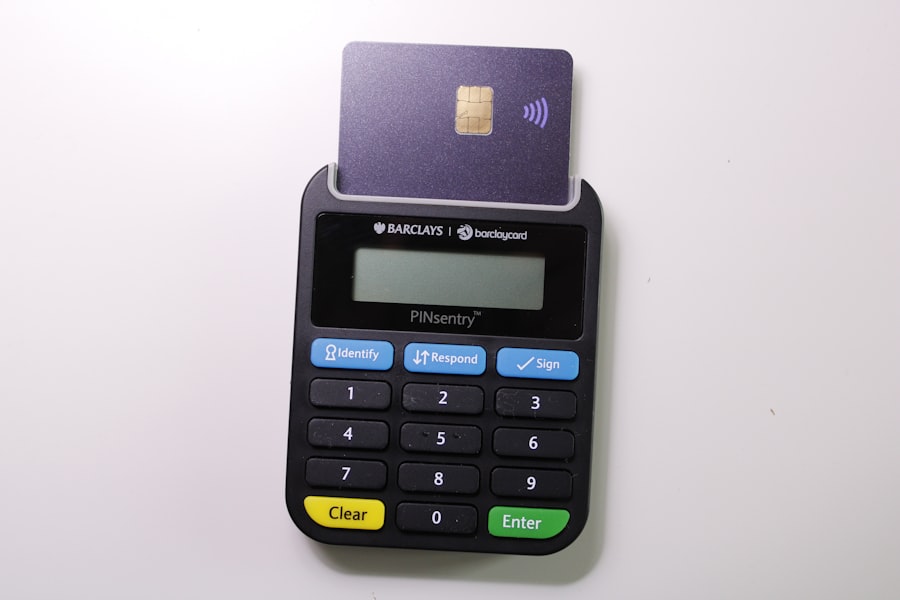
Note: The score you see in a banking app may not be the exact score or scoring model Chase uses when reviewing your application. Consumers can have several FICO and VantageScore versions based on different credit-bureau data.
Understanding Credit-Score Ranges
Most base FICO scores range from 300 to 850. A higher score generally indicates a lower risk of missed payments, but the category alone does not determine whether a credit-card application will be approved.
| FICO Score | Rating | General Meaning |
|---|---|---|
| 800–850 | Exceptional | Very low credit risk, although approval is never automatic. |
| 740–799 | Very Good | A strong range for many rewards cards, subject to the full application. |
| 670–739 | Good | A reasonable target range, but approval remains dependent on other factors. |
| 580–669 | Fair | Approval for a travel rewards card may be less predictable. |
| Below 580 | Poor | Building credit before applying may be the safer approach. |
What Affects Your Credit Score?
For the general population, FICO groups credit-report information into five categories. The relative importance of each category can vary according to the individual credit profile and score model.
| Credit Factor | General FICO Weight | What It Measures |
|---|---|---|
| Payment history | 35% | Whether accounts have been paid on time and the severity or recency of missed payments. |
| Amounts owed | 30% | Total debt, account balances, and how much revolving credit is being used. |
| Length of credit history | 15% | The age of the oldest, newest, and average credit accounts. |
| New credit | 10% | Recent applications, hard inquiries, and newly opened accounts. |
| Credit mix | 10% | Experience managing revolving and installment accounts. |
Credit utilization is the percentage of your available revolving credit that appears as a balance. For example, a reported balance of $1,000 across $10,000 in total limits equals 10% utilization.
The Consumer Financial Protection Bureau advises consumers not to get close to their limits and cites expert guidance of using no more than 30% of total available credit. Treat 30% as a ceiling rather than a guaranteed score-optimization point; lower balances generally indicate less reliance on borrowed money.
What Chase Considers Besides Your Score
A credit score summarizes information in your credit report. It does not include every item Chase may consider when making a lending decision. According to Chase’s credit-card approval guidance, application factors may include:
- Income: The issuer assesses whether the stated income appears sufficient to support the account.
- Housing costs: Rent or mortgage expenses affect the amount of income available for other obligations.
- Payment history: Recent or serious late payments can weaken an otherwise acceptable application.
- Credit utilization: High card balances may suggest that the applicant is already relying heavily on credit.
- Credit-history length: A short or thin file gives the lender less evidence of long-term account management.
- Recent applications: Several new accounts or inquiries in a short period can increase perceived risk.
- Existing debt: High monthly obligations relative to income can reduce the ability to manage another account.
- Past relationship with the issuer: Existing accounts and prior account performance may form part of the overall review.
A score above 700 can strengthen an application, but it cannot overcome every problem in the applicant’s broader credit and financial profile.
How to Check Your Approval Odds Before Applying
- Review your credit score. Confirm whether it falls within the fair, good, very good, or exceptional range.
- Check all three credit reports. Use AnnualCreditReport.com, the federally authorized source, and review account balances, late payments, collections, and unfamiliar accounts.
- Dispute genuine errors. Correct inaccurate balances, duplicate accounts, or payments wrongly reported as late before applying.
- Calculate utilization. Divide total reported revolving balances by total revolving credit limits.
- Review recent applications. Avoid submitting several applications simply to see which one is approved.
- Check for preapproved Chase offers. A preapproval check generally uses a soft inquiry and does not itself affect your score, although it does not guarantee final approval.
- Compare the annual fee with your expected use. Choose the card whose benefits you can realistically use rather than automatically selecting the most expensive version.
- Read the live offer terms. Bonus offers, APRs, benefits, spending caps, and eligibility restrictions can change.
Pro Tip: Checking a preapproval tool is different from submitting a formal application. Preapproval normally uses a soft inquiry, while an application may produce a hard inquiry and a temporary score change.
Southwest Consumer Credit Cards at a Glance
Southwest and Chase currently offer three personal Rapid Rewards credit cards. The following benefits and annual fees were verified on July 31, 2026. Offers and terms can change, so confirm them on the official Southwest consumer-card comparison page.
At a Glance
| Rapid Rewards Plus | $99 annual fee. Earns 2X on Southwest purchases and 2X at gas stations and grocery stores on the first $5,000 in combined purchases per anniversary year. Includes 3,000 anniversary points and complimentary Standard-seat selection within 48 hours of departure, when available. |
| Rapid Rewards Premier | $149 annual fee. Earns 3X on Southwest purchases and 2X at grocery stores and restaurants on the first $8,000 in combined purchases per anniversary year. Includes 6,000 anniversary points, a Preferred-seat option within 48 hours when available, and 1,500 tier-qualifying points for each $5,000 in eligible annual spending. |
| Rapid Rewards Priority | $229 annual fee. Earns 4X on Southwest purchases and 2X at gas stations and restaurants. Includes 7,500 anniversary points, Preferred-seat selection at booking when available, Extra Legroom upgrades within 48 hours when available, and 2,500 tier-qualifying points for each $5,000 in eligible annual spending. |
| Benefits Shared by All Three | First checked bag free for the primary cardmember and up to eight additional passengers on the same reservation, Group 5 boarding, a yearly boost of 10,000 Companion Pass qualifying points, 25% back on eligible inflight purchases, and no foreign transaction fees, subject to the applicable terms. |
Note: The official Chase offer pages currently state that a consumer card is available only when the applicant does not already have a Southwest Rapid Rewards consumer credit card and has not received a new consumer-card member bonus within the previous 24 months. Business and employee-card products are treated separately. Always check the offer shown when you apply.
Which Southwest Card May Fit You Best?
Plus Card
The Plus card may fit an occasional Southwest traveler who wants the lowest annual fee and can use the first-checked-bag, anniversary-point, boarding, and limited seating benefits.
Premier Card
The Premier card may provide a better middle ground for travelers who value a higher Southwest earning rate, Preferred-seat access close to departure, more anniversary points, and the ability to earn tier-qualifying points through spending.
Priority Card
The Priority card may suit frequent Southwest travelers who can regularly use its Preferred-seat benefit at booking, Extra Legroom upgrades when available, higher anniversary points, and faster tier-qualifying-point earning. The higher annual fee requires more frequent use to justify it.
Do not choose a card solely because its welcome offer is larger. Compare the long-term annual fee, regular spending categories, seating benefits, baggage savings, and how often you expect to fly Southwest.
How to Improve Your Credit Before Applying
Improving credit usually requires consistent account management rather than a quick fix. Focus first on the factors that are both important and within your control.
Pay Every Account on Time
Payment history is the largest general FICO category. Set automatic minimum payments or reminders so an overlooked due date does not become a reported late payment. Paying the full statement balance also avoids interest on purchases when the card’s grace-period requirements are met.
Reduce Revolving Balances
Pay down card balances before applying, particularly when one or more cards are near their limits. Both overall utilization and utilization on individual accounts may affect scoring.
Avoid Unnecessary Applications
Applying for several accounts in a short period can add hard inquiries and reduce the average age of your accounts. Research the most appropriate card first and submit a targeted application.
Keep Older Accounts Open When Sensible
An older no-fee account may support credit-history length and total available credit. Do not keep an unsuitable account open merely for scoring, but consider the possible utilization and account-age effects before closing it.
Review Your Reports for Errors
Check identifying information, account ownership, payment status, balances, credit limits, collections, and duplicate entries. Dispute information only when it is genuinely inaccurate or incomplete.
Allow Time for Updated Balances to Report
Paying down debt does not always update every credit report immediately. Creditors commonly report account data on a periodic cycle, so check that lower balances have appeared before submitting a time-sensitive application.
Alternative Options for Lower Credit Scores
If your score is in the fair or poor range, another product may be more suitable while you build credit. Applying repeatedly for premium travel cards can add inquiries without addressing the reasons for denial.
Secured Credit Cards
A secured card generally requires a refundable deposit that supports the credit line. Responsible use and on-time payments may help build a positive history when the issuer reports activity to the major credit bureaus. Chase does not currently offer secured credit cards, so compare products from other issuers carefully for fees, reporting practices, and graduation options.
Entry-Level Unsecured Cards
Some unsecured cards are designed for fair or limited credit. They may offer fewer rewards but can provide a path toward stronger products after a period of responsible use.
Credit-Builder Loans
A credit-builder loan may help establish installment-payment history. Review the total cost and confirm that payments are reported to the credit bureaus before opening one.
Rapid Rewards Membership Without a Credit Card
You do not need a Southwest credit card to join Rapid Rewards. Members can earn points from qualifying Southwest flights and participating travel, shopping, and dining partners while working toward stronger credit.
Benefits of a Southwest Airlines Credit Card
The cards earn Rapid Rewards points on eligible purchases. Points can be used for Southwest reward flights, and the Rapid Rewards redemption program also lists options such as hotels, merchandise, gift cards, experiences, and certain cardmember redemptions. Availability, terms, and redemption value vary by option.
Rapid Rewards points do not expire while the member’s account remains open, although closing the Rapid Rewards account results in forfeiture under the program terms. Reward flights have no published blackout dates, but the number of points required is connected to the fare and other booking factors.
The consumer cards also provide current travel benefits such as a first checked bag free, seating benefits, Group 5 boarding, anniversary points, and no foreign transaction fees. The exact value depends on which benefits the cardholder would otherwise pay for and how frequently they travel.
Some cards also include travel or purchase protections. These benefits contain limits, exclusions, deadlines, and payment requirements. Cardholders should rely on the current Guide to Benefits rather than assuming that every disruption or purchase is covered.
Warning: Rewards are rarely worth paying credit-card interest. A Southwest card is best used when the annual fee fits your travel habits and you can pay the statement balance in full and on time.
What to Do If Your Application Is Denied
A denial does not necessarily mean that your score alone was too low. Review the adverse-action notice for the specific reasons the application was declined. Federal law generally requires the creditor to provide the principal reasons or explain how to request them.
- Read the notice carefully. Look for reasons involving balances, insufficient history, recent inquiries, income, or delinquent accounts.
- Request the cited credit report. When a report contributed to the decision, the notice should identify the reporting company and explain your right to obtain a copy.
- Check for errors. Dispute inaccurate information with the credit-reporting company and the business that supplied it.
- Contact Chase when facts need clarification. An issuer may be able to explain missing information or verify application data, but reconsideration is not guaranteed.
- Address the stated reasons before reapplying. Paying down balances or allowing more account history to develop is generally more useful than immediately submitting another application.
Conclusion and Final Thoughts
There is no official score that guarantees approval for a Southwest Airlines credit card. A FICO score in the good or very good range can place an applicant in a stronger position, but Chase also reviews income, debt, payment behavior, utilization, credit-history length, housing costs, and recent applications.
Before applying, review your reports, reduce high balances, check for preapproved offers, and compare the Plus, Premier, and Priority cards based on their long-term fees and benefits. Choose a card only when its ongoing value fits your travel habits and you can manage the account without carrying costly debt.
The Take Travel Info terms and conditions govern use of this website; they are not the pricing or account terms for a Southwest credit card. Review the official Chase offer, pricing, and benefits documents for the card before submitting an application.
Frequently Asked Questions
What credit score do you need for a Southwest Airlines card?
Chase does not publish a guaranteed minimum. A FICO score of 670 or higher is within the good range, while 740 or higher is very good. Your income, debts, payment history, utilization, credit age, and recent applications also affect the decision.
Does a 700 credit score guarantee approval?
No. A 700 score falls within FICO’s good range, but Chase can still decline an application because of high debt, limited income, a thin credit file, recent applications, past delinquencies, or other underwriting factors.
What factors determine approval for a Southwest card?
Chase may consider your credit score, payment history, credit utilization, account age, recent applications, existing debt, stated income, employment information, and monthly housing costs. No single factor guarantees the result.
Can you get a Southwest card with fair credit?
It may be possible, but approval is less predictable with a fair score of 580–669. Checking for a preapproved offer and improving high balances or report errors before applying may reduce the risk of an unnecessary hard inquiry.
Will checking for a preapproved Chase offer hurt your score?
Checking for preapproved offers generally uses a soft inquiry and does not affect your credit score. Submitting the formal application may produce a hard inquiry, and preapproval does not guarantee final approval.
What are the benefits of having a Southwest card?
Current consumer-card benefits include Rapid Rewards earning, anniversary points, a first checked bag free for eligible passengers on the same reservation, Group 5 boarding, seating benefits, a yearly Companion Pass qualifying-points boost, and no foreign transaction fees. Exact benefits vary by card and are subject to terms.
Are there different Southwest Airlines credit cards?
Yes. The personal cards are the Southwest Rapid Rewards Plus, Premier, and Priority cards. Their annual fees, earning rates, anniversary points, seating benefits, and tier-qualifying-point features differ.
How can you improve your credit before applying?
Pay every account on time, lower revolving balances, avoid unnecessary applications, review all three reports for errors, and allow updated balances to appear. Meaningful improvement usually comes from consistent habits over time rather than a quick credit-repair technique.
Sources
- Southwest Rapid Rewards Consumer Credit Cards — current card fees, earning rates, seating benefits, baggage, boarding, and anniversary benefits.
- Chase: What Companies Look at for Credit-Card Approval — income, credit history, score factors, and application considerations.
- Chase: Does Preapproval Affect Your Credit Score? — soft inquiries, preapproval, and formal applications.
- myFICO Credit-Score Ranges — FICO score categories from poor through exceptional.
- myFICO: What Is in Your Credit Score? — payment history, amounts owed, credit age, new credit, and credit mix.
- Consumer Financial Protection Bureau: Understand Your Credit Score — utilization, account history, applications, and report accuracy.
