Last Updated on September 10, 2026 by Daniel Globe
The best hiking pants depend on where you are going, what the weather may do, and how demanding the trail will be. A lightweight pair that feels great on an easy summer path may not offer enough protection for brush, cold wind, rain, or scrambling over rough rock. Start with the conditions you expect, then choose the fabric, fit, and features that match the hike.
Quick Answer
For most hikes, wear lightweight, quick-drying hiking pants made from nylon or polyester with some stretch. Choose breathable pants for heat, softshell or layered pants for cool and windy conditions, and waterproof rain pants for sustained rain. Long pants also add protection from sun, brush, and ticks.
Key Takeaways
- For general hiking, lightweight synthetic pants that dry quickly and allow a full range of motion are the most versatile choice.
- Choose your pants for the weather: breathable fabric for heat, a warmer softshell or base-layer system for cold, and waterproof over-pants for prolonged rain.
- Long pants provide more coverage against sun, brush, insects, and ticks than shorts.
- Fit matters as much as fabric. Your pants should not pinch, sag, restrict high steps, or bunch underneath a backpack hip belt.
- Useful features include stretch, articulated knees, a gusseted crotch, secure pockets, ventilation, adjustable cuffs, and convertible or roll-up legs.
Disclosure: As an Amazon Associate I earn from qualifying purchases. Some links on this page are affiliate links, at no extra cost to you.
Match Your Hiking Pants to the Hike
Before choosing a pair of hiking pants, think about the length and difficulty of your hike, the terrain, the weather forecast, and how often you expect to use them. An occasional hiker on maintained trails may be comfortable in simple lightweight synthetic pants. A backpacker carrying a loaded pack for several days may care more about abrasion resistance, secure pockets, quick drying, and a waistband that stays comfortable beneath the hip belt.
Terrain matters too. Dense brush and overgrown trails favor full-length pants that protect your legs. Scrambling and steep mountain trails call for stretch and freedom of movement. Hot, exposed trails favor light, breathable fabric and useful sun coverage. Cold, windy hikes may require a heavier softshell pant or enough room for a base layer underneath.
For a useful baseline, Montana State University’s outdoor recreation guidance lists synthetic, sturdy, quick-drying hiking pants or shorts as an active layer for day hiking and recommends waterproof rain pants as a separate rain layer for wetter trips. See Montana State University’s outdoor clothing guidance.
Fabric and Material Considerations
Most general-purpose hiking pants use nylon, polyester, or a blend of synthetic fibers with elastane or spandex for stretch. These fabrics can be made lightweight, durable, and quick-drying, which is useful when you sweat, cross wet vegetation, or encounter a brief shower.
Nylon is common in durable trail pants, while polyester is also widely used in lightweight outdoor clothing. The exact performance depends on the fabric weight, weave, construction, and finish rather than the fiber name alone. A small amount of elastane or spandex can make it easier to climb over logs, take high steps, squat, and scramble without the fabric binding at the knees or hips.
Merino wool is more common in cold-weather base-layer bottoms than in everyday outer hiking pants. It can add warmth while remaining useful as part of a layering system. The National Park Service recommends synthetic or wool underlayers for changing mountain conditions. See the NPS wilderness planning checklist.
Warning: Do not rely on cotton jeans when cold, wind, or rain may leave you wet. Cotton and denim can hold water and become uncomfortable and chilling. Rocky Mountain National Park specifically advises hikers to use wicking layers and avoid water-holding clothing such as cotton and jeans when managing hypothermia risk.
Weather and Climate Considerations
Weather has a major effect on which hiking pants work best. Check the forecast before you leave, but also prepare for conditions that can change during the hike, especially in mountains and exposed areas.
Hot and Dry Weather
Choose lightweight, breathable pants that do not restrict movement. A loose or regular fit can allow more airflow than a heavy, close-fitting fabric. Roll-up cuffs, ankle zips, mesh-lined pockets, or convertible legs can make a pair more adaptable when temperatures rise.
Long pants can still make sense in hot weather when sun exposure, abrasive rock, cactus, insects, or brush are concerns. Look for a UPF rating when sun protection is a priority.
According to the CDC, UPF 50 fabric allows about 1/50 of ultraviolet radiation to pass through, meaning roughly 98% is blocked.
The CDC notes that the effectiveness of sun-protective clothing depends on the fabric and its UPF rating. Read the CDC guidance on sun-protective clothing.
Rain and Humid Conditions
Water-resistant hiking pants can handle damp vegetation, mist, and some light precipitation, but water resistance is not the same as waterproofing. A durable water-repellent finish can help water bead on the surface, yet prolonged or heavy rain can eventually soak through ordinary hiking pants.
Note: For sustained rain, pack waterproof rain pants that fit over your normal hiking pants or base layer. Do not assume a pair labeled “water-resistant” will perform like a waterproof shell.
In hot, humid weather, highly waterproof pants can also feel warm because they generally vent less freely than lightweight trail pants. Use the protection level that matches the conditions instead of wearing the heaviest shell for every hike.
Cold and Windy Conditions
For cool weather, choose a somewhat heavier hiking pant or a softshell model that cuts wind while allowing you to move. When temperatures drop further, add synthetic or wool base-layer bottoms underneath rather than depending on one bulky pair of pants.
Layering gives you more control as your effort level and the weather change. The National Park Service recommends wicking layers that can be added or removed and warns that becoming chilled and wet can lead to hypothermia even outside the deepest winter conditions. See Rocky Mountain National Park’s hypothermia guidance.
Snow and Alpine Conditions
Winter hiking, snowshoeing, and exposed alpine travel usually call for more wind and moisture protection than ordinary summer trail pants provide. Softshell pants may work in cold, relatively dry conditions, while waterproof shell pants are useful when wet snow, rain, or prolonged exposure is expected. Leave enough room underneath for a base layer without making the fit tight or restricting your stride.
Types of Hiking Pants
Traditional Hiking Pants
These are the most versatile option for everyday hiking. They are usually lightweight to midweight, quick-drying, and designed with enough stretch or shaping for trail movement. They work well for day hikes, backpacking, travel, and general outdoor use.
Convertible or Zip-Off Hiking Pants
Convertible pants have removable lower legs so they can change into shorts. They are useful when a cool morning turns into a hot afternoon or when your route moves between exposed and shaded terrain. The tradeoff is extra zippers and seams around the legs, which some hikers find bulky.
Softshell Hiking Pants
Softshell pants are typically heavier than summer hiking pants and are designed for cooler, windier, or more demanding conditions. They are a good match for shoulder-season hikes, scrambling, and some alpine use when you want stretch, durability, and more weather protection without immediately switching to a waterproof shell.
Rain Pants
Rain pants are a weather-protection layer rather than the best everyday hiking pant for most conditions. They are designed to go over your normal trail clothing when sustained rain or wet snow makes waterproof protection necessary.
Tights and Hiking Joggers
Tights and jogger-style hiking pants can be comfortable and flexible, especially on maintained trails. Check fabric durability before using thin tights around rough rock or thorny brush, and make sure pockets can securely hold anything you plan to carry.
Fit and Comfort
The right hiking pants should move with you without pinching, slipping, or creating excess fabric that catches on vegetation. Try several sizes or fits if possible. Brand sizing is not consistent enough to rely only on the number printed on the label.
| Fit Area | Good Fit | Warning Sign |
| Waist and hips | Stays in place without digging in | Pinches, slides down, or bunches beneath a pack belt |
| Seat, crotch and knees | Allows squatting and high stepping without pulling | Fabric becomes tight when stepping or climbing |
| Length and cuffs | Covers the leg without dragging under the heel | Trips you, rides far above the boot, or catches constantly |
Pro Tip: Try hiking pants with the backpack you normally use. Fasten the hip belt, put your phone or other essentials in the pockets, then squat and take several high steps. This quickly reveals waistbands and pocket locations that become uncomfortable under a loaded pack.
An athletic cut can reduce loose fabric, but it should not be so tight that it limits your stride. A relaxed cut can improve airflow and leave room for a base layer, but very baggy legs may snag on brush or interfere with technical movement.
Your footwear still works as part of the same system. Wear the hiking socks and boots or shoes you normally use when checking pant length. Your footwear should also fit correctly, with enough toe room for descents and support appropriate to the terrain.
Features and Functionality
Stretch, Gussets and Articulated Knees
Stretch fabric makes large steps easier. A gusseted crotch adds room where the legs meet, while articulated or shaped knees reduce pulling when you bend your legs. These details matter most on steep trails, rocky terrain, and routes that involve scrambling.
Pockets
Think about pocket location, not just pocket count. Zippered pockets help secure keys, cards, or a phone. Cargo pockets can add storage, but bulky items may swing or rub as you walk. If you carry a backpack, make sure the hip belt does not cover the pockets you plan to use most.
Ventilation and Convertible Features
Some hiking pants use thigh vents, mesh-lined pockets, roll-up cuffs, or zip-off legs to release heat. These features can be useful during warm months and steep climbs. Adjustable cuffs can also help you pull the legs up for a shallow water crossing or tighten them around footwear.
Sun, Brush and Insect Protection
Full-length pants put a physical layer between your skin and sun, scratchy vegetation, and insects. Where ticks are a concern, the CDC recommends protective clothing and notes that clothing and gear can be treated with products containing 0.5% permethrin according to the product directions. See CDC tick-prevention guidance.
Permethrin treatment is for clothing and gear as directed by the product label; do not treat it as a substitute for following the manufacturer’s safety instructions.
Durability and Longevity
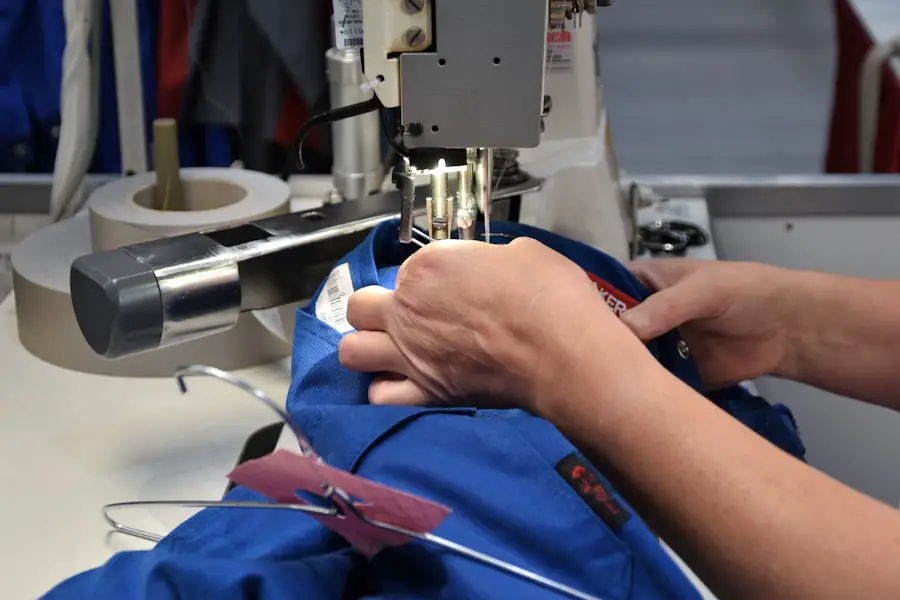
Durability becomes more important as the terrain gets rougher. Lightweight pants are pleasant in summer but may not tolerate repeated contact with granite, thorny vegetation, or rough scrambling as well as a heavier woven fabric.
Look at more than the fabric label. Reinforced high-wear areas, strong seams, quality zippers, secure pocket construction, and a fabric that matches your intended terrain all matter. A mountaineering pant designed for abrasion and a featherweight summer trail pant solve different problems.
Follow the care instructions on the garment label. Heat, harsh washing, fabric softeners, and other laundry choices can affect different technical fabrics and finishes in different ways. If the pants have a water-repellent finish, follow the manufacturer’s directions for cleaning and restoring that finish instead of assuming ordinary washing will maintain it forever.
A warranty can be worth considering when comparing similarly suitable pants, but warranty length alone does not prove that one pair will last longer than another. Fit, material, construction, care, and how hard you use the pants all affect lifespan.
Should You Wear Pants or Shorts Hiking?
Shorts can be comfortable on hot, maintained trails where sun exposure, insects, and abrasive vegetation are limited. They offer maximum airflow and remove fabric from around the lower legs.
Long pants make more sense when you want extra sun coverage, expect brush or rough rock, hike through tick habitat, encounter cooler temperatures, or simply prefer more leg protection. Lightweight pants can provide that coverage without feeling as heavy as jeans.
Convertible pants offer a middle ground because you can start in full-length pants and remove the lower legs when conditions become warmer.
Best Hiking Pants for Different Conditions
| Hiking Condition | Good Starting Choice |
| Warm day hike | Lightweight, breathable synthetic hiking pants, joggers, or convertible pants |
| Multi-day backpacking | Quick-drying stretch pants with durable fabric and hip-belt-friendly pockets |
| Brush or tick country | Full-length pants with durable fabric and good ankle coverage |
| Rocky scrambling | Stretch hiking or softshell pants with articulated knees and abrasion-resistant construction |
| Cool or windy trail | Midweight or softshell pants, with room for a base layer when needed |
| Sustained rain or wet snow | Waterproof rain pants worn over an appropriate hiking or base layer |
Common Hiking-Pants Mistakes to Avoid
- Choosing jeans for a cold or wet hike: Denim can hold water and become heavy, slow-drying, and chilling.
- Buying pants that only feel good while standing: Test a squat, high step, and long stride before deciding the fit works.
- Assuming water-resistant means waterproof: Light trail pants and waterproof rain shells serve different purposes.
- Ignoring your backpack: Waistbands and pockets that feel fine without a pack may become uncomfortable beneath a hip belt.
- Buying the heaviest fabric for durability: Extra toughness can also mean extra heat and weight. Match durability to the terrain you actually hike.
- Ignoring cuffs and inseam length: Pants that drag under your heel or catch on footwear can become annoying and unsafe on uneven ground.
Style and Aesthetics
Function should come first, but there is no reason hiking pants cannot suit your personal style. Outdoor clothing is available in traditional straight cuts, slim fits, jogger shapes, tights, cargo designs, and convertible styles.
Color is partly personal preference. Lighter colors may feel more practical for sunny conditions and can make ticks easier to spot, while darker colors tend to hide dirt and trail stains. Bright clothing may also make you easier for companions to see, but clothing color should never replace navigation skills, signaling equipment, or other safety planning.
If you want more value from one pair, choose a style that you are comfortable wearing away from the trail as well. A simple pair of stretch hiking pants can often work for travel and casual everyday use without giving up useful trail performance.
Budget and Value
You do not need the most expensive hiking pants to have a comfortable hike. Start with the features that solve real problems for your trips. For an occasional summer day hiker, a basic pair of quick-drying synthetic pants may offer better value than a technical alpine model with features that will never be used.
Spend more carefully when your hiking places greater demands on the clothing. Rough scrambling may justify tougher fabric and reinforced construction. Frequent backpacking may make a better waistband, secure pockets, stretch, and long-term comfort worthwhile. Cold or wet environments may require a separate base layer or waterproof rain shell rather than one expensive pair that tries to handle every condition.
Sales and clearance periods can make higher-quality clothing more affordable, but fit should still come before the discount. A bargain pair that chafes, restricts movement, or does not suit your climate is poor value.
When deciding what pants to wear when hiking, focus first on comfort, movement, quick drying, protection, and the weather you expect. Pants are only one part of the system. For multi-day trips, your backpack also affects comfort because its hip belt sits directly over the waistband and pockets. TakeTravelInfo’s guide to the best hiking backpack for a multi-day trek can help with that part of your setup.
Love travel? Join Our Facebook Community For More Tips.
Frequently Asked Questions
What are the best pants to wear when hiking?
For most hikes, lightweight nylon or polyester hiking pants with some stretch are a strong all-around choice. They should dry quickly, allow unrestricted movement, and suit the weather. Choose heavier softshell pants for colder or rougher conditions and waterproof rain pants when sustained rain is expected.
Should I wear shorts or pants when hiking?
Either can work. Shorts maximize airflow on warm, maintained trails. Long pants provide more coverage from sun, brush, insects, ticks, cool air, and abrasive terrain. Convertible pants are useful when you expect temperatures or trail conditions to change during the day.
What features should I look for in hiking pants?
Useful features include stretch fabric, articulated knees, a gusseted crotch, secure zippered pockets, an adjustable waistband, ventilation, roll-up or removable legs, adjustable cuffs, and a fabric weight that matches your climate and terrain.
Can I wear jeans when hiking?
Jeans may be tolerable on short, dry, low-risk walks, but they are a poor choice when cold or wet weather is possible. Cotton denim absorbs and holds water, dries slowly, and can become heavy and uncomfortable. Quick-drying synthetic hiking pants are a safer and more versatile choice for changing conditions.
Are there specific pants for different types of hiking?
Yes. Lightweight pants suit warm day hikes, durable stretch pants work well for backpacking and rough trails, softshell pants suit cooler and windier conditions, convertible pants handle changing temperatures, and waterproof rain pants provide a shell for sustained rain or wet snow.
Do I need waterproof hiking pants?
Not for every hike. Lightweight water-resistant pants are often more comfortable for ordinary trail use and brief moisture. For prolonged rain, wet snow, or very wet vegetation, waterproof rain pants worn as an outer shell provide more dependable protection.
What should I wear on my legs for winter hiking?
A common winter system is a synthetic or wool base layer under softshell or weather-resistant hiking pants. Add waterproof shell pants when wet snow, rain, or strong exposure requires them. Adjust the layers to your temperature, effort level, wind, and precipitation.
Sources
- Rocky Mountain National Park — Hypothermia — supports wicking layers and avoiding cotton and jeans in cold, wet conditions.
- Rocky Mountain National Park — Wilderness Camping Planning Checklist — supports hiking outer-layer pants and synthetic or wool underlayers.
- CDC — Preventing Tick Bites — supports protective clothing and 0.5% permethrin treatment for clothing and gear.
- CDC Yellow Book — Sun Exposure in Travelers — supports UPF clothing and the UPF 50 sun-protection explanation.
- Montana State University Outdoor Recreation — Trip Packing Guidance — supports synthetic, sturdy, quick-drying hiking bottoms and separate waterproof rain pants.