
Last Updated on July 27, 2026 by Daniel Globe
Choosing hiking pants is less about finding one “best” pair and more about matching the pants to your weather, terrain, activity, and preferred fit. Lightweight stretch pants work well for many day hikes, while softshell, convertible, insulated, or waterproof rain pants make more sense in specific conditions. Fabric, mobility, ventilation, pockets, and weather protection all matter.
Quick Answer
For most hikers, the best hiking pants are lightweight nylon or polyester blends with some stretch, a comfortable waistband, useful pockets, and enough weather resistance for the expected trail conditions. Choose waterproof rain pants for sustained rain, softshell pants for cool or rugged conditions, and convertible or highly breathable pants for variable warm weather.
Key Takeaways
- Match the pants to the weather and trail instead of choosing by brand alone.
- Nylon and polyester blends dominate hiking pants because they can be lightweight, quick-drying, and durable; elastane or spandex adds stretch.
- Water-resistant hiking pants are not the same as waterproof rain pants.
- A good fit should allow deep knee bends, high steps, and squats without pulling at the knees, seat, or waistband.
- Features such as articulated knees, a gusseted crotch, secure pockets, ventilation, and adjustable cuffs can make a bigger difference than extra styling.
- Always follow the garment’s own wash and drying instructions, especially when caring for stretch fabrics or a durable water-repellent finish.
Disclosure: As an Amazon Associate I earn from qualifying purchases. Some links on this page are affiliate links, at no extra cost to you.
Types of Hiking Pants
Hiking pants come in several styles, and each solves a slightly different problem. The most useful categories are traditional lightweight hiking pants, convertible pants, softshell pants, waterproof rain or hardshell pants, insulated pants, and close-fitting options such as hiking tights or leggings.
Traditional Hiking Pants
Traditional hiking pants are the most versatile choice for routine trail use. They are usually made from lightweight synthetic fabric with enough stretch for climbing steps, stepping over logs, and moving across uneven terrain. Many include a durable water-repellent finish for light showers, but that does not make them waterproof.
Convertible Hiking Pants
Convertible pants feature zip-off lower legs that turn the pants into shorts. They are useful when a hike begins in a cool morning and becomes hot later in the day, or when the route includes water crossings. They also reduce the need to pack separate shorts.
The tradeoff is the zipper around the thigh or knee. Some hikers barely notice it, while others find the zipper bulky during long walks. Try convertible pants while sitting, squatting, and climbing stairs before buying them.
Softshell Hiking Pants
Softshell pants are built for movement, abrasion resistance, breathability, and moderate weather protection. Stretchy woven fabrics make them especially useful for scrambling, climbing approaches, cool-weather hiking, and rough terrain.
Current technical softshells are commonly described as weather-resistant rather than waterproof. For example, Arc’teryx describes its Gamma softshell line as breathable, abrasion resistant, stretchy, and able to shed light rain and wind. See the Arc’teryx Gamma SL specifications for a current example.
Waterproof Rain and Hardshell Pants
Waterproof rain pants use a waterproof construction intended for prolonged rain, wet brush, snow, or similarly demanding conditions. They may use a waterproof membrane or coating plus seam sealing. Some also have side zippers for ventilation or easier on-and-off use over boots.
They normally feel less air-permeable than a typical softshell pant, although breathable membranes and vents can reduce clamminess. For many hikers, rain pants work best as a packable shell carried in the backpack and pulled over regular hiking pants when sustained rain begins.
Warning: Do not assume that a DWR-treated or “water-resistant” hiking pant will replace waterproof rain pants in prolonged or heavy rain. Water-resistant fabrics can eventually wet through.
Insulated Hiking Pants
Insulated pants add warmth for winter hiking, snowshoeing, slow-paced cold-weather trips, or situations with long periods of standing still. Active hikers often need less insulation than expected because climbing generates substantial body heat. In many conditions, a base layer under uninsulated hiking or softshell pants offers more flexibility.
Hiking Tights, Leggings, and Jogger-Style Pants
Stretch tights and leggings maximize freedom of movement and can reduce loose fabric around the legs. Jogger-style hiking pants add tapered cuffs and an elastic or drawstring waist. These styles can work well for moderate trails, but check abrasion resistance before using very light fabric around sharp rock or dense brush.
Choosing the Right Material for Your Hiking Pants
The fiber name on the label tells only part of the story. Fabric weight, weave, reinforcement, stretch, and finishing treatments also affect how hiking pants perform.
| Material | Strengths | Watch For |
| Nylon | Good abrasion resistance, low weight, quick drying | Stretch depends on weave or added elastane/spandex |
| Polyester | Quick drying, widely available, good moisture management in performance fabrics | Abrasion resistance varies widely by construction |
| Elastane / Spandex | Adds stretch and freedom of movement | High heat can damage some stretch fibers; follow the care label |
| Cotton | Soft and comfortable in dry casual use | Absorbs substantial moisture and dries slowly, making cotton-dominant pants a poor choice for many wet or cold hikes |
| Wool blends | Useful for temperature regulation and odor control, especially in base layers | Less common as the main outer fabric in lightweight hiking pants |
Nylon is a common choice because it can provide strong abrasion resistance without excessive weight. Polyester is also widely used and performs well in quick-drying outdoor clothing. Many hiking pants combine either fiber with elastane or spandex to improve stretch.
Do not assume that every nylon pant is tougher than every polyester pant. A reinforced polyester fabric can outlast a very light nylon fabric. Denier, weave, panel reinforcement, and garment construction all affect durability. REI’s current hiking-pants material guide similarly emphasizes both fiber type and overall construction.
Cotton feels comfortable when dry but holds much more moisture than typical performance synthetics and dries slowly. For hikes where rain, sweat, falling temperatures, or an unexpected delay could leave you wet, choose a faster-drying fabric. The National Park Service hiking-safety guidance specifically advises hikers to avoid cotton in favor of moisture-managing fabrics.
Note: “Moisture-wicking” is a property of the finished fabric, not simply a synonym for nylon or polyester. Check the garment description rather than assuming every synthetic fabric wicks sweat equally well.
Features to Look for in Hiking Pants
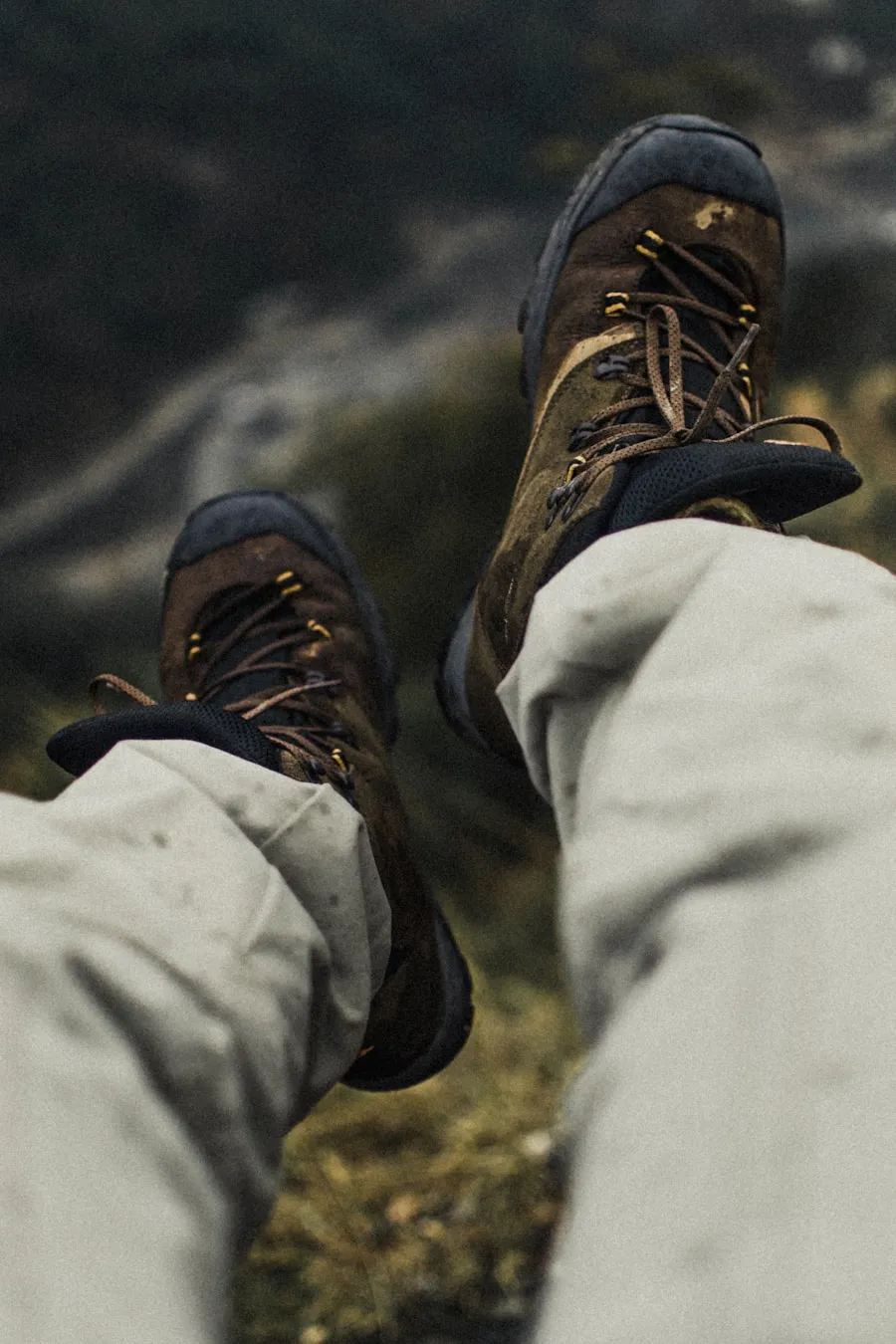
The best features are the ones that solve problems you actually encounter on the trail. Extra pockets and zippers can be useful, but they also add weight and complexity.
Pockets
Look for pockets that stay useful while wearing a backpack. A secure zippered thigh or hand pocket can hold a phone, wallet, map, or small snack. Large rear pockets may become uncomfortable underneath a loaded pack or hipbelt.
Stretch, Gussets, and Articulated Knees
Stretch fabric improves mobility, but patterning matters too. Articulated knees give the leg a pre-shaped bend, while a gusseted crotch adds fabric between the legs to reduce pulling during high steps, squats, or scrambling.
Ventilation
Some pants use mesh-lined pockets, thigh vents, or roll-up legs to release heat. Ventilation becomes especially valuable during steep climbs and warm-weather backpacking.
Adjustable Waist and Cuffs
Elastic sections, drawcords, integrated belts, or side adjusters can fine-tune the waist. Adjustable cuffs help keep loose fabric away from mud and vegetation and can make it easier to fit the pant leg over hiking footwear.
Reinforced Knees and Seat
Extra reinforcement can extend garment life when backpacking, scrambling, kneeling around camp, or hiking through abrasive terrain. The tradeoff is added weight and reduced breathability.
Sun Protection
Some hiking pants carry an Ultraviolet Protection Factor (UPF) rating. Treat UPF as a garment-specific specification rather than assuming that all hiking pants provide the same tested level of protection.
Insect Protection
Long pants reduce exposed skin in brushy or tick-prone areas. Clothing can also be purchased pretreated with permethrin or treated with an appropriate product according to its label. The CDC recommends 0.5% permethrin products for treating clothing and gear and advises following the product instructions.
Pro Tip: Put on your normal hiking backpack when trying pants. A waistband or pocket that feels fine in the fitting room may rub or become inaccessible once a hipbelt is tightened over it.
Finding the Perfect Fit for Your Hiking Pants
Hiking pants should feel secure at the waist without squeezing your abdomen or requiring constant adjustment. You should also have enough space through the seat and thighs to take long steps without pulling the waistband downward.
| Fit Check | What to Look For |
| Waist | Secure without pinching, gaping, or sliding down |
| Squat | No strong pulling across the seat, thighs, or knees |
| High step | Enough mobility to raise one knee toward hip height |
| Kneel | Knee fabric stays comfortable rather than cutting or binding |
| Inseam | Long enough for coverage but not dragging beneath the heel |
| Backpack test | Waistband and pockets remain comfortable beneath a pack hipbelt |
Many brands offer regular, slim, relaxed, short, regular-length, and tall options. These labels are not standardized across manufacturers, so use the size chart for the exact model rather than assuming the same labeled size will fit identically across brands.
Perform several squats, lunges, and high steps when trying pants. Sit down as well. Fabric that feels comfortable while standing still may pull across the knees or seat once you start moving.
Note: Never infer fabric, waterproofing, or weight from a brand name alone. Patagonia, Arc’teryx, Columbia, REI Co-op, and other manufacturers sell multiple pant categories with very different materials and weather protection. Compare the specifications for the exact model you are considering.
Hiking Pants for Different Weather Conditions
Hot and Dry Weather
Choose light, breathable pants with good moisture management and enough stretch for unrestricted movement. Looser cuts can improve airflow, while roll-up legs or convertible designs add flexibility. In exposed terrain, full-length lightweight pants can also protect your legs from sun and abrasive vegetation.
Warm and Humid Weather
Prioritize quick drying, ventilation, and low fabric weight. Heavy softshells can feel overly warm. Mesh-backed pockets, thigh vents, or very light woven pants can improve comfort when humidity limits evaporative cooling.
Wet Weather
For brief drizzle or wet vegetation, a water-resistant hiking pant may be enough. For sustained rain, carry waterproof rain pants or another waterproof lower-body shell appropriate for the forecast and route.
Waterproof pants are especially valuable when temperatures are cool because wet clothing can accelerate heat loss and make a minor weather change much more serious.
Cold Weather
Softshell pants are a strong choice for active cold-weather hiking because they combine stretch, wind resistance, breathability, and moderate warmth. In colder conditions, add a moisture-managing base layer underneath rather than immediately switching to very bulky insulated pants.
For severe wind, wet snow, or long periods of exposure, a waterproof or wind-blocking shell layer may be appropriate over the insulation system.
Variable Shoulder-Season Weather
Spring and fall can produce cold mornings, warm afternoons, wind, rain, and sudden temperature changes in the same day. Versatility matters more than maximum performance in one condition. Lightweight stretch pants plus a packable rain shell often provide a useful combination.
Choosing Hiking Pants for Different Activities
Different outdoor activities place different demands on pants. A smooth maintained trail does not require the same durability or mobility as scrambling through rock or carrying a heavy pack for several days.
Day Hiking
For maintained trails in mild weather, prioritize comfort, useful pockets, and a fabric weight appropriate for the temperature. A lightweight nylon or polyester stretch pant is enough for many hikers.
Backpacking
Backpacking increases the importance of durability, quick drying, odor management, waistband comfort under a hipbelt, and pockets that remain usable while wearing a pack. Reinforced knees or seat panels can be worthwhile on rough trips.
Scrambling and Rock Climbing
Look for stretch fabric, articulated knees, a gusseted crotch, and a relatively clean fit that reduces loose material around the feet. Abrasion resistance matters when moving against rough rock.
Camping and Travel
For trips that mix trails, camp, sightseeing, and transportation, versatile pants with a simple appearance can replace several specialized garments. Convertible pants offer maximum temperature flexibility, while understated stretch hiking pants often work well in town after the hike.
Water-Resistant vs. Waterproof Hiking Pants
This distinction is one of the most important parts of choosing hiking pants.
| Feature | Water-Resistant Hiking Pants | Waterproof Rain Pants |
| Best for | Light drizzle, damp brush, everyday hiking | Sustained rain, wet snow, severe wet conditions |
| Airflow | Usually better | Usually lower, though membranes and vents vary |
| Rain protection | Limited | Designed for much stronger protection |
| Typical role | Primary hiking pant | Often carried as an outer shell |
A durable water-repellent treatment, usually called DWR, helps droplets bead on the outer surface. DWR is not the same thing as a waterproof membrane, and its performance decreases as the garment becomes dirty or worn.
Tips for Maintaining and Caring for Your Hiking Pants
Proper maintenance can extend the life of hiking pants, but there is no universal wash-and-dry routine for every model. Start with the manufacturer’s care label.
- Empty every pocket. Small objects can damage fabric or washing machines.
- Close zippers and fasteners when the manufacturer recommends doing so.
- Use the specified water temperature and cycle. Do not assume cold water is mandatory for every technical garment.
- Avoid fabric softener when prohibited. Many performance garments specifically warn against it because residues can interfere with fabric performance.
- Use the specified drying method. Some pants should be line dried; others permit low tumble drying.
- Repair small tears early. A small patch is easier to manage than a rip that spreads through a knee or seat panel.
Caring for DWR-Treated Pants
Do not automatically apply a new DWR treatment after an arbitrary number of washes. First clean the garment according to its instructions. If water no longer beads after cleaning, follow the manufacturer’s guidance for restoring the finish.
For compatible GORE-TEX garments, the manufacturer explains that controlled heat can reactivate DWR and recommends reapplication only when normal cleaning and reactivation no longer restore beading. See the GORE-TEX garment-care guidance.
Modern DWR chemistry is also changing. Some current outdoor garments now advertise treatments made without intentionally added PFAS. This is model-specific, so check the current product specifications rather than assuming every new or older hiking pant uses the same treatment.
Budget-Friendly Options for Hiking Pants
You do not need the most expensive technical pants for ordinary day hiking. Start by identifying the features the trail actually requires. Paying extra for a heavy-duty alpine fabric, waterproof membrane, or complex ventilation system provides little value if your hikes are mostly on maintained trails in mild weather.
Brands such as Columbia and REI Co-op often carry practical options at relatively accessible price points, while Patagonia, Arc’teryx, and other technical brands offer models aimed at different levels of weather protection and rugged use. Compare individual models rather than ranking whole brands by a single fabric, weight, or waterproof rating.
Outlet stores, seasonal sales, used-gear shops, and previous-season colors can lower the price substantially. When buying used pants, inspect the crotch, knees, seat, hems, zippers, stretch panels, and any waterproof seam tape.
Convertible pants can also provide good value because one garment works as both full-length pants and shorts.
Hiking Pants Buying Checklist
Before buying, run through this short checklist:
- What temperatures will I usually hike in?
- Do I expect sustained rain or only occasional light showers?
- Will the trail involve brush, sharp rock, scrambling, or frequent kneeling?
- Do I need maximum airflow or more wind protection?
- Can I squat, lunge, kneel, and take a high step comfortably?
- Does the waistband work under my backpack hipbelt?
- Are the pockets accessible with my normal pack?
- Do the cuffs work with my hiking shoes or boots?
- Is the UPF rating important for my typical terrain?
- Do I need long-leg or permethrin-treated clothing for ticks or insects?
- Can I follow the garment’s care requirements at home?
In summary, the right hiking pants balance mobility, drying speed, durability, weather protection, and comfort for the conditions you actually encounter. Lightweight stretch pants cover a large range of hikes, but waterproof rain pants, breathable softshells, insulated options, or convertible designs can be better for specialized conditions. Fit and fabric construction matter at least as much as the logo on the label.
If you are planning a broader hiking or travel trip, good gear choices work best when paired with reliable destination research. For help choosing printed or digital trip resources, see this guide on how to choose the best travel guidebook for your next trip.
Love travel? Join Our Facebook Community For More Tips.
Frequently Asked Questions
What are hiking pants?
Hiking pants are pants designed for walking and other outdoor activities. Compared with ordinary casual pants, they commonly emphasize freedom of movement, quick drying, abrasion resistance, useful pockets, and weather-related features such as ventilation or water resistance.
What features should hiking pants have?
Useful features include stretch fabric, articulated knees, a gusseted crotch, secure pockets, adjustable cuffs, a comfortable waistband, and ventilation. Depending on the trail, you may also want reinforced panels, a tested UPF rating, convertible legs, or waterproof construction.
What are the benefits of wearing hiking pants?
Well-chosen hiking pants allow easy movement, dry faster than many casual fabrics, help protect your legs from brush and sun, and provide secure storage for small items. Specialized models can also add wind, rain, cold-weather, or abrasion protection.
How should hiking pants fit?
They should stay secure at the waist without pinching and give you enough room to squat, kneel, lunge, and take a high step. The knees and seat should not bind, and the cuffs should provide coverage without dragging under your shoes.
Are water-resistant hiking pants waterproof?
Usually not. Water-resistant hiking pants can shed light precipitation for a time, especially when treated with DWR. Waterproof rain pants use construction intended for much stronger and longer-lasting rain protection.
Should hiking pants be tight or loose?
Neither extreme is necessary. A slimmer cut can keep excess fabric out of the way while climbing, while a slightly roomier fit can improve airflow and layering. The best fit is the one that allows unrestricted trail movement without slipping or bunching.
Can hiking pants be used for other activities?
Yes. Hiking pants commonly work well for camping, backpacking, trekking, travel, yard work, casual outdoor use, and some climbing. Match the fabric weight and durability to the activity rather than assuming one model is ideal for every use.
Sources
- REI — How to Choose Hiking Pants — hiking-pant types, materials, fit, weather resistance, and common features.
- U.S. National Park Service — Hiking Safety — clothing and moisture-management safety guidance.
- Centers for Disease Control and Prevention — Preventing Tick Bites — clothing and permethrin guidance for tick exposure.
- GORE-TEX — Garment Care FAQ — washing, drying, DWR reactivation, and reapplication guidance.
- Arc’teryx — Gamma SL Pant — current example of a breathable, weather-resistant softshell pant.

