Last Updated on September 10, 2026 by Daniel Globe
Yes, you can wear hiking pants in Japan. In fact, they are one of the most practical choices for hiking, sightseeing, and long walking days because Japan’s weather ranges from hot and humid summers to cold mountain conditions. The best pair depends on the season, region, elevation, and type of trail you plan to tackle.
Quick Answer
Yes. Hiking pants are completely acceptable in Japan and are often a smart choice for trails, parks, and sightseeing. Choose lightweight, quick-drying pants for warm weather, add thermal layers in cold conditions, and carry proper waterproof rain pants when sustained rain or mountain weather is possible.
Key Takeaways
- Hiking pants are normal and appropriate for outdoor activities throughout Japan.
- Lightweight nylon or polyester-blend pants work well in hot, humid weather because they dry faster than cotton.
- Long pants can help protect against sun, insects, ticks, vegetation, and rough trail surfaces.
- Ordinary water-resistant hiking pants are not a substitute for waterproof rain pants in sustained mountain rain.
- Mount Fuji has specific 2026 entry, fee, footwear, and rain-gear rules that climbers should check before traveling.
- Hiking clothes are also fine in most casual urban settings, although individual temples, shrines, restaurants, or formal venues may have their own expectations.
Disclosure: As an Amazon Associate I earn from qualifying purchases. Some links on this page are affiliate links, at no extra cost to you.
Can You Wear Hiking Pants in Japan?
There is no general rule in Japan that prevents visitors from wearing hiking pants. On hiking trails they are entirely normal, and in cities they are also practical for travelers who expect to walk long distances.
Japan’s National Parks guidance recommends choosing clothing and footwear according to the region, weather, difficulty, and length of the hike. For more demanding hikes, it specifically recommends proper clothing, sturdy footwear, and warm and waterproof layers.
That flexibility matters because conditions differ greatly across Japan. Hokkaido can remain cool while Tokyo, Osaka, Kyoto, and other cities are hot and humid. High mountains can also be dramatically colder than the cities below them, even in midsummer.
Japan’s Climate and What It Means for Hiking Clothes
Japan has four distinct seasons and a climate ranging from subarctic northern Hokkaido to subtropical Okinawa. According to the Japan National Tourism Organization, spring and autumn are often comfortable for outdoor exploration, while summers are generally hot and humid and winter conditions vary sharply by region and elevation.
Summer temperatures can be demanding. Japan Meteorological Agency climate normals for 1991–2020 show an average daily maximum of about 31.3°C (88.3°F) in Tokyo in August and 33.7°C (92.7°F) in Osaka. Lightweight, breathable pants therefore make more sense than heavy trekking trousers for many low-elevation summer walks.
The rainy season also varies by region. The Japan Meteorological Agency places the typical Baiu onset around May 10 in Okinawa, around June 7 in Kanto/Koshin, and around June 15 in northern Tohoku. Hokkaido does not have the same established Baiu season.
Autumn can be excellent for hiking, but September should not automatically be treated as dry and settled. Tropical cyclones and autumn rain fronts can still bring heavy rain. October often brings more settled conditions in many parts of the country.
What Hiking Pants Work Best in Each Season?
| Season | Good Choice | What to Watch For |
| Spring | Light or midweight stretch hiking pants | Cool mornings, rain, and lingering snow at higher elevations |
| Summer | Lightweight, breathable, quick-drying pants | Heat, humidity, insects, strong sun, sudden rain, and cold high-altitude conditions |
| Autumn | Light or midweight hiking pants with room for a base layer | Typhoons and heavy rain early in the season; rapidly cooling mountain temperatures later |
| Winter | Weather-resistant hiking pants over thermal leggings; snow-specific gear where required | Snow, ice, wind, freezing temperatures, and closed alpine trails |
Pro Tip: Do not choose your pants based only on the weather in Tokyo, Kyoto, or Osaka. Mountain temperatures can be much lower. Pack for the highest elevation and worst realistic weather on your route.
Hiking Pants: Practical and Versatile
Good hiking pants are designed for movement. Look for a comfortable waistband, enough stretch for climbing steps and steep trails, and fabric that dries faster than denim or heavy cotton trousers.
Nylon and polyester blends are common because they are durable and dry relatively quickly. A small amount of elastane or spandex can improve freedom of movement. Some pants also include zippered pockets, articulated knees, ankle adjustments, or zip-off legs.
Do not assume every pair offers the same protection. Features such as UPF-rated fabric, water resistance, reinforced knees, insect treatment, and zip-off legs depend on the specific product.
Water-Resistant Pants vs. Waterproof Rain Pants
A durable water-repellent finish can help hiking pants shed a brief shower, but it does not make them equivalent to waterproof rain pants. In prolonged or wind-driven rain, a separate waterproof shell is much more dependable.
This distinction is especially important on mountain routes. Japan’s official national-park guidance recommends waterproof layers for challenging hikes because mountain conditions can change quickly.
Cultural Considerations for Clothing in Japan
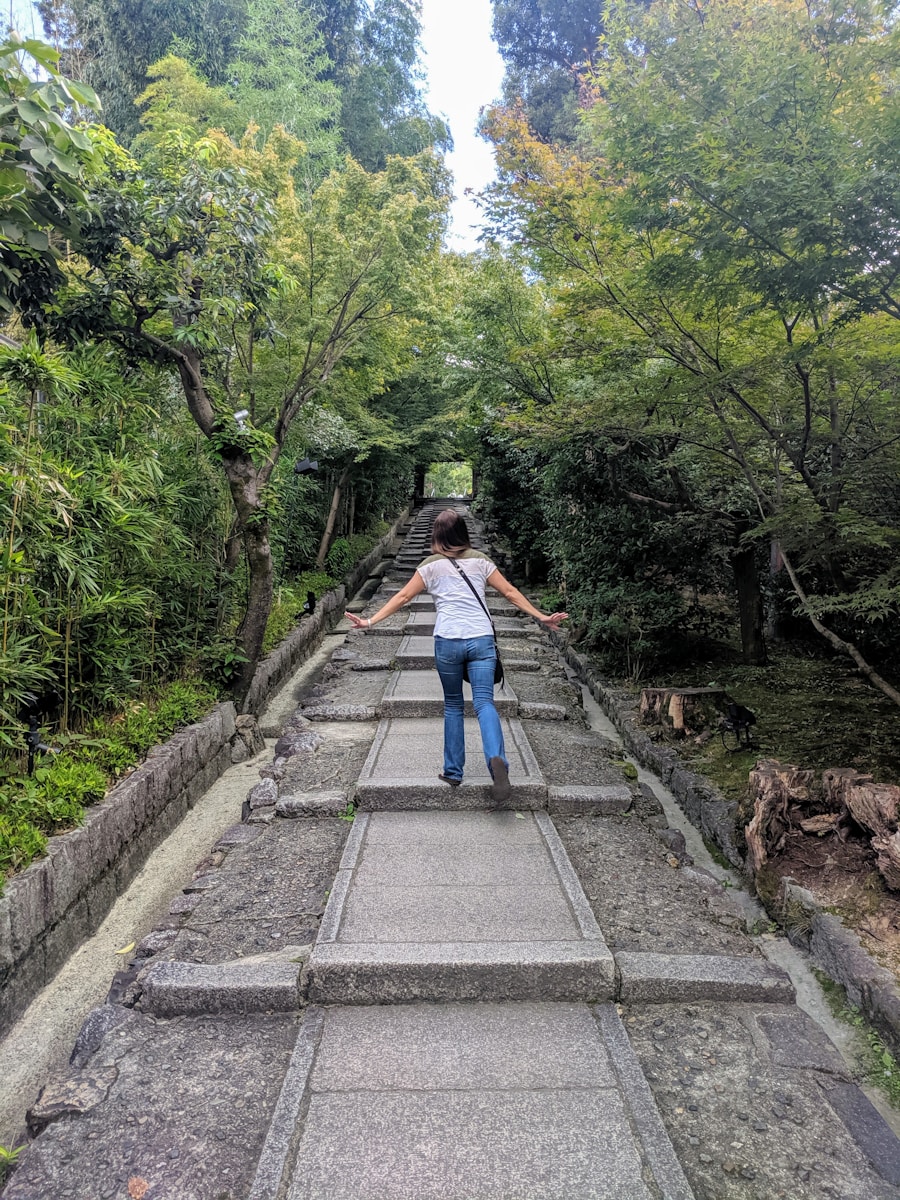
Hiking pants themselves do not create a cultural problem in Japan. They are ordinary functional clothing and are suitable for trails, parks, casual sightseeing, public transportation, and many restaurants.
It is better to think about the specific venue than to follow a broad rule about “Japanese modesty.” At shrines and temples, respectful behavior is more important than whether your trousers are designed for hiking. The Japan National Tourism Organization’s shrine and temple guidance notes that visitors may be required to remove shoes before entering some temple buildings and should follow posted photography and behavior rules.
For an upscale restaurant, business meeting, formal ceremony, or other dressy setting, hiking pants may simply look too casual. Travelers combining hiking with formal plans may want to carry a separate outfit.
Note: Shorts are not automatically disrespectful in Japan. Choose clothing based on the trail, weather, venue, and any posted rules rather than assuming that outdoor clothing violates a nationwide dress code.
Popular Hiking Destinations in Japan
| Destination | Example Route | Distance | What to Expect |
| Mount Fuji | Yoshida Trail ascent | 6.8 km up | About 1,450 m elevation difference; steep, rocky and gravel sections; cold and windy conditions possible near the summit |
| Kumano Kodo | Takijiri-oji to Tsugizakura-oji | About 17 km | About 1,260 m total ascent; steep climbs, roots, stone paths, rain and slippery surfaces |
| Nakasendo | Magome to Tsumago | About 8–9 km | Generally approachable forest and village walking with stone and uneven sections |
| Shirakami Sanchi | Route dependent | Varies by trail | Forest hiking conditions vary greatly; check the specific trail and current access before departure |
Japan offers everything from easy historic walks to serious alpine climbs. The Yoshida Trail on Mount Fuji is one of the country’s best-known mountain routes. According to the Official Website for Mt. Fuji Climbing, the trail climbs about 6.8 km from the Fuji-Subaru Line 5th Station to the summit, with an elevation difference of roughly 1,450 meters.
The Kumano Kodo is different. It is a network of pilgrimage routes rather than one 90-kilometer trail with a single difficulty rating. Some sections are short, while others involve long days and substantial climbing. The official Kumano Kodo safety guidance describes a mix of uneven trails, ancient cobblestones, stairs, roads, steep climbs, and wet surfaces.
For a gentler historical walk, the Magome-to-Tsumago section of the Nakasendo is roughly 8–9 kilometers and usually takes about 2.5 to 3 hours. Lightweight hiking pants or comfortable walking trousers are usually sufficient in suitable weather.
Shiretoko in Hokkaido offers a very different environment. It is important to check current brown-bear guidance and trail restrictions before hiking there. Clothing can protect against weather and vegetation, but it is not a substitute for proper wildlife precautions.
Warning: Do not use a generic Japan packing list as your only preparation for Mount Fuji, Shiretoko, or other serious mountain routes. Check the official trail website shortly before departure for opening dates, weather, closures, required equipment, wildlife alerts, and access restrictions.
Mount Fuji Clothing Rules for 2026
Mount Fuji deserves special attention because its current rules are more specific than the original article suggested.
For 2026, the Yoshida Trail climbing season is scheduled for July 1 through September 10, although the start can change because of weather or remaining snow. Current common Mount Fuji rules include a ¥4,000 hiking fee and restrictions on entering the mountain between 2 p.m. and 3 a.m. unless the climber is staying in a mountain hut.
The Yoshida Trail also has a daily limit of 4,000 climbers, excluding applicable mountain-hut guests. Official 2026 guidance says climbers passing through the Yoshida 5th Station gate must have appropriate equipment including warm clothing, two-piece rain gear, and suitable climbing footwear.
Check the official 2026 Yoshida Trail regulations before traveling because entry procedures and conditions can change.
Warning: Lightweight hiking pants with a water-repellent finish are not the same as the two-piece rain gear required under current Yoshida Trail equipment checks. Bring proper waterproof rainwear suitable for mountain conditions.
Tips for Choosing the Right Hiking Pants for Japan
Prioritize Quick-Drying Fabric
Nylon and polyester blends are practical because they generally dry faster than cotton. This is useful in humid weather, after sweating, and when passing showers leave clothing damp.
The Kumano Kodo’s official walking guidance specifically recommends clothing that dries easily and advises hikers to avoid cotton on demanding walks.
Choose Enough Stretch
Japan’s mountain trails can involve high steps, stone stairways, roots, steep climbs, and repeated squatting or stepping over obstacles. A stretch fabric or articulated knee design can make movement more comfortable.
Consider Long Pants for Insects and Vegetation
Long hiking pants provide another layer between your legs and biting insects, ticks, scratchy plants, and rough surfaces. Kumano Kodo’s official safety advice specifically recommends long sleeves and pants to reduce tick exposure.
Look for Secure Pockets
Zippered pockets are useful for a phone, rail pass, small wallet, trail map, or other items you do not want to lose while moving between trains, buses, towns, and trails.
Do Not Overlook Fit
Pants that are too tight can restrict high steps, while overly loose trousers can snag on vegetation. Try the pants while bending, climbing stairs, and lifting your knees before traveling.
Pro Tip: A lightweight pair of hiking pants plus separate waterproof shell pants is often more versatile than one heavy waterproof pair. You can wear the breathable pants most of the day and add the shell only when conditions demand it.
Benefits of Wearing Hiking Pants in Japan
Protection from Environmental Elements
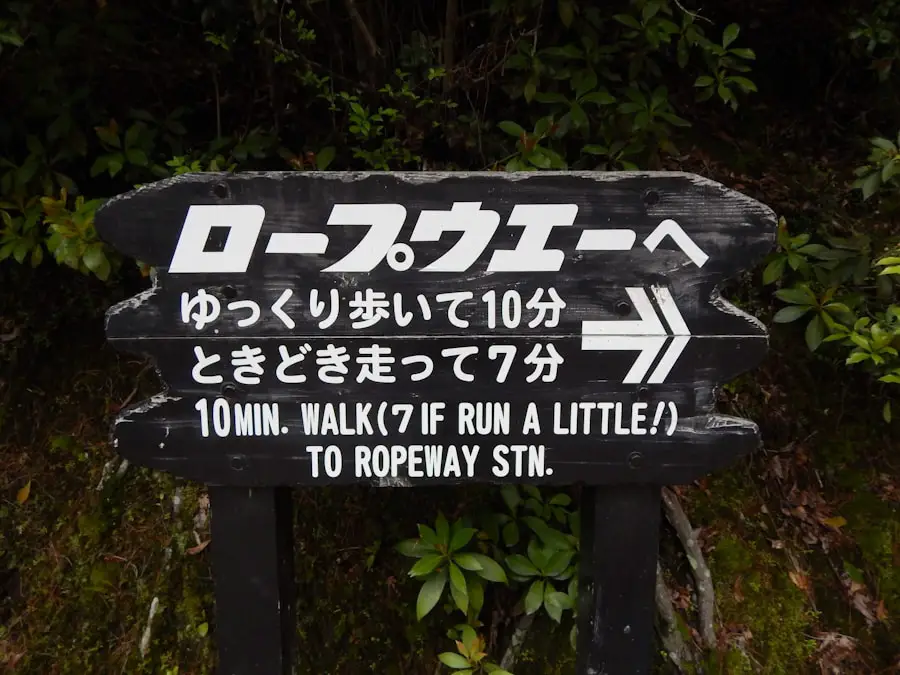
Long hiking pants can reduce direct sun exposure and help protect your legs from insects, ticks, branches, rough vegetation, and minor scrapes. That protection is particularly useful on forested and overgrown trails.
Convenience Features
Many hiking pants include zippered or deep pockets, stretch panels, adjustable cuffs, or integrated belts. Some models also have a tested UPF rating, although you should verify that feature on the specific garment rather than assuming all hiking pants provide certified sun protection.
Quick-Drying Capabilities
Quick-drying synthetic fabrics are useful in Japan’s humid summers and rainy conditions. They also make hand-washing clothes during a multi-day trip easier because the garment has a better chance of drying overnight.
For many Japan trips, the most useful hiking pants are not the heaviest or most technical pair—they are lightweight pants that dry quickly, move easily, and can be layered when conditions change.
Alternatives to Hiking Pants for Outdoor Activities in Japan
Shorts
Shorts can be comfortable for easy summer walks and urban sightseeing. Their main disadvantage is reduced protection from insects, ticks, vegetation, sun, and rough surfaces. On hot forest trails, lightweight long pants may actually be more practical.
Leggings or Hiking Tights
Athletic leggings can work well for walking and hiking if they are durable enough for the route. They provide excellent freedom of movement but may offer less abrasion resistance than dedicated trekking pants. There is no general requirement to cover them with a long top, although individual venues may have their own dress expectations.
Convertible Pants
Zip-off pants are useful when temperatures change substantially during the day. They also allow travelers to pack one garment that functions as both shorts and long trousers.
Jeans
Jeans are fine for casual sightseeing and dry-weather walks, but they are usually a poor choice for long, wet, or strenuous hikes. Denim becomes heavy when wet, takes a long time to dry, and can restrict movement compared with stretch hiking fabric.
Packing and Preparing for a Hiking Trip in Japan
Start with the specific trail rather than a generic packing list. Check the expected weather, elevation, opening status, transport schedule, daylight hours, water availability, and local warnings shortly before departure.
For many day hikes, a practical clothing system includes:
- Quick-drying hiking pants or walking trousers
- A moisture-managing shirt
- A light insulating layer when temperatures may drop
- A waterproof jacket
- Waterproof rain pants when sustained rain or mountain weather is possible
- Broken-in hiking or walking footwear suited to the terrain
- Comfortable hiking socks
- A sun hat and sunglasses
Japan’s National Parks guidance also recommends essentials such as water, sun protection, insect repellent, a first-aid kit, navigation tools, a flashlight or headlamp for more demanding routes, and enough food for the planned hike.
On the Kumano Kodo, official guidance recommends quick-drying layers, sturdy broken-in footwear, rainwear, a light source, insect repellent, enough water, and a first-aid kit. It also advises hikers to check current weather and route conditions because heavy rain can cause landslides or closures.
Trail etiquette matters as much as clothing. Stay on designated routes, carry out your trash, avoid picking plants, give wildlife space, and follow signs or instructions from local authorities.
Note: In bear habitat, including parts of Hokkaido and Honshu, check current local guidance before entering the trail. Shiretoko requires particularly careful brown-bear preparation. Long pants are useful clothing, but they do not replace proper wildlife precautions.
If your Japan hike is part of an overnight backpacking trip, your sleep system matters as well as your clothing. This guide to choosing the best sleeping bag for backpacking travel can help you think through another important part of your equipment.
Love travel? Join Our Facebook Community
Frequently Asked Questions
What are hiking pants?
Hiking pants are trousers designed for walking, trekking, and other outdoor activities. Many use lightweight synthetic fabrics that dry quickly and allow easy movement. Depending on the model, they may also include stretch fabric, reinforced areas, zippered pockets, adjustable cuffs, water resistance, or zip-off legs.
Can you wear hiking pants in Japan?
Yes. Hiking pants are appropriate for hiking, walking, sightseeing, public transportation, and most casual settings in Japan. Choose the weight and fabric according to the weather and trail conditions.
Are there restrictions on wearing hiking pants in Japan?
There is no general restriction on hiking pants. A particular temple, restaurant, ceremony, workplace, or formal venue may have its own expectations, so follow posted rules and dress appropriately for the setting.
What are the benefits of wearing hiking pants in Japan?
They can provide better freedom of movement than jeans, dry quickly after sweat or rain, and protect the legs from sun, insects, ticks, branches, and rough trail surfaces. Long lightweight pants are especially useful on humid forest trails.
Can hiking pants be worn in urban areas of Japan?
Yes. Hiking pants are fine for casual sightseeing and can be useful when you expect to walk all day. You may prefer dressier trousers for upscale restaurants, business settings, formal events, or other situations where outdoor clothing would look overly casual.
Can I hike in shorts in Japan?
Yes, especially on hot-weather walks, but shorts provide less protection from insects, ticks, sun, scratches, and rough vegetation. Lightweight long pants are often a better choice for forested or overgrown trails.
Do I need waterproof pants in Japan?
Not for every walk. However, separate waterproof rain pants are useful for sustained rain, exposed mountain routes, and trips where becoming wet could lead to dangerous cooling. Water-resistant hiking trousers alone may not provide enough protection in prolonged rain.
Are ordinary hiking pants enough for Mount Fuji?
No. Mount Fuji can be cold, windy, and wet even in summer. Current 2026 Yoshida Trail guidance requires climbers to have appropriate footwear, warm clothing, and two-piece rain gear. Check the official Mount Fuji website before your climb because regulations and trail conditions can change.
Sources
- Japan Meteorological Agency — Baiu climatology — regional rainy-season timing and the Hokkaido exception.
- Japan National Tourism Organization — Seasons and Climate — Japan’s seasonal and regional hiking conditions.
- Official Website for Mt. Fuji Climbing — 2026 Yoshida Trail Restrictions — 2026 season, fee, access restrictions, climber limit, and required equipment.
- Official Website for Mt. Fuji Climbing — Trail Comparison — official route distances, trailhead elevations, and estimated climbing times.
- Tanabe City Kumano Tourism Bureau — Kumano Kodo Tips & Safety — clothing, footwear, rain, insects, ticks, terrain, and trail preparation.
- Japan National Tourism Organization — Shrine and Temple Traditions — respectful behavior and visitor etiquette at religious sites.