
Last Updated on July 25, 2026 by Daniel Globe
Checking a hotel room for bed bugs only takes a few minutes, and the best time to do it is before you unpack. Focus first on the places closest to where people sleep: the mattress, box spring, bed frame, headboard, nearby furniture, and luggage rack. Look for live bugs, dark fecal spots, rusty stains, tiny eggs, or shed skins rather than relying on bites alone.
Quick Answer
Before unpacking, keep your luggage away from the bed and inspect the mattress seams, box spring, headboard, bed frame, nearby furniture, and luggage rack with a flashlight. Look for live bed bugs, dark fecal spots, rusty stains, eggs, or shed skins. If you find suspicious evidence, stop unpacking and notify hotel staff.
Key Takeaways
- Keep your suitcase closed and off the bed while you inspect the room.
- Start with the mattress, box spring, bed frame, and headboard because bed bugs commonly hide close to sleeping areas.
- Look for live bugs, dark fecal spots, rusty or reddish stains, pale eggs, and shed skins.
- Do not use bite marks alone to decide whether a room has bed bugs.
- Inspect the luggage rack before placing your suitcase on it.
- If you find credible evidence, photograph it if practical and notify hotel staff rather than spraying pesticides yourself.
- After a potentially exposed trip, inspect luggage and use high-heat drying for dryer-safe clothing; washing alone may not kill all bed bugs.
At a Glance
| Time Required | About 5–10 minutes for a basic room check |
| Difficulty | Easy |
| Tools Needed | Flashlight or phone flashlight; phone camera if you need to document evidence |
| Cost | $0 with tools you already carry |
Disclosure: As an Amazon Associate I earn from qualifying purchases. Some links on this page are affiliate links, at no extra cost to you.
Know What Bed Bug Evidence Looks Like
Bed bugs are small, flat, wingless insects that feed on blood. Adult common bed bugs are roughly 5 millimeters long on average and are usually reddish brown. Younger bugs can be smaller and paler. The Centers for Disease Control and Prevention notes that bed bugs can occur in hotels and other sleeping accommodations regardless of how clean or expensive the property appears.
The most useful evidence is physical evidence in or around the bed. According to the U.S. Environmental Protection Agency, signs can include:
- Live bed bugs.
- Rusty or reddish stains where bugs have been crushed.
- Small dark spots from bed bug excrement.
- Tiny eggs or eggshells.
- Pale shed skins left behind as immature bed bugs grow.
A sweet or musty odor can occur with a heavier infestation, but smell alone is not a reliable room check.
Bite marks are much less reliable than physical evidence. Bed bug bites can resemble mosquito bites, other insect bites, rashes, or hives, and some people show no visible reaction at all.
Bites may appear individually, in groups, or sometimes in a line. That pattern does not prove that bed bugs caused them. If you are trying to confirm a hotel-room problem, look for insects or other physical signs instead.
Note: Bed bugs are not known to spread disease to people, although their bites can cause itching, sleep loss, skin irritation, and occasionally allergic reactions.
Before You Unpack: Keep Your Luggage Away From the Bed
Do not place your suitcase on the bed as soon as you enter the room. Keep it closed while you perform the inspection. The EPA’s travel guidance recommends inspecting hotel rooms and luggage racks and keeping luggage off beds and floors when possible.
A bathroom or another hard-surfaced area away from the sleeping area can serve as a temporary place for your closed suitcase while you check the room. University of Minnesota Extension also recommends waiting to unpack until the inspection is finished.
Pro Tip: Keep a small flashlight in your travel bag. Bed bugs and their evidence are much easier to spot in mattress seams, screw holes, dark furniture joints, and the space behind a headboard when you can shine light directly into them.
Inspecting the Bedding and Mattress
The mattress is one of the first places to check because bed bugs tend to hide close to where people sleep. You do not need to strip the entire hotel bed. Pull back the top bedding and fitted sheet far enough to inspect the mattress surface, especially near the head of the bed.
Products Worth Considering

Practicle: 395nm wavelength help detect animal urine and food stains on rugs, carpets and clothes that couldn't see with naked eyes.

FRUSTRATED BY HIDDEN ODORS? – That lingering pet odor you can smell but can't locate, those invisible stains you can't clean—it ends now. Equipped with 51 high-intensity 395nm UV LEDs, Vansky black light reveals dried dog and cat urine and organic residues invisible to the naked eye. Pro Tip: Use in a dark room on completely dried urine for the brightest fluorescent glow (fresh wet urine will not fluoresce until dry). Follow our simple detect, clean, recheck method to pinpoint odor sources for targeted cleaning. No guessing, no sniffing, just effortless cleaning.

Maximized Use for Black Light UV Flashlight: This Black Light UV Flashlight instantly detects dried dog urine, food stains, and hidden grime on rugs and carpets. Identify cat ringworm and skin fungi for pet health; spot scorpions and bed bugs in dark rooms. Authenticate currency, passports, and ID cards; inspect jade and gemstones with ease. Reveal fluorescent agents in baby clothes and cosmetics to ensure family safety. A portable UV nail dryer for quick curing of nail gels and resin.
Check the mattress seams and corners
Use your flashlight to examine the piping, seams, folds, labels, and corners of the mattress. Look for live insects, dark spots, rusty stains, shed skins, eggs, or eggshells. Run your eyes slowly along the seam instead of making a quick visual sweep.
Check the box spring or bed base
If the construction of the bed allows you to see the box spring or foundation safely, inspect exposed seams, corners, fabric edges, and gaps. Do not dismantle hotel furniture or attempt to lift heavy components.
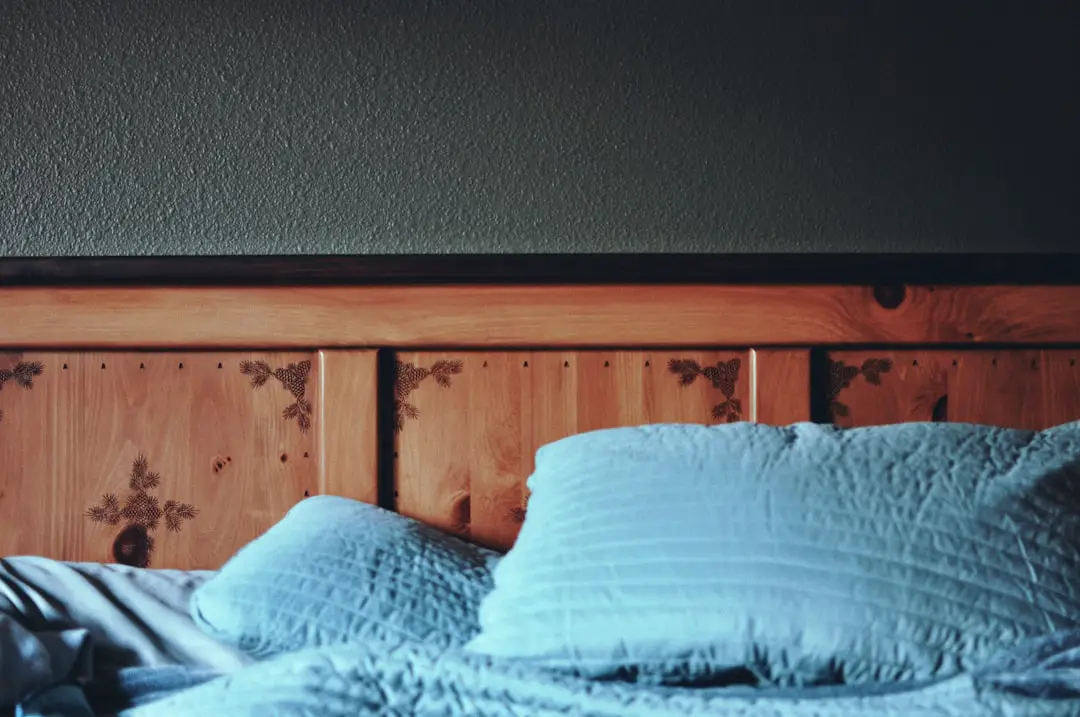
Inspect the bed frame and headboard
Check cracks and joints in the bed frame and the visible edges of the headboard. EPA guidance specifically identifies bed frames and headboards as common hiding areas.
Headboards can be heavy or permanently mounted, so travelers should inspect accessible edges and gaps rather than trying to remove them from the wall.
Checking the Furniture and Upholstery
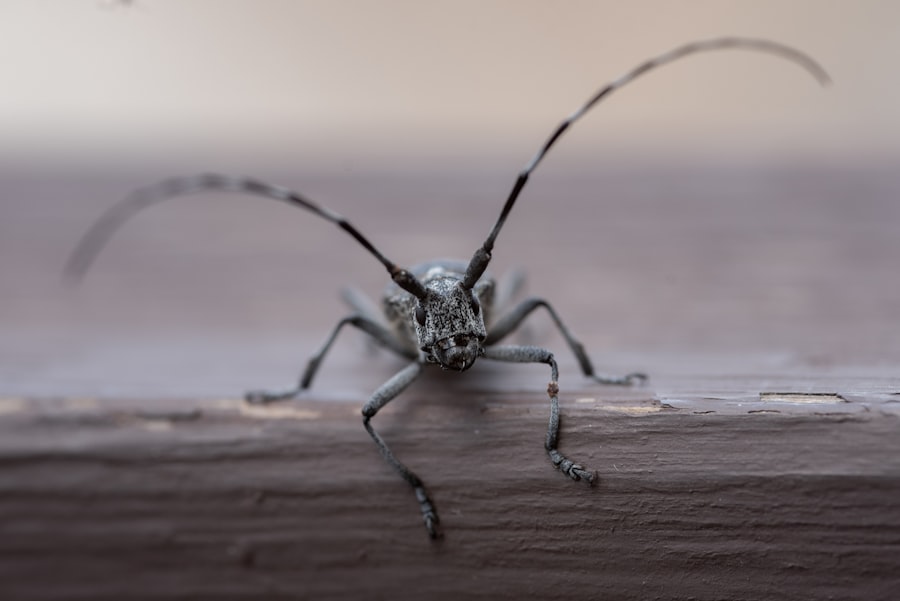
Bed bugs are not limited to mattresses. In a room with a larger infestation, they may also hide in upholstered chairs, sofas, curtain folds, drawers, and other cracks or joints near the sleeping area.
Start with furniture closest to the bed. Check seams, piping, cushion edges, and the spaces beneath removable cushions. On wooden furniture such as nightstands and dressers, look around joints, screw holes, drawer corners, and narrow cracks.
Dark spotting or shed skins deserve closer attention, especially when several signs occur together. A random stain by itself does not confirm bed bugs.
Warning: Do not spray hotel mattresses, furniture, luggage, or the room with pesticides, rubbing alcohol, bug bombs, or other improvised treatments. Notify hotel management instead. Misused pesticides and foggers can create health, fire, or explosion hazards.
Products Worth Considering

DETECT & TRAP BED BUGS: Detect and lure bed bugs from their hiding places with Ortho Home Defense Bed Bug Traps

ENVIRONMENTAL BED BUG SCREENING KIT – This rapid test kit is designed to detect bed bug-derived antigens from environmental surface samples collected from beds, mattresses, furniture crevices, and other suspected areas. It is intended for environmental hygiene monitoring, not for human specimen testing.
Natural Product. Easy to Use - Simply fold the trap and insert the tab at the top to hold it together
Examining the Walls and Baseboards
Bed bugs can squeeze into very narrow cracks. Once you have inspected the bed and nearby furniture, look at accessible baseboards, wall joints, loose wallpaper, picture frames, and other crevices close to the bed.
EPA guidance notes that heavier infestations may extend into wall hangings, electrical areas, drawer joints, curtain folds, and other small hiding places. These are secondary inspection areas, not a substitute for checking the mattress and headboard first.
| Area | What to Inspect | Evidence to Look For |
| Bed | Mattress seams, box spring, frame, headboard | Live bugs, dark spots, rusty stains, eggs, shed skins |
| Furniture | Seams, cushions, joints, drawers, screw holes | Dark spotting, insects, eggs, shed skins |
| Walls and baseboards | Cracks, loose wallpaper, wall hangings, edges near the bed | Bugs, dark fecal marks, shed skins |
| Luggage rack | Straps, joints, underside, cracks | Live bugs, eggs, spotting, shed skins |
Investigating the Luggage Storage Area
Bed bugs are effective hitchhikers, which is why the luggage rack deserves its own inspection. Before setting your suitcase on it, check the rack’s straps, joints, corners, underside, and any cracks where bugs could hide.
Once the rack appears clear, keep it away from the bed and, when practical, away from upholstered furniture and the wall. Keep your suitcase closed when you are not using it.
Avoid spreading clothing across the bed, carpet, or chairs. Dirty clothing and other belongings should go back into the suitcase or into a closed travel bag rather than forming piles around the room.
Searching for Bed Bugs in the Bathroom
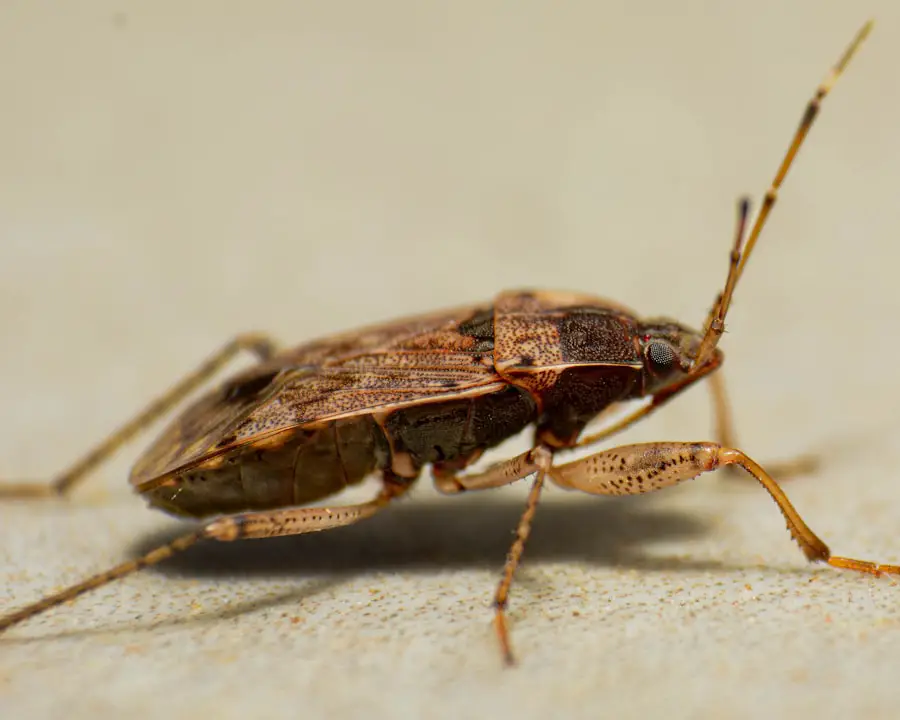
The bathroom deserves less attention than the sleeping area. Bed bugs prefer to remain near places where people rest, so the mattress, headboard, bed frame, nearby furniture, and luggage rack should receive most of your inspection time.
In fact, University of Minnesota Extension advises travelers that a bathroom can be a useful temporary location for luggage while checking the room because it is less likely to contain bed bugs than the bed area.
You can still glance around bathroom storage areas if you have a specific reason for concern, particularly if personal items or hotel linens have been stored there. However, there is little value in spending several minutes searching behind the toilet while skipping the mattress seams or headboard.
If clothing, towels, or other belongings have been placed on a surface you later suspect was exposed to bed bugs, keep those belongings contained until you can inspect or heat-treat them appropriately.
Reporting Any Findings to Hotel Staff
If you find a live insect or convincing bed bug evidence, stop unpacking and notify hotel staff or management immediately. Explain exactly where you found the evidence.
If practical, take a clear photograph before anything is disturbed. A photo can help document what you saw, although a photograph alone may not always be enough for definite species identification.
If the hotel offers another room, inspect that room before unpacking as well. If you are uncomfortable with the hotel’s response or continue to find evidence, leaving the property may be the safest practical choice for your belongings.
Avoid carrying loose belongings from a suspected room through the hotel. Keep clothing, bags, and other items contained as much as possible.
Pro Tip: If you find a small insect and can safely contain it without crushing it, a sealed clear bag or container may make professional identification easier. Do not handle suspected bed bugs with bare fingers.
Taking Preventative Measures for Future Travels
Checking a room before unpacking is one of the simplest ways to reduce the chance of carrying bed bugs home. The habit matters at every type of accommodation; bed bugs are not a sign that a hotel is dirty, and they can occur in high-end properties as well as budget lodging.
Products Worth Considering

Jumbo (39.35" x 27.55") Vacuum Storage Bags 7 Pack

Space Saving Storage Solution: Hefty SHRINK-PAK vacuum storage bags are the perfect storage solution for seasonal clothing and bedding, offering maximum shrinkage and effectively saving space in your closet, suitcase or under your bed

Vacuum Storage Bags 18 Pack,4 Jumbo, 4 Large, 4 Midium, 4 Small,2 Roll Bags Space Saver Sealer Bags, Airtight Compression Bags for Clothes, Pillows, Comforters, Blankets, Bedding,clothing
During your stay
- Keep luggage off the bed.
- Inspect a luggage rack before using it.
- Keep suitcases closed when practical.
- Avoid leaving clothes on beds, carpets, and upholstered chairs.
- Check your belongings before packing to leave.
When you return home
Inspect your suitcase carefully before storing it. EPA guidance recommends unpacking directly into a washing machine and using a dryer at high temperatures for items that can safely tolerate the treatment.
The important distinction is that washing alone generally may not eliminate bed bugs. EPA treatment guidance recommends drying appropriate clothing and bedding on high heat for 30 minutes when treating known or suspected exposure.
Store empty luggage away from your sleeping area when possible. EPA specifically recommends avoiding suitcase storage underneath the bed.
If you have strong reason to believe bed bugs entered your belongings, contain potentially affected items in sealed bags until they can be inspected or treated. For a confirmed home infestation, professional pest-management help may be appropriate because effective control often requires several methods rather than one spray or treatment.
What about luggage liners and protective covers?
Protective luggage covers or liners can add a barrier, but they should supplement rather than replace inspection. A cover does not make a suitcase immune to bed bugs if it is opened on an infested bed or if bugs enter through an opening.
Travel gear can make organization easier, but where you place your luggage and how you inspect the room matter more than buying special equipment. The site’s original hotel-room checklist is also available at TakeTravelInfo.
Frequently Asked Questions
What are bed bugs?
Bed bugs are small, flat, wingless insects that feed on the blood of people and animals. The common bed bug, Cimex lectularius, commonly hides in cracks and crevices close to sleeping areas, including mattress seams, box springs, bed frames, and headboards.
How can I check for bed bugs in a hotel room?
Keep your luggage away from the bed while you inspect. Pull back enough bedding to check mattress seams and corners, then examine the box spring, bed frame, headboard, nearby furniture, and luggage rack. Use a flashlight and look for live bugs, dark fecal spots, rusty stains, eggs, eggshells, or shed skins.
What are the signs of a bed bug infestation in a hotel room?
Useful signs include live bed bugs, dark fecal spotting, rusty or reddish stains, tiny eggs or eggshells, and shed skins. A sweet or musty odor can occur in heavier infestations. Bite marks alone are not reliable proof because they can resemble other bites or skin conditions.
What should I do if I find bed bugs in my hotel room?
Stop unpacking, keep your belongings contained, document the evidence if practical, and notify hotel staff or management immediately. Do not spray the room or hotel furniture yourself. If you move to another room, inspect it before unpacking.
Can I prevent bringing bed bugs home from a hotel?
You can reduce the risk by keeping luggage off the bed, inspecting the room and luggage rack, checking your belongings before leaving, and inspecting your suitcase when you return. For dryer-safe clothes that may have been exposed, high-heat drying is an effective control measure. Washing alone may not kill all bed bugs.
Are bed bug bites proof that my hotel room is infested?
No. Bed bug bites can resemble mosquito bites, flea bites, rashes, or hives, and some people do not react visibly. Look for physical evidence such as bugs, fecal spots, eggs, stains, or shed skins.
Do bed bugs spread disease?
Bed bugs are not known to transmit disease to people. Their bites can still cause itching, loss of sleep, skin irritation, and occasionally allergic reactions. Scratching irritated skin can also contribute to secondary infection.
Does finding no bed bugs during an inspection guarantee the room is clear?
No. Small infestations can be difficult to detect because bed bugs hide in very narrow spaces. A careful inspection reduces your risk but cannot guarantee that a room is completely free of bed bugs.
Sources
- U.S. Environmental Protection Agency — Tips for Travel — hotel-room inspection, luggage-rack use, luggage placement, and post-trip precautions.
- U.S. Environmental Protection Agency — How to Find Bed Bugs — physical infestation signs, hiding places, and why bites are a poor diagnostic indicator.
- Centers for Disease Control and Prevention — About Bed Bugs — appearance, bites, health effects, hiding places, and disease-transmission information.
- University of Minnesota Extension — Bed Bug Prevention and Control — hotel inspection procedure and temporary luggage placement.
- U.S. Environmental Protection Agency — Preparing for Treatment Against Bed Bugs — high-heat dryer guidance and clarification that washing alone may not be sufficient.
