
Last Updated on July 25, 2026 by Daniel Globe
Checking a hotel room for bed bugs takes only a few minutes and can lower the chance of carrying these pests home in your luggage. Before unpacking, place your bags away from the bed, use a flashlight to inspect the main hiding places, and know which signs are meaningful. A quick inspection cannot guarantee that a room is bed-bug-free, but it gives you a practical way to spot warning signs early.
Quick Answer
Before unpacking, keep your luggage in the bathroom or on a hard surface away from the bed. Use a flashlight to inspect the mattress seams, box spring, headboard, bed frame, nightstand, and luggage rack for live bugs, eggs, shed skins, dark fecal spots, or small blood stains.
Key Takeaways
- Inspect the room before placing clothes, bags, or personal items on the bed or upholstered furniture.
- Focus on mattress seams, the box spring, headboard, bed-frame joints, nearby furniture, and the luggage rack.
- Bites alone do not prove that bed bugs are present; live bugs provide the strongest confirmation.
- If you find evidence, photograph it, contain your belongings, notify hotel management, and request a nonadjacent room or different accommodation.
- After a possible exposure, inspect your luggage and dry suitable clothing on high heat before storing it.
At a Glance
| Time Required | 5–10 minutes |
| Difficulty | Easy |
| Tools Needed | A small flashlight; disposable gloves and a sealable bag are optional |
| Cost | $0–$10 if you already have a flashlight |
Disclosure: As an Amazon Associate I earn from qualifying purchases. Some links on this page are affiliate links, at no extra cost to you.
What Bed Bugs Look Like and Why Hotel Checks Matter
Bed bugs, including the common species Cimex lectularius, are small, flat insects that feed on the blood of people and animals, usually while the host is sleeping. According to the U.S. Environmental Protection Agency, adult bed bugs are about 5–7 millimeters long, or roughly 3/16–1/4 inch. Unfed adults are flat, oval, and brown; recently fed bugs may look swollen and reddish-brown.
Young bed bugs, called nymphs, are smaller and may be pale or almost translucent when they have not fed. Their pearl-white eggs are about the size of a pinhead. Bed bugs progress through egg, nymph, and adult stages, and nymphs require blood meals as they develop. Their small, flat bodies allow them to hide in narrow seams, joints, cracks, and folds.
Bed bugs have troubled people for centuries. Today, they commonly spread by hiding in luggage, overnight bags, folded clothing, bedding, furniture, and other portable belongings. They are not a sign that a traveler or hotel is dirty.
Bed bugs can occur in budget lodging or luxury resorts. Cleanliness and hotel rating do not determine whether they are present.
The Centers for Disease Control and Prevention states that bed bugs are not known to spread diseases to people. Their bites can still cause itching, loss of sleep, anxiety, allergic reactions, and skin infections caused by repeated scratching.
Signs of a Bed Bug Infestation
Physical evidence around the bed is more useful than relying on bites. Some people develop itchy red marks, while others show no skin reaction. Bite marks may appear randomly, in a cluster, or in a line, but the same patterns can result from other insects or skin conditions.
During your hotel-room inspection, look for:
- Live bed bugs: Adults are visible without magnification and are about the size of an apple seed.
- Dark fecal spots: These may resemble small black marker dots on mattress seams, sheets, furniture, or the headboard.
- Reddish or rusty stains: Small stains can appear when a recently fed bug is crushed.
- Shed skins: Growing nymphs leave pale or brownish outer skins in hiding places.
- Eggs or eggshells: Bed bug eggs are tiny, pale, and difficult to see without good lighting.
- A musty-sweet odor: This may occur in a heavier infestation but is not a dependable early warning sign.
Note: Stains, empty eggshells, or shed skins may remain after an earlier infestation has been treated. A live bug identified as a bed bug is stronger evidence of current activity. A hotel inspection reduces risk but cannot prove that every hiding place is clear.
How to Check a Hotel Bed for Bed Bugs
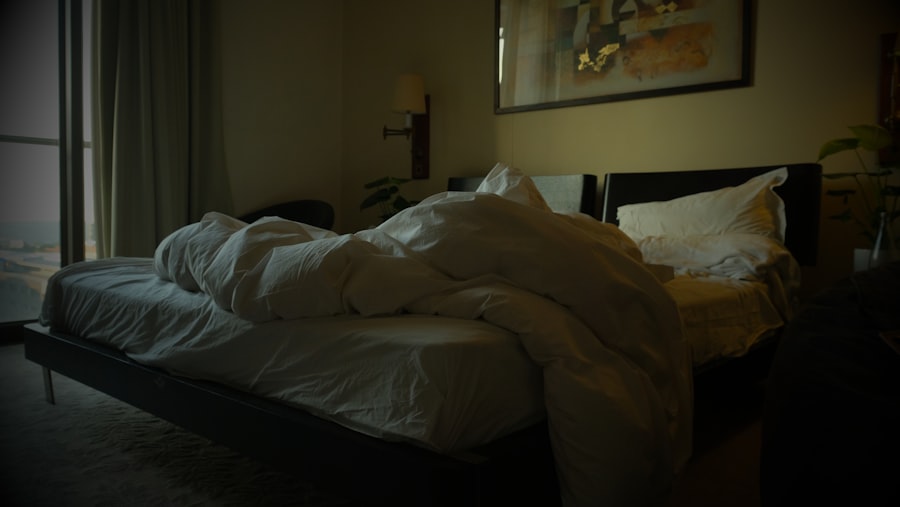
Inspect the room as soon as you arrive and before you unpack. The EPA’s travel guidance recommends checking the mattress, headboard, and luggage rack and keeping luggage away from the bed.
-
Place your luggage away from the bed. Keep bags closed in the bathroom, bathtub, entryway, or on another hard surface while you inspect. Do not place luggage on the bed, upholstered chair, carpet beside the bed, or an uninspected luggage rack.
-
Turn on the lights and use a flashlight. Even in a bright room, angled flashlight light makes dark spots, pale skins, eggs, and movement easier to notice.
-
Pull back the sheets carefully. Examine the mattress piping, seams, tags, corners, and folds. Work around the mattress in a consistent direction so you do not skip an area. Do not remove or damage hotel bedding or mattress covers.
-
Inspect the box spring, bed frame, and headboard. Look along visible edges, screw holes, brackets, joints, cracks, and the space between the headboard and wall. Ask hotel staff for assistance rather than detaching furniture yourself.
-
Check nearby furniture. Examine the seams and underside of upholstered chairs, the edges and drawers of the nightstand, baseboards near the bed, and nearby curtain folds when accessible.
-
Inspect the luggage rack before using it. Check the straps, joints, screw holes, underside, and the wall behind it. After inspection, pull it away from the wall and keep luggage zipped when not in use.
-
Look for more than one type of evidence. A single unexplained spot may not prove anything. Multiple fecal spots, skins, eggs, or a live insect deserve immediate attention.
-
Save evidence safely. Take clear photographs. When practical, trap a suspected insect under clear tape or in a sealed, break-resistant container without crushing it so a pest professional can identify it.
Pro Tip: Pack a small LED flashlight in an outside pocket of your luggage. It makes room inspection faster and prevents you from unpacking just to find a light.
What to Do if You Find Bed Bugs
| Step | What to Do |
|---|---|
| 1 | Stop unpacking and do not place additional belongings on the bed or furniture. |
| 2 | Photograph the insect, stains, skins, or eggs and note exactly where you found them. |
| 3 | Close your luggage. Place loose clothing and personal items in sealable plastic bags before moving them. |
| 4 | Contact the front desk or manager immediately and request an inspection by trained staff or a pest-management professional. |
| 5 | Request a room that does not share a wall with the suspected room when possible, or move to different lodging. |
| 6 | After leaving, inspect your luggage and heat-treat suitable clothing before bringing it into your bedroom or storage area. |
Warning: Do not spray pesticides, apply powders, release a fogger, or attempt a heat treatment in a hotel room. Do not use rubbing alcohol, kerosene, gasoline, a fireplace, or a propane heater to kill bed bugs. These methods can expose people to pesticides, spread the insects, damage property, or create a serious fire hazard.
Should You Accept Another Room?
A replacement room should be inspected before you move in. When possible, ask for a room that does not share a wall with the suspected room. Rooms directly above or below may also warrant caution because bed bugs can move through cracks and utility openings.
You may request a refund, relocation, laundering costs, or other compensation, especially when you have clear documentation. However, hotel policies and legal requirements vary, so do not present compensation as guaranteed.
Preventing Bed Bugs in Hotel Rooms
Bed bugs can be found in any type of lodging. Online reviews may alert you to recent guest complaints, but the absence of a report does not prove that a property is pest-free. Reviews can be incomplete, mistaken, outdated, or posted before a problem was treated.
Before the Trip
- Pack a small flashlight and several sealable plastic bags.
- Use washable packing cubes or bags that help contain clothing.
- Avoid overpacking, which makes it harder to keep clean and potentially exposed items separate.
- Know which garments can safely tolerate a high-heat dryer.
During the Stay
- Inspect before unpacking.
- Keep your suitcase zipped and elevated on an inspected luggage rack.
- Pull the rack away from the wall when space allows.
- Do not store luggage under the bed.
- Avoid placing clothes on the bed, carpet, or upholstered furniture.
- Use hotel drawers only after inspecting them, or keep clothing in closed packing bags.
- Keep worn clothing in a sealed bag rather than loose in the room.
When You Return Home
- Do not place the suitcase on your bed or bedroom carpet.
- Unpack on a light-colored hard floor, in a garage, or in another easy-to-clean area.
- Move washable clothing directly into the laundry process.
- Dry suitable items on high heat for at least 30 minutes or use the highest temperature the material can safely tolerate.
- Inspect the suitcase seams, pockets, wheels, zipper folds, handles, and lining with a flashlight.
- Vacuum the suitcase when appropriate. Empty the vacuum into a sealed bag and place it in an outdoor trash container immediately.
- Store clean luggage away from sleeping areas rather than under a bed.
High dryer heat is the important control step. Washing alone generally does not kill every bed bug or egg. Follow garment-care instructions and do not place heat-sensitive belongings in a dryer.
Reporting Bed Bugs to Hotel Staff
Report suspected bed bugs calmly and discreetly as soon as possible. A clear report allows hotel staff to close and inspect the room before another guest uses it.
Give management the following information:
- Your room number and the time you found the evidence.
- The exact location, such as the upper-left mattress seam or back of the headboard.
- Whether you saw a live insect, eggs, shed skins, stains, or only skin marks.
- Whether your clothes or luggage had already been unpacked.
- Clear photographs or a safely contained specimen, when available.
- The remedy you are requesting, such as a nonadjacent room, different accommodation, laundry assistance, or a refund.
Ask the manager to record the complaint and provide written confirmation of any room change, refund, cleaning assistance, or other agreement. Keep your reservation receipt, photographs, and related messages. Local lodging, consumer-protection, and public-health rules differ, so contact the appropriate local agency when a serious complaint is not addressed.
Bed Bug Treatment Options After Travel
If you discover a bed bug at home or continue finding physical signs after a trip, act promptly without carrying loose belongings from room to room. Correct identification matters because carpet beetles, bat bugs, cockroach nymphs, and other insects can be mistaken for bed bugs.
Contain and Inspect
Seal potentially exposed clothes and small belongings in sturdy bags or containers until they can be inspected or treated. Check the area where the suitcase was first placed, followed by nearby beds, upholstered furniture, baseboards, and cracks.
Use Laundry Heat Safely
Wash items when cleaning is needed, then dry them using the hottest setting the material can safely tolerate. Suitable dry items may be placed directly in a dryer. Guidance from the University of Minnesota Extension recommends about 30 minutes at medium-high or high heat for many suitable items.
Place cleaned items into new, clean bags or containers until the infestation has been controlled. Do not return treated clothing to an infested dresser or closet.
Vacuum and Reduce Hiding Places
Vacuuming can remove some visible bugs, skins, and eggs from mattresses, furniture, floors, bed frames, baseboards, and cracks. It does not usually eliminate an infestation by itself. Seal and discard the vacuum contents in an outdoor trash container immediately after use.
Bed-bug-rated mattress and box-spring encasements can reduce hiding places and trap bugs already inside. Choose durable covers that close completely and inspect them regularly for tears.
Use Professional Integrated Pest Management
A qualified pest-management professional can confirm the insect and create an integrated treatment plan. Depending on the infestation, that plan may combine inspection, monitoring, vacuuming, steam or controlled heat, encasements, targeted pesticides, and follow-up visits.
When pesticides are used, choose only products registered for the intended site and labeled for bed bugs. Follow the entire label. More pesticide is not better, and repeated spot treatments can increase exposure or cause insects to disperse.
Warning: Total-release foggers, commonly called bug bombs, generally do not reach the cracks where bed bugs hide. Never apply agricultural or outdoor pesticides indoors, and never use a pesticide on mattresses, bedding, clothing, people, or pets unless the product label specifically permits that use.
Caring for Bed Bug Bites
Bed bug bites often improve with basic hygiene and efforts to avoid scratching. Wash the area gently with soap and water. A pharmacist or healthcare professional can advise whether an over-the-counter anti-itch product is appropriate for you.
Seek medical care if a bite area becomes increasingly painful, warm, swollen, or filled with pus, or if redness continues to spread. Get urgent medical help for trouble breathing, facial or throat swelling, faintness, or another possible severe allergic reaction. Skin marks alone cannot confirm that bed bugs caused the reaction.
Conclusion and Final Tips
The best time to check a hotel bed for bed bugs is before you unpack. Keep luggage away from the bed, inspect the mattress seams, headboard, frame, nearby furniture, and luggage rack, and look for physical evidence rather than relying on bites.
If you find a suspected bed bug, stop unpacking, photograph or contain the evidence, close and bag your belongings, and notify hotel management. Request a nonadjacent room or different accommodation when possible, then inspect and heat-treat suitable belongings before storing them at home.
If signs appear after the trip, do not panic or begin spraying products at random. Contain exposed items, use dryer heat safely, and contact an experienced pest-management professional when an infestation is confirmed or suspected. A careful inspection and a controlled response can greatly reduce the chance of turning a hotel exposure into a home infestation.
Frequently Asked Questions
What are bed bugs?
Bed bugs are small, flat, wingless insects that feed on the blood of people and animals. Adults are reddish-brown and about 5–7 millimeters long. They usually hide in seams, cracks, folds, and furniture joints near sleeping areas.
Why should I check a hotel bed for bed bugs?
Bed bugs can hide in hotel furniture and travel home in luggage, clothing, or other belongings. A short inspection before unpacking may reveal warning signs and helps you keep your bags away from a suspected infestation.
How can I check a hotel bed for bed bugs?
Use a flashlight to inspect the mattress piping, seams, tags, corners, and folds. Check visible parts of the box spring, headboard, bed frame, nearby nightstand, upholstered furniture, and luggage rack for live bugs, eggs, shed skins, dark fecal spots, or rusty stains.
What should I do if I find bed bugs in my hotel bed?
Stop unpacking, take photographs, close your luggage, seal loose belongings in bags, and notify hotel management immediately. Request a room that does not share a wall with the suspected room when possible, or move to different lodging. Do not spray or heat-treat the hotel room yourself.
Can I prevent bringing bed bugs home from a hotel?
You cannot remove all risk, but you can reduce it. Keep luggage closed, elevated, and away from the bed; place worn clothing in a sealed bag; inspect the suitcase before storing it; and dry suitable clothing on high heat for at least 30 minutes after a possible exposure.
Do bed bug bites prove that a hotel room is infested?
No. Bed bug bites can resemble mosquito, flea, or other insect bites, and some people develop no visible reaction. Look for physical evidence and ask a qualified professional to identify a captured insect.
Should I move to the room next door?
Avoid an adjacent room when another option is available. Ask for a room that does not share a wall with the suspected room and inspect the replacement before moving your belongings into it.
Does a clean or expensive hotel have a lower bed bug risk?
Good inspection and pest-management practices can help, but cleanliness, room price, and hotel rating do not guarantee that bed bugs are absent. Bed bugs are hitchhikers and can be introduced through a guest’s belongings.
Sources
- U.S. Environmental Protection Agency: Tips for Travel — supports hotel-room inspection, luggage-rack use, and post-trip dryer guidance.
- U.S. Environmental Protection Agency: How to Find Bed Bugs — supports identification signs and common hiding places.
- U.S. Environmental Protection Agency: Do-It-Yourself Bed Bug Control — supports heat, vacuuming, pesticide, and fire-safety guidance.
- Centers for Disease Control and Prevention: About Bed Bugs — supports health effects, appearance, bite variability, and disease-transmission guidance.
- National Pesticide Information Center: Bed Bugs — supports pesticide-label, resistance, dust, and fogger precautions.
- University of Minnesota Extension: Bed Bug Prevention and Control — supports hotel inspection, laundering, luggage treatment, and professional-control guidance.
