
Last Updated on July 26, 2026 by Daniel Globe
Checking your accommodations for pests is one of the most critical steps you can take when arriving at any hotel, motel, or vacation rental. Bed bugs (Cimex lectularius) are parasitic insects that feed on human blood, and their small size and nocturnal habits make them master hitchhikers. Taking just five minutes to perform a methodical hotel room inspection upon arrival can safeguard your health, ensure a peaceful stay, and prevent thousands of dollars in pest remediation costs at home.
Quick Answer
To inspect a hotel room for bed bugs, immediately place your luggage in the bathroom or on a hard tile floor. Use a flashlight and a credit card to check mattress seams, box springs, headboards, and upholstered furniture. Look for live reddish-brown insects, dark fecal spots, and shed skins before unpacking any personal belongings.
Key Takeaways
- Stage luggage safely: Keep suitcases off beds and carpets; store them in the bathtub or on luggage racks away from walls during inspection.
- Look for key evidence: Watch for dark fecal ink spots, rusty blood stains, pale shed exoskeletons, or a sweet, musty odor.
- Check major hiding zones: Focus on mattress seams, box spring corners, headboards, nightstands, and nearby electrical outlets.
- Act quickly if found: Report infestations immediately to hotel management, document evidence with photos, and request a room at least two floors away.
- Decontaminate after travel: Wash all clothing in hot water and dry on high heat for at least 30 minutes upon returning home.
At a Glance
| Time Required | 5–10 minutes per room |
| Difficulty | Beginner / Easy |
| Tools Needed | Flashlight (or smartphone light), credit card or stiff plastic card |
| Cost | $0 |
Disclosure: As an Amazon Associate I earn from qualifying purchases. Some links on this page are affiliate links, at no extra cost to you.
Identifying Common Signs of Bed Bug Infestations in Hotel Rooms
Identifying the early signs of bed bug activity is essential for protecting your health and personal belongings during travel. Adult bed bugs are roughly the size and shape of an apple seed (4 to 5 mm long), flat, and oval-shaped with a reddish-brown color. Because they are nocturnal parasites that hide in dark cracks during daylight hours, you will often find indirect visual evidence of their presence before spotting a live insect.
According to the U.S. Environmental Protection Agency (EPA), key indicators of bed bug activity include:
- Fecal Spotting: Small, dark brown or black dots that look like fine-tip marker ink stains on fabric or wood. These spots occur when bed bugs excrete digested blood.
- Shed Skins (Exuviae): Translucent, pale-yellow exoskeletons cast off by young nymphs as they mature through growth stages.
- Blood Stains: Small reddish or rust-colored smears on bed sheets, pillowcases, or mattress seams caused by crushed insects or minor feeding leaks.
- Eggs and Eggshells: Tiny, pearl-white eggs about 1 millimeter long, frequently deposited in tight fabric folds or wood joints.
- Musty Odor: In moderate to heavy infestations, bed bugs release alarm pheromones that produce a distinct sweet, musty odor resembling coriander or damp towels.
Warning: Bed bug bites often appear as small, red, itchy welts arranged in clusters or zigzag lines (often called “breakfast, lunch, and dinner” patterns). However, bite reactions can take several days to appear, and some individuals show no skin reaction at all. Never rely on skin bites alone to diagnose an infestation.
Preparing for a Thorough Hotel Room Inspection
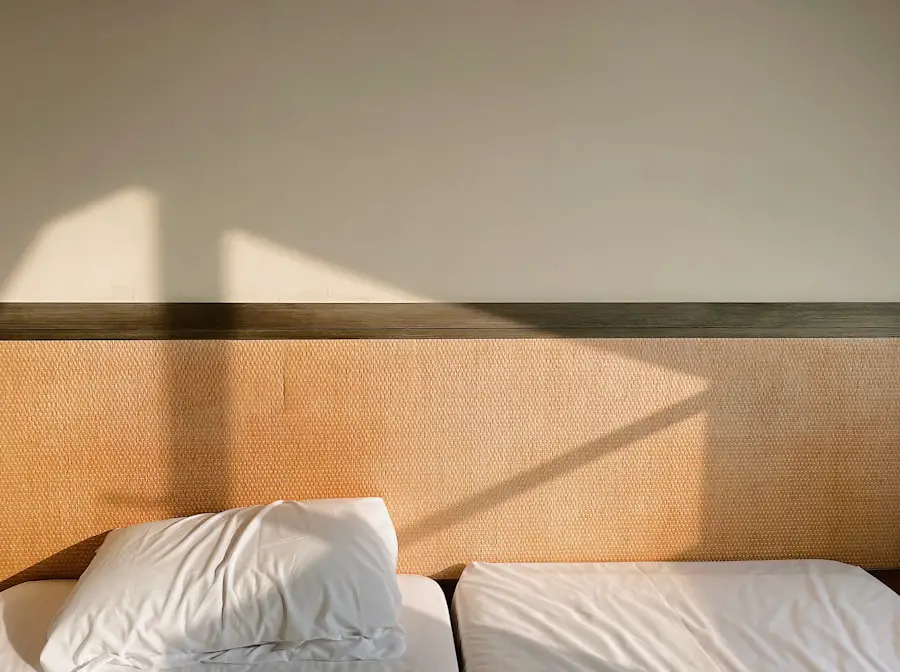
Proper preparation is the foundation of an effective room inspection. Before entering your hotel room, mental preparedness and having the right equipment ready will keep you from making critical mistakes—such as setting your bags directly on an infested bed.
Pro Tip: The moment you enter your hotel room, place your luggage directly into the bathroom bathtub or on a hard tile floor. Bed bugs cannot easily climb smooth porcelain or tile surfaces, making the bathroom the safest holding zone while you perform your examination.
To perform a comprehensive check, equip yourself with two simple tools:
- High-Powered Light: Use a small LED flashlight or your smartphone’s built-in flashlight to illuminate dark cracks, headboards, and mattress crevices.
- Inspection Card: A credit card, hotel key card, or stiff plastic card allows you to scrape along mattress seams and slide into dark furniture gaps to push out hidden insects or debris.
Step-by-Step Guide to Inspecting a Hotel Room for Bed Bugs
| Area to Inspect | Specific Hiding Spots | Signs of Bed Bugs |
|---|---|---|
| Bed and Bedding | Sheets, mattress seams, piping, tufts, mattress tags, box spring corner guards | Reddish blood stains, black fecal specks, shed nymph skins, live bugs |
| Headboard & Frame | Back side of wall-mounted headboards, frame joints, screw holes | Dark ink-like spots in wood crevices, white egg clusters |
| Upholstered Furniture | Cushion seams, fabric undersides, armchair tufts, desk chair joints | Fecal spots along fabric seams, shed exoskeletons |
| Surrounding Room Area | Baseboards, nightstands, wall outlet plates, behind picture frames | Live bugs clinging to dark corners, fecal spotting near wall cracks |
Follow this systematic inspection order to ensure no critical hiding spot is overlooked:
- Secure Luggage: Park all bags in the bathtub or on a tile floor. Avoid soft chairs, carpets, and folding racks until the check is complete.
- Examine the Bed Linen: Pull back the comforter, duvet, and fitted sheet. Look closely at the mattress corners and piping for stains or small insects.
- Check the Mattress & Box Spring: Lift the fitted sheet further. Run a plastic credit card along the sewn piping and seams of the mattress. Carefully lift the mattress to examine the top and plastic corner guards of the box spring.
- Inspect the Headboard: Shine your light behind and beneath the headboard. Because headboards are often bolted directly to walls, bed bugs frequently harbor in the narrow crevice between the wall and the headboard frame.
- Check Adjacent Furniture: Open nightstand drawers and look inside joint seams. Check nightstand lamps, alarm clocks, and desk chairs.
- Examine Baseboards & Wall Fixtures: Inspect baseboards directly adjacent to the headbed, as well as nearby electrical outlet faceplates and framed wall art.
“Bed bugs can survive for months without a blood meal. A thorough 5-minute visual inspection before unpacking is your best defense against an expensive home infestation.”
Using Tools and Equipment to Aid in the Inspection Process
While a basic flashlight and credit card are sufficient for quick travel checks, specialized inspection gear can enhance your detection capabilities:
- High-Lumen Tactical Flashlight: Standard phone lights work well, but a focused 300+ lumen flashlight helps slice through dim hotel lighting to illuminate deep crevices.
- Magnifying Glass: A portable 5x or 10x magnifier helps distinguish harmless carpet beetle larvae or lint from bed bug eggs and young nymphs.
- Disposable Gloves: Latex or nitrile gloves protect your hands when pulling back dusty mattress corners or inspecting dirty upholstery joints.
- Protective Luggage Encasements: Sealable, plastic, or hard-shell luggage options make it difficult for hitchhiking pests to attach to your gear. If you regularly travel with specialized gear—such as packed bags for outdoor sports—keep gear stored away from sleeping quarters. (For packing advice on specific gear, see choosing a softside carry-on luggage option, carrying a travel fishing rod, or packing odor-resistant merino wool travel socks).
What to Do If Bed Bugs Are Found During the Inspection

Discovering pests in your room is unsettling, but staying calm and taking immediate, logical steps will keep the issue contained:
- Do Not Unpack: Grab your belongings immediately from the safe bathroom holding area. Keep all bags closed and sealed.
- Document the Evidence: Take clear, high-resolution photos and video clips of any live insects, fecal marks, shed skins, or blood stains. Note the exact location (e.g., upper right mattress seam, behind headboard).
- Alert Front Desk Management: Contact hotel management directly. State your findings clearly and present your photo evidence. Request an immediate room change or a full refund so you can move to another hotel.
Note: If changing rooms within the same property, insist on a room that is not directly adjacent to, immediately above, or directly below the infested room. Bed bugs easily travel through wall voids, utility conduits, and electrical wiring paths.
Communicating with Hotel Staff About Bed Bug Concerns
Professional hotel managers understand that bed bugs can enter any property via guest baggage regardless of room cleanliness or hotel star ratings. When bringing your concern to hotel personnel, maintain a calm, firm, and factual demeanor:
- Speak Privately: Discuss the situation discreetly with the front desk manager rather than making a public disturbance in the lobby. Polite, professional communication yields faster resolutions.
- Show Documentation: Share the photographs and location notes you gathered during your inspection.
- Ask About Remediation Protocols: Reputable hotels follow strict pest management guidelines. Inquire if a certified pest control operator will inspect the room and whether the hotel will cover professional dry cleaning for gear exposed to the space.
Preventative Measures to Take When Returning Home from a Hotel Stay
According to the Centers for Disease Control and Prevention (CDC), bed bugs frequently spread by traveling inside suitcases, clothing, and folded bedding. Taking proactive steps when arriving home prevents hitchhikers from spreading into your residence:
- Unpack Outside or in a Utility Area: Avoid bringing suitcases into your bedroom. Unpack luggage in a garage, entryway, or laundry room with hard flooring.
- High-Heat Laundering: Wash all worn and unworn travel clothing in hot water. Dry everything on high heat for at least 30 minutes. Temperatures exceeding 120°F (49°C) kill all bed bug life stages, including eggs.
- Vacuum and Sanitize Bags: Vacuum suitcases inside and out, paying special attention to seams, zippers, and interior pockets. Dispose of the vacuum bag or empty the vacuum canister into an outdoor trash bin immediately.
- Store Luggage Correctly: Store empty suitcases in garbage bags or sealed protective covers away from beds and upholstered furniture.
Resources for Reporting Bed Bug Infestations in Hotel Rooms
Reporting infestations helps protect future travelers and ensures hotels maintain health and safety standards:
- Local County Health Department: Most municipal health agencies accept public accommodation complaints and can order formal property inspections.
- Public Reporting Registries: Consumer reporting sites allow travelers to post verified encounter reports to warn fellow travelers.
- Corporate Guest Relations: If staying at a chain hotel, escalate unaddressed room issues to corporate guest relations to ensure pest control follow-up occurs.
Understanding Legal Rights and Responsibilities Regarding Bed Bug Infestations in Hotels
Hotels have a legal duty of care to provide safe, habitable lodging free from pest infestations. If a hotel fails to maintain clean conditions, guest rights may include:
- Room Fee Refunds: Entitlement to full refunds for uninhabitable rooms.
- Reimbursement for Expenses: Recovery of costs for laundered clothes, luggage replacement, or medical treatment for severe bite reactions.
- Guest Obligations: Guests must notify hotel management promptly upon discovery and provide reasonable proof of infestation before pursuing formal legal action or credit card chargebacks.
Tips for Preventing Bed Bug Infestations in Your Own Home After a Hotel Stay
Long-term protection requires ongoing vigilance even after your trip concludes:
- Use Mattress Encasements: Install lab-tested, bed-bug-proof zippered encasements on your home mattresses and box springs to eliminate potential hiding spots.
- Monitor Sleep Areas: Perform periodic checks of your home mattress seams when changing bed linens.
- Maintain Cleanliness & Reduce Clutter: Regular vacuuming and keeping bedroom floors free of clutter reduces potential insect harborage zones.
Frequently Asked Questions
What are bed bugs?
Bed bugs are small, reddish-brown, wingless insects that feed on the blood of humans and animals. Adults are roughly the size of an apple seed. They hide in dark cracks, seams, and furniture crevices near sleeping areas.
Why is it important to inspect a hotel room for bed bugs?
Inspecting your room prevents bed bugs from hitchhiking into your luggage, clothing, and personal items. Detecting an infestation before unpacking saves you from bringing pests home and avoids expensive residential pest control treatments.
How can I inspect a hotel room for bed bugs quickly?
Place your luggage in the bathroom first. Use a flashlight and a credit card to inspect mattress piping, box spring corners, headboards, and nearby upholstered furniture. Look for dark fecal specks, shed skins, or small reddish bugs.
What should I do if I find bed bugs in my hotel room?
Keep your luggage closed, photograph the evidence, and inform front desk management immediately. Request a refund or move to a new room that is at least two floors away and not directly adjacent to or above/below the infested room.
Can I prevent bringing bed bugs home from a hotel?
Yes. Keep luggage off beds and carpets during your stay. Upon returning home, unpack in a laundry or utility room, immediately wash all clothing in hot water, and dry on high heat for at least 30 minutes.
Sources
- U.S. Environmental Protection Agency (EPA) — Bed Bug Identification, Lifecycle, and Integrated Pest Management Guidelines.
- Centers for Disease Control and Prevention (CDC) — Bed Bugs Frequently Asked Questions & Health Guidance.
- National Pest Management Association (NPMA) — Bed Bug Prevention and Travel Inspection Protocols.
