
Last Updated on July 28, 2026 by Daniel Globe
Southern France offers a different kind of trip in every season, from spring gardens and Provençal villages to summer beaches, autumn vineyards, and winter days on the French Riviera or in the Southern Alps. The best time to travel depends on whether you care most about comfortable weather, swimming, lavender, festivals, wine harvests, lower prices, or snow sports.
Quick Answer
The best time to travel to Southern France is usually April through June or September through October. These shoulder months bring comfortable sightseeing weather, fewer peak-summer crowds, and better availability. Choose late June or July for lavender and beaches, September for vineyard experiences, or winter for quiet coastal cities and Southern Alps snow sports.
Key Takeaways
- April to June and September to October offer the best overall balance of weather, crowds, and availability.
- July and August are best for beaches and major summer events, but they also bring the highest heat, demand, and prices.
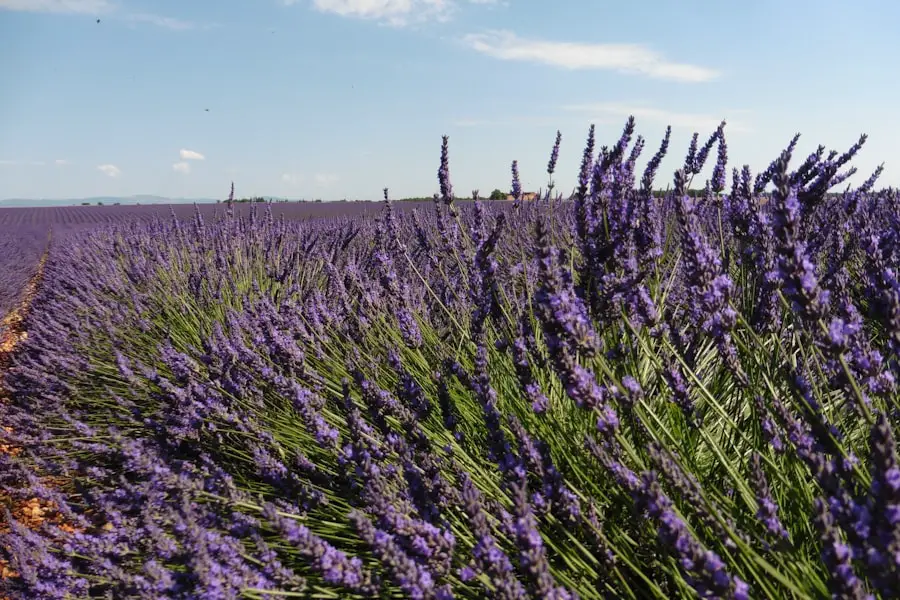
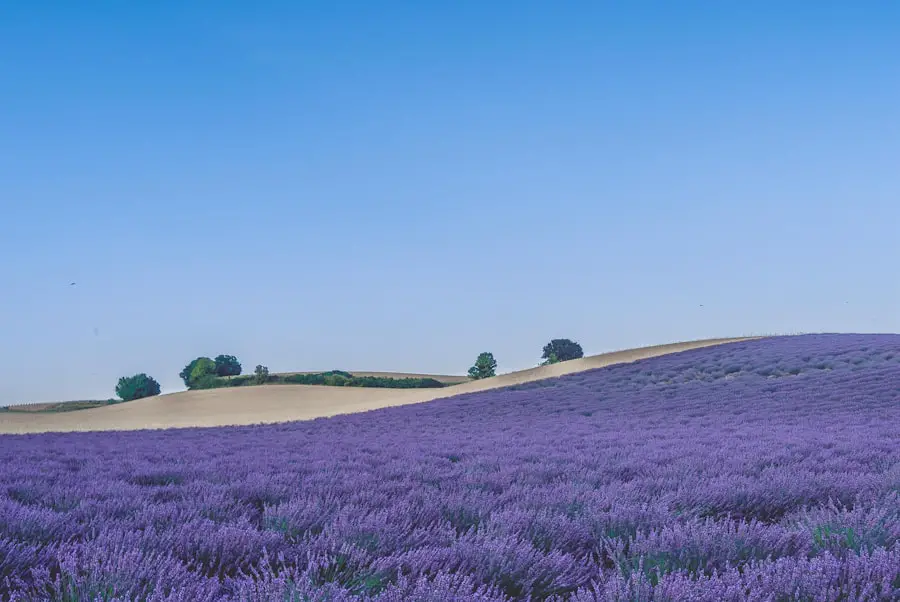
- Provence lavender usually blooms from mid-June through late July, with timing changing by altitude and weather.
- Late August through October suits vineyard visits, food-focused trips, and cooler-weather cycling.
- Winter works well for quieter Riviera city breaks, Provençal traditions, and snow sports in the Southern Alps.
Disclosure: As an Amazon Associate I earn from qualifying purchases. Some links on this page are affiliate links, at no extra cost to you.
How the Seasons Vary Across Southern France
“Southern France” covers several landscapes and climates. The Mediterranean coast, including the French Riviera and much of Provence, generally has mild winters, hot summers, abundant sunshine, and periods of strong wind. Inland valleys can be hotter by day and cooler at night, while the Southern Alps have true mountain conditions that change quickly with elevation.
Météo-France describes the Mediterranean climate as having mild winters, hot summers, relatively few but unevenly distributed rainy days, and frequent strong winds. Spring and autumn can also bring heavy thunderstorms, so a broad seasonal label is never a substitute for checking the forecast for the exact town or route you plan to visit.
Note: This guide focuses mainly on Provence, the Côte d’Azur, Occitanie’s Mediterranean side, and the Southern Alps. The Atlantic southwest and high Pyrenees can have different weather patterns.
Spring: Flowers, Mild Days, and Cultural Events
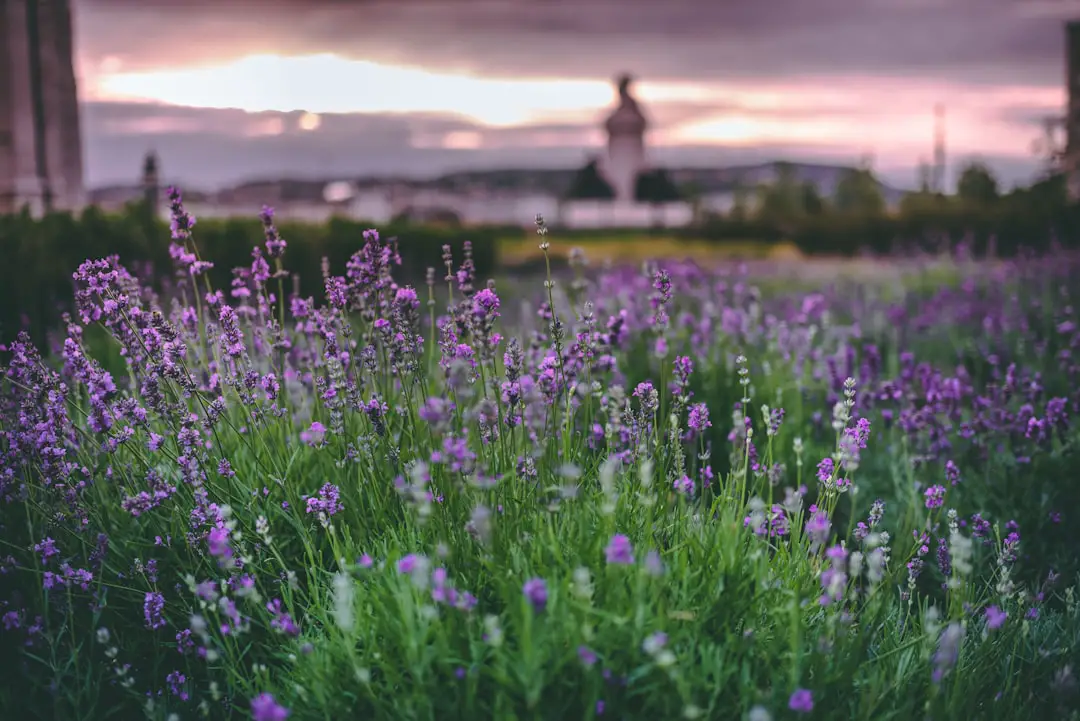
As winter recedes, spring brings fresh foliage, flowering gardens, and longer days. Cherry trees, tulips, daffodils, almond blossoms, violets, and wildflowers add color to parks, village streets, coastal paths, and nature reserves. The milder weather makes spring one of the easiest seasons for walking tours, market visits, cycling, and sightseeing before the strongest summer heat arrives.
Spring also brings cultural events and flower celebrations. The exact calendar changes each year, but visitors may find garden festivals, village fairs, food markets, and major events such as the Festival de Cannes, which takes place in May. Cannes becomes exceptionally busy during the festival, so travelers who are not attending may prefer nearby towns or different dates.
April and May are especially useful for travelers who want pleasant outdoor conditions without midsummer demand. June can still feel like shoulder season early in the month, but beach towns and lavender areas become busier as schools finish and summer events begin.
Pro Tip: Check major event calendars before choosing a “quiet” spring week. Cannes in May and popular holiday weekends can raise hotel rates and reduce availability across nearby Riviera towns.
Summer: Beaches, Lavender, and Major Festivals
Summer is the classic season for the Mediterranean coast. Beach towns fill with swimmers, boaters, and families, while clear days support snorkeling, paddleboarding, sailing, and coastal excursions. Evenings stay lively with outdoor dining, concerts, food fairs, art exhibitions, and village celebrations.
June offers long days and a better chance of avoiding the heaviest July and August crowds. Late June into July is also a key period for Provence’s lavender landscapes. Travelers extending a wider Mediterranean itinerary can compare the region’s coastline with the best beaches in Italy.
July and August have the greatest choice of beach services and summer events, including well-known arts festivals in Avignon, Aix-en-Provence, and other cities. They are also the most demanding months for heat, traffic, parking, and accommodation. Reserve popular coastal hotels, rental cars, and timed attractions well in advance.
Note: Festival dates change from year to year. Confirm schedules, ticket rules, road closures, and venue locations on each event’s official website before booking nonrefundable travel.
Warning: Summer heat and wildfire danger can affect hiking routes, forest access, roads, and outdoor events. Check the daily Météo des forêts, follow local prefecture restrictions, carry water, and move strenuous activities to early morning when conditions are hot.
Fall: Harvest Season, Wine Tasting, and Cooler Routes
As summer fades into autumn, vineyards, forests, and village landscapes take on shades of red, orange, and gold. Harvest markets showcase grapes, apples, olives, squash, mushrooms, and other seasonal foods. Cooler days also make long walks and cycling routes more comfortable than they are during peak summer heat.
Wine travel becomes especially appealing from late August into October. According to France’s official tourism site, southern vineyards in Provence and the former Languedoc-Roussillon area are among the first French regions to begin harvesting, although the exact date depends on grape ripeness, local rules, the producer, and that year’s weather. Visitors should never assume that every winery offers public harvest activities.
September is one of the strongest all-around travel months: the sea may still be suitable for swimming, many seasonal businesses remain open, and vineyards are active. October is quieter and cooler, but shorter days and a greater chance of rain require a more flexible itinerary.
Pro Tip: Reserve vineyard tours directly with the producer and ask whether the visit includes cellar access, a guided tasting, food, or harvest-related activity. Working vineyards may limit tours during their busiest production days.
In Mediterranean France, about 40% of the annual rainfall can fall within three months, often through intense spring or autumn storms. Check Météo-France guidance on Mediterranean rain events before driving, hiking, or visiting flood-prone areas.
Winter: Quiet Coastal Cities, Festive Traditions, and Snow Sports
| Area | Best Winter Experience | What to Expect |
|---|---|---|
| French Riviera | Museums, coastal walks, gardens, and city breaks | Fewer crowds than summer, mild coastal days, and reduced hours at some seasonal businesses |
| Provence | Village markets, santon traditions, food, and heritage sites | A quieter atmosphere, cool mornings, occasional strong mistral winds, and limited rural schedules |
| Southern Alps | Skiing, snowboarding, snowshoeing, and mountain lodges | Cold mountain weather, snow-dependent conditions, and high demand during school holidays |
Winter does not create the same experience everywhere in the south. The Mediterranean coast can support relaxed city breaks, museums, gardens, and walks, while the Southern Alps offer skiing, snowboarding, and snowshoeing. Holiday markets and Provençal nativity traditions add seasonal atmosphere in many towns.
The French Riviera is often calmer in autumn and winter, and places such as Nice, Antibes, Cannes, and Saint-Tropez can be easier to explore without peak-summer crowds. The Nice Carnival is a major winter event, usually held in February, so it creates a temporary spike in demand.
Winter travelers should plan around shorter daylight hours and reduced schedules. Some beach clubs, boat excursions, rural restaurants, and small attractions close or operate fewer days, while ski resorts become busiest around Christmas, New Year, and school holiday periods.
Off-Season: Quieter Attractions and Better Availability
Off-season travel can reward visitors who value calm streets, easier reservations, and a slower pace. On much of the French Riviera, late autumn and winter bring fewer visitors than summer, making museums, old towns, coastal paths, and restaurants easier to enjoy. Hotels may offer better rates, but savings are not guaranteed during holidays, festivals, trade events, or weekends.
The trade-off is a smaller choice of seasonal services. Boat trips, beach facilities, countryside tours, and independent restaurants may reduce their hours. Check opening days before building an itinerary around one attraction, and avoid assuming that every summer activity operates year-round.
France’s official tourism site specifically promotes the French Riviera in the low season for uncrowded walks, workshops, local food, and a quieter view of famous coastal towns.
Peak Tourist Season: Busy Beaches and High Temperatures
July and August are the main peak months for Southern France’s Mediterranean coast. Families travel during school breaks, beach towns become lively, and the calendar fills with festivals and outdoor events. This period offers the widest range of seasonal activities, but it also brings crowded roads, scarce parking, longer restaurant waits, and higher accommodation demand.
Popular beaches, old towns, islands, and headline attractions can feel busiest from late morning through afternoon. Start early, reserve timed entries where available, and consider using trains or local buses for coastal day trips when parking is limited.
Warning: High summer temperatures can pose real risks, especially during long walks, steep hikes, or unshaded sightseeing. Carry water, use sun protection, rest during the hottest part of the day, and follow official heat and wildfire instructions.
Despite these challenges, peak season remains popular because beaches, nightlife, boat services, festivals, and family activities operate at full pace. It is the right choice for travelers who prioritize a lively atmosphere and warm-water activities over price and quiet.
Shoulder Season: Pleasant Conditions and Smaller Crowds
Shoulder season sits between the busiest summer period and the quieter winter months. In Southern France, April through June and September through October usually provide the best balance for sightseeing, food trips, village visits, and outdoor activities. Conditions are often more comfortable than midsummer, but rain, wind, and occasional hot spells remain possible.
Smaller crowds can improve the experience at old towns, markets, museums, vineyards, and coastal viewpoints. Restaurants and guides may have more availability, and travelers have a better chance of finding centrally located lodging without booking as far ahead as they would for July or August.
September is especially versatile for combining beaches with cultural touring. April, May, and October are better for travelers who prioritize walking, cycling, cities, and food over guaranteed swimming weather. Those combining France with an Italian side trip can also explore the most beautiful small towns in Italy during similar shoulder-season conditions.
Best Time for Hiking, Cycling, Water Sports, and Skiing
Spring and fall are usually the most comfortable seasons for hiking and cycling at lower elevations. Trails are less exposed to peak summer heat, and the countryside offers wildflowers in spring or vineyard color in fall. Mountain routes require separate planning because snow can remain at elevation after lowland trails are clear.
Summer is best for swimming, sailing, kayaking, snorkeling, and other water sports, but exposed hiking can become uncomfortable or unsafe during heatwaves. Before a day outdoors, check the forecast, wildfire restrictions, water availability, and trail status. A compact hiking first-aid kit is useful, but it does not replace route research, adequate water, sun protection, and emergency planning.
Fall offers cooler cycling through vineyards and along coastal routes, although shorter daylight and storm risk matter later in the season. Winter shifts the focus to the Southern Alps, where skiing and snowshoeing depend on current snow, lift, road, and avalanche conditions.
Travelers planning permitted shore, river, or lake fishing can also review a compact travel fishing rod, then confirm local licenses, access rules, and seasonal restrictions before using it.
Best Months by Travel Priority
| Travel Priority | Best General Period | Main Trade-Off |
|---|---|---|
| Sightseeing and villages | April to June; September to October | Weather is pleasant but not guaranteed; event weeks may still be busy |
| Beaches and swimming | Late June to September | July and August bring the most heat, traffic, crowds, and demand |
| Lavender fields | Mid-June to late July | Bloom and harvest dates vary by altitude, variety, and weather |
| Wine harvest and food | Late August to October | Working wineries may restrict tours during production |
| Lower crowds and city breaks | November to March, excluding major events and holidays | Reduced hours and fewer seasonal services |
| Southern Alps snow sports | Generally December to March | Conditions vary by resort, elevation, and snowfall |
How to Choose Your Travel Dates
- Choose the experience first. Beach weather, lavender, harvests, city sightseeing, and skiing peak at different times.
- Check the exact town. Nice, Avignon, Toulouse, the Camargue, and alpine villages can have very different conditions on the same day.
- Review event and holiday calendars. A shoulder-season week can become expensive when a major festival, conference, or school holiday overlaps your stay.
- Verify seasonal operations. Confirm hotel, restaurant, ferry, beach club, winery, lift, and attraction hours before paying for a fixed itinerary.
- Keep weather flexibility. Build an indoor alternative for heat, heavy rain, high wind, wildfire restrictions, or mountain storms.
In conclusion, Southern France has no single perfect month for every traveler. Spring and fall offer the strongest overall balance, summer is best for beaches and a lively atmosphere, autumn adds harvest experiences, and winter rewards visitors seeking quieter coastal towns or mountain snow. Match the season to your priorities, then verify local weather and event dates before booking.
For many first-time trips, late April to June or September to early October provides a relaxed mix of scenery, food, culture, and outdoor time. Travelers focused on lavender should target the regional flowering window, while beach-focused visitors should accept the extra heat and demand of summer.
Frequently Asked Questions
What is the best time to travel to Southern France?
April through June and September through October are the best general periods for comfortable sightseeing, outdoor dining, village visits, and smaller crowds than peak summer. The ideal dates still depend on whether your priority is beaches, lavender, wine harvests, festivals, or skiing.
What is the weather like during the best travel months?
Spring and early fall are often mild to warm on the Mediterranean coast, with cooler conditions inland and at elevation. Rain, wind, heat spikes, and thunderstorms are still possible, so check the forecast for each destination rather than relying on one temperature range for the whole region.
Which major events affect travel dates?
The Nice Carnival usually takes place in February, the Festival de Cannes is held in May, and many arts, music, and village festivals run during summer. Grape harvest events occur from late summer into fall. Exact dates change, and major events can sharply increase local demand.
Is Southern France more expensive in spring and fall?
Spring and fall are often less expensive than July and August, but prices depend on the town, day of the week, holiday calendar, and major events. A festival week in Cannes or Nice can cost more than an ordinary summer week elsewhere.
What attractions are best during shoulder season?
The French Riviera, Provence’s hill towns, Nice, Avignon, Aix-en-Provence, the Camargue, vineyards, coastal paths, markets, and museums all work well in spring or fall. These seasons are especially useful when walking and cultural touring matter more than guaranteed beach weather.
When should I visit the lavender fields in Provence?
Lavender generally flowers from mid-June through late July. Lower areas often bloom and are harvested earlier, while higher areas can continue later. Weather, altitude, and variety change the timing each year, so check local flowering updates before making the fields the main purpose of your trip.
When is the best time for beaches in Southern France?
Late June through September is the most dependable general window for Mediterranean beach trips. July and August offer the fullest range of services and the liveliest atmosphere, while June and September usually provide a better balance of warm conditions and lighter crowds.
Is winter a good time to visit Southern France?
Yes, especially for museums, food, old towns, coastal walks, Provençal traditions, and Southern Alps snow sports. Expect shorter days and reduced schedules at some seasonal businesses. Check event calendars because the Nice Carnival and holiday periods can create busy winter weeks.
Sources
- Météo-France: Climate in Metropolitan France — supports the description of Mediterranean winters, summers, rain patterns, sunshine, and wind.
- Météo-France: Mediterranean Rain Events — explains the short-duration heavy rain and thunderstorm risk, especially in autumn.
- Météo-France: Météo des forêts — supports the summer wildfire-danger guidance and daily risk checks.
- Routes de la Lavande: Lavender Flowering — supports the mid-June to late-July general bloom window and regional variation.
- Explore France: How Grape-Harvest Dates Are Decided — supports the timing and variability of harvests in southern wine regions.
- Explore France: The French Riviera in Low Season — supports quieter autumn and winter experiences on the Côte d’Azur.
