
Last Updated on July 25, 2026 by Daniel Globe
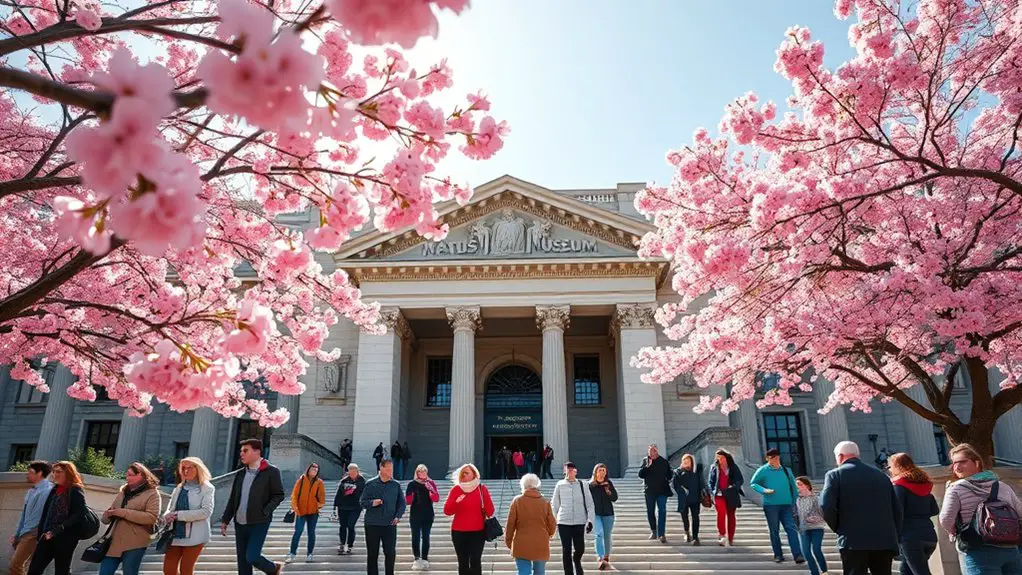
Visiting a major natural history museum—whether in London, New York, Washington D.C., or Paris—can be an awe-inspiring journey through prehistoric Earth and deep space. However, navigating wall-to-wall crowds and endless admission lines can quickly derail your experience. Knowing the best time to visit the Natural History Museum ensures you spend less time standing in queues and more time exploring iconic dinosaur fossils, rare gemstones, and immersive biodiversity halls.
Quick Answer
The best time to visit the Natural History Museum is on Tuesday, Wednesday, or Thursday mornings right at opening (typically 9:30 AM or 10:00 AM) or during late afternoons after 3:00 PM. Aim for the shoulder seasons of late September through November or February through April to avoid summer tourists and holiday crowds.
Key Takeaways
- Target Mid-Week Visits: Tuesdays through Thursdays consistently see the lowest overall foot traffic compared to weekends and Mondays.
- Mind the Field Trip Window: School groups frequently flood galleries between 10:00 AM and 1:30 PM on weekdays; plan around this block.
- Leverage Shoulder Months: Fall and early spring offer pleasant weather and thin tourist crowds, making exhibit navigation seamless.
- Reserve Timed-Entry Passes: Most top-tier museums require or strongly recommend advance online booking, even on free admission days.
- Head to Popular Exhibits First: Visit flagship halls like the Dinosaur galleries or Gem & Mineral halls immediately upon arrival before crowds peak.
At a Glance
| Recommended Days | Tuesday, Wednesday, Thursday |
| Optimal Time Windows | Opening to 10:30 AM OR 3:00 PM to Closing |
| Peak Seasons to Avoid | Mid-June to August, Thanksgiving, Christmas–New Year Week, Easter/Spring Break |
| Key Reservation Tip | Book online timed-entry tickets 2–4 weeks in advance |
Disclosure: As an Amazon Associate I earn from qualifying purchases. Some links on this page are affiliate links, at no extra cost to you.
Best Days of the Week to Visit
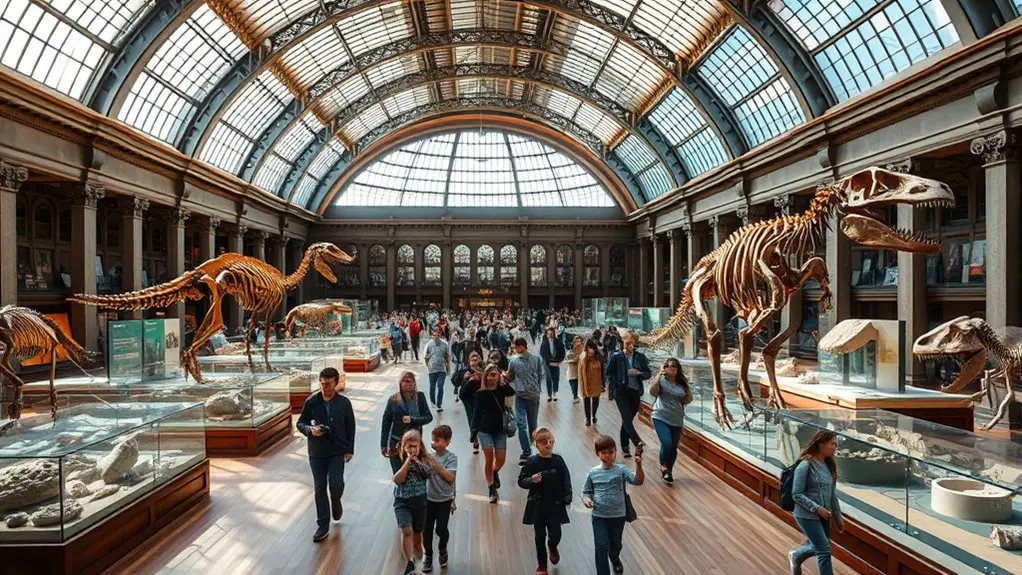
When selecting the best day to visit the Natural History Museum, mid-week days—specifically Tuesdays, Wednesdays, and Thursdays—are your most reliable options for a relaxed experience. Mondays often absorb weekend spillover, while Fridays begin drawing weekend travelers and afternoon family groups.
During mid-week visits, gallery traffic drops significantly, allowing you to examine fossil displays, mineral collections, and taxidermy dioramas without feeling rushed by crowds behind you.
Warning: Watch Out for School Field Trips! While mid-week days have fewer general tourists, they are prime windows for school field trips during the academic year (September through May). Dozens of school buses typically arrive between 9:45 AM and 10:15 AM, filling primary galleries through 1:30 PM.
To avoid competing with student groups, aim to arrive right when doors open to explore high-density areas (like the Dinosaur or Human Origins halls), or plan your primary walkthrough for after 2:00 PM when field trip groups head back to their buses.
Optimal Months for Crowds and Weather
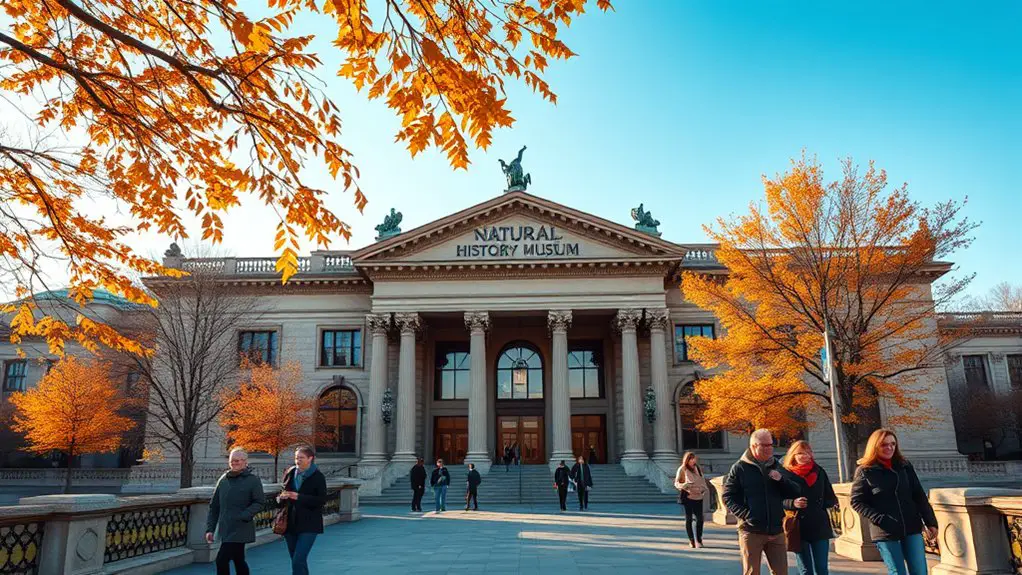
The ideal calendar months to visit natural history museums fall squarely within the shoulder seasons of spring (late February through April, excluding local spring break weeks) and fall (September through mid-November).
During these windows, global tourism drops, flight and hotel prices stabilize, and museum galleries remain spacious. Visiting in spring often aligns with special seasonal exhibits or botanical displays, while autumn visits offer pleasant walking weather between museum districts.
“Visitor volume at major urban natural history museums surges by up to 150% during summer holiday months and peak winter school breaks compared to shoulder season weekdays.”
Conversely, the summer months of June, July, and August represent absolute peak capacity. During summer, entry lines stretch outdoors, ticket reservations sell out weeks in advance, and hall temperatures can rise due to heavy foot traffic.
Times of Day to Experience Fewer Visitors
Timing your arrival precisely can make the difference between a tranquil tour and an overwhelming trek through crowded halls. The two golden windows for minimal crowd density are first thing in the morning (opening hour) and late afternoon (2.5 to 3 hours before closing).
Pro Tip: The Late Afternoon Sweep: Most families and tour groups leave by 2:30 PM or 3:00 PM to beat evening rush-hour traffic. Visiting from 3:00 PM until closing provides some of the quietest hours of the day, allowing you to view flagship exhibits uninterrupted.
Midday (11:00 AM to 2:00 PM) marks peak congestion across all exhibit areas, food courts, and restrooms. The table below outlines typical crowd patterns throughout the day:
| Time of Day | Visitor Density | Strategic Experience |
|---|---|---|
| Early Morning (Opening–10:30 AM) | Low | Best for viewing marquee galleries (Dinosaurs, Ocean Hall) before crowds build. |
| Midday (11:00 AM–2:00 PM) | Peak / High | Heavy congestion, long dining lines, and crowded gift shops. Explore quieter side halls. |
| Late Afternoon (3:00 PM–Closing) | Low to Moderate | School groups and tour buses exit. Great time for a relaxed full-museum stroll. |
| Evening Events / After-Hours | Variable | Exclusive access during special late-night openings or night-at-the-museum programs. |
Special Events and Holiday Considerations
Special events and holiday seasons dramatically alter museum operations and crowd patterns. During federal holidays, holiday weeks (such as the week between Christmas and New Year’s Day), and local school breaks, natural history museums often reach max capacity within hours of opening.
Holiday periods frequently introduce temporary themed exhibitions, light shows, or interactive science festivals. While these events add unique value, they also draw heavy regional traffic.
Note: The “Rainy Day” Factor: Weather plays a huge role in indoor museum attendance. On rainy or unusually cold weekend days, locals flock to museums as an alternative outdoor activity. If rain is forecast, expect crowd density to increase by 30% to 50% regardless of the month.
If your travel schedule forces you to visit during a holiday or rainy weekend, book the very first entry slot of the day online, complete security screening early, and head directly to your priority galleries.
Tips for Planning Your Visit During Peak Seasons
If you must travel during peak summer months or major holiday periods, strategic preparation ensures a smooth trip despite the busy environment:
- Book Timed-Entry Tickets Early: Leading institutions—including the Natural History Museum London, the American Museum of Natural History (NYC), and the Smithsonian National Museum of Natural History (DC)—require or highly encourage advance online entry passes. Reserve these weeks in advance to guarantee your preferred entry slot.
- Map Your High-Priority Exhibits First: Popular displays—such as T-rex skeletons, gem vaults, or butterfly pavilions—accumulate long secondary lines by midday. Visit these immediately after entering.
- Utilize Mobile Ticketing and Apps: Download the museum’s official app to store digital tickets, view real-time interactive maps, and locate accessible elevators or less-crowded restrooms.
- Plan Meals Outside Peak Dining Hours: Museum cafes become heavily congested between 11:30 AM and 1:30 PM. Dine early at 11:00 AM or wait until 2:00 PM to avoid long dining queues.
Frequently Asked Questions
Are there any discounted or free admission days at the Natural History Museum?
Admission policies vary by institution. Many public museums (such as Smithsonian locations in D.C. and major national museums in the UK) offer free general admission daily, though special exhibitions require paid tickets. Other institutions offer free admission days for local residents or cardholders on specific weekdays of the month. Always check the official website of the specific museum you plan to visit for updated promotional schedules.
Is it better to visit on weekends or weekdays?
Weekdays are significantly better than weekends if you want to avoid dense tourist crowds and enjoy a calm atmosphere. Tuesdays through Thursdays typically see the lowest foot traffic. Weekends consistently bring the heaviest volume of local families, weekend travelers, and tour groups.
Do guided tours impact the best visiting times?
Yes. Guided tours and group slots are heavily booked during morning hours. Booking an official early-access guided tour can allow you entry into key galleries before general doors open to the public. Alternatively, taking an afternoon guided tour allows you to navigate crowded exhibits efficiently behind an expert guide.
How long should I plan to stay during my visit?
Plan to spend between 2.5 to 4 hours for a general overview of main hall highlights. Science enthusiasts, families with young children, or visitors wanting to experience IMAX movies, planetarium shows, and temporary exhibitions should budget 4 to 6 hours or consider splitting their visit across two days.
Are there specific exhibits that have limited hours?
Yes. Special paid exhibitions, live butterfly vivariums, planetarium shows, and hands-on discovery centers often operate on separate timed schedules and may close earlier than main museum galleries. Check exhibit schedules online when booking your admission ticket to align entry times.
Conclusion
A visit to the Natural History Museum is best enjoyed when you can explore vast fossil halls and earth science exhibits at a comfortable pace. By choosing mid-week days (Tuesday through Thursday), arriving for opening hour or late afternoon, and planning around spring or autumn shoulder seasons, you can bypass peak crowds effortlessly. Pair these timing strategies with advance online tickets and a prioritized itinerary to ensure a memorable, educational, and hassle-free museum adventure.
Sources
- Natural History Museum London Official Visitor Portal — Timing advice, ticketing guidelines, and peak hour information.
- American Museum of Natural History Visitor Guide — Admission details, ticketing protocols, and exhibit scheduling.
- Smithsonian National Museum of Natural History — Crowd advisory, school group policies, and optimal visitation hours.
