Last Updated on July 28, 2026 by Daniel Globe
Vietnam stretches across more than 1,600 kilometers from north to south, so the best time to visit depends on where you plan to go. Hanoi may be cool and misty while Ho Chi Minh City is hot and dry, and central destinations such as Huế or Hội An can follow a different rainy-season schedule from both.
Quick Answer
For the broadest mix of comfortable weather across Vietnam, plan your trip from March to May. However, northern Vietnam is often best in spring or autumn, central Vietnam is generally driest from February or March through August, and southern Vietnam is usually driest from December to April.
Key Takeaways
- Best overall window: March through May offers one of the best chances of favorable weather across several regions.
- Northern Vietnam: Visit in April to June or September to November for Hanoi and Ha Long Bay; Sa Pa is especially pleasant in late April and early autumn.
- Central Vietnam: February or March through August is usually better for Huế, Hội An, and Da Nang, although summer can be very hot.
- Southern Vietnam: December through April is generally the driest period for Ho Chi Minh City, the Mekong Delta, and many southern islands.
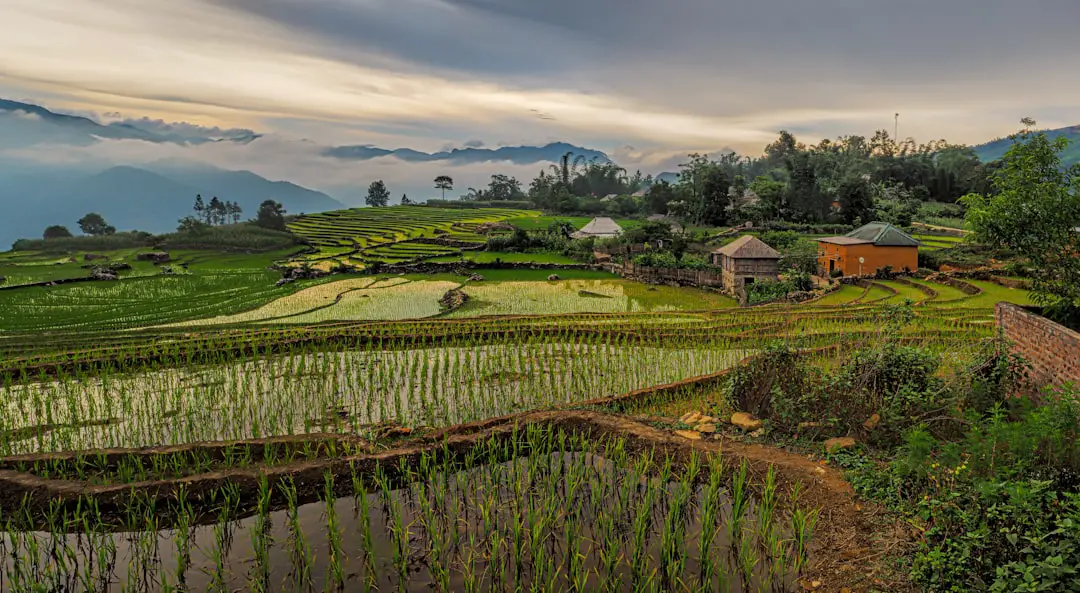
- Rice terraces: Northern harvest colors often appear from mid-August through early October, depending on the valley and planting schedule.
- Rainy-season travel: It can be rewarding and less crowded, but storms, floods, landslides, and transport cancellations require a flexible plan.
- Tet: Vietnam’s Lunar New Year is culturally memorable, but transport fills quickly and many family-run businesses close.
Disclosure: As an Amazon Associate I earn from qualifying purchases. Some links on this page are affiliate links, at no extra cost to you.
Best Time to Visit Vietnam by Region
There is no single dry season that applies to the whole country. Use your main destinations—not the national calendar—to choose your dates. The following table summarizes typical conditions, but weather can shift from year to year.
| Region | Often Best | Wetter or Harder Period | Good For |
|---|---|---|---|
| Northern Vietnam | April to June; September to November | Hot, humid rain in June to August; cold or misty conditions from December to March | Hanoi, Ha Long Bay, Ninh Bình, Sa Pa, Hà Giang |
| Central Vietnam | February or March to August | Rain, storms, and flooding are more likely from September or October into January or February | Huế, Hội An, Da Nang, beaches, historic sites |
| South-Central Coast | January to August | Rain is more common from September to December | Nha Trang, coastal resorts, snorkeling, diving |
| Southern Vietnam | December to April | May to November brings humid conditions and frequent afternoon rain | Ho Chi Minh City, Mekong Delta, Côn Đảo |
| Phú Quốc | November to March | Rain and rougher sea conditions become more likely from July to October | Beach stays, boat trips, sunsets, island resorts |
Note: A two- or three-week route from Hanoi to Ho Chi Minh City can cross several climate zones. Check each stop separately instead of relying on one nationwide forecast.
Spring: Blossoms, Festivals, and Comfortable Travel
Spring is one of the most appealing times to explore Vietnam, especially from March through May. It offers a useful balance for travelers combining northern, central, and southern destinations. Northern days begin to warm, central Vietnam moves toward its sunnier period, and the south remains hot before or during the start of its wetter season.
Flower season is a major attraction, but the blossoms differ by location. Northern mountain provinces may display peach, plum, pear, mustard, and cherry blossoms at different times from January through March. Hà Giang is known for several spring flowers, while Sa Pa is often especially attractive in late April as the skies clear and flowers bloom.
Bloom dates are never guaranteed. Altitude, cold spells, rain, and local weather can move the display forward or backward. Travelers planning a blossom-focused trip should check recent local photographs or contact their accommodation before committing to a long detour.
Spring is also an excellent season for cultural sightseeing. March to May is commonly favorable in Hội An, where travelers can walk through the Ancient Town, cycle through nearby rice fields, and visit the beach without the heavier rain that often arrives later in the year. Huế also becomes warmer and drier as spring progresses.
Temperatures vary widely. Hanoi may feel mild or warm, mountain areas can still be cool at night, and southern Vietnam remains hot. Pack light clothing for the day, a breathable rain layer, and at least one warmer layer for northern highlands or air-conditioned transport.
Pro Tip: Late March through April is one of the easiest periods for a first north-to-south itinerary because it can provide a workable compromise across all three regions.
Summer: Festivals and Beaches—With Regional Tradeoffs
Summer generally runs from June through August, but it does not bring the same conditions everywhere. Northern Vietnam is often hot, humid, and rainy. Southern Vietnam also receives frequent rain, while parts of the central coast may have sunny beach weather.
In Hanoi and Ha Long Bay, high humidity and heavy showers are common. Tropical weather can affect Ha Long Bay cruises, so travelers should leave room to reschedule and choose refundable arrangements where possible.
Central destinations such as Da Nang can be attractive in summer. June through August often brings relatively calm seas and less rain, although daytime heat can be intense. Plan outdoor sightseeing early in the morning, rest during the hottest part of the day, and return outside in the late afternoon.
Nha Trang is another strong summer beach option. Its sunnier period commonly extends from January through August, making it suitable for swimming, snorkeling, diving, and seafood-focused trips. By contrast, Phú Quốc is usually well into its rainy season by July, and boat or ferry conditions may be less dependable.
Vietnam’s long coastline includes beach destinations such as Nha Trang, Da Nang, Côn Đảo, and Phú Quốc, but they should not be treated as having one shared weather calendar. Select your beach according to the month rather than choosing a destination based only on its national location.
Festival schedules also change from year to year. Hạ Long Carnival is commonly associated with the start of the local summer tourism season, but it is often scheduled around late April or early May rather than the middle of June through August. Check the official Vietnam Tourism event calendar before booking around any festival.
Vietnam can offer bright beach weather and heavy monsoon rain during the same week—the best choice depends on which coast you visit.
Fall: Golden Rice Terraces and Cooler Northern Weather
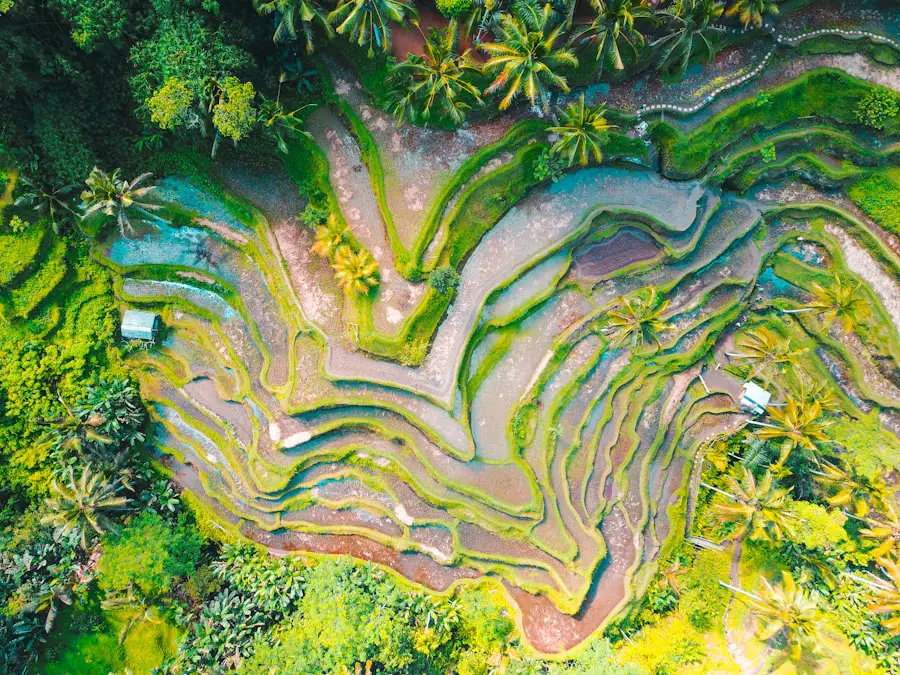
From September through November, northern Vietnam often becomes cooler and less humid. This can be an excellent time for Hanoi, Ninh Bình, Hà Giang, Ha Long Bay, and mountain trekking.
The rice terraces around Sa Pa, Mù Cang Chải, Y Tý, and Hoàng Su Phì are a major seasonal draw. However, there is no single harvest date for the entire region. Sa Pa can show strong pre-harvest color from mid-August into early September, while Y Tý and other areas may peak later in September. Some Mù Cang Chải fields remain golden into late September or early October.
Travelers should confirm conditions shortly before arrival. Planting dates, elevation, storms, and local harvest decisions can change the view quickly. A field that is golden one week may be harvested the next.
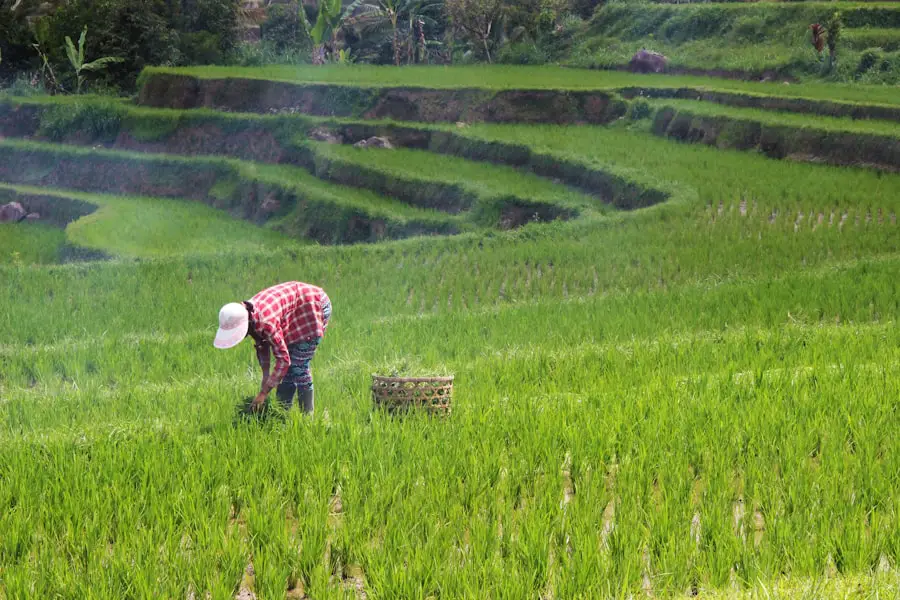
Autumn is also a good time to meet local communities through guided walks and homestays. Choose locally operated experiences, ask permission before photographing residents, and avoid treating working farms as unrestricted photo sets.
The Mid-Autumn Festival usually falls in September or October according to the lunar calendar. Lantern displays, lion dances, mooncakes, and family activities create a festive atmosphere, but the exact date changes every year.
Central Vietnam requires more caution during this period. While September can still be pleasant in Da Nang, the risk of heavy rain, tropical storms, and flooding increases later in the season around Huế and Hội An.
Winter: Northern City Breaks and Southern Sunshine
Winter runs from December through February, but the experience changes dramatically from north to south. Northern Vietnam can feel genuinely cold, while southern Vietnam remains warm.
| City | Typical Winter Temperature | Rain Pattern | Sky and Travel Conditions |
|---|---|---|---|
| Hanoi | Often cool; cold spells can bring lows near 10°C (50°F) | Usually less intense than summer rain, but drizzle is possible | Misty or cloudy days are common; bring warm layers |
| Ho Chi Minh City | Warm to hot, commonly near 30°C (86°F) during the day | December through April is generally the drier period | Good for city sightseeing and Mekong Delta trips |
| Da Nang | Mild to warm, with cooler wet days possible | November through February can bring prolonged rain | Beach conditions are less reliable than in spring or summer |
In Hanoi, winter is well suited to exploring Hoan Kiem Lake, the Old Quarter, museums, temples, and cafés without summer heat. However, mist and low clouds may reduce visibility in Ha Long Bay, and Sa Pa can become very cold. Snow is uncommon but possible at high elevations during strong cold spells.
Southern destinations are more dependable for warm winter weather. Ho Chi Minh City, the Mekong Delta, and Phú Quốc are popular from December through February because rainfall is generally lower. This is also a comfortable season for outdoor markets, city walks, and beach stays.
Central Vietnam is less predictable. Hội An can experience rain and storms from October into January, while Huế may remain wet and cool into February. Winter should not automatically be treated as the dry season for the central coast.
Christmas is visible in major cities, especially around shopping districts, hotels, churches, and pedestrian areas. Vietnamese dishes such as phở, hot pot, and grilled foods are especially comforting during cooler northern evenings.
Monsoon Season: How to Travel During Vietnam’s Rainy Months
Vietnam does not have one nationwide monsoon calendar. The north and south usually receive much of their rain during the warmer middle months of the year, while central Vietnam often has its wettest and stormiest weather later.
- Northern Vietnam: Rain and thunderstorms are common from June through August or September.
- Southern Vietnam: The wetter season generally runs from May through November, often with intense afternoon showers.
- Central Vietnam: Heavy rain, tropical storms, and flooding are more likely from September or October through December, with wet conditions sometimes continuing into January or February.
- Phú Quốc: July through September or October can bring heavier rain and rougher sea conditions.
Rainy-season travel still has advantages. Landscapes become greener, waterfalls gain volume, and some hotels reduce their rates outside major holidays. Showers in southern cities may be intense but short enough to leave long parts of the day available for sightseeing.
Pack a lightweight waterproof jacket, quick-drying clothing, water-resistant footwear, a dry bag for electronics, and a compact umbrella. Plan museums, cooking classes, cafés, markets, and spa visits as backup activities.
Warning: Never walk, drive, or ride a motorbike into floodwater. Heavy rain can trigger flash floods, landslides, blocked roads, ferry cancellations, and cruise suspensions. Follow evacuation orders and change your route when local authorities or transport operators advise against travel.
Before each transfer, check the National Center for Hydrometeorological Forecasting, confirm the route with your hotel or tour operator, and review airline, rail, ferry, or cruise updates. Travel insurance should cover delays and cancellations caused by severe weather.
Keep your itinerary flexible. A tightly scheduled overnight train, domestic flight, ferry, and cruise combination can become difficult to recover when one service is delayed.
Lunar New Year: Visiting Vietnam During Tet
Tet Nguyen Dan, or Tet, is Vietnam’s most important holiday. It normally falls in late January or early February, depending on the lunar calendar. The celebration marks the new year and the arrival of spring while emphasizing reunion, respect for ancestors, hope, and good fortune.
Families clean their homes before Tet, prepare traditional food, decorate with seasonal plants, and travel to their hometowns. Peach blossoms are strongly associated with northern celebrations, while yellow apricot blossoms are common in the south. Kumquat trees and other bright flowers also appear in homes and businesses.
Foods such as bánh chưng, bánh tét, pickled vegetables, sweets, and preserved fruits play an important role. Children and younger relatives may receive lì xì, or lucky money, in red envelopes.
Tet can be a memorable time to visit, but it requires planning. Domestic transport becomes extremely busy as people travel home. Many family-run restaurants, shops, markets, and services close for part of the holiday, while major hotels and organized attractions may continue operating on reduced schedules.
- Reserve long-distance trains, flights, and buses well in advance.
- Confirm whether your hotel restaurant, tour operator, and planned attractions will open.
- Carry enough cash for small purchases because some services may close.
- Expect quieter streets on the first day of Tet, followed by more public activity during later holiday days.
- Do not enter a private home or photograph family ceremonies without an invitation.
- Check the exact Tet dates for your travel year before booking.
Note: Tet can increase transport and accommodation demand even when the weather would otherwise place the month in a quieter travel period.
Shoulder Seasons: Fewer Crowds and Better Value
March to April and September to October are often described as Vietnam’s shoulder seasons, but that label should be used carefully. Crowds, prices, and weather depend on the destination, domestic holidays, school schedules, festivals, and major events.
March and April are among the easiest months for a multi-region trip. Northern temperatures are warming, central Vietnam is moving into a drier period, and southern Vietnam is generally still within or near its dry season. Popular places such as Hội An, Ninh Bình, and Ha Long Bay can still be busy, especially on weekends and holidays.
September and October are excellent in many northern destinations. Hanoi becomes more comfortable, and mountain areas may offer harvest scenery. However, these months can bring storm and flood risks to central Vietnam. A route that works well for Hanoi and Sa Pa may be poorly timed for Huế or Hội An.
Lower prices are possible during rainy or transitional months, but they are not guaranteed. Compare refundable hotel rates, check domestic holiday dates, and look at destination-specific conditions before choosing a trip solely for savings.
Best Time to Visit Vietnam for Different Activities
Best Time for Hanoi and Northern Cities
April to June and September to November usually provide a favorable balance of warmth and manageable rain. September through November is especially attractive for cooler air and city walking. Winter is quieter and atmospheric but can be cold, gray, or misty.
Best Time for Ha Long Bay
April to June and September to November often offer better chances of warm or comfortable conditions. Summer storms can cause cruise cancellations, while winter mist may limit visibility. Build at least one flexible day into your schedule if the cruise is a major trip priority.
Best Time for Sa Pa and Mountain Trekking
Late April can bring clearer skies and spring flowers. September and October are cooler and often good for trekking, although rice harvest timing varies. June through August can be wet and slippery, while December through March can be cold and foggy.
Best Time for Rice Terraces
For reflective flooded terraces, some northern areas are attractive during watering season from roughly March or May, depending on the location. For golden fields, plan from mid-August through early October and confirm the current harvest stage locally.
Best Time for Huế, Hội An, and Da Nang
March through May is a strong all-around window. June through August can also work well for beaches around Da Nang and Hội An if you can manage the heat. Rain and flooding become a greater concern from September or October through the end of the year.
Best Time for Nha Trang
January through August is generally the sunnier period. July and August can be hot, but the sea is often suitable for beach activities. Rain becomes more common from September through December.
Best Time for Ho Chi Minh City and the Mekong Delta
December through April is usually drier, making it a popular period for walking tours and river trips. May through November is wetter, but showers often arrive in bursts rather than lasting all day.
Best Time for Phú Quốc
November through March is usually the most dependable period for beaches, boat trips, and calmer seas. April and May are hotter, and the rainy season becomes more established by July.
Planning Your Trip for Each Season
Start by listing your must-see destinations. Then check the climate for each location rather than searching for one national weather forecast. A traveler focused on Hanoi and Sa Pa may choose completely different dates from someone planning Da Nang and Phú Quốc.
Spring Packing
- Breathable shirts and trousers
- A light jacket for northern evenings
- A compact rain shell
- Comfortable walking shoes
- Sun protection and insect repellent
Summer Packing
- Loose, quick-drying clothing
- High-SPF sunscreen, a hat, and sunglasses
- A refillable water bottle
- Waterproof storage for electronics
- A lightweight umbrella or rain jacket
Fall Packing
- Light layers for northern temperature changes
- Supportive shoes for terraces and mountain paths
- Rain protection for central Vietnam
- A warm layer for high-altitude stays
Winter Packing
- A sweater or insulated jacket for Hanoi and the northern mountains
- Closed shoes and warm sleepwear for unheated rooms
- Light summer clothing for southern Vietnam
- Rain protection for central destinations
Heat and humidity can cause dehydration even outside summer. Drink water regularly, use sun protection, and schedule breaks during the hottest part of the day. Mosquito protection is useful throughout the year, especially during wetter periods.
Local holidays can affect prices and availability as much as the weather. Check Tet, national holidays, festivals, school breaks, and weekend demand before confirming nonrefundable bookings.
For long international flights, comfort items can also make the journey easier. This guide to travel pillows for long flights may help with preparation.
Pro Tip: Recheck the forecast about one week before departure and again before every flight, cruise, ferry, mountain trek, or long road transfer. Seasonal averages cannot predict a specific travel day.
Frequently Asked Questions
What is the best time to travel to Vietnam?
March through May offers one of the best overall compromises for a multi-region trip. Northern Vietnam is also attractive from September through November, central Vietnam is generally better from February or March through August, and southern Vietnam is usually driest from December through April.
What is the weather like during the best time to visit Vietnam?
Conditions depend on the region. March and April can bring warm weather to central and southern Vietnam while northern destinations remain milder. Mountain areas are cooler than lowland cities, and brief rain is possible in any season.
Is November to April the dry season everywhere in Vietnam?
No. December through April is generally the drier period in southern Vietnam, but central destinations such as Huế, Hội An, and Da Nang can remain wet during part of that window. Northern Vietnam also has distinct cool, hot, and rainy periods.
Is Vietnam worth visiting during the rainy season?
Yes, provided your schedule is flexible. Rainy months can bring greener scenery, powerful waterfalls, and possible hotel savings. However, travelers must prepare for floods, landslides, rough seas, cancelled cruises, and transport delays.
When is the best time for Vietnam’s beaches?
The answer depends on the coast. Da Nang and Hội An are often favorable from March through August, Nha Trang from January through August, and Phú Quốc from roughly November through March.
When should I visit Vietnam for golden rice terraces?
Northern rice terraces often turn golden from mid-August through early October. The exact peak varies among Sa Pa, Mù Cang Chải, Y Tý, and Hoàng Su Phì, so confirm current field conditions before traveling.
Should I visit Vietnam during Tet?
Tet offers a memorable look at Vietnamese traditions, decorations, food, and family customs. It also brings crowded domestic transport, higher demand, and temporary business closures. Book early and confirm which services will operate.
What should I pack for Vietnam?
Pack breathable clothing, comfortable shoes, sunscreen, a hat, insect repellent, and lightweight rain protection. Add warm layers for Hanoi or the northern mountains in winter. A mixed-region itinerary may require both summer clothing and a jacket.
Sources
- Vietnam Tourism: Weather and Climate in Vietnam — regional weather patterns and destination-specific travel windows
- Vietnam Tourism: Where to See Vietnam’s Rice Terraces — watering and harvest timing in northern terrace regions
- Vietnam Tourism: Tet, Tradition, Reunion and Taste — Tet timing, traditions, closures, and family customs
- Vietnam Tourism Festival and Event Calendar — current festival dates and event planning
- Vietnam National Center for Hydrometeorological Forecasting — current forecasts, severe-weather alerts, marine conditions, and hydrology
- UK Foreign Travel Advice for Vietnam — rainy-season, flooding, tropical-cyclone, landslide, and heat-safety guidance