Last Updated on July 27, 2026 by Daniel Globe
Sweden, a Scandinavian gem, is renowned for its stunning natural landscapes, vibrant cities, and rich cultural heritage. Stretching from the temperate southern shores of Skåne to the Arctic wilderness of Lapland, the country experiences four distinct seasons, each offering unique experiences, daylight variations, and breathtaking scenery. Whether you are seeking the 24-hour sunlight of the Midnight Sun or the dancing hues of the Northern Lights, understanding Sweden’s seasonal cycles ensures you plan the perfect journey.
Quick Answer
The best time to visit Sweden depends on your preferred activities. Visit between June and August for warm weather (20°C–25°C / 68°F–77°F), 20+ hours of daylight, and the Midnight Sun. For winter sports, dog sledding, and viewing the Northern Lights in Lapland, travel between December and March when snow cover and nighttime viewing conditions peak.
Key Takeaways
- Sweden experiences four distinct seasons: spring, summer, fall, and winter, with significant climatic variations between the south and the Arctic north.
- Spring (March to May) brings blooming nature, milder temperatures, and key traditions like Walpurgis Night (Valborgsmässoafton).
- Summer (June to August) features the famous Midnight Sun in the north, archipelago exploration, and vibrant Midsummer festivities.
- Fall (September to November) offers striking autumn foliage, mushroom foraging, and harvest festivals (Skördefest).
- Winter (December to February) transforms northern Sweden into a snowy haven for skiing, dog sledding, and viewing the Aurora Borealis in locations like Abisko.
The geographical extent of Sweden results in diverse climatic conditions. While southern cities like Stockholm and Gothenburg enjoy mild maritime weather, the northern Arctic region experiences polar winters and continuous summer daylight. This seasonal contrast shapes both the surrounding environment and the outdoor lifestyle of locals.
Disclosure: As an Amazon Associate I earn from qualifying purchases. Some links on this page are affiliate links, at no extra cost to you.
Spring: The Awakening of Nature
Nature’s Revival & Climate
Spring in Sweden (March to May) marks a dramatic transformation as flora and fauna awaken from winter. Temperatures gradually rise from average highs of 3°C (37°F) in March to 16°C (61°F) in May in southern Sweden, though northern Lapland remains cold and snowy through April. Crocuses and snowdrops push through the thawing earth as early signs of spring. In Stockholm, Gothenburg, and Malmö, city parks come alive with blooming tulips, cherry blossoms, and daffodils, drawing residents outdoors to enjoy the increasing sunshine.
Cultural Celebrations
Spring is rich in cultural heritage and outdoor community gatherings. One of the most notable events is Valborgsmässoafton, or Walpurgis Night, celebrated on April 30th. This traditional festival welcomes spring’s arrival with massive community bonfires, choral singing, and festive speeches across university towns like Uppsala and Lund.
May Day Celebrations
Following Valborgsmässoafton, May Day (Första maj) is a public holiday celebrated nationwide with parades, public speeches, and demonstrations advocating for social justice and workers’ rights, showcasing Sweden’s civic traditions.
Pro Tip: Pack versatile layers if visiting Sweden in spring. Morning temperatures can drop near freezing, while afternoons in May can feel delightfully warm in southern coastal regions.
Summer: The Land of the Midnight Sun
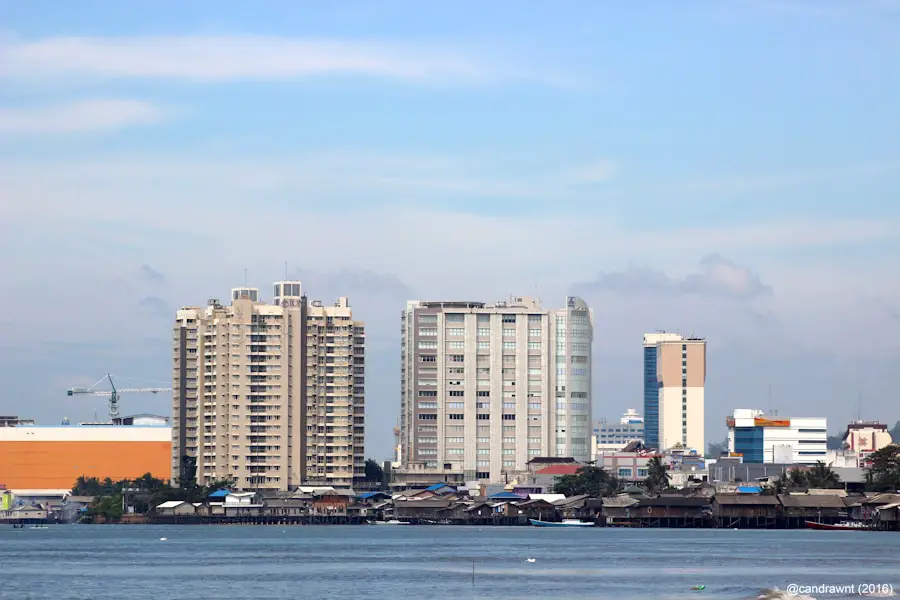
Summer (June to August) is Sweden’s peak travel season, bringing mild-to-warm temperatures averaging 20°C to 25°C (68°F–77°F). In the far northern towns like Kiruna, the natural phenomenon known as the Midnight Sun occurs from late May to mid-July, providing 24 hours of uninterrupted daylight. Even in southern Sweden, summer nights consist of a prolonged dusk rather than complete darkness, providing extra hours for outdoor sightseeing and relaxation.
Popular summer travel destinations include the Baltic islands of Gotland and Öland, where visitors can relax on sandy beaches, explore medieval ruins in Visby, or bike through coastal nature reserves. Sweden’s vast archipelagos—comprising thousands of islands near Stockholm and Gothenburg—become hubs for swimming, sailing, and island hopping.
Midsummer, celebrated on the Friday between June 19 and June 25, stands as one of Sweden’s most cherished holidays. Families and communities gather outdoors to raise flower-decorated maypoles, sing traditional folk songs, dance, wear hand-woven floral crowns, and feast on pickled herring, fresh new potatoes, dill, and ripe strawberries. Furthermore, major music festivals such as Way Out West in Gothenburg add energetic contemporary culture to Sweden’s summer calendar.
Fall: A Symphony of Colors
From late September through November, Sweden transitions into autumn, coating its vast forests in rich shades of gold, amber, and crimson. Temperatures drop steadily, ranging from 10°C to 15°C (50°F–59°F) in September down to 0°C to 5°C (32°F–41°F) by November. Deciduous birch, aspen, and maple forests across regions like Dalarna and Småland create extraordinary landscape vistas.
At a Glance: Sweden Fall Climate & Travel Snapshot
| Season Duration | Late September to November |
| Average Temperatures | South: 5°C to 15°C (41°F–59°F) | North: -2°C to 8°C (28°F–46°F) |
| Daylight Range | 12 hours in late Sept to 6-8 hours by late Nov |
| Key Activities | Foliage hiking, wild mushroom foraging (chanterelles), harvest fairs (Skördefest) |
| Popular Regions | Dalarna, Småland, and Abisko National Park |
The crisp autumn air encourages outdoor exploration along hiking trails in national parks like Abisko in Lapland, where yellow birch foliage contrasts against deep blue skies. Fall is also harvest season. The annual Skördefest (Harvest Festival), notably on the island of Öland, brings farmers’ markets filled with fresh root vegetables, sea buckthorn, game meats, and golden chanterelle mushrooms. It is a rewarding time for food enthusiasts to experience hearty Swedish culinary traditions.
Winter: A Wonderland of Snow
Winter in Sweden (December to February) blankets much of the country in pristine snow, creating a winter landscape ideal for arctic adventures. In southern cities, winter temperatures hover around -2°C to 2°C (28°F–35°F), while northern Lapland routinely experiences temperatures from -10°C to -20°C (14°F to -4°F) or colder. World-class ski resorts like Åre and Sälen cater to downhill skiing, snowboarding, and cross-country ski enthusiasts.
One of winter’s primary highlights is witnessing the Northern Lights (Aurora Borealis). Solar particles colliding with the Earth’s atmosphere generate vibrant green and violet light displays across clear night skies in northern regions. Locations like Abisko National Park are renowned for their optimal viewing conditions, attracting photographers and nature lovers eager to experience this breathtaking phenomenon.
Note: Abisko National Park benefits from a unique rain-shadow microclimate, making its Aurora Sky Station one of the most reliable places on Earth to view the Northern Lights between October and March.
Winter cultural traditions bring warmth to the darkest months. St. Lucia’s Day on December 13th features candlelit processions in schools and churches, where girls wearing white gowns and wreaths of candles sing traditional songs and serve saffron buns (lussekatter) and gingerbread cookies.
Festivals and Events Throughout the Year
Springtime Celebrations
As winter fades, Valborgsmässoafton marks a joyous farewell to the cold on April 30th with nationwide bonfires, choral songs, and community gatherings welcoming longer, sunnier days.
Summer Delights
Midsummer in late June remains the pinnacle of Swedish summer culture. Dancing around the maypole, singing traditional folk songs, and sharing meals under the endless summer sun capture the essence of Swedish hospitality.
Autumn and Winter Festivities
Autumn centers on agricultural roots with Skördefest harvest markets. As winter arrives, festive Christmas markets fill historical city centers like Gamla Stan in Stockholm with gingerbread, mulled wine (glögg), and artisan handicrafts. St. Lucia’s Day on December 13th brings candlelit warmth to light up the dark midwinter night.
Outdoor Activities for Each Season
Sweden’s outdoor culture, guided by the constitutional right to roam (Allemansrätten), makes outdoor recreation popular year-round:
- Spring: Birdwatching in coastal wetlands, trail hiking in Sarek National Park as snow thaws, and city cycling along opening park paths.
- Summer: Sea kayaking through the Gothenburg archipelago, open-water swimming in clear lakes, wild camping under the Midnight Sun, and coastal trail running.
- Autumn: Mushroom and berry foraging (chanterelles, lingonberries, blueberries), wilderness hiking through autumn foliage, and wildlife photography.
- Winter: Alpine skiing and snowboarding in Åre, dog sledding tours across Lapland, snowshoeing, ice skating on frozen lakes, and Aurora hunting.
Tips for Traveling to Sweden in Different Seasons
Maximizing your trip to Sweden requires preparing for distinct weather conditions:
- Spring Packing: Bring moisture-wicking base layers, a fleece jacket, a waterproof outer shell, and comfortable walking shoes for sightseeing in parks.
- Summer Travel: Wear lightweight breathable clothing, but pack a light jacket for cool evening breezes. Sleep masks are strongly recommended to block late-night sunlight.
- Autumn Essentials: Pack sturdy waterproof hiking boots, insulated rain gear, and warm sweaters for cool, damp weather.
- Winter Gear: Thermal underwear (merino wool), an insulated down parka, waterproof snow boots, thick gloves, and thermal hats are mandatory for arctic trips.
If you are planning a trip to Sweden, consider your travel gear carefully. According to TakeTravelInfo, equipping yourself with comfortable waterproof sneakers, an organized travel pack, and weather-appropriate footwear ensures you stay dry and comfortable while exploring Sweden’s outdoors regardless of the season.
FAQs
What is the best time to travel to Sweden?
The overall best time to visit Sweden for warm weather and outdoor sightseeing is during the summer months from June to August. However, if your primary goal is winter sports, dog sledding, or viewing the Northern Lights, the best time to visit is from December to March.
What is the weather like in Sweden during the summer?
Summer weather in Sweden is mild to comfortably warm, with average high temperatures ranging between 20°C and 25°C (68°F–77°F). Days are exceptionally long, featuring nearly 24 hours of daylight in the far north and dusk setting in past 10:00 PM in southern regions.
Are there any specific events or festivals to consider when planning a trip to Sweden?
Yes. Midsummer in late June is Sweden’s premier cultural event. Other key events include Walpurgis Night (April 30), Stockholm Pride (August), Gothenburg’s Way Out West music festival (August), and Lucia celebrations (December 13).
What are the popular tourist attractions to visit in Sweden during the summer?
Top summer destinations include the Stockholm Archipelago, the historic medieval city of Visby on Gotland island, the coastal archipelagos near Gothenburg, and Abisko National Park for Midnight Sun hiking.
Are there any outdoor activities that are popular in Sweden during the summer?
Popular summer outdoor pursuits include sea kayaking, lake swimming, island-hopping, forest hiking, cycling, and wilderness camping under Sweden’s right-to-roam laws.
Sources
- Visit Sweden — Official Swedish tourism guide on climate, Midnight Sun, and cultural festivals.
- Swedish Meteorological and Hydrological Institute (SMHI) — Official national climate and seasonal weather data.
- Sweden.se — Official portal of Sweden detailing Swedish traditions, Walpurgis Night, and St. Lucia.
- Swedish Lapland Visitor Board — Arctic seasonal activity guides and Northern Lights observation standards.