
Last Updated on July 27, 2026 by Daniel Globe
Switzerland offers a striking landscape of alpine peaks, pristine lakes, and historic towns that transform dramatically throughout the year. Influenced by both Atlantic oceanic weather and Mediterranean currents, the country features distinct microclimates across its regions. Understanding these seasonal changes helps you align your itinerary with optimal weather, outdoor conditions, and cultural events.
Quick Answer
The best time to visit Switzerland depends on your goals: July to August offers warm weather for alpine hiking and lake swimming; December to March is ideal for skiing and Christmas markets; while September to October delivers lower accommodation rates, colorful fall foliage, and vineyard harvests with fewer crowds.
Key Takeaways
- Spring (April–May): Best for lower hotel rates, blooming wildflowers, and quieter sightseeing in cities like Zurich and Lucerne.
- Summer (June–August): Peak season for high-altitude trail access, mountain lakes, outdoor dining, and international music festivals.
- Fall (September–November): Ideal for wine tasting in Lavaux, autumn foliage hikes, and comfortable temperatures.
- Winter (December–March): Prime time for alpine sports in Zermatt and St. Moritz, paired with festive holiday markets across major cities.
Spring in Switzerland: Wildflowers and Alpine Hiking
As spring arrives from March to May, snow begins melting in the valleys, giving way to lush green pastures filled with crocuses, daffodils, and alpine anemones. Temperatures gradually rise from averages of 8°C (46°F) in March to 15°C (59°F) in May, making it a comfortable season for low-altitude exploration.
Nature’s Awakening in the Valleys
The lower elevations of the Swiss Alps awaken early in the season. Valley floors and foothill meadows fill with vibrant flora, creating ideal conditions for landscape photography and relaxed nature walks before summer tourist crowds arrive.
Hiking Trails and Spring Snowmelt
Spring provides peaceful hiking conditions along mid-altitude trails. The Swiss Alps Jungfrau-Aletsch UNESCO World Heritage area offers scenic routes that open progressively as snow melts, winding past glacial streams and emerging alpine meadows.
Warning: During late April and May, many high-altitude cable cars and funiculars temporarily close for annual maintenance before the summer season. Always check transport schedules in advance if planning mountain summit excursions.
Spring Cultural Festivities
Moderate spring temperatures make urban exploration enjoyable. Towns across the canton of Ticino and around Lake Geneva host local spring markets and floral festivals celebrating traditional Swiss crafts, regional cheeses, and seasonal folk music.
Summer in Switzerland: Outdoor Adventures and Cultural Festivals
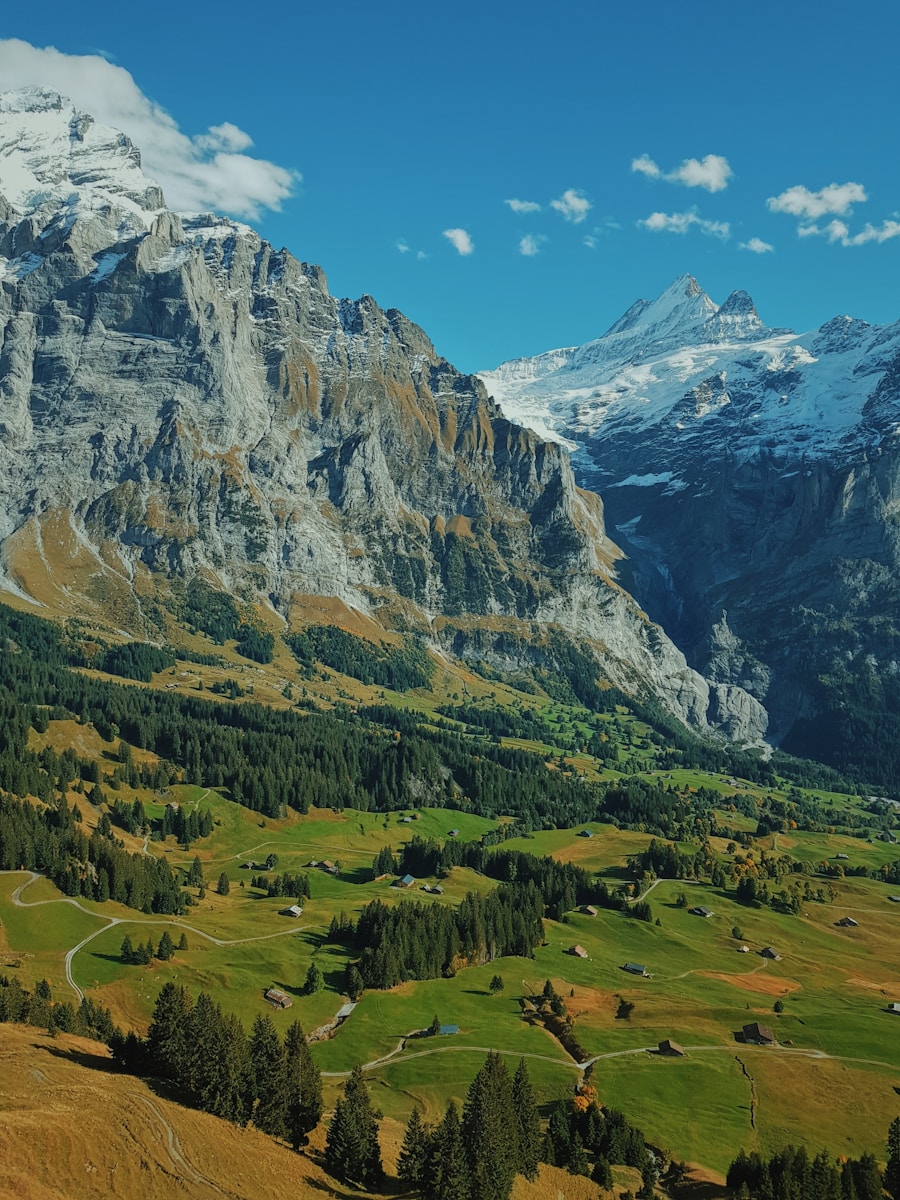
Summer (June through August) brings long daylight hours, warm sunshine, and full access to high-altitude mountain trails. Daytime temperatures across lowlands and lake districts average between 20°C and 28°C (68°F–82°F), creating excellent conditions for swimming, mountain biking, and paragliding.
Glacial lakes such as Lake Geneva, Lake Lucerne, and Lake Thun turn into vibrant hubs for sailing, paddleboarding, and passenger steamboat cruises. High mountain passes open fully to traffic, unlocking legendary panoramic drives over the Furka and Grimsel Passes.
Summer is also Switzerland’s premier festival season. World-renowned cultural gatherings like the Montreux Jazz Festival along Lake Geneva and the open-air Locarno Film Festival in Ticino draw visitors globally. Additionally, August 1st marks Swiss National Day, celebrated nationwide with fireworks, bonfires, and lakeside festivities.
Pro Tip: If traveling in summer, consider acquiring a Swiss Travel Pass via SBB Federal Railways. It provides unlimited travel on trains, buses, and boats, plus free admission to over 500 museums and discounts on mountain railways.
Fall in Switzerland: Autumn Foliage and Vineyard Grape Harvests
From September to November, Switzerland shifts into autumn as mountain forests turn shade of gold, orange, and deep red. Crisp air, clear skies, and stable weather make early autumn one of the finest seasons for high-mountain hiking and scenic train routes.
| Region | Avg. Fall Temp (°C) | Avg. Rainfall (mm) | Annual Wine Production (Liters) |
|---|---|---|---|
| Geneva | 12°C (54°F) | 80 mm | ~13,000,000 L |
| Valais | 14°C (57°F) | 60 mm | ~39,000,000 L |
| Vaud | 13°C (55°F) | 70 mm | ~26,000,000 L |
In major wine-producing regions like Valais, Vaud, and the terraced vineyards of Lavaux, autumn marks the grape harvest. Visitors can walk through vineyard trails, attend wine-tasting festivals, and sample local vintages paired with seasonal specialties like roasted chestnuts and game dishes.
“Autumn brings dry, stable weather conditions recorded by MeteoSwiss across alpine valleys, providing extraordinary visibility for high-altitude hiking before winter snows settle.”
Winter in Switzerland: Skiing, Snowboarding, and Festive Christmas Markets
Winter (December through February) blankets the Swiss Alps in deep snow, transforming the nation into an international destination for winter sports. Celebrated resorts such as Zermatt, St. Moritz, Verbier, and Grindelwald feature extensive connected ski networks suitable for all technical levels.
Beyond ski slopes, winter brings cozy alpine traditions. Mountain villages serve hot regional dishes like raclette and fondue in timber chalets after a day on the snow.
Note: In early December, Geneva celebrates its famous historical festival, the Fête de l’Escalade, featuring torchlight parades, historic costumes, and traditional chocolate cauldrons.
In urban centers, historic old towns transform into holiday wonderlands. Christmas markets in Zurich, Basel, Lucerne, and Montreux fill cobbled streets with illuminated stalls, artisan crafts, gingerbread, and mulled wine.
Off-Season Travel: Exploring Switzerland in the Shoulder Seasons
Advantages of Shoulder Season Travel
Visiting Switzerland during the shoulder months—specifically April to May in spring and September to November in fall—offers distinct perks. Lower tourist volumes mean shorter lines at popular attractions, quieter trains, and significantly lower room rates at luxury mountain hotels.
Seasonal Sights and Experiences
Spring shoulder months display rapid natural transformations as alpine meadows bloom, while autumn shoulder months showcase golden foliage and wine harvest celebrations. Both periods provide mild temperatures suitable for urban walking tours and lower-altitude trail hikes.
Authentic Local Atmosphere
With seasonal crowds absent, travelers experience a more authentic atmosphere in Swiss towns. Local cafes, neighborhood bakeries, and regional markets operate at a relaxed pace, allowing for genuine interactions with residents.
Practical Travel Tips for Every Swiss Season
Optimizing your Swiss vacation requires tailored preparation for seasonal weather variations:
- Spring: Pack adaptable clothing layers. Valley temperatures can reach 18°C (64°F) while higher mountain passes remain near freezing. Sturdy waterproof footwear is helpful for wet trails.
- Summer: Book rail passes and popular alpine hotels months ahead. High UV levels at alpine altitudes require sun protection, sunglasses, and a refillable water bottle for public alpine fountains.
- Fall: Bring a windproof jacket and breathable fleece layers for changing weather. Plan vineyard visits around weekend harvest festivals in late September and October.
- Winter: Invest in high-quality thermal base layers, insulated boots, and waterproof outer gear. Reserve ski rentals and mountain railway passes early during peak holiday weeks around Christmas and New Year.
Choosing the Best Time to Visit Switzerland for Your Travel Preferences
Every season in Switzerland presents distinct advantages depending on your travel interests. Action-seekers and hikers will thrive in the warm, fully open trails of summer. Winter sports fans and holiday enthusiasts will find December to February magical. Budget-conscious travelers and photography lovers will appreciate the quiet charm, colorful foliage, and value offered during the spring and fall shoulder seasons.
When structuring your travel dates, consider these seasonal factors alongside insights from TakeTravelInfo to build a well-paced itinerary tailored to your expectations.
Frequently Asked Questions
What is the overall best time to travel to Switzerland?
The peak summer months from June to August are generally best for sightseeing, hiking, and outdoor lake activities. For skiing and festive markets, December through February is ideal. For lower prices and fewer crowds, visit during the shoulder months of April–May or September–October.
What weather can I expect in Switzerland during the summer?
Summer brings pleasant, warm weather across valleys and lake regions, with average daytime temperatures between 20°C and 28°C (68°F–82°F). Higher alpine regions remain comfortably cooler, making it ideal for outdoor trekking.
What is the weather like in Switzerland during winter?
Winter temperatures in lowlands typically range between -2°C and 7°C (28°F–45°F), while mountain regions experience sub-zero temperatures and abundant snowfall, creating ideal conditions for winter sports.
Which major Swiss festivals should I plan around?
Key cultural events include the Montreux Jazz Festival (July), Swiss National Day (August 1), the Locarno Film Festival (August), autumn vineyard grape harvests (September–October), and the Fête de l’Escalade in Geneva (December).
Is traveling during the Swiss shoulder season worth it?
Yes. Spring (April–May) and fall (September–November) offer lower hotel rates, fewer tourists, and mild weather. However, note that some high-altitude cable cars undergo short maintenance closures during these periods.
Sources
- Switzerland Tourism (MySwitzerland) — Official national tourism data and seasonal events guidance.
- UNESCO World Heritage Centre — Swiss Alps Jungfrau-Aletsch conservation and trail site details.
- Montreux Jazz Festival Official — Official event dates and schedule information.
- Federal Office of Meteorology and Climatology (MeteoSwiss) — Swiss seasonal climate statistics and forecasts.
- SBB Federal Swiss Railways — National transit networks, alpine mountain pass timetables, and Swiss Travel Pass details.
