
Last Updated on July 28, 2026 by Daniel Globe
Antigua is warm throughout the year, but the best time to visit depends on whether you care most about dry weather, lower prices, small crowds, or major events. December through April offers the most dependable beach weather, May and June provide a useful balance of value and conditions, and July through November can suit flexible travelers who understand the higher rain and storm risk.
Quick Answer
The best time to visit Antigua is from December through April for drier weather, lower humidity, and a full schedule of tours and resort activities. May and June usually offer a better mix of value and manageable rainfall. July through November is cheaper but falls within the Atlantic hurricane season.
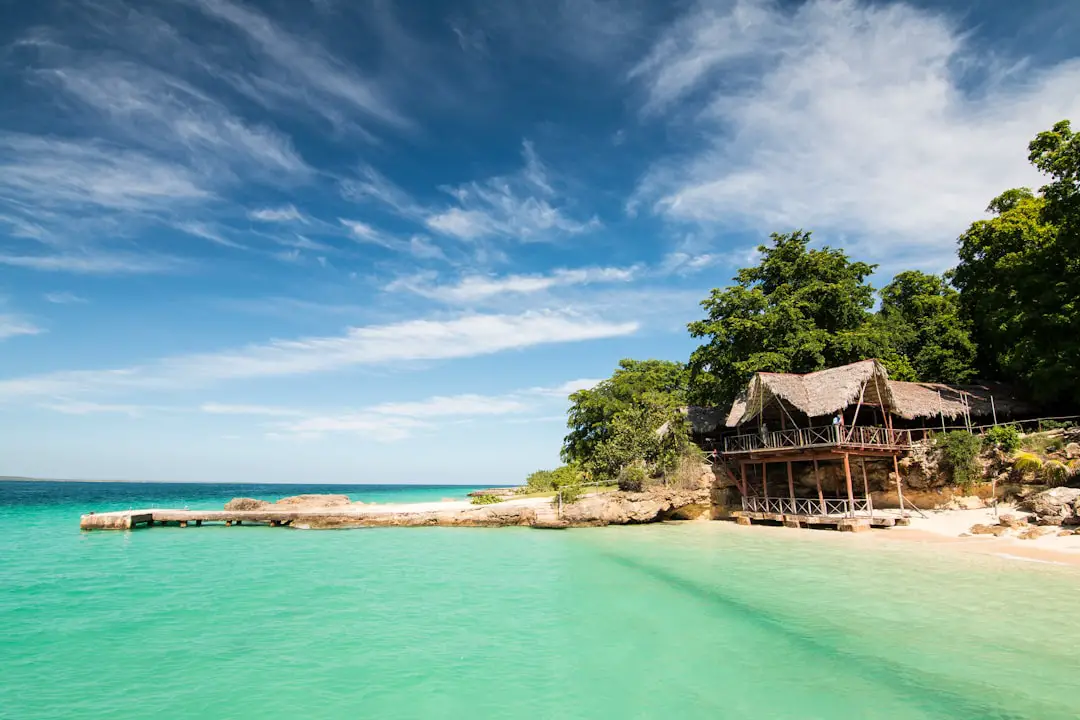
Antigua is the larger island in the twin-island nation of Antigua and Barbuda. The national tourism authority famously promotes the destination as having 365 beaches, while St. John’s serves as the main center for shopping, markets, cruise arrivals, and local events.
The island’s history stretches from Indigenous settlement through British colonization and the plantation era. Today, its most important heritage sites include Nelson’s Dockyard and its related archaeological sites, where Georgian naval buildings, fortifications, and the history of enslaved African labor remain central to understanding Antigua’s past.
Antigua combines a heavily visited resort coastline with living Caribbean traditions, historic communities, sailing culture, local food, steelpan, calypso, and Carnival.
For a different pace, consider a day trip or overnight stay on Barbuda. The sister island is known for quieter beaches, pink-tinted sand, and the Codrington Lagoon area. Ferry journeys commonly take about 90 minutes, but departure times and sea conditions should be checked before travel.
Disclosure: As an Amazon Associate I earn from qualifying purchases. Some links on this page are affiliate links, at no extra cost to you.
Best Time to Visit Antigua: Key Takeaways
Key Takeaways
- December through April is the strongest choice for dry weather, beach days, sailing, and a full range of visitor services.
- Christmas, New Year, and popular school-break weeks bring the highest prices and heaviest demand.
- May and June often provide a good balance of lower room rates, lighter crowds, and generally usable weather.
- The official Atlantic hurricane season runs from June 1 through November 30, with the greatest activity usually occurring from mid-August to mid-October.
- Late July and early August can be busy around Antigua Carnival even though they fall within the wider low season.
- Some hotels, restaurants, tours, or air routes may operate reduced schedules during the quietest late-summer and fall weeks.
Best Antigua Travel Window by Priority
At a Glance
| Travel Priority | Best Window |
| Driest beach weather | January through April |
| Good weather with better value | May through June |
| Lowest crowds and flexible deals | September through early November, with significant storm-season caution |
| Antigua Carnival | Late July through early August; July 25–August 4 in 2026 |
| Sailing events | February through late April; verify each event’s current schedule |
| Lowest storm exposure | December through May, although unusual weather remains possible at any time |
Peak Season: December to April
December through April is Antigua’s busiest travel period because it combines the island’s drier months with winter demand from North America and Europe. Typical temperatures remain warm, with overnight lows commonly in the 70s°F and daytime readings reaching the 80s°F. Trade winds often make coastal areas feel more comfortable.
This is the strongest season for travelers who want to spend most days swimming, snorkeling, sailing, sightseeing, or relaxing outside. Rain can still occur, but extended interruptions are generally less common than during the wetter part of the year.
The trade-off is cost. Beachfront hotels, villas, flights, rental cars, and popular excursions can be more expensive, especially around Christmas, New Year, Presidents’ Day week, Easter, and major sailing events. Dickenson Bay, Jolly Harbour, English Harbour, and the island’s better-known all-inclusive resorts can fill well ahead of arrival.
The season also offers the widest selection of restaurants, tours, entertainment, and nightlife. Visitors are more likely to find regular sailing departures, sunset cruises, cultural performances, and organized beach activities operating on full schedules.
Pro Tip: If your trip includes a Sunday, consider the long-running event at Shirley Heights Lookout. Its views over English and Falmouth Harbours are especially popular near sunset, so arrive early and confirm current admission or reservation arrangements.
Shoulder Season: May to June
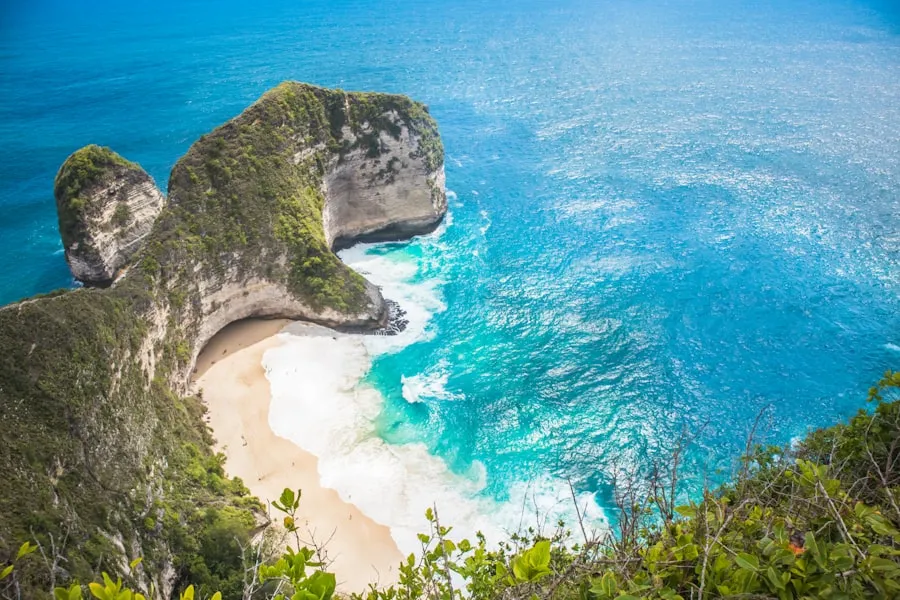
May and June are often the best compromise for travelers who want lower prices without immediately choosing the stormiest part of the year. Visitor numbers generally ease after the main winter season, while many hotels, restaurants, and excursions remain open.
Conditions become warmer and more humid, and passing showers become more likely. Even so, many days still include long sunny periods. A flexible schedule makes it easier to plan beach time in the morning and move sightseeing or meals around short showers.
This is a good period for exploring Nelson’s Dockyard, hiking around the greener southwest of the island, visiting Wallings Nature Reserve, driving Fig Tree Drive, or snorkeling without the heavier peak-season visitor load.
Late April is also associated with Antigua’s sailing calendar. The revised 2026 Antigua Sailing Week ran from April 22 through April 26 and brought international crews to English and Falmouth Harbours. Event dates and formats can change, so future visitors should check the official calendar before booking around the regatta.
Note: The official Atlantic hurricane season begins on June 1. June is usually less active than the late-summer peak, but travelers should still use flexible bookings and monitor forecasts.
Low and Wet Season: July to November
Low Season at a Glance
| Factor | What to Expect |
| Crowds | Usually lighter, except during Carnival and other major events |
| Accommodation | More discounts may appear, but some properties reduce services or close temporarily |
| Flights | Fares can be competitive, although some routes may operate less frequently |
| Weather | Hotter, more humid, and more prone to showers or thunderstorms |
| Storm Risk | Highest from mid-August through mid-October, although storms are possible throughout the June–November season |
July through November is commonly treated as Antigua’s low or value season. Temperatures remain warm, humidity rises, and rainfall becomes more frequent. Some showers pass quickly, but tropical waves and organized storm systems can produce longer periods of rain, rough seas, flooding, or travel disruption.
The official Atlantic hurricane season runs from June 1 through November 30. According to the National Hurricane Center’s climatology, activity usually reaches its highest level from mid-August through mid-October, with a climatological peak around September 10.
Warning: Travelers visiting during hurricane season should compare insurance policies carefully. Coverage, named-storm restrictions, purchase deadlines, cancellation benefits, and accommodation protections differ. Monitor the National Hurricane Center and Antigua and Barbuda Meteorological Services before and during the trip.
Low-season travel can still be rewarding. Beaches and historic sites are often quieter, restaurant reservations may be easier, and flexible travelers may find attractive room packages. However, verify that your chosen hotel, restaurant, spa, ferry, dive operator, or excursion will be operating normally during your dates.
Late July and early August are an important exception to the quiet-season pattern because Antigua Carnival increases local activity, event demand, traffic, and nightlife in and around St. John’s.
Antigua Weather and Climate
Antigua has a warm tropical climate throughout the year. Antigua and Barbuda Meteorological Services describes typical temperatures as ranging from roughly 73°F into the upper 80s°F. The exact temperature, rainfall, wind, and sea conditions vary by month and by individual weather system.
The driest period generally falls in the first part of the year, while rainfall becomes more common from late spring through fall. August through November are normally among the wetter months. Trade winds provide regular airflow, particularly along exposed coastlines, but humidity can still feel high during summer and fall.
Mornings often provide the best conditions for beach trips, hikes, and outdoor sightseeing. During wetter months, showers and thunderstorms are more likely later in the day, although no daily pattern is guaranteed.
Sea conditions also vary around the island. A beach that is calm on the Caribbean-facing west coast may experience different wind, swell, or seaweed conditions from an Atlantic-facing beach on the east coast. Ask locally before swimming, snorkeling, boating, or taking children into unfamiliar water.
Month-by-Month Antigua Travel Guide
| Months | Typical Travel Experience |
| December–February | Warm, comparatively dry, breezy, and popular. Christmas and New Year bring especially strong demand. |
| March–April | Among the best months for beach weather, sailing, and outdoor sightseeing, with peak-season pricing still common. |
| May–June | Warmer and more humid, with fewer visitors and more frequent discounts. Hurricane season begins June 1. |
| July–August | Hot, humid, and showery. Carnival creates a lively period from late July into early August, while tropical activity generally increases later in August. |
| September–October | The quietest and most storm-sensitive period. Deals may be strong, but closures, rough seas, heavy rain, and disruption are more likely. |
| November | Still part of the wet and hurricane season, but conditions often begin moving toward the busier winter pattern later in the month. |
Events and Festivals
Antigua’s event calendar can change the usual relationship between season, price, and crowd size. A normally quiet summer week may become busy when a major festival is underway.
Antigua Carnival
Antigua Carnival 2026 runs from July 25 through August 4 under the theme “Feel the Rhythm.” Events include steelpan, calypso, soca, competitions, fetes, traditional characters, costumes, and street parades through St. John’s.
Carnival is ideal for visitors who want nightlife and a large cultural celebration. It is less suitable for travelers seeking an especially quiet resort stay, easy city driving, or early nights. Reserve central accommodation and event transportation well in advance.
Antigua Sailing Week
Antigua Sailing Week is one of the island’s best-known maritime events. The 2026 edition used a shorter April 22–26 format, with racing and related activities centered on English and Falmouth Harbours. The official site published a full 2026 Sailing Week recap after the event.
Future dates should always be confirmed before booking because the regatta’s schedule and format have changed over time. Visitors who are not participating can still encounter fuller restaurants, busier marinas, event traffic, and increased demand around English Harbour.
Antigua Travel Tips for Every Season
Book According to the Season
For Christmas, New Year, Easter, and major sailing weeks, book accommodation, rental cars, and high-priority excursions as early as practical. During shoulder season, compare refundable rates because discounts may change. In late summer and fall, confirm that every important hotel facility, restaurant, ferry, and tour will be open.
Prepare for Hurricane Season
Choose flights and rooms with flexible change or cancellation terms. Read insurance documents before purchasing rather than assuming every weather event is covered. Save contact details for your airline, hotel, insurer, and tour operators, and follow official forecasts instead of relying only on weather apps.
Complete the Arrival Form
Antigua and Barbuda uses an electronic arrival and departure system for international travelers. Complete the official form through Arrive Antigua and Barbuda and save the resulting QR code. Entry rules can change, so also check current passport and visa requirements before departure.
Driving and Local Transportation
Driving is on the left side of the road. The Antigua and Barbuda Tourism Authority states that rental-car visitors need a valid home-country driver’s license and a temporary local permit, currently listed at EC$50. Rental agencies can usually arrange the permit.
Road surfaces, lighting, signs, sidewalks, and driving behavior vary. Follow posted limits, avoid rushing on unfamiliar roads, and take extra care at night. Buses are inexpensive but may not follow a visitor-friendly timetable. Licensed taxis are useful for airport transfers, events, and evenings when you do not want to drive.
Visiting Barbuda
Ferries and organized excursions connect Antigua with Barbuda, with a typical ferry trip taking about an hour and a half. Reserve ahead, reconfirm the departure point, and check the marine forecast. High winds or rough seas can change schedules.
Money and Payments
The Eastern Caribbean Dollar, abbreviated XCD or EC$, is the official currency. Many hotels, restaurants, taxis, and tourism businesses also accept U.S. dollars. Ask which currency a quoted price uses, because the dollar symbol may refer to either currency, and change may be returned in Eastern Caribbean dollars.
Sun, Mosquito, and Water Safety
Pack broad-spectrum sunscreen, a hat, drinking water, and insect repellent. The CDC’s Antigua and Barbuda traveler guidance recommends preventing mosquito bites because mosquito-borne illnesses including dengue and Zika can occur.
For snorkeling, diving, boating, jet skiing, or remote beach visits, use established operators, ask about safety equipment, and check local sea conditions. Do not assume that every beach has a lifeguard, warning flag, or clearly marked hazard.
Food and Local Culture
Try Antiguan dishes such as fungie, pepperpot, saltfish, ducana, local seafood, and Antigua Black pineapple when available. Markets and independently owned restaurants can provide a more direct connection to local farmers, cooks, craftspeople, and everyday island life.
Antigua can suit many travel styles throughout the year. Choose December through April for the most dependable weather, May and June for a strong balance of value and conditions, or the wetter months for events and lighter crowds if you are comfortable with greater uncertainty and flexible plans.
Frequently Asked Questions
What is the best time to travel to Antigua?
December through April is the best overall period for drier weather, lower humidity, beach activities, and a full range of visitor services. May and June are better for travelers who want lower prices and fewer crowds without choosing the peak storm-risk months.
What are the best individual months to visit Antigua?
February, March, and April are strong choices for dry, warm weather. May is a useful value month because peak-season demand begins to fall while the most active part of hurricane season is still several months away.
When is the cheapest time to visit Antigua?
The lowest prices often appear from late summer through fall, especially in September and October. Those savings come with higher humidity, more rain, greater hurricane risk, and possible seasonal closures, so flexible reservations are important.
When is hurricane season in Antigua?
The official Atlantic hurricane season runs from June 1 through November 30. The greatest amount of Atlantic tropical activity usually occurs from mid-August through mid-October, with a climatological peak around September 10.
Is September a bad time to visit Antigua?
September can offer quiet beaches and low prices, but it falls within the most active part of the Atlantic hurricane season. It is best for flexible travelers who have suitable insurance, refundable bookings, and a backup plan for weather disruption.
What is Antigua’s dry-season weather like?
The dry season usually brings warm days in the 80s°F, overnight temperatures in the 70s°F, regular trade winds, and less frequent rainfall than summer and fall. Showers can still occur, so no month is guaranteed to be completely dry.
Are there major festivals worth planning a trip around?
Yes. Antigua Carnival is the largest summer cultural celebration and runs from July 25 through August 4 in 2026. Antigua Sailing Week is another major event; its 2026 edition took place from April 22 through April 26.
What activities are best during the dry season?
Dry-season visitors can enjoy snorkeling, diving, sailing, beach trips, hiking, sunset cruises, and historical attractions such as Nelson’s Dockyard, Shirley Heights, and Betty’s Hope. Conditions should still be checked before boating or entering unfamiliar water.
Can you visit Barbuda on a day trip from Antigua?
Yes. Ferries and organized excursions connect the islands, and a typical ferry crossing takes about 90 minutes. Check the operator’s schedule and marine conditions because departures can change in rough weather.
Sources
- Antigua and Barbuda Meteorological Services — official local forecasts, temperature guidance, climate information, and tropical-weather resources
- NOAA National Hurricane Center: Tropical Cyclone Climatology — Atlantic hurricane-season timing, peak date, and the mid-August to mid-October activity window
- Antigua and Barbuda Tourism Authority: Antigua Carnival 2026 — official Carnival theme, dates, music, parades, and festival information
- Antigua Sailing Week: 2026 Recap — verifies that the revised 2026 event took place from April 22 through April 26
- Antigua and Barbuda Tourism Authority: Getting Around — left-side driving, temporary permit cost, buses, taxis, rental cars, ferries, and Barbuda travel timing
- Antigua and Barbuda Tourism Authority: FAQ and General Information — currency, U.S.-dollar acceptance, entry requirements, beaches, safety, and general visitor information

