
Last Updated on July 28, 2026 by Daniel Globe
Seychelles stays warm throughout the year, but the experience changes with the trade winds, rainfall, sea conditions, and wildlife seasons. For most travelers, choosing the right month matters less for temperature than for whether they want calm water, breezy hiking weather, reliable wind sports, wildlife encounters, or fewer weather-related disruptions.
Quick Answer
The best time to visit Seychelles for the broadest mix of calm seas, beach weather, snorkeling, diving, and island hopping is usually April, May, October, or November. June through September is cooler and drier but windier, while December through March is warmer, more humid, and generally wetter.
Key Takeaways
- Best overall months: April, May, October, and November usually offer lighter winds and calmer seas.
- Cooler, drier period: June through September brings the southeast trade winds, lower humidity, and good hiking weather, but exposed seas can be rough.
- Warmer, wetter period: December through March is more humid and showery, with January normally among the wettest months.
- Best for diving and snorkeling: Calm transition periods around April–May and October–November are especially attractive for underwater visibility and boat access.
- Wildlife varies by season: Whale sharks are most associated with roughly August–November, while Bird Island’s sooty tern colony is active from spring into October.
Seychelles remains warm throughout the year, generally in the mid-20s to low-30s Celsius, so wind, rainfall, and sea conditions are usually more important than temperature when choosing travel dates.
Disclosure: As an Amazon Associate I earn from qualifying purchases. Some links on this page are affiliate links, at no extra cost to you.
Best Time to Visit Seychelles by Travel Goal
| Travel Goal | Best Time | Why |
| Best overall weather balance | April–May, October–November | Lighter winds, warmer water, and generally calmer seas between the main trade-wind periods. |
| Diving and snorkeling | April–May, October–November | Calmer water can improve visibility and access to exposed dive sites. |
| Hiking and nature walks | May–September | Lower humidity and slightly cooler conditions make trails more comfortable. |
| Surfing and wind sports | May–September | Southeast trade winds create more consistent wind and wave action. |
| Whale sharks | August–November | This is the main seasonal aggregation period reported around Mahé. |
| Sooty terns on Bird Island | April–October | Birds establish the colony in spring, lay mainly in June, and young birds fledge into autumn. |
May to September: Cooler, Drier and Breezier
From roughly May into September, the southeast trade winds become the dominant weather pattern. This is Seychelles’ cooler and generally drier part of the year. Temperatures remain tropical, but humidity is usually more comfortable than during the northwest monsoon.
The Seychelles Meteorological Authority climate guide describes June through August as part of the drier season, with persistent southeast winds and comparatively lower humidity.
Good Weather for Hiking and Outdoor Adventures
This period is particularly attractive for travelers who want to hike. On Mahé, the Anse Major Nature Trail follows a scenic section of the northwest coast and ends at a secluded beach. Other options include Copolia, Trois Frères, and routes within Morne Seychellois National Park.
Although conditions are somewhat cooler, tropical sun and humidity can still make hiking demanding. Carry water, start early, and use sun protection.
Water Conditions Are Not Equally Calm Everywhere
The drier months are often described as the best season for outdoor travel, but they are not automatically the calmest months for swimming or diving. Southeast winds can make exposed beaches and boat crossings rough, especially in July and August.
Warning: Beach conditions can change quickly with wind, swell, tides, and currents. Check local signs and advice before entering the water, especially at exposed beaches. Do not assume calm-looking water is free of strong currents.
For snorkeling and diving, conditions vary by coast and dive site. The calmer transition periods around April–May and October–November frequently offer a better combination of low wind, clear water, and comfortable boat travel than the middle of the southeast-trade season.
Watch for Seasonal Seaweed
According to Tourism Seychelles, the May-to-October trade winds can wash seaweed onto some southern and southeastern beaches of Mahé and Praslin. Conditions differ from beach to beach, so affected travelers can often find a clearer stretch of sand elsewhere on the same island.
Pro Tip: During windy months, choose accommodation with access to more than one coast or keep your itinerary flexible. A beach that is rough or covered with seaweed on one side of an island may be much calmer on another.
November to April: Warmer and Wetter Northwest-Monsoon Season
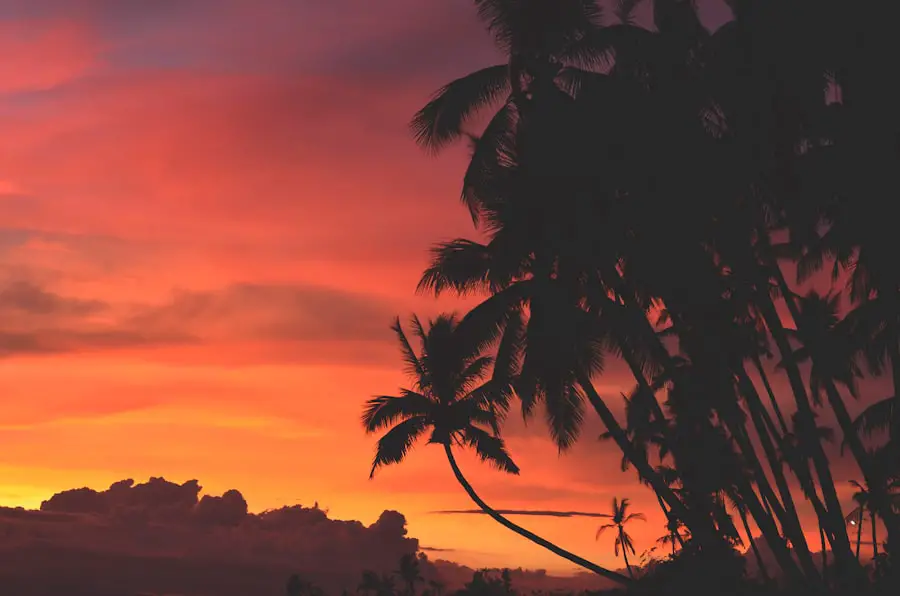
From late in the year through early spring, northwest winds bring warmer and more humid weather. December through April is generally the hotter part of the year, and January is normally among the wettest months.
Rain does not normally mean an entire vacation is washed out. Tropical showers can be intense but short-lived, and weather can differ noticeably between different sides of Mahé or between islands.
January and February
January sits near the peak of the rainy season. Humidity is high, showers and thunderstorms are more common, and travelers should expect changing weather. February remains warm and humid but rainfall generally begins to ease.
Seychelles’ main granitic islands are rarely struck directly by tropical cyclones, according to the Seychelles Meteorological Authority, but regional tropical systems can still influence rainfall, winds, and sea conditions. Always check the latest forecast before boat trips.
March and April
Rainfall usually decreases during March. By April, the northwest monsoon weakens and winds become lighter and more variable. April can feel hot, but the calmer sea conditions are one reason it ranks among the best months for swimming, diving, fishing, sailing, and island hopping.
Fishing is available throughout much of the year, with species such as tuna, billfish, and dorado found in Seychelles waters. Rather than relying on a single calendar rule, ask licensed local operators about current conditions and target species.
April–May and October–November: Best Overall Balance
The transitional months between the major wind regimes are the strongest all-around choice for many first-time visitors. Tourism Seychelles specifically identifies April, May, October, and November among the best months to visit.
| Shoulder-Season Factor | April–May | October–November |
| Wind | Usually lighter as northwest winds fade | Usually lighter as southeast trades weaken |
| Sea conditions | Often calm | Often calm |
| Temperature | Warm to hot | Warm and increasingly humid |
| Best for | Diving, snorkeling, sailing, beaches | Diving, snorkeling, whale sharks, beaches |
These months can also be attractive for travelers who want to avoid the strongest trade winds. However, “shoulder season” does not mean empty beaches or guaranteed discounts. Popular resorts, holidays, weddings, and special events can still push demand higher.
Note: Seychelles weather varies from year to year. Check the Seychelles Meteorological Authority’s seasonal and short-range forecasts shortly before travel rather than relying only on long-term averages.
Seychelles Month-by-Month
January
Hot, humid, and among the wettest times of the year. Expect tropical showers, occasional thunderstorms, and periods of sunshine between them.
February
Still warm and humid, but average rainfall normally starts decreasing. Sea conditions can be relatively pleasant when winds are light.
March
The northwest monsoon starts weakening. Rainfall generally eases, and sea conditions often become more comfortable as the month progresses.
April
One of the strongest all-around months. Winds are usually light during the seasonal changeover, although temperatures can be hot. Excellent for beaches, diving, snorkeling, sailing, and fishing.
May
The southeast trades begin to establish themselves. Days are often sunny, rainfall decreases, and temperatures become slightly more comfortable. Sea conditions are usually still manageable early in the trade-wind season.
June
Relatively dry, less humid, and breezier. A good time for hiking and land-based activities. Exposed coasts begin to feel the effect of stronger southeast winds.
July
One of the coolest and breeziest months by Seychelles standards. It is popular for outdoor travel, but some beaches and boat routes can be choppy.
August
The southeast trades remain strong. This is a good month for wind sports and hiking, while snorkeling quality depends heavily on location. Whale shark activity begins to become more relevant around Mahé.
September
Still relatively cool and breezy, although winds eventually begin to ease. Wildlife highlights continue, and conditions gradually move toward the calmer October transition.
October
Another standout month. Southeast winds weaken, seas often calm, diving improves, and whale shark sightings are seasonally possible. Festival Kreol also makes October attractive for culture-focused trips.
November
Warm, increasingly humid, and generally calmer than the preceding trade-wind months. It remains a good period for snorkeling and diving before the wetter northwest-monsoon pattern becomes established.
December
Hotter, more humid weather returns with more frequent tropical showers. Christmas and New Year demand can make accommodation and flights expensive despite the wetter climate.
Festivals and Events
Seychelles’ annual events can be a good reason to choose one month over another, but travelers should confirm exact dates because programs change from year to year.
Festival Kreol
Festival Kreol, usually associated with October, is the country’s major celebration of Creole heritage. Programs may include music, dance, theatre, visual art, food, and other cultural events on Mahé, Praslin, and La Digue.
The former standalone Carnaval International de Victoria should not be treated as a current annual April festival. Beginning in 2017, the carnival concept was incorporated into Creole Festival programming rather than continuing in its previous April format.
Feast of the Assumption on La Digue
The Feast of the Assumption is celebrated on August 15 and is especially important on La Digue. Religious ceremonies are accompanied by community gatherings, food, music, and cultural activities.
La Digue becomes particularly busy around the festival, so travelers planning to attend should reserve accommodation and ferry travel early.
Seychelles Ocean Festival
The event once known as SUBIOS was renamed the Seychelles Ocean Festival. It focuses on Seychelles’ marine environment, conservation, diving, water sports, education, and sustainable use of ocean resources. The festival returned in November 2024 after a multi-year hiatus, so travelers should verify whether an edition is scheduled for their travel year rather than assuming it occurs on fixed annual dates.
Wildlife Watching
Sooty Terns and Other Birds
Bird Island is famous for its immense sooty tern colony. According to Bird Island’s seasonal information, birds begin gathering during March and April, land at the colony during April and May, and lay most eggs in June. Chicks hatch and develop through the southeast-trade season, with the last juveniles generally fledging by the end of October.
This makes late spring through early autumn especially interesting for seabird enthusiasts, although Seychelles supports worthwhile birdlife throughout the year.
Aldabra Giant Tortoises
The correct species name for Seychelles’ famous giant tortoise is the Aldabra giant tortoise. UNESCO-listed Aldabra Atoll supports the world’s largest wild population. Travelers do not need to reach remote Aldabra to see the species: introduced populations can also be found on more accessible islands such as Curieuse.
Aldabra Atoll itself is extremely remote. Tourism is deliberately limited and carefully controlled to protect its exceptional ecosystem, so it should be viewed as an expedition destination rather than a routine Mahé or Praslin day trip.
Whale Sharks
The Marine Conservation Society Seychelles reports that whale sharks usually gather along the western coast of Mahé between about August and November. Its monitoring program and eco-tours operate from August 1 through October 31.
These are wild animals, so even traveling in the peak seasonal window does not guarantee a sighting.
Sea Turtles
Hawksbill turtles use Seychelles beaches for nesting, with activity especially associated with the warmer part of the year. Green turtles also nest in the archipelago. Where nesting beaches are protected, follow guides and conservation rules, remain well back from turtles, and never disturb nests or hatchlings.
Responsible Wildlife Watching
Do not touch, feed, chase, or crowd wildlife. Avoid standing on coral, do not collect shells from protected areas, and use licensed guides for wildlife and marine excursions. These practices help protect the biodiversity that makes Seychelles exceptional.
Diving and Snorkeling
Seychelles offers diving and snorkeling throughout the year, but the experience changes with the winds. The calmer transition months around April–May and October–November often provide the easiest combination of good visibility, comfortable boat rides, and access to more exposed sites.
Sainte Anne Marine National Park near Mahé is much more accessible to ordinary visitors than Aldabra. Other popular marine excursions include Baie Ternay and trips around Curieuse, St. Pierre, and nearby islands from Praslin.
During strong southeast-trade conditions, sheltered western or northwestern sites may perform better than exposed southeast-facing water. Ask local dive operators about conditions rather than selecting sites solely from a fixed annual calendar.
Water Sports
The clear, warm waters around Seychelles support kayaking, sailing, surfing, windsurfing, paddle sports, fishing, and other marine activities.
Kayaking and Sailing
Kayaking is especially enjoyable in sheltered lagoons and bays. April–May and October–November are attractive for relaxed paddling and sailing because lighter winds often mean calmer seas.
Sailing excursions can link Mahé, Praslin, La Digue, Curieuse, and smaller islands, but operators may alter itineraries when winds or swell make a route uncomfortable.
Surfing and Wind Sports
Stronger southeast winds between roughly May and September create better conditions for travelers specifically seeking wind and wave sports. Surf conditions vary dramatically by beach, reef, tide, and swell direction, so inexperienced visitors should use reputable local instructors.
Beau Vallon on Mahé is a major base for water activities, although the best site for a particular sport depends on current wind direction and skill level rather than one beach being ideal in every season.
Choosing the Best Coast for the Season
Seychelles’ wind direction means one coastline can be much calmer than another on the same day. During the southeast-trade season, exposed southern and southeastern shores may be breezier and rougher, while sheltered areas can offer much easier swimming.
During the northwest-monsoon period, conditions reverse in some locations. This is one reason travelers should avoid judging the weather for an entire island from a single beach.
Pro Tip: For a longer trip, splitting your stay between Mahé, Praslin, and La Digue gives you more options when wind, swell, or seaweed affects one beach.
Current Entry and Travel Requirements
Seychelles generally operates a visa-free visitor system, but travelers must still complete required entry formalities before departure.
According to Seychelles Immigration and Civil Status, visitors need a valid electronic Travel Authorisation before traveling. They must also meet entry conditions such as having valid onward or return travel, confirmed accommodation, and sufficient funds for the stay.
The official Seychelles Electronic Border System allows visitors to submit the Travel Authorisation within 30 days of their scheduled arrival.
Yellow-fever certificate requirements can apply when arriving from or transiting through certain risk countries. Because immigration, health, and airline rules can change, verify them again shortly before departure.
What to Pack for Each Season
Lightweight, breathable clothing works throughout the year. Add a light rain layer for tropical showers and a sun hat, sunglasses, high-SPF protection, and reusable water bottle for outdoor activities.
For May through September, a light layer can be useful during breezy boat journeys or evenings. For the warmer northwest-monsoon period, prioritize quick-drying clothing and insect protection.
For hiking, wear footwear with reliable grip. Tropical rain can make rocks, roots, and granite trails slippery even when the weather is dry at the coast.
Seychelles offers worthwhile travel conditions in every month, but there is no single season that is best for every activity. April, May, October, and November are the strongest general-purpose choices for travelers prioritizing beaches, calmer seas, diving, and island hopping. The cooler southeast-trade months suit hikers and wind-sport enthusiasts, while the warmer months offer lush scenery and a different mix of wildlife and cultural experiences.
Frequently Asked Questions
What is the best time to travel to Seychelles?
For the best overall balance of calm seas, beach weather, diving, snorkeling, and island hopping, April, May, October, and November are usually the strongest choices. Travelers who prefer cooler, drier weather may favor June through September despite the stronger winds.
What is the weather like during the best months?
April–May and October–November remain warm and tropical. Their main advantage is normally lighter wind and calmer seas between the northwest and southeast trade-wind periods. Short tropical showers are still possible.
Which months are rainiest in Seychelles?
The wetter, more humid period generally runs from December into the first part of the year, with January normally among the wettest months. Rain often arrives as tropical showers rather than continuous all-day rainfall.
When is the best time for snorkeling and diving?
Diving and snorkeling are possible year-round, but April–May and October–November often provide especially favorable conditions because winds are lighter and seas are calmer. Actual visibility varies by rainfall, swell, currents, and dive site.
When can you see whale sharks in Seychelles?
Whale sharks are seasonal visitors most associated with roughly August through November, particularly around western Mahé. Marine Conservation Society Seychelles conducts its monitoring program from August 1 through October 31. Sightings are never guaranteed.
Are there festivals worth planning a trip around?
Yes. Festival Kreol is a major cultural highlight associated with October, while the Feast of the Assumption is celebrated on August 15 and is especially important on La Digue. The former SUBIOS event is now known as the Seychelles Ocean Festival. Confirm current-year programs and dates before booking.
Does Seychelles have a seaweed season?
Seasonal southeast trade winds from roughly May to October can push seaweed onto some southern and southeastern beaches of Mahé and Praslin. Conditions vary by beach, and another coast on the same island may be clear.
Do travelers need a visa or Travel Authorisation for Seychelles?
Seychelles generally uses a visa-free visitor system, but all visitors must obtain the required electronic Travel Authorisation before departure and meet immigration conditions such as confirmed accommodation, onward or return travel, and sufficient funds. Check official immigration guidance before every trip because requirements can change.
Sources
- Tourism Seychelles — Travel Essentials — best travel months, temperatures, wet season, trade winds, and seasonal seaweed.
- Seychelles Meteorological Authority — Climate Guide — monthly rainfall, monsoon transitions, winds, and cyclone context.
- Marine Conservation Society Seychelles — Whale Sharks — whale shark season and monitoring period.
- Seychelles Immigration and Civil Status — Visiting Seychelles — entry and visitor-permit requirements.
- UNESCO World Heritage Centre — Aldabra Atoll — conservation status, giant tortoises, remoteness, and controlled tourism.
- Bird Island Seychelles — Sooty Tern Colony — breeding, laying, hatching, and fledging timetable.

