
Last Updated on September 10, 2026 by Daniel Globe
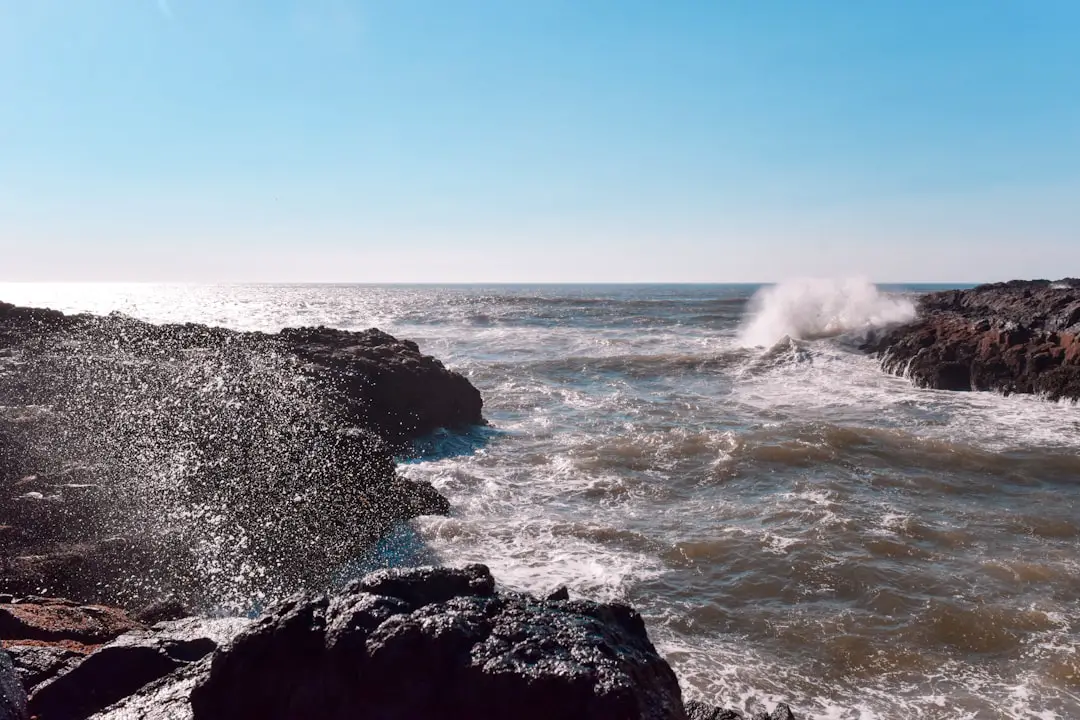
Big Sur’s dramatic coastline can be rewarding in every season, but the experience changes sharply with fog, rain, crowds, wildfire conditions, and Highway 1 access. For most travelers, spring and fall provide the best balance. Summer brings long days and high demand, while winter offers greener scenery and fewer visitors but also a greater chance of rain and travel disruption.
Quick Answer
For most travelers, the best time to visit Big Sur is September through October or April through May. These shoulder periods often combine mild weather, good hiking conditions, and lighter crowds than midsummer. Winter is quieter but wetter, while summer is popular but can bring coastal fog, limited parking, and heavier weekend traffic.
Key Takeaways
- Best overall: September and October are strong choices for mild conditions, scenic driving, hiking, and fewer summer crowds.
- Best for spring scenery: April and May can bring green hillsides, wildflowers, and comfortable hiking weather.
- Summer: June through August is popular, but coastal fog can be common and parking, campsites, and lodging are in higher demand.
- Winter: November through March is quieter and greener, but rain, storms, slides, and road closures can disrupt plans.
- Wildlife: Big Sur and the wider Monterey Bay coast offer wildlife viewing year-round; migrating gray whales are commonly seen in the region from roughly December through May.
- Check conditions before driving: Highway 1, state parks, and trails can close with little notice because of fire, storms, slides, construction, or emergency operations.
Current conditions — August 2026: As of August 25, California State Parks listed Point Sur State Historic Park, Andrew Molera State Park, Pfeiffer Big Sur State Park, and Julia Pfeiffer Burns State Park as closed because of the Timber Fire, with Highway 1 access restrictions affecting the area. Conditions may change quickly. Check California State Parks, the CAL FIRE Timber Fire page, and Caltrans Highway 1 conditions immediately before your trip.
Disclosure: As an Amazon Associate I earn from qualifying purchases. Some links on this page are affiliate links, at no extra cost to you.
Best Months to Visit Big Sur at a Glance
| Travel Goal | Best Time | Why |
| Best overall balance | September–October | Generally mild weather, good hiking conditions, and fewer midsummer crowds. |
| Wildflowers and green scenery | April–May | Winter rain can leave hillsides green and encourage spring blooms. |
| Long daylight and family trips | June–August | Long days and generally dry conditions, though coastal fog and crowds are common considerations. |
| Fewer visitors and dramatic weather | November–March | Quieter atmosphere and greener scenery, balanced against higher rain and road-disruption risk. |
| Gray-whale migration | December–May | Gray whales migrate along the Central California coast during winter and spring. |
Big Sur has a Mediterranean climate, with generally dry summers and wetter winters, but that description does not tell the whole story. The Santa Lucia Mountains rise sharply from the coast and create strong microclimates. Conditions can differ noticeably between an exposed ocean overlook, a redwood canyon, and a trail only a few miles inland.
California State Parks notes that at Pfeiffer Big Sur State Park, summer daytime temperatures are typically in the 70s to 80s°F, while summer nights can range through the 50s to 70s°F. Winter daytime temperatures can range from the low 50s to mid-70s°F, with overnight temperatures commonly in the 30s to 50s°F. Coastal locations may feel significantly cooler when fog and wind move inland.
Rain is concentrated mainly in the cooler part of the year. That rain creates green winter and spring scenery, but heavy storms can also contribute to flooding, rockfall, debris flows, landslides, and Highway 1 closures. Summer is much drier, although dry weather does not guarantee clear skies because marine fog is a regular feature of the Big Sur coast.
Peak Tourist Season in Big Sur
Big Sur generally receives its strongest visitor demand from late spring through summer and into early fall. June, July, and August are especially attractive to families because schools are out, daylight hours are long, and rainfall is usually limited. Weekends and holidays can feel particularly busy at scenic turnouts, beaches, trailheads, and popular state parks.
Summer does not always mean cloudless coastal weather. Cool Pacific water and the coastal terrain help produce morning and evening fog, and fog can sometimes linger well into the day. A sunny inland forecast therefore does not guarantee equally clear conditions along Highway 1.
High demand also affects lodging and camping. California State Parks allows camping reservations at Pfeiffer Big Sur State Park up to six months in advance, and popular dates can disappear quickly. Travelers planning a summer weekend should reserve lodging or campsites early and avoid building an itinerary that depends on finding last-minute parking at every major stop.
Pro Tip: On busy days, start with your highest-priority stop early, then keep the rest of the itinerary flexible. Big Sur is better suited to a few well-chosen stops than trying to park at every overlook along Highway 1.
Off-Peak Season in Big Sur
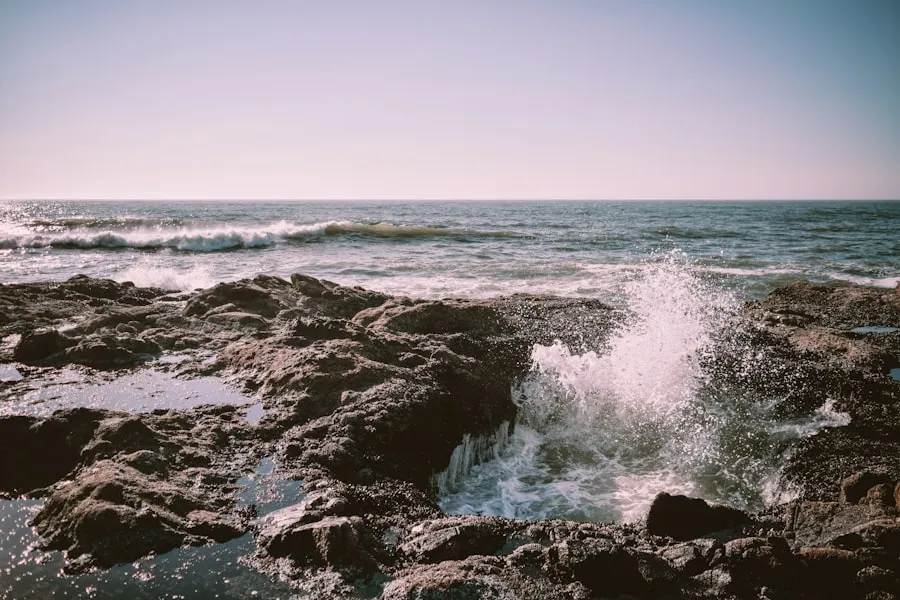
The quieter period generally stretches from late fall through early spring, particularly from November through March. Fewer visitors can make scenic overlooks, restaurants, and open trails feel more peaceful, while winter rain often turns the landscape greener than it appears in late summer.
That quieter atmosphere comes with a trade-off. Winter storms can bring heavy rain, stronger winds, falling rocks, mud, and road problems. Highway 1 is vulnerable to weather-related closures in the Big Sur region, so travelers should never assume a route that was open when they booked a trip will still be open on arrival day.
Winter and spring also have wildlife appeal. Gray whales migrate along the Central California coast from roughly December through May, with mothers and calves commonly seen heading north in spring. Wildlife sightings are never guaranteed, but ocean overlooks can be rewarding places to scan the water when visibility is good.
For travelers who value solitude more than predictable weather, the off-peak season can be excellent. Pack waterproof outer layers, keep plans flexible, and build enough time into the itinerary to change direction if weather, park closures, or Highway 1 conditions interfere with the original route.
Best Time for Outdoor Activities in Big Sur
| Activity | Best Time | What to Know |
|---|---|---|
| Hiking | April–May and September–October | Milder conditions are often comfortable, but always check individual trail closures. |
| Camping | Late spring through early fall | Popular sites can book months ahead; fire or storm closures can override reservations. |
| Beach walks and coastal sightseeing | Summer through early fall | Expect cold Pacific water, changing fog, wind, and potentially dangerous surf. |
| Wildlife viewing | Year-round | Gray-whale migration is especially relevant from roughly December through May. |
| Photography | Year-round | Fall may bring clearer coastal views; winter can add dramatic clouds and greener landscapes. |
For hiking, spring and fall often offer the most comfortable balance of temperatures and daylight. Spring can be especially scenic after winter rain, with green hillsides and wildflowers in parts of the region. Trails may still be muddy, damaged, or closed after storms, so check the managing agency rather than relying on an old trail description.
Summer is popular for camping and long sightseeing days, but early starts help with parking and leave more time if coastal fog delays a view. Fall can provide excellent hiking and photography conditions, although travelers should also pay attention to wildfire alerts during dry periods.
Beach visits should be treated differently from warm-water beach vacations. Big Sur’s Pacific water is cold, surf can be powerful, and some beaches have strong currents or rapidly changing conditions. Enjoy beaches from safe areas, obey signs and barriers, and do not climb unstable cliffs or enter closed zones for a photograph.
Big Sur’s Unique Weather Patterns
Big Sur’s weather is shaped by the Pacific Ocean and the Santa Lucia Mountains. The coast has a Mediterranean climate, but the mountains rise so quickly from sea level that temperature, rainfall, wind, and fog can change over a short distance.
Coastal fog is especially common from spring into summer. Cool ocean water helps chill moist air near the surface, and that fog often moves inland during the evening or morning. It may clear later in the morning, but some sections of the coast can remain foggy much longer.
The California Current and seasonal coastal upwelling help keep nearshore water cool, moderating temperatures close to the ocean. Inland valleys and exposed mountain areas can therefore feel much warmer or drier than coastal viewpoints on the same day.
Rainfall also varies greatly because the Santa Lucia Mountains force moist Pacific air upward. This means a single “Big Sur rainfall average” can hide substantial differences between individual locations. Travelers should use a current local forecast for the specific part of the coast they plan to visit rather than relying only on a regional average.
Big Sur can move from clear sun to cool fog within a short drive, so layers are useful even when the broader Central Coast forecast looks warm.
Tips for Traveling to Big Sur During Different Seasons
Spring
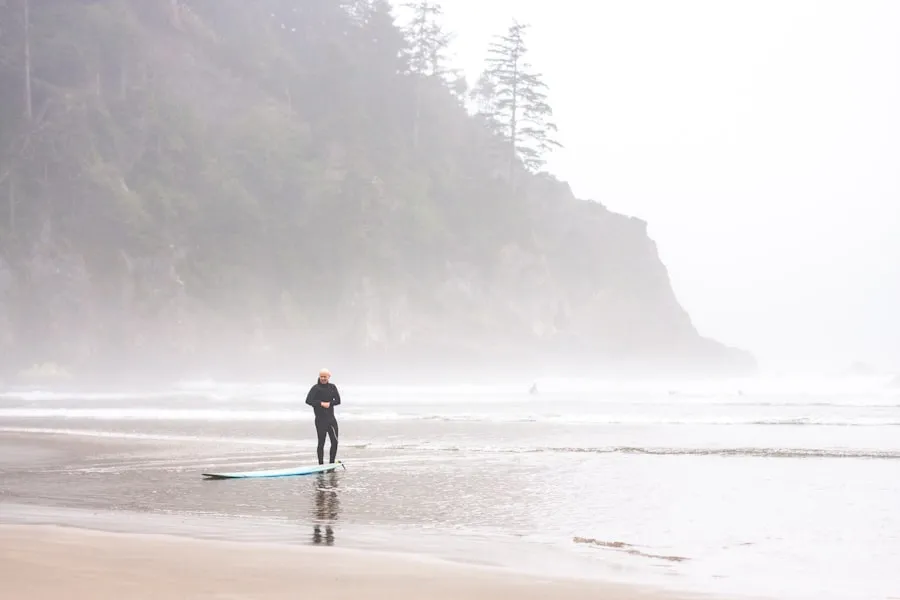
Spring is one of the most appealing periods for hiking and scenery. Bring layers, a light waterproof shell, and footwear suitable for damp or muddy trails. Check park and trail conditions after major storms because winter damage can persist into spring.
Summer
Summer usually brings dry weather and long daylight hours, but morning fog can hide coastal views. Reserve lodging and campsites early, start popular stops before the busiest part of the day, and carry an extra layer for cool viewpoints even when inland areas are warm.
Fall
September and October are often among the strongest months for a Big Sur trip. Conditions can be mild, summer crowds begin to ease, and coastal visibility may be excellent. However, dry fall conditions can also coincide with wildfire danger, so check emergency alerts and park status before departure.
Winter
Winter offers a quieter and greener Big Sur, but flexibility matters. Carry rain protection, allow extra travel time, and check Highway 1 before setting out. Never drive around a road-closure barrier, and reconsider exposed coastal hikes when strong wind, heavy rain, or hazardous surf is forecast.
Note: Seasonal averages are useful for choosing a month, but same-day conditions matter more in Big Sur. Check the weather, park alerts, wildfire information, and Highway 1 status again on the morning of your drive.
Events and Festivals in Big Sur Throughout the Year
Big Sur’s event calendar can influence both the atmosphere and traffic on Highway 1. Dates can change from year to year, so verify an event on its official website before booking a trip specifically around it.
- Big Sur International Marathon: The race is traditionally held on the last Sunday in April on scenic Highway 1 between Big Sur and Carmel. The 2026 race took place on April 26, and the official site lists the next marathon for April 25, 2027. See the Big Sur International Marathon website for current details.
- Big Sur River Run: This community 5K and 10K is not an April event. The 2026 Big Sur River Run is scheduled for October 24 at Pfeiffer Big Sur State Park. Verify access and event status at the official Big Sur River Run website.
- Big Sur Food & Wine Festival: The official festival calendar lists November 5–7, 2026. Ticket sales were temporarily paused in August because of the Timber Fire, so travelers should confirm the latest status at Big Sur Food & Wine before making plans.
Big Sur also has a notable arts history. The Big Sur International Short Film Screening Series once presented outdoor summer screenings at the Henry Miller Memorial Library, but the organizers now state that the series has ended. It should therefore be viewed as part of Big Sur’s cultural history rather than a current annual attraction.
The historic Big Sur Folk Festival is another important part of the area’s cultural story, particularly its performances during the 1960s and early 1970s, but it should not be listed as a current September festival. For modern travel planning, rely on current event organizers rather than historical event names.
Planning Your Trip to Big Sur: Weather Considerations
The most useful Big Sur packing strategy is to dress in layers. A day may begin with cool fog near the ocean, become warm on an inland trail, and turn chilly again at a windy sunset overlook. A light insulating layer and wind-resistant outer layer are useful in every season, with waterproof protection added during the rainy months.
Road conditions deserve the same attention as the weather. Highway 1 can be affected by slides, fire operations, construction, and emergency closures. Use the official Caltrans Highway 1 road-condition page shortly before departure instead of relying on an itinerary prepared weeks earlier.
Park access should also be checked individually. A road may be open while a trail, campground, or state park remains closed. California State Parks posts current restrictions for Big Sur properties, including Pfeiffer Big Sur State Park.
Build flexibility into the trip instead of treating every viewpoint as mandatory. Fog may hide a famous overlook in the morning and reveal it later, while a closure may require skipping a trail altogether. Having several optional stops makes it easier to adapt without taking unnecessary risks.
Staying hydrated is also important when hiking or spending a full day along the coast. Carry enough drinking water for the activity you have planned rather than assuming water will be available at every stop. If you are comparing reusable travel bottles, see 5 Must-Have Portable Water Bottles for Your Spring 2025 Adventures for additional options.
Frequently Asked Questions
What is the best time to travel to Big Sur?
For most travelers, September through October and April through May offer the best balance of mild weather, hiking conditions, scenery, and manageable crowds. The ideal month still depends on whether you prioritize wildflowers, clear coastal views, summer daylight, wildlife, or fewer visitors.
What is the weather like during the best time to visit Big Sur?
Spring and fall are usually mild, but Big Sur has strong microclimates. Coastal viewpoints can be cool, windy, or foggy while inland trails are warmer. Pack layers and check the forecast for the specific part of Big Sur you plan to visit.
When is Big Sur most foggy?
Coastal fog is especially common from spring through summer and often develops overnight or during the morning. It frequently clears later, but some coastal locations can remain foggy for much of the day.
Are there events or festivals worth planning a Big Sur trip around?
Yes. Current examples include the Big Sur International Marathon in April, the Big Sur River Run in October, and the Big Sur Food & Wine Festival, which lists November dates for 2026. Event schedules and access can change, so verify dates directly with the organizer before booking.
What outdoor activities are best during spring and fall?
Hiking, scenic driving, photography, beach walks, wildlife watching, and waterfall or redwood sightseeing are popular choices. Always confirm current trail and park access because fire, storm damage, maintenance, or other closures can affect individual locations.
Is Big Sur worth visiting in winter?
Yes, especially if you prefer fewer visitors, green scenery, dramatic coastal weather, and the gray-whale migration period. The trade-off is a greater chance of rain, stormy surf, landslides, trail closures, and Highway 1 disruptions.
Is Highway 1 through Big Sur always open?
No. Highway 1 can close because of landslides, wildfire operations, rockfall, storms, construction, or other emergencies. As of late August 2026, fire-related restrictions were affecting the Big Sur area. Check Caltrans immediately before driving.
How early should I reserve camping in Big Sur?
For popular state-park campgrounds, reserve as early as your booking window allows. California State Parks states that Pfeiffer Big Sur State Park camping reservations can be made up to six months in advance. A reservation does not override a later emergency closure, so recheck park status before departure.
Sources
- California State Parks — Pfeiffer Big Sur State Park — current park restrictions, weather guidance, camping reservations, and visitor information.
- CAL FIRE — Timber Fire — current wildfire status and emergency information affecting the Big Sur region.
- Caltrans — State Route 1 Road Conditions — official Highway 1 closures, restrictions, and road updates.
- Big Sur International Marathon — official annual marathon dates and race information.
- Big Sur River Run — official information for the annual 5K and 10K community event.
- Big Sur Food & Wine Festival — official festival dates and current event-status information.